Arlington’s Eutopia Club: The Residential Swingers’ Mansion Stirring Controversy at 2429 N. Cooper Street
A fascinating tale emerging from the heart of Arlington, Texas, has captivated local attention, sparking debates on property rights, residential zoning, and community standards. This story, initially brought to light by journalist Robert Wilonsky, details the unique predicament of a suburban mansion transformed into an exclusive social club for swingers, much to the chagrin of its neighbors and the Arlington city officials. The narrative surrounding the Eutopia club at 2429 N. Cooper Street encapsulates the clash between private enterprise, personal freedoms, and the often-rigid framework of municipal regulations.
The Property: A $500,000 Mansion with a Secret Life
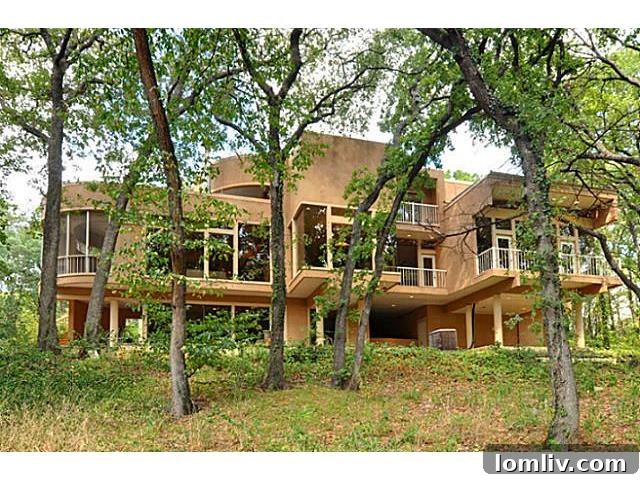
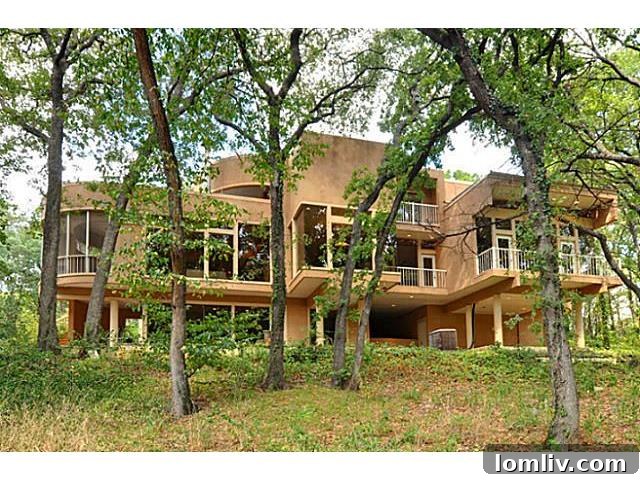
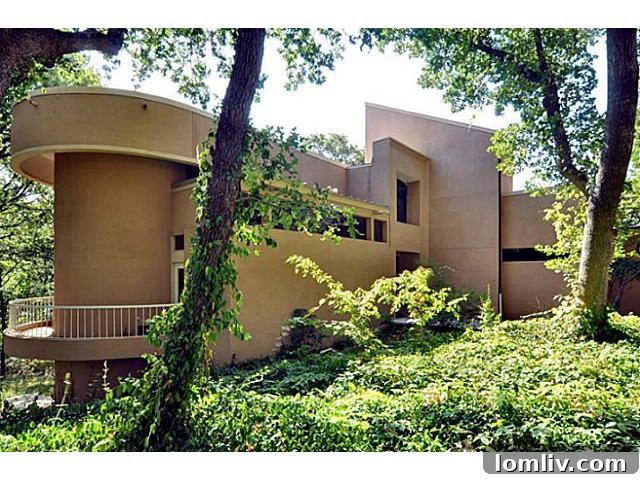
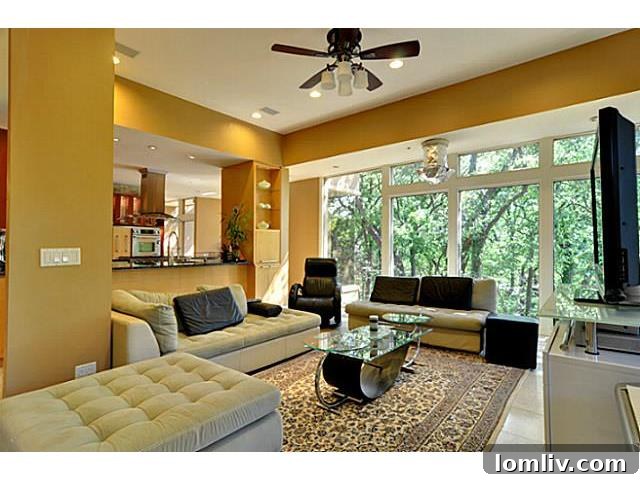
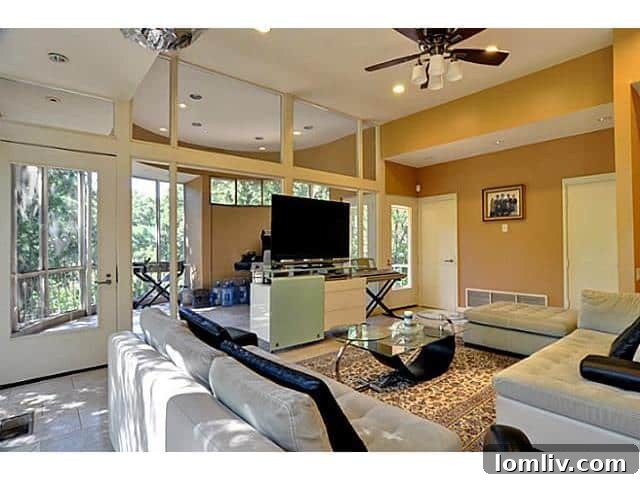
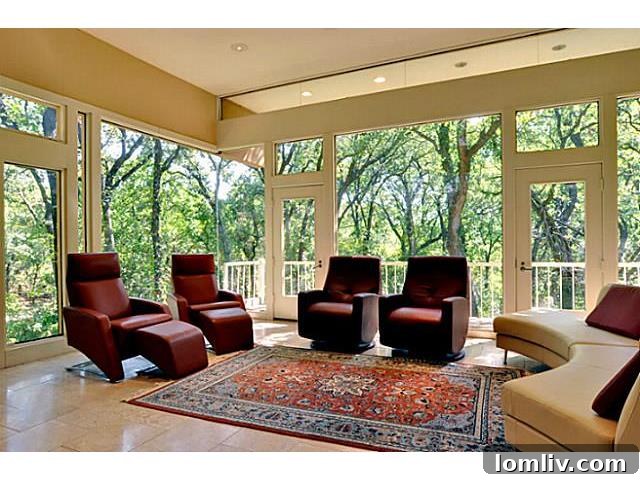
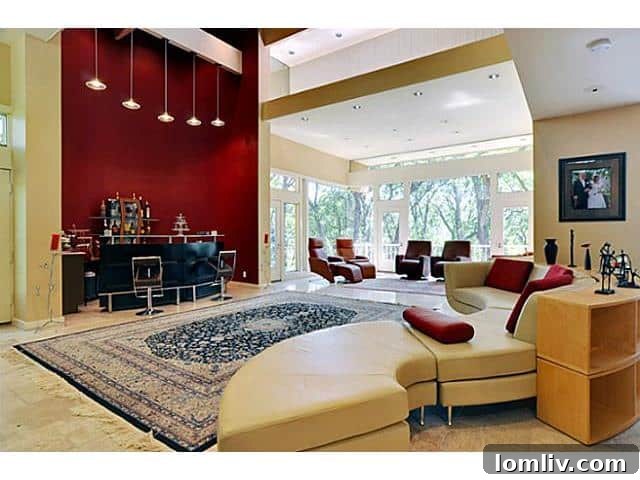
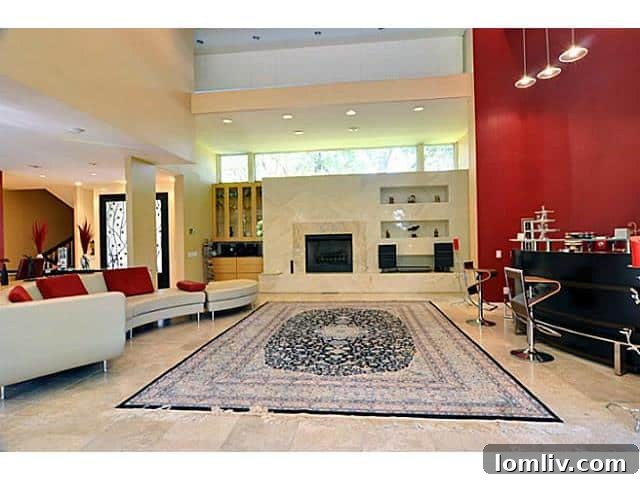
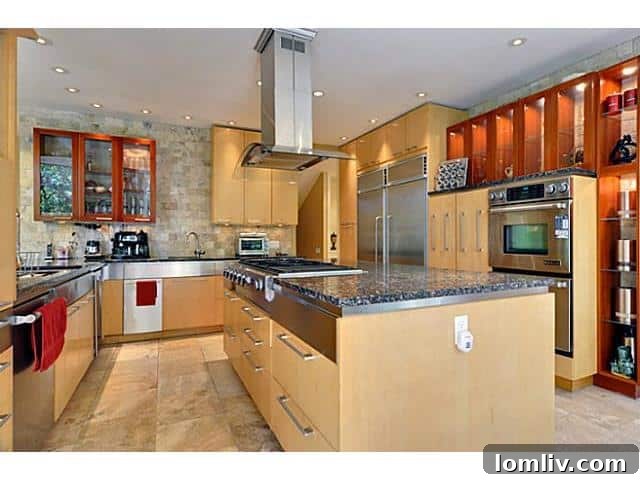
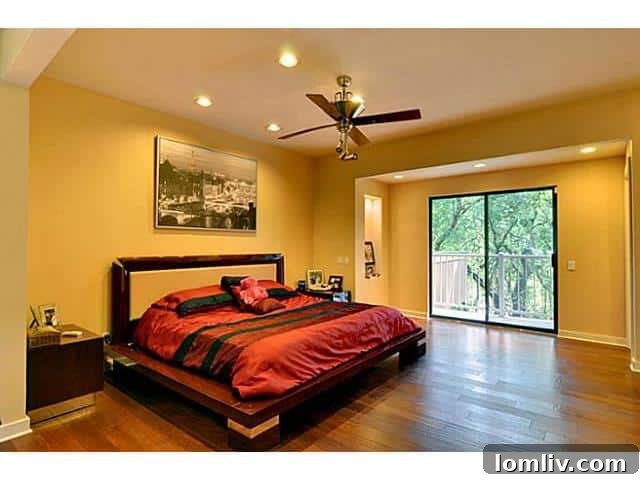
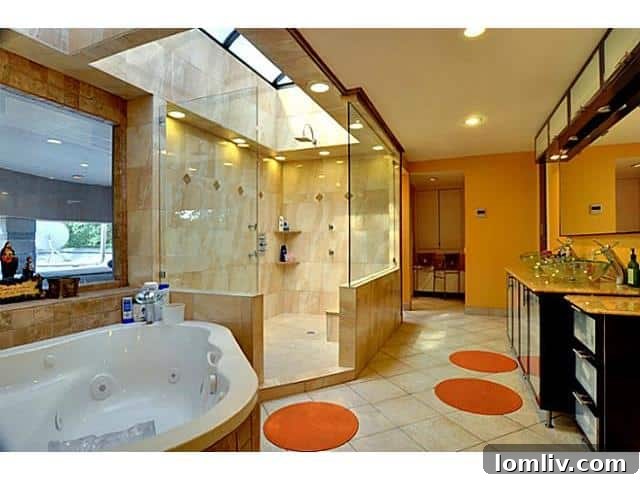
The focal point of this intriguing controversy is a sprawling 5,069-square-foot contemporary residence located at 2429 N. Cooper Street in Arlington. This significant property was acquired just last year for a substantial $500,000, suggesting a prime investment in a desirable neighborhood. Constructed in 1973, the home boasts an impressive array of features designed for spacious and comfortable living. It includes four generously sized bedrooms, four full bathrooms, and an additional half bath, catering to a large household or numerous guests.
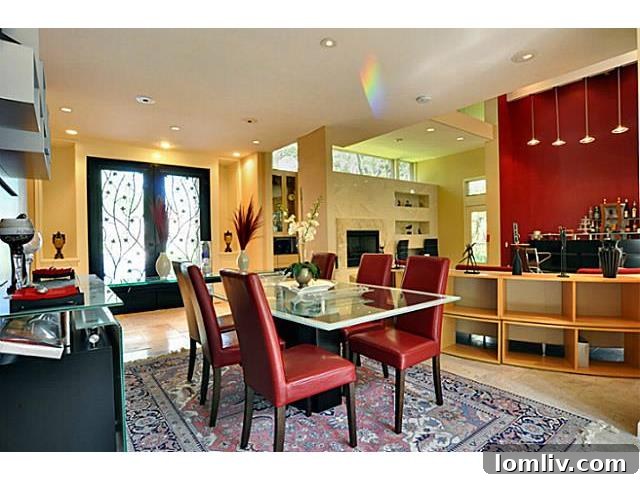
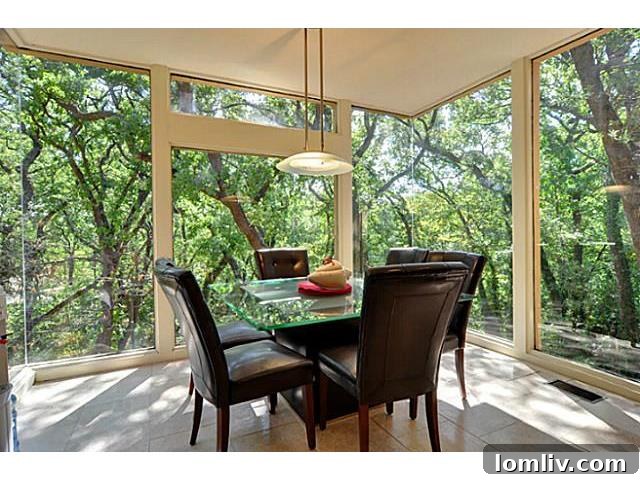
Beyond its ample sleeping arrangements, the mansion offers three distinct living areas, providing versatile spaces for relaxation, entertainment, or even separate activities. Two dedicated dining areas ensure comfortable settings for both casual meals and formal gatherings. One of its most appealing features is a private outdoor pool, offering a secluded oasis for recreation. The entire site is notably private, enhancing its allure. Moreover, the architecture incorporates enormous windows throughout, strategically designed to drench every room in an abundance of natural light, creating an airy and inviting ambiance. Given these luxurious and private characteristics, it’s perhaps unsurprising that homeowners David and Shannon Esopenko envisioned this property as the ideal backdrop for their ambitious social venture, the Eutopia club.
Eutopia DFW: An “Upscale, Yet Unpretentious” Adult Club
David and Shannon Esopenko, the enterprising homeowners of the 2429 N. Cooper Street property, were not merely looking for a new residence; they were seeking the perfect venue for their vision of an exclusive adult social club. They launched Eutopia DFW, an establishment explicitly designed as a swingers club, promising its guests an “upscale, yet unpretentious, classy yet inviting” evening experience. This carefully crafted description aimed to differentiate Eutopia from more stereotypical adult venues, positioning it as a sophisticated gathering place for like-minded couples and individuals.
The Esopenkos’ philosophy behind Eutopia was rooted in creating a comfortable and elegant environment where participants could explore their interests without judgment. They aimed to attract a discerning clientele by emphasizing discretion, quality, and a welcoming atmosphere. The spacious layout of their Arlington mansion, with its multiple living areas, private pool, and abundant natural light, undoubtedly played a crucial role in shaping Eutopia’s luxurious and inviting ambiance. They believed that their private residence, situated in a seemingly quiet neighborhood, could host these events without disrupting the surrounding community, asserting that they had “bent over backwards to make sure we didn’t interfere with our neighbors.” However, despite these intentions, the presence and nature of the Eutopia club quickly became a point of contention within the Arlington community.
While the Esopenkos maintain their efforts to minimize disturbance, the sheer volume of traffic and the nature of the gatherings naturally raised eyebrows among neighbors. The delicate balance between a homeowner’s right to host private events and a community’s expectation of residential tranquility became the central conflict in this unfolding drama. The initial description of Eutopia as a classy and inviting space speaks to the Esopenkos’ desire to elevate the experience, but it also inadvertently highlights the challenge of integrating such an establishment into a conventional suburban setting.
Community Discomfort and Arlington’s Official Response
Despite the Esopenkos’ assurances of discretion and neighborly consideration, the Eutopia club quickly became a focal point of unease within the Arlington community. While specific neighbor complaints aren’t detailed, the implied discontent is clear. The operation of a commercial-like social club, particularly one of an adult nature, in a residential zone inevitably leads to concerns regarding increased traffic, potential noise, parking issues, and a perceived impact on neighborhood character and property values. Such establishments can disrupt the peaceful, family-oriented environment that many residents seek in suburban areas.
Arlington city officials swiftly intervened, citing Eutopia as an unlicensed home-based business. Their primary objection centered on two key points: the lack of proper business permits and the significant generation of traffic in a residential neighborhood. These factors are typically grounds for municipal intervention, as they violate zoning ordinances designed to maintain the integrity and intended use of residential areas. The city highlighted the monetary transactions involved in attending Eutopia’s events:
- Couples: $80
- Single Men: $80
- Single Women: $20
This tiered pricing structure, in the city’s view, clearly constituted a “pay-to-play situation,” definitively classifying Eutopia as a commercial operation rather than a private social gathering among friends. This financial exchange is a critical element in distinguishing a hobby or private party from a regulated business entity, subjecting it to specific licensing, tax obligations, and zoning compliance.
The city’s approach to the Eutopia club was noteworthy for its relatively restrained nature, especially when contrasted with past incidents. The original article playfully observed that Arlington “didn’t call the SWAT team and raid the place like you did for these poor hippies.” This previous incident, involving a SWAT raid on another Arlington residence, highlights a history of firm, albeit sometimes controversial, enforcement by the city. In the case of Eutopia, the city opted for a cease and desist letter, a more standard procedure for addressing zoning and business permit violations. This measured response, however, did not diminish the seriousness of the city’s stance on the club’s operation in a residential area, indicating a clear intent to enforce local ordinances and protect neighborhood integrity.
The Standoff: “Suggested Donations” vs. Business Operations
In a compelling update to the unfolding drama, the Esopenkos, owners of the Eutopia club and the residence at 2429 N. Cooper Street, demonstrated their unwavering resolve in the face of Arlington’s cease and desist letter. Their defiance underscores a fundamental disagreement over the definition of a “business” and the extent of private property rights within a residential context. David Esopenko’s statements highlight his perspective, which sharply contrasts with the city’s regulatory framework.
Esopenko maintained that he had not formally received the city’s letter, a claim that could buy them time or challenge the city’s procedural adherence. More significantly, he declared his intention to continue hosting parties, including a scheduled “Jersey Night” event prior to the Super Bowl. For Esopenko, these gatherings are unequivocally “parties,” not commercial ventures. He emphasized that the club operates without employees, a common characteristic of informal social gatherings, yet distinct from a conventional business model.
The crux of Esopenko’s defense lies in the nature of the financial transactions. He asserted, “We don’t take people’s money. We take suggested donations, which people put in an envelope without their names on it and it goes in a box.” This nuanced approach to collecting funds is a deliberate attempt to circumvent the city’s definition of a “pay-to-play” business. By framing payments as anonymous “suggested donations,” the Esopenkos aimed to position Eutopia as a private social club sustained by voluntary contributions, rather than a commercial enterprise charging admission fees.
This argument opens a significant legal and definitional debate. In many jurisdictions, the distinction between a private social club, a non-profit entity, and a for-profit business often hinges on the method of fundraising and the formal structure of the organization. While “suggested donations” can sometimes be legitimate for charitable or non-profit organizations, using them in the context of an exclusive, invite-only social event with fixed “suggested” amounts can be interpreted by authorities as a thinly veiled fee structure designed to bypass commercial regulations. The city of Arlington, in its regulatory capacity, clearly views this as an attempt to operate an unlicensed business.
Esopenko’s concluding remark, “If they think that constitutes a business we’re in trouble in this country. But we will throw a party Saturday? You bet we will,” encapsulates his conviction and willingness to challenge the city’s authority. This standoff highlights a broader societal tension between individual liberty, the pursuit of alternative lifestyles, and the maintenance of community standards and municipal order. The outcome of this dispute could set a precedent for how Arlington, and potentially other cities, grapple with similar unconventional residential uses in the future.
Implications for Arlington and Residential Zoning Laws
The saga of the Eutopia club at 2429 N. Cooper Street presents a fascinating case study with far-reaching implications for Arlington and other municipalities. It forces a critical examination of the adaptability of existing zoning laws and business regulations in the face of evolving social norms and creative interpretations of private property use. The Esopenkos’ defense, centered on “suggested donations” and the classification of their gatherings as mere “parties,” directly challenges the traditional definitions of commercial activity that underpin urban planning.
For Arlington, this incident highlights the complexities of enforcing residential zoning ordinances. While these laws are designed to protect the character and quality of life in neighborhoods by separating commercial from residential activities, scenarios like Eutopia blur these lines. If “suggested donations” are deemed sufficient to avoid business classification, it could create a loophole that complicates the regulation of various home-based operations, from informal clubs to services, potentially undermining the purpose of zoning. The city’s decision in this matter could influence how it approaches similar cases, setting precedents for how it defines home-based businesses, manages traffic generation in residential areas, and balances homeowner rights with community well-being.
Furthermore, the Eutopia controversy underscores the ongoing debate about personal freedoms versus community standards. Homeowners often assert their right to use their property as they see fit, provided it doesn’t infringe on the law. However, when private activities attract significant numbers of people or involve monetary exchange, they invariably interact with public interests – traffic, noise, safety, and property values – falling under the purview of municipal governance. The dispute at 2429 N. Cooper Street serves as a vivid reminder of the continuous negotiation required to maintain harmony in diverse urban environments, where the concept of “private” increasingly intersects with “public” concerns.