By Rick Mauch
Candy’s Dirt Contributor
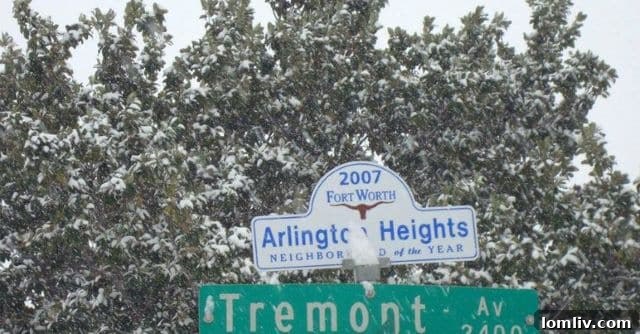
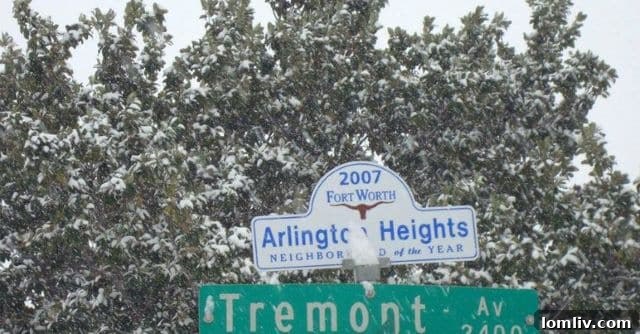
Discover the Enduring Charm and Rich History of Fort Worth’s Arlington Heights
Nestled in the heart of Fort Worth, Texas, Arlington Heights stands as one of the city’s largest and most historic neighborhoods. This vibrant community seamlessly blends timeless charm with a compelling legacy, offering residents and visitors alike an unparalleled experience. From its tree-lined streets to its bustling commercial corridors, Arlington Heights epitomizes a perfect balance between serene suburban living and convenient urban access.
The allure of Arlington Heights is multifaceted. It boasts an array of quaint, locally-owned shops and a dynamic dining and entertainment scene concentrated along the renowned West Seventh Street. Its strategic location provides effortless access to Interstate 30, connecting residents to the wider Fort Worth metropolitan area and beyond. This unique blend ensures that whether one seeks peaceful tranquility or lively urban engagement, Arlington Heights delivers.
Within the expansive boundaries of Arlington Heights, several distinct smaller communities contribute to its diverse character. These include notable areas such as Sunset Heights South, West Beyer, Monticello, and Crestwood. Each enclave possesses its own unique appeal, fostering a rich tapestry of lifestyles and architectural styles that collectively define the larger neighborhood.
The Iconic Camp Bowie District: A Hub of Heritage and Commerce
At the heart of Arlington Heights lies the historically significant Camp Bowie District. This vibrant commercial and cultural artery is more than just a street; it’s a living museum of Fort Worth’s past and present. The district is home to some of the city’s most legendary dining establishments, many of which have been local favorites for generations. Food enthusiasts can savor authentic Mexican cuisine at Uncle Julio’s, indulge in classic American burgers at Kincaid’s Hamburgers – an institution known for its fresh, no-frills approach, or enjoy traditional American fare at Lucile’s. For those with a sweet tooth, Blue Bonnet Bakery offers an array of delectable treats, carrying on a tradition of quality baking.
Beyond its culinary delights, the Camp Bowie District also features a collection of notable and well-established retailers. Shoppers can explore unique finds at Flores Antiques, a treasure trove of vintage items, or discover premium tobacco products at Big Dave’s Cigars. A true cornerstone of the community is Chicotsky’s Liquor & Fine Wine, a venerable establishment founded by Morris J. Chicotsky in 1933. Remarkably, this family-run business continues to thrive under the stewardship of the Chicotsky family, embodying the enduring spirit of local entrepreneurship that defines the neighborhood.
A Safe and Welcoming Environment
Arlington Heights is not only rich in history and amenities but is also consistently recognized as one of the safest places to reside in the greater Fort Worth area. Its reputation for safety significantly enhances its appeal to families and individuals seeking a secure and stable community. The website extraspace.com, a trusted resource for community evaluations, has even lauded Arlington Heights as the safest neighborhood in the entire city. This distinction speaks volumes about the strong community vigilance, effective local services, and the overall peaceful environment that residents enjoy, making it an ideal place to call home.
A Deep Dive into History: The Roots of Arlington Heights
The story of Arlington Heights is a captivating journey through Fort Worth’s development. The neighborhood experienced a significant boom in the 1920s, a period of rapid growth largely spurred by its convenient proximity to downtown Fort Worth via a short and efficient trolley ride. This accessibility to the city’s urban core and the burgeoning cultural district remains a major draw for residents today, ensuring its continued desirability.
The earliest roots of Arlington Heights trace back to the 1850s, when the land was primarily part of sprawling ranches. While some initial residential development began just before the turn of the 20th century, only a handful of homes were established during this nascent phase. The true catalyst for serious growth emerged with the ambitious vision of H.B. Chamberlain, a developer from Denver. Chamberlain acquired approximately two thousand acres from Chicago financiers Tom Hurley and Robert McCart, envisioning a grand residential community.
Chamberlain’s ambitious plans, however, faced an unfortunate setback in 1894 when Ye Arlington Inn, a grand hotel constructed by his investment company to serve as a centerpiece for the development, was tragically destroyed by fire. Just a few years later, Chamberlain himself passed away while bicycling near London, leaving his dream unfulfilled. Despite this early challenge, the potential of the land was undeniable.
Subsequently, new developers acquired the land and made a pivotal decision: they donated a significant portion to the U.S. Army. This act led to the establishment of Camp Bowie, a crucial training ground during World War I. Over 100,000 soldiers passed through Camp Bowie, forever leaving their mark on the area. Although the camp eventually closed after the war, the remaining infrastructure – roads, utilities, and a sense of community – provided a robust foundation that spurred remarkable residential and commercial development over the ensuing decades. Today, the rich history of Arlington Heights is beautifully preserved in its diverse architectural landscape, showcasing charming English cottage styles and classic Arts and Crafts bungalows, each telling a story of the neighborhood’s evolution.
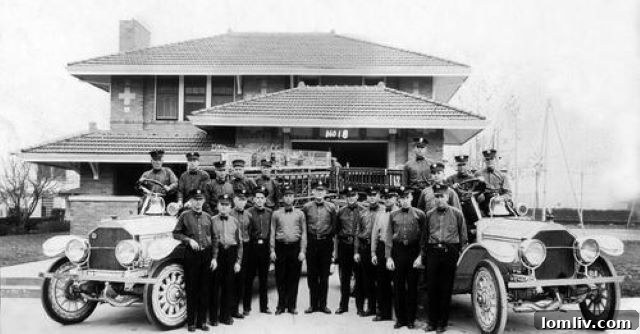
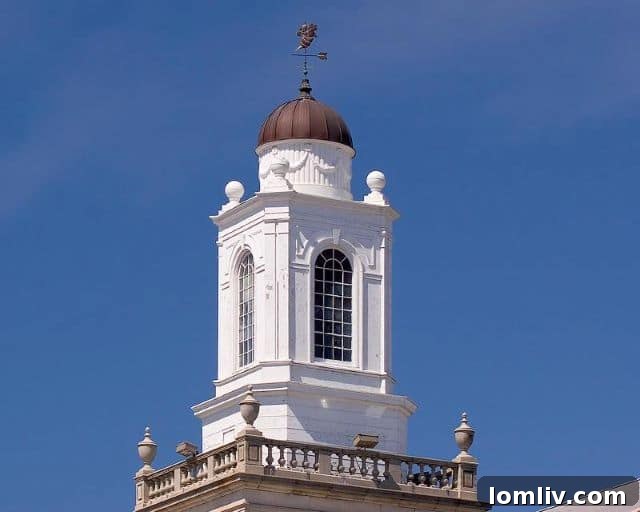
Further solidifying its historical identity, Camp Bowie Boulevard was proudly named in honor of the military camp and distinctively paved with its iconic red brick in 1928. Many of the businesses that line this historic boulevard today boast roots that stretch back to the 1920s, contributing to its enduring character. Moreover, structures like Fire Station No. 18, with its distinctive architecture, and the stately Arlington Heights Methodist Church stand as cherished neighborhood landmarks, symbols of community resilience and heritage.
Life in Arlington Heights: A Vibrant Community for All Ages
Life in Arlington Heights truly offers something for everyone, catering to a wide array of interests and lifestyles. Even the beloved family pet is considered, with amenities like The Bark Park at First Flight, a fantastic 3,200-square-foot dedicated play space designed specifically for dogs. Beyond this, the neighborhood is crisscrossed with abundant sidewalks, making it a perfect setting for daily dog walks, leisurely strolls, or invigorating jogs.
Outdoor Recreation and Green Spaces
For outdoor enthusiasts, Arlington Heights provides a wealth of options. Como Park and the adjacent Lake Como offer generous green spaces, perfect for picnics, relaxation, and a variety of recreational activities. These natural havens provide a serene escape within the urban environment. Additionally, the neighborhood benefits from its close proximity to the expansive 252-acre Trinity Park, a regional gem. Trinity Park, in turn, connects to the renowned Trinity Trails system, a vast network celebrated for its extensive hiking and biking paths, offering scenic views and endless opportunities for active recreation. The world-class Fort Worth Zoo, a cherished institution known for its conservation efforts and diverse animal exhibits, is also just a stone’s throw away, providing educational and entertaining experiences for all ages.
Exclusive Amenities and Cultural Institutions
Arlington Heights also boasts an exclusive amenity in its backyard: River Crest Country Club. As Fort Worth’s oldest country club, it carries a rich history and prestige, being one of the first golf clubs in the nation to integrate residential development directly on its grounds. Members enjoy access to pristine golf courses, tennis courts, swimming facilities, and social events, fostering a strong sense of community and luxury.
The cultural landscape around Camp Bowie Boulevard is equally impressive, positioning Arlington Heights as a prime location for arts and education. The area is home to several notable museums, including the Fort Worth Museum of Science and History, an engaging institution offering interactive exhibits for curious minds of all ages. Art aficionados will appreciate the Kimbell Art Museum, celebrated for its exquisite collection and iconic architecture, and the Modern Art Museum of Fort Worth, which showcases contemporary masterpieces. The majestic Will Rogers Memorial Center, a landmark built in 1936, further enriches the cultural scene, hosting a variety of events from rodeos to concerts and conventions.
Excellence in Education and Notable Alumni
Education is a cornerstone of the Arlington Heights community, with quality schooling available from pre-kindergarten through high school. The local schools are known for their commitment to academic excellence and a supportive learning environment. Moreover, the proximity of Texas Christian University (TCU) adds another layer of educational prestige and vibrancy to the area. TCU, a leading national university, offers world-class academic programs and contributes significantly to the intellectual and cultural life of Fort Worth.
The educational institutions within Arlington Heights also boast a remarkable share of history, particularly its high school, which has produced a roster of distinguished alumni. Among its most famous graduates is Henry John Deutschendorf Jr., globally recognized as the iconic folk/rock musician John Denver, whose timeless songs captured the hearts of millions. Another notable alumnus is Milton Brown, often hailed as the “Father of Western Swing” for his pioneering contributions to American music. The esteemed Tony Award-winning actress and singer Betty Buckley also honed her talents within these halls. While also an alumnus, T. Cullen Davis is notably remembered for his sensational murder trials, where he was twice accused and acquitted. In the realm of sports, Tony Franklin, a former placekicker, once held the NFL record for the longest field goal at an astounding 63 yards. The historical record also notes Lee Harvey Oswald, the assassin of President John F. Kennedy, as an alumnus. Finally, the acclaimed actor and film director Bill Paxton, known for his versatile roles in Hollywood, also walked the corridors of Arlington Heights High. This impressive list of alumni underscores the rich legacy and diverse talents nurtured within this exceptional Fort Worth neighborhood.