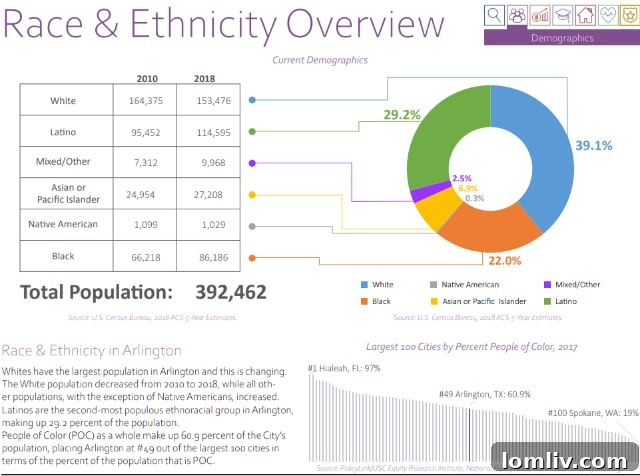
Arlington, Texas, stands as a vibrant testament to modern urban diversity and dynamic growth. Far from a monolithic city, it presents a fascinating mosaic of communities, each with its own distinct character and needs. From the bustling north side to the serene south, and the sprawling eastern expanses to the developed western fronts, Arlington encapsulates a varied suburban landscape unified by two major interstates. This inherent diversity, coupled with a population nearing 400,000 residents, underscores a critical need for thoughtful, adaptable, and forward-thinking urban planning. To effectively navigate its unique challenges and opportunities, the city is proactively strengthening its residential development standards, aiming for a future that is both sustainable and equitable for all.
Shaping Arlington’s Future: Public Feedback on Residential Infill and Redevelopment Standards
The City of Arlington is embarking on a pivotal initiative to redefine its approach to urban development, focusing on Residential Infill and Redevelopment Standards. This effort recognizes that as a city matures, the way it grows internally—through revitalizing existing areas rather than continuous outward expansion—becomes paramount. To ensure these new standards truly reflect the community’s vision and needs, the city is holding a crucial public open house, inviting all residents to share their perspectives and insights.
Your Voice Matters: Open House Details
This is a unique opportunity for Arlington residents to directly influence the future landscape of their neighborhoods. The come-and-go open house is scheduled for March 10th, offering multiple sessions to accommodate diverse schedules. Residents can participate from 9 to 11 a.m., 3 to 5 p.m., or 6 to 8 p.m. All sessions will take place in the city council chamber at Arlington City Hall, located at 101 W. Abrams St. This direct engagement is vital for gathering comprehensive feedback that will help shape policies impacting everything from housing availability to neighborhood aesthetics and economic vitality.
The Genesis of Change: Unity Council and Focus Group Initiatives
The journey toward these proposed standards began in earnest in July, following a request from the Arlington City Council to comprehensively review the city’s Unified Development Code (UDC). Recognizing the profound impact of development on community well-being, the council sought to modernize the UDC to better serve the evolving needs of Arlington. This led to the formation of a dedicated 10-person focus group, a testament to the city’s commitment to collaborative governance and citizen-led solutions.
A significant catalyst for this review was the citizen-led Unity Council. In its insightful report to the city council, the Unity Council highlighted the urgent need for Arlington to establish distinct standards for infill development. Furthermore, the report strongly advocated for the removal of barriers that hinder the creation of attainable, high-quality housing options for all residents. This recommendation underscored a broader vision for an inclusive city where diverse housing types contribute to a thriving urban fabric.
A Collaborative Approach to Urban Planning
The focus group, meticulously assembled to represent a broad spectrum of stakeholders, exemplifies Arlington’s commitment to holistic planning. Its members include seasoned representatives from the real estate community, both small-scale and large residential developers, experienced homebuilders, influential neighborhood leaders, members of the Unity Council, and participants from the Downtown Master Plan Advisory Board. This diverse consortium has dedicated the past 10 months to intensive collaboration with city staff, diligently working to craft a set of proposed standards for the UDC that are both innovative and practical. Their collective expertise ensures that the recommendations are well-rounded, addressing economic realities, community aspirations, and regulatory feasibility.
A Holistic Vision: Beyond Housing Standards
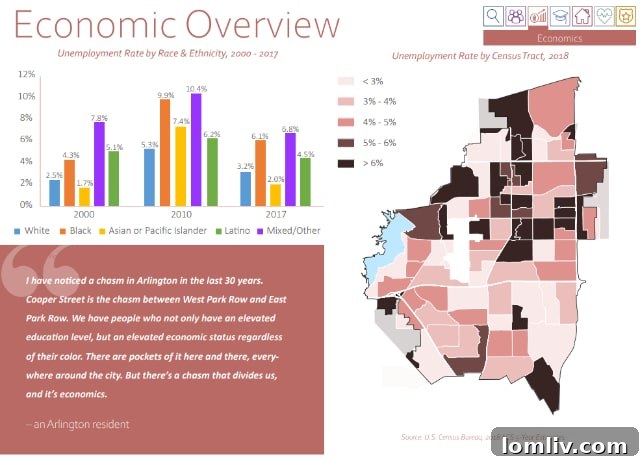
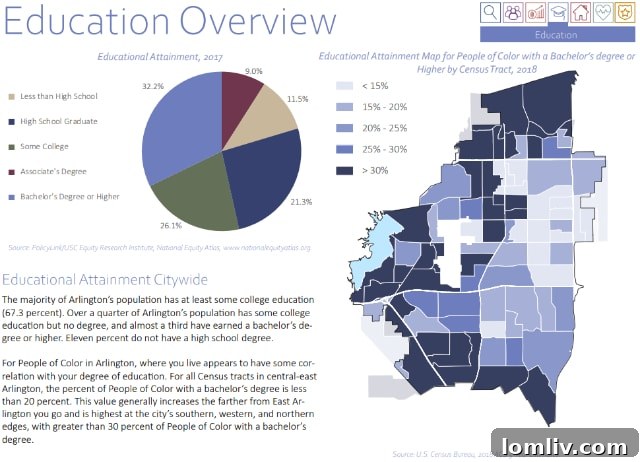
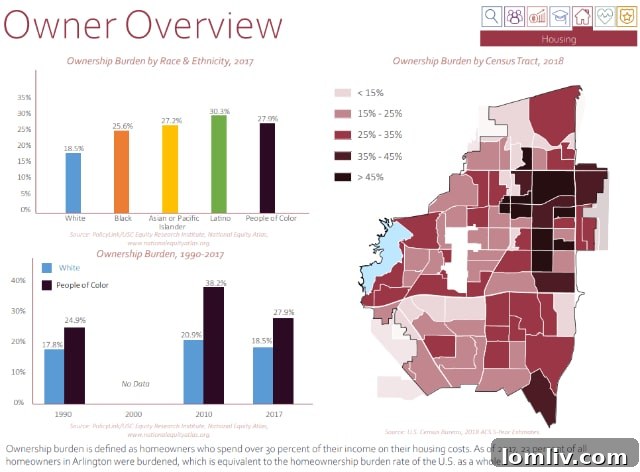
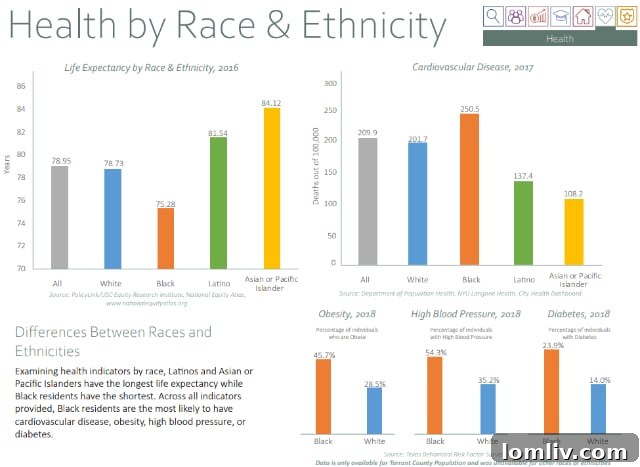
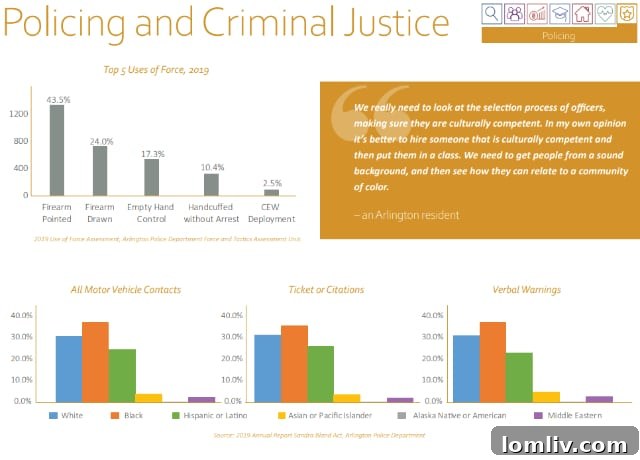
The Unity Council’s comprehensive final report, which spurred much of this ongoing work, extends its focus far beyond merely housing development. It delves into five critical areas of study that are fundamental to the welfare and prosperity of Arlington’s residents: Economic Disparities, Education and Workforce Training, Housing, Health and Wellness, and Policing and Criminal Justice. This integrated approach acknowledges that urban planning and housing policies do not exist in a vacuum; they are intrinsically linked to the broader socio-economic fabric of the city.
Dr. Jason E. Shelton, the esteemed chair of the Unity Council, eloquently articulated the imperative behind this comprehensive review: “For this report to be taken seriously — and received by folks who feel they been overlooked and left out — it must include these honest but difficult perspectives. Our city is diverse, and so are opinions about it.” This sentiment underscores the commitment to transparency, inclusivity, and addressing the nuanced needs of a diverse populace, ensuring that all voices are heard and valued in the shaping of Arlington’s future.
Key Proposed Standards for Arlington’s Unified Development Code
The proposals put forth by the focus group aim to create a more flexible, efficient, and equitable development framework for Arlington. These changes are designed to stimulate appropriate growth, enhance housing affordability, and preserve the unique character of existing neighborhoods. According to the city’s website, the key recommendations include:
- Simplified Administrative Approval for Infill Lots: This crucial proposal seeks to streamline the development process for small, infill lots or those with irregular shapes. Currently, such parcels can face disproportionate regulatory hurdles. By establishing a simplified, administrative approval process, the city intends to provide partial relief from existing stringent standards. This change aims to encourage the thoughtful development of underutilized urban spaces, reduce bureaucratic delays, and make it more feasible for property owners and smaller developers to contribute to the city’s housing supply without compromising quality or design integrity. It fosters efficient land use and revitalizes established areas.
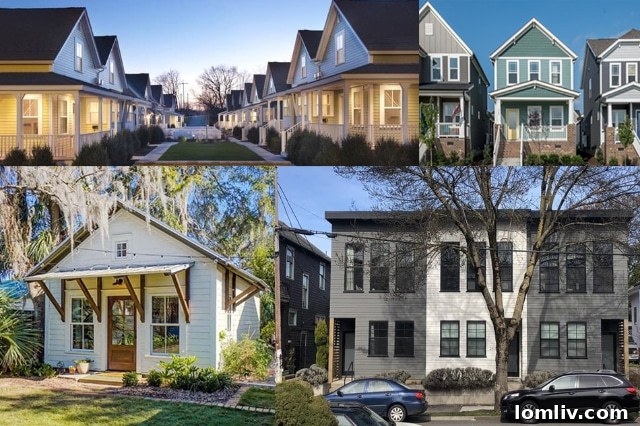
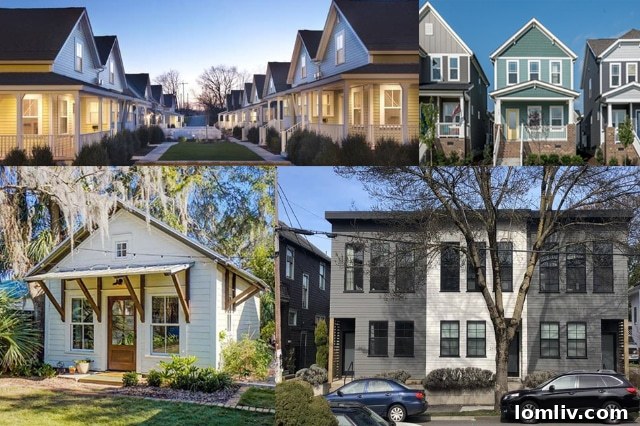
- Creation of a New Mixed Residential (MR) District: A significant innovation is the introduction of a new Mixed Residential (MR) District. This district is envisioned to foster the development of vibrant residential neighborhoods characterized by a diverse array of housing types. This could include townhomes, duplexes, cottage courts, and other medium-density options, moving beyond the traditional single-family or large multi-family paradigms. Critically, these districts would also permit limited commercial uses, such as small cafes, local shops, or community services, designed to provide residents with convenient places to congregate and access essential services within walking distance. However, traditional large-scale multi-family complexes would not be permitted in an MR residential district, ensuring a balanced approach to density and neighborhood scale. This promotes walkable communities and reduces reliance on vehicular travel for daily needs.
- Easing Residential Redevelopment in Older Areas: To revitalize and invest in Arlington’s long-established neighborhoods, the proposals include provisions to ease residential redevelopment in older areas of the city. Specifically, sites larger than 3 acres or entire block faces would be allowed to utilize the new MR standards by-right. This ‘by-right’ provision significantly simplifies the approval process for larger redevelopment projects, removing subjective hurdles and lengthy discretionary reviews. The aim is to incentivize investment in mature areas, promoting modern, diverse housing solutions that can breathe new life into existing communities, enhance property values, and improve overall neighborhood quality without extensive rezoning battles.
- Allowing Duplexes by Right within Single-Family Zoning Districts: A progressive step towards increasing housing options and affordability is the proposal to allow duplexes by-right within existing Single-Family Zoning Districts. This means that converting a single-family lot into a duplex would be a permitted use, provided it adheres to specific compatibility standards. These standards would likely address aspects such as lot size, setbacks, building height, design guidelines, and parking to ensure that duplexes seamlessly integrate into the existing neighborhood character. This initiative can gently increase housing density, provide more affordable homeownership or rental opportunities, and cater to diverse household sizes and incomes within established residential areas.
- Permitting Secondary Living Units (ADUs) in All Single-Family Zoning Districts: The proposals also advocate for permitting Secondary Living Units, often known as Accessory Dwelling Units (ADUs) or “granny flats,” in all Single-Family Zoning Districts. A key change here is the removal of the City’s existing requirement that the person occupying the secondary living unit must be related to someone from the primary residential home. This liberates ADUs to serve a broader purpose, from providing affordable rental options to housing caregivers or adult children, thereby addressing various housing needs. However, it is explicitly stated that these ADUs shall not be permitted as short-term rentals in areas where such rentals are not already allowed by the City’s Short-Term Rental Chapter, ensuring they serve as long-term housing solutions rather than tourist accommodations. This policy enhances housing flexibility, promotes multi-generational living, and makes more efficient use of existing residential land.
The Path Forward: Commission and Council Review
Following the public open house and the invaluable feedback gathered, these proposed standards will proceed through the city’s formal approval channels. They are scheduled to be presented to the Arlington Planning and Zoning Commission for a comprehensive review on April 6th. This commission plays a critical role in evaluating development proposals against the city’s master plan and zoning ordinances. Subsequently, the recommendations will be brought before the Arlington City Council for final consideration and approval on April 26th. This multi-stage process ensures thorough vetting and deliberation, culminating in policies that are robust, well-informed, and reflective of Arlington’s aspirations for a vibrant and sustainable future. Residents are encouraged to stay informed and engaged as these proposals move through the final stages of review, continuing to contribute to the progressive evolution of their city.