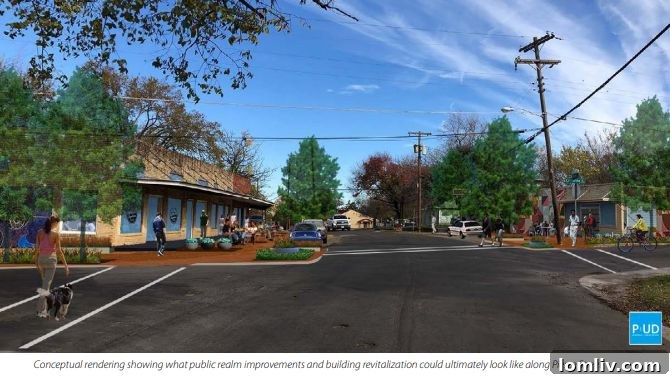
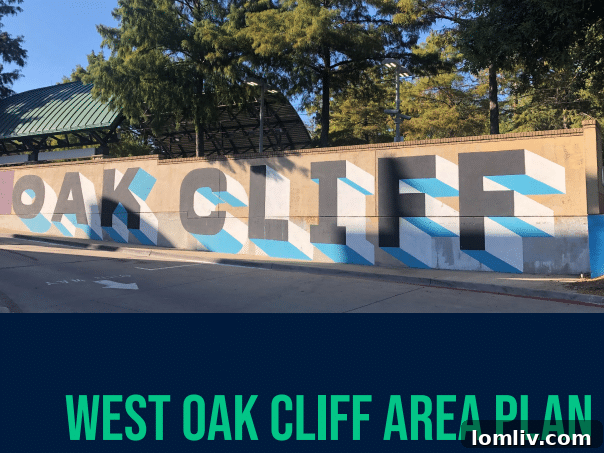
In a landmark decision signaling a pivotal shift in urban development philosophy, the Dallas City Council recently gave its resounding approval to the West Oak Cliff Area Plan (WOCAP). This comprehensive initiative is heralded by local advocates and community leaders as a transformative opportunity, poised to reclaim the narrative of future growth and development from the hands of external developers and place it firmly within the purview of the neighborhoods’ long-standing residents. The approval comes as West Oak Cliff grapples with escalating threats of gentrification and the subsequent displacement of its vibrant, diverse communities, making WOCAP a critical bulwark against these pervasive challenges and a blueprint for resident-led growth.
The journey to WOCAP’s approval has been championed tirelessly by key figures committed to preserving the unique character and spirit of West Oak Cliff. District 1 Plan Commissioner Amanda Popken and District 1 Councilman Chad West have been instrumental in driving this vision forward. They have consistently framed WOCAP not merely as a regulatory document but as a powerful mechanism designed to empower residents, ensuring they have a genuine and impactful voice in the preservation of their cultural heritage and the responsible, equitable development of their beloved neighborhoods. This plan represents a significant step towards localizing decision-making regarding urban changes.
The council’s vote, which followed a grueling nine-hour marathon meeting, saw ten members present around the horseshoe unanimously vote in favor of the plan, underscoring a collective recognition of the urgent need for such a protective measure. Although not all council members were present, the clear consensus among those who remained highlighted the broad support and the perceived necessity of WOCAP to safeguard West Oak Cliff’s future, providing a new model for how Dallas approaches community planning and protection against aggressive development.
Empowering West Oak Cliff: A Direct Response to Past Harms and Outdated Zoning
Councilman West articulated the profound rationale behind WOCAP, emphasizing that the district deserved not only empowerment but also robust protection from unchecked development. He drew a poignant parallel to the “painful teardown” of El Corazon del Tejas in 2017. This incident, where developers acquired the land and subsequently erected a CVS pharmacy, became a stark emblem of the unchecked urban expansion that WOCAP seeks to prevent. West lamented, “This beloved restaurant, a cornerstone of the community and owned by a prominent Latino family, was lost due to aggressive development and outdated zoning regulations dating back to the 1950s.” This loss was not just a commercial transaction; it was a deep cultural wound, highlighting how existing legal and planning frameworks failed to protect vital community assets and heritage.
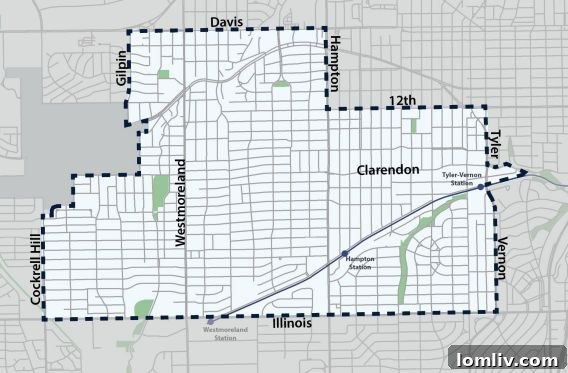
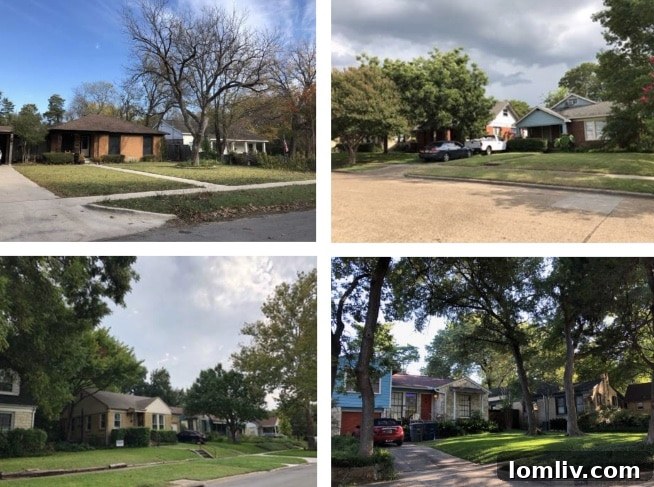
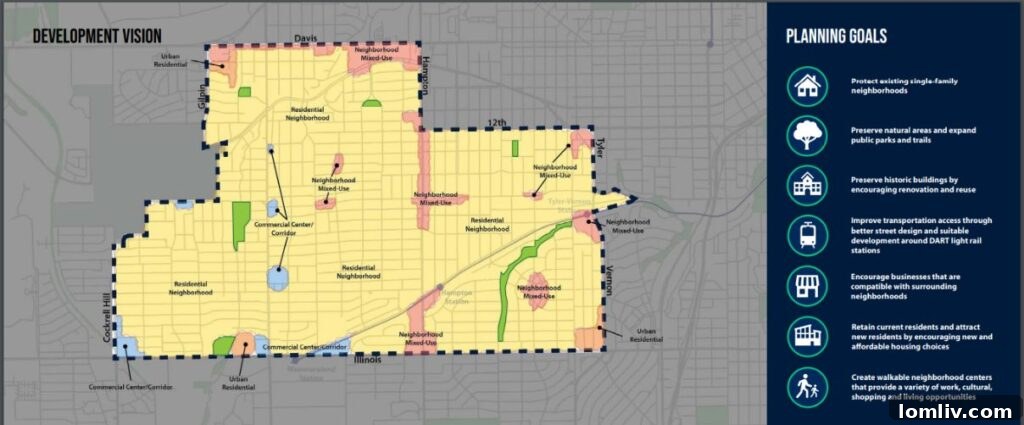
Residents within the WOCAP study area—an expansive region generally delineated by West Davis Street, Hampton Road, West 12th Street, Tyler Street, Vernon Avenue, Illinois Avenue on the south, and Cockrell Road and Gilpin Road on the west—have been vocal in their demands. For years, they have urgently called for greater protection against the demolition of at-risk buildings, which often hold significant historical and cultural value. Their collective voice has grown louder in opposition to zoning laws that permit the proliferation of intrusive multifamily developments and fast-food restaurants, often appearing incongruously and disruptively in the heart of established residential areas, eroding neighborhood character and increasing traffic congestion.
The development of WOCAP itself was a testament to the power of community mobilization. Over the two-plus years the plan was being formulated, neighbors demonstrated remarkable organizational prowess, with at least three communities successfully developing and registering their own neighborhood associations. This grassroots effort underscored a deep-seated desire among residents to actively participate in shaping their environment, moving beyond passive observation to active engagement. This collective action highlights the community’s resilience and determination to safeguard its future against forces that threaten its stability and identity.
Rectifying Historical Injustices Through Modern, Equitable Urban Planning
Councilman West critically contextualized the current developmental challenges within West Oak Cliff, tracing their roots back to a problematic era of urban planning in Dallas. He pointed to the “1950s and ‘60s-era zoning,” which was enacted during a period of significant, often destructive, urban transformation. This era saw the city dismantle its vital streetcar tracks, thereby reducing public transit options; the state carve through historically Brown and Black neighborhoods with major highways, creating physical and social barriers; and the insidious practice of redlining systematically disenfranchise minority communities by denying them access to loans and investment. These historical policies created a legacy of vulnerability that continues to threaten West Oak Cliff today, making it ripe for exploitation by aggressive development and increasing its susceptibility to gentrification.
“Neighbors demanded changes,” West asserted, highlighting the undeniable pressure from the community. “So, we filed authorized hearings to review and modify the zoning in these areas. That’s where the West Oak Cliff Area Plan comes in.” He explained that over the past two-and-a-half years, WOCAP has meticulously crafted a pathway for residents and small business owners to regain agency, allowing them a meaningful say in their neighborhood’s future development. This planning reform is not just about enacting new rules; it’s fundamentally about correcting historical wrongs, reversing decades of inequitable policies, and building a more just and equitable urban landscape. It represents a proactive stance against the forces that historically marginalized these communities, aiming to foster an environment where growth genuinely benefits existing residents, rather than displacing them and eroding their cultural fabric.
WOCAP’s Strategic Approach to Housing, Affordability, and Community Preservation
A primary concern for District 1 residents, and a central pillar of the West Oak Cliff Area Plan, is the critical issue of displacement. Councilman West acknowledged the dire situation: “The lack of home supply coupled with the rapid growth in the area is causing the rising home and rental prices.” This supply-demand imbalance, exacerbated by an influx of new residents, speculative investment, and a limited inventory of affordable housing, has put immense pressure on housing affordability, pushing long-time residents and legacy families out of their homes and neighborhoods.
WOCAP offers forward-thinking solutions designed to mitigate this displacement and foster sustainable, inclusive growth. The plan strategically recommends the implementation of various housing tools, such as neighborhood empowerment zones. These zones are designed to incentivize the development of affordable housing, support existing homeowners through grants and programs, and protect renters from egregious increases. Furthermore, WOCAP advocates for exploring new and diverse affordable housing options that respect the existing urban fabric while increasing density gently. This includes promoting the creation of accessory dwelling units (ADUs), which can add vital rental income opportunities for homeowners and provide smaller, more affordable housing options, alongside the development of duplexes and fourplexes. These housing types are crucial for “putting more rooftops in Oak Cliff” without resorting to large-scale, character-altering developments that often lead to displacement. The overarching goal is clear: “for us to find a way to build community without having to tear down and displace,” fostering an environment where growth is inclusive, supports diverse housing needs, and preserves the heart and soul of the community.
Community Voices: Critical Concerns and Enduring Hopes for WOCAP’s Impact
During the council meeting, seventeen speakers addressed the governing body, reflecting the broad interest and deep community engagement surrounding WOCAP. While the majority expressed favorable support for the plan, recognizing its potential to usher in a new era of resident-led development, a few voices raised crucial concerns. These concerns primarily revolved around the perceived lack of equity in certain aspects of the plan and the extent of community engagement, particularly with the area’s historically marginalized populations who often bear the brunt of urban changes.
Christine Hopkins, a dedicated resident and community advocate, voiced her support for the plan, provided specific amendments were incorporated. Her powerful plea highlighted the necessity of concrete action: “This plan alone is not going to prevent Oak Cliff from going the way of Little Mexico.” This poignant reference evokes the transformation of a historically vibrant Latino neighborhood in Dallas into a commercial district, losing its residential and cultural core and displacing its residents. Hopkins underscored the critical need for “actual dollars and actual anti-displacement tools” to be invested directly into the community. She further revealed the significant effort undertaken by the West Oak Cliff Coalition, which she actively worked with for over two-and-a-half years, to provide essential bilingual and bicultural outreach. This outreach filled a crucial gap, as the city often lacked the necessary resources to effectively engage with the plan’s intended beneficiaries, particularly the over 38,000 Hispanic residents poised to be impacted.

Hopkins also clarified that the WOCAP amendments, introduced by Popken during a Sept. 15 Plan Commission meeting, were not a result of misinformation circulating within the neighborhood. Instead, they stemmed from a clear-eyed understanding by residents of the economic realities impacting their lives. She powerfully asserted, “Oak Cliff’s legacy residents are more than capable of seeing the unaffordable price tags on newly constructed ‘luxury’ missing middle housing units, townhomes, and apartments going up all around District 1.” Hopkins concluded by affirming the capacity of working-class and Latino residents to discern which planning changes would genuinely help them versus those that would inadvertently cause harm, stressing the importance of local knowledge and experience.
Carina Arellano, a legacy resident whose family has called West Oak Cliff home for six decades, offered a deeply personal perspective on the drastic transformations she has witnessed. “Many of these changes have displaced residents and will continue to displace them with the overdevelopment,” she stated, highlighting the relentless pressure on long-standing communities. Arellano painted a vivid picture of the multifaceted challenges residents face: increasing city code violations, escalating property taxes that become unsustainable for fixed-income households, and rapidly rising rents that push families out. Her passionate appeal to the City of Dallas urged continued encouragement for council members to foster deeper, sustained connections with their community members and stakeholders. The objective, she stressed, is to collaboratively build “a sustainable community that focuses on environmental, social, and economic development for our district,” ensuring a holistic and equitable future that truly serves all residents.
Councilman West, addressing the concerns about engagement, acknowledged that while the process was not “perfect,” the level of community involvement was exceptionally high and critically important. He proudly noted that staff hosted “dozens of bilingual in-person and virtual meetings, surveys, and pop-up events to collect ideas.” Furthermore, he highlighted a compelling statistic: “In fact, more people came to the WOCAP web page and filled out WOCAP surveys than they did for the city-wide Racial Equity Plan.” West clarified that this comparison was not meant “to disparage the efforts of the Racial Equity Plan,” but rather “simply to highlight just how important WOCAP is to our community.” This robust engagement underscores the community’s deep investment in WOCAP’s success and its potential to serve as a model for resident-driven urban planning, setting a new standard for local involvement in Dallas.
The Path Forward: Sustaining West Oak Cliff’s Future Through WOCAP
The approval of the West Oak Cliff Area Plan marks a significant victory for community empowerment and a progressive step in Dallas’s approach to urban development. It represents a collective commitment to address historical inequities, curb rampant gentrification, and foster sustainable growth that genuinely benefits existing residents. WOCAP’s framework, with its focus on thoughtful housing solutions, protective zoning, and genuine community participation, offers a blueprint for how neighborhoods can proactively shape their destiny, rather than being shaped by external forces. This plan is more than just a document; it’s a promise to West Oak Cliff.
However, the plan’s approval is not the culmination, but rather the beginning of a sustained effort. Its success will hinge on ongoing vigilance from residents, continued political will from city leaders, and the allocation of tangible resources, including “actual dollars and anti-displacement tools” as advocated by community members. The insightful perspectives shared by Christine Hopkins and Carina Arellano underscore that while policy changes are vital, they must be complemented by financial support and a steadfast commitment to equitable implementation. The challenge now lies in translating the aspirations of WOCAP into concrete outcomes, ensuring that West Oak Cliff remains a vibrant, affordable, and culturally rich home for generations to come. The West Oak Cliff Area Plan stands as a testament to what can be achieved when a community rises to define its own future, turning the tide against historical injustices and forging a path toward inclusive prosperity for all its inhabitants.