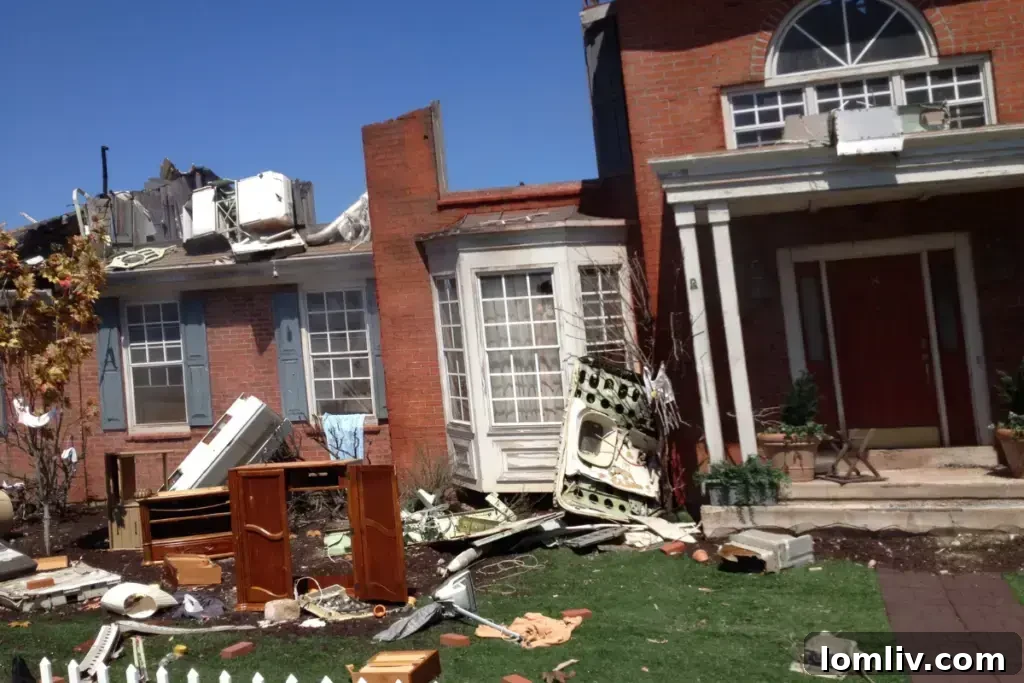
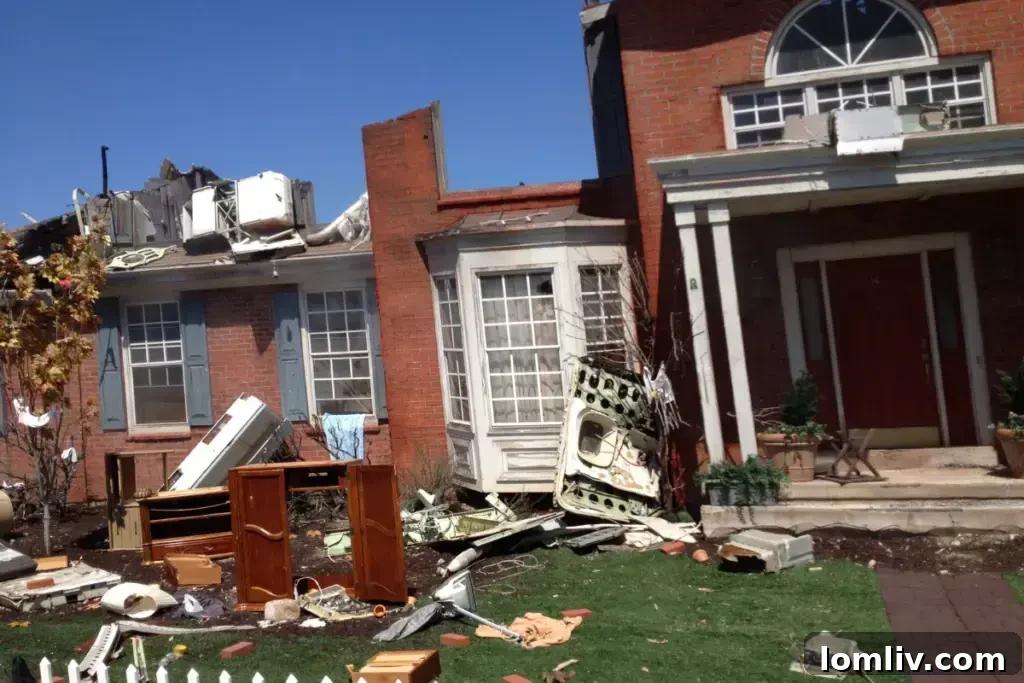
The United States, with its diverse geography and vast landscapes, is no stranger to the devastating power of natural disasters. From the tremors of earthquakes to the fury of hurricanes and the relentless deluge of floods, these events have historically left an indelible mark on communities, claiming countless lives, obliterating homes, and causing economic damage on an unimaginable scale. Preparing for such catastrophes is not merely a recommendation; it is an absolute necessity for every individual and community residing in vulnerable regions. Understanding the severe impact of past events can help inform future preparedness strategies, strengthen infrastructure, and foster resilience. Moreover, navigating the complex aftermath of a disaster often requires expert guidance, highlighting the crucial role of experienced disaster recovery attorneys who can assist victims in securing their rightful compensation and rebuilding their lives.
While the full spectrum of natural disasters affecting the U.S. is vast, certain events stand out due to their sheer destructive force, the tragic loss of life, and the profound, long-lasting consequences they imposed. These incidents serve as somber reminders of nature’s raw power and the critical importance of robust emergency planning, community support, and effective recovery frameworks. Below, we delve into five of the most catastrophic natural disasters to have impacted the nation, examining their specifics, the damage they inflicted, and the crucial lessons they imparted.
The Northridge Earthquake (1994): A Seismic Shockwave in California
The Northridge earthquake, which jolted the San Fernando Valley region of Los Angeles, California, on January 17, 1994, was a moment magnitude 6.7 earthquake that struck with terrifying force at 4:31 AM local time. Though relatively brief, its shallow depth and urban epicenter meant its impact was profoundly destructive. The earthquake extensively damaged not only Northridge but also surrounding communities, causing widespread structural failures, particularly in older buildings and critical infrastructure like freeways and bridges. Major transportation arteries, including sections of the Santa Monica Freeway, a vital commuter route, collapsed or were severely compromised, paralyzing traffic and impeding emergency response efforts in the immediate aftermath.
The human toll was significant, with official figures reporting 57 fatalities, though some estimates suggest a higher number due to indirect causes. Over 9,000 individuals sustained injuries, many of them serious. The economic repercussions were staggering, with total estimated losses reaching approximately $44 billion. This made it one of the costliest natural disasters in U.S. history at the time. More than 50,000 homes and apartment units were rendered uninhabitable, leaving tens of thousands displaced. Businesses suffered immense damage, leading to significant job losses and a severe disruption to the regional economy.
Beyond the immediate devastation, the Northridge earthquake served as a crucial turning point for seismic safety in California and across the nation. It exposed critical vulnerabilities in building codes and construction practices, particularly concerning steel-frame buildings and non-ductile concrete structures. In its wake, California implemented more stringent building codes, enhanced seismic retrofitting programs for existing infrastructure, and improved emergency preparedness protocols. The event underscored the relentless geological activity of the region and reinforced the ongoing necessity for communities to adapt and build resilience against future seismic threats.
Hurricane Katrina (2005): A Catastrophe of Unprecedented Scale on the Gulf Coast
Few natural disasters are etched into the American psyche as deeply as Hurricane Katrina, which made landfall near New Orleans, Louisiana, on August 29, 2005. What began as a powerful Category 3 hurricane quickly escalated into a human-made catastrophe when the city’s aging and inadequately maintained levee system failed in multiple locations. The breaches led to catastrophic flooding, submerging approximately 80% of New Orleans under up to 15 feet of water, trapping residents in their homes, and creating a desperate humanitarian crisis.
The scale of the devastation extended far beyond New Orleans, impacting vast stretches of the Gulf Coast, including Mississippi, Alabama, and Florida. Coastal communities in Mississippi, such as Biloxi and Gulfport, were virtually wiped off the map by a monstrous storm surge, experiencing destruction on a scale rarely witnessed in modern history. The storm’s total economic cost is estimated to be around $161 billion, solidifying its place as the costliest natural disaster in U.S. history. This figure encompasses property damage, business interruption, infrastructure repair, and long-term recovery efforts.
The human toll was equally tragic. More than 1,800 people lost their lives, many due to drowning or lack of immediate assistance. Hundreds of thousands were displaced, forcing massive relocations and scattering families across the country. The response to Katrina, particularly in its initial stages, revealed profound systemic failures in emergency management, coordination among government agencies, and communication with the affected populace. The long and arduous recovery process lasted for years, prompting significant introspection and reforms in disaster preparedness and response strategies at all levels of government. Katrina remains a stark reminder of the devastating consequences when natural phenomena collide with vulnerable infrastructure and insufficient emergency planning.
Hurricane Sandy (2012): The Superstorm that Rocked the Northeast
In late October 2012, the northeastern United States braced for what would become known as Hurricane Sandy, or Superstorm Sandy, an unprecedented meteorological event. While it transitioned into a post-tropical cyclone before making landfall near Atlantic City, New Jersey, its sheer size and unique trajectory generated immense and widespread destruction. The storm brought powerful winds, torrential rain, and an exceptionally dangerous storm surge that wreaked havoc across multiple states, most notably New York and New Jersey.
The storm surge was particularly devastating for coastal areas, pushing record-breaking volumes of water into urban centers. In New York City, subway tunnels, critical infrastructure, and countless homes were inundated, causing extensive damage and prolonged power outages. Millions across the affected region lost electricity, some for weeks, leading to severe disruptions in daily life, critical services, and access to basic necessities like heat and fresh water, particularly during the onset of colder weather. Transportation systems, both above ground (buses, trains) and below (subways), were severely crippled, paralyzing commuting and commerce. Roads were impassable, bridges damaged, and coastal communities faced unprecedented erosion and structural collapse.
With an approximate cost of $70 billion, Hurricane Sandy ranks among America’s costliest hurricanes, highlighting the immense economic impact of such widespread damage to highly populated and economically vital regions. The storm sparked significant discussions about climate change, coastal resilience, and the need for upgraded infrastructure capable of withstanding more intense and frequent extreme weather events. Recovery efforts were substantial, involving federal aid, local initiatives, and community support, and they continue to influence urban planning and disaster mitigation strategies in vulnerable coastal areas today.
Hurricane Harvey (2017): Texas Under Unprecedented Water
Hurricane Harvey, which made landfall in Texas in August 2017, distinguished itself not just by its powerful winds but by the unprecedented and catastrophic rainfall it unleashed. After striking the Texas coast as a Category 4 hurricane, Harvey stalled over southeastern Texas for several days, drawing immense moisture from the Gulf of Mexico and dumping record-breaking amounts of rain. Some areas in Houston and its surrounding regions received more than 60 inches of precipitation, an astonishing figure that broke all previous U.S. tropical cyclone rainfall records.
This relentless deluge triggered widespread and severe flooding that submerged vast portions of Houston, America’s fourth-largest city, and numerous other communities across Southeast Texas. Homes, businesses, and critical infrastructure were inundated, rendering countless properties uninhabitable and disrupting nearly every aspect of daily life. The floodwaters lingered for days, causing structural damage to buildings, roads, bridges, and utilities. Beyond the direct flood damage, the storm led to environmental concerns, including chemical plant explosions and spills, further complicating recovery efforts and posing risks to public health.
The economic impact of Hurricane Harvey was monumental. The overall economic cost soared to about $125 billion, making it one of the costliest hurricanes in U.S. history. This figure accounts for uninsured losses, infrastructure damage, and long-term economic disruption. Tragically, nearly 130 individuals lost their lives due to the hurricane and its aftermath, many from drowning. The disaster highlighted the vulnerabilities of urban areas to extreme rainfall events and spurred renewed focus on flood control measures, urban planning, and the limitations of existing drainage systems in a changing climate. The spirit of community and resilience, however, shone through, with countless volunteers and first responders aiding in rescue and recovery operations.
Hurricane Ian (2022): Florida’s Latest Devastating Challenge
In September 2022, Hurricane Ian struck Florida as a powerful Category 4 hurricane, unleashing devastating winds, torrential rains, and a catastrophic storm surge that left widespread destruction in its wake. Making landfall in Cayo Costa, Florida, with sustained winds of 155 mph, just shy of Category 5 strength, Ian brought immense damage to the state’s southwestern coast, particularly in areas like Fort Myers, Cape Coral, and barrier islands such as Sanibel and Captiva.
The storm surge, reaching heights of 10 to 15 feet in some locations, inundated coastal communities, sweeping away homes, businesses, and infrastructure. Entire neighborhoods were submerged, and the intense winds caused widespread structural failures and power outages that affected millions. The causeway connecting Sanibel Island to the mainland was severely damaged in multiple sections, isolating residents and complicating rescue efforts. Beyond the immediate coastal impact, heavy rainfall led to significant inland flooding, compounding the misery for communities already grappling with wind and surge damage.
Hurricane Ian is estimated to have caused economic losses of approximately $112 billion to $113 billion, cementing its place as one of the costliest natural disasters in U.S. history and the costliest hurricane in Florida’s history. This staggering figure reflects not only property damage but also business interruption, agricultural losses, and the immense costs associated with emergency response and long-term rebuilding. Tragically, over 150 fatalities were directly or indirectly attributed to Ian, making it Florida’s deadliest hurricane since 1935. The recovery in affected areas, particularly those devastated by storm surge and structural damage, has been arduous and continues to this day, raising critical questions about resilient construction, flood insurance, and adaptation strategies in the face of increasingly powerful storms.
Lessons Learned and the Path Toward Resilience
The catastrophic events described above, spanning nearly three decades, serve as powerful and recurring reminders of the vulnerability of human settlements to the forces of nature. Each disaster, while unique in its characteristics and immediate impact, has offered invaluable, albeit often painful, lessons. These lessons underscore common themes: the critical importance of robust infrastructure, the need for comprehensive and coordinated emergency response systems, the vital role of accurate forecasting and timely evacuation, and the undeniable influence of climate change on the frequency and intensity of extreme weather events.
From the Northridge earthquake’s impetus for stricter building codes to Katrina’s exposure of systemic governmental failures, Sandy’s revelation of urban coastal vulnerabilities, and Harvey’s and Ian’s demonstrations of extreme rainfall and storm surge potential, the U.S. has slowly but surely begun to adapt. Investments in resilient infrastructure, improved early warning systems, and enhanced public awareness campaigns are becoming more commonplace. Communities are increasingly adopting forward-thinking urban planning strategies that account for rising sea levels, increased flood risks, and seismic activity. However, the scale of the challenge remains immense, particularly as climate change continues to exacerbate many of these natural hazards.
Building a More Prepared Future
In conclusion, while we cannot prevent natural disasters from occurring, we can significantly mitigate their impact through proactive preparation and thoughtful adaptation. This involves a multi-faceted approach: individuals must have personal emergency plans, communities need strong, enforceable building codes and effective evacuation routes, and governmental bodies must invest in resilient infrastructure and well-drilled emergency response protocols. Furthermore, a collective commitment to understanding and addressing the broader implications of climate change is paramount.
The stories of Northridge, Katrina, Sandy, Harvey, and Ian are not just tales of destruction; they are also narratives of human resilience, community spirit, and the enduring quest to learn and rebuild stronger. Fully informed about the mechanisms of these powerful forces and equipped with the knowledge to prepare, respond, and recover, the United States can strive to protect its citizens and properties more effectively as environmental patterns continue to shift across the nation. By honoring the lessons of the past, we forge a path toward a safer, more prepared, and ultimately more resilient future.