The Future of Fair Park: Navigating Dallas’s Iconic Landmark Towards a Vibrant Tomorrow
Fair Park, a monumental symbol of Dallas’s history, culture, and potential, stands at a critical juncture. A pivotal decision regarding its long-term management is imminent, sparking intense debate and galvanizing community engagement across the city. As discussions unfold, the fate of this iconic landmark and its potential to revitalize surrounding communities hang in the balance. This comprehensive overview delves into the proposed management contract, the voices of the community, the profound historical backdrop, and the broader implications for Dallas’s urban landscape and its future.
A Critical Juncture: The Urgency of Fair Park’s Management Decision
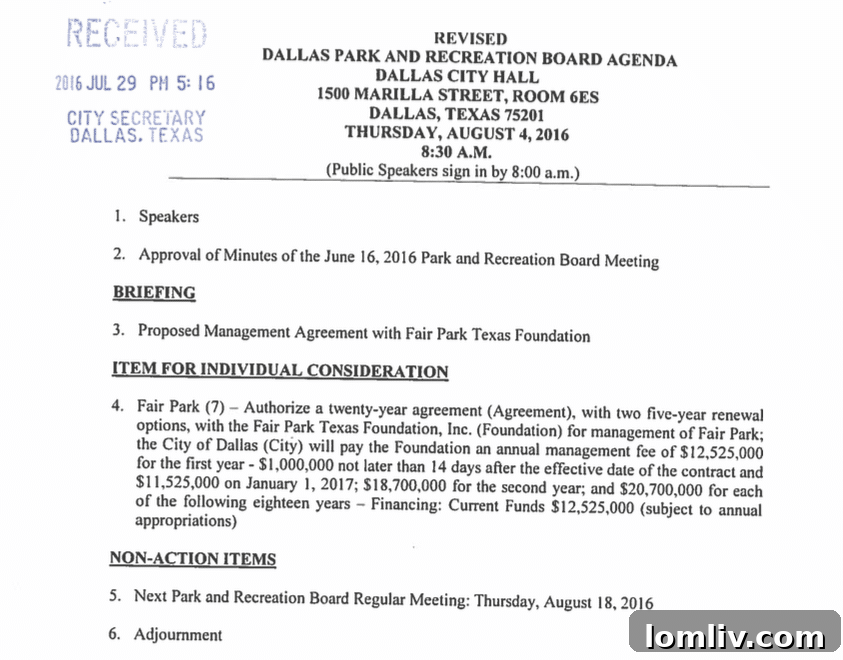
The City of Dallas Park Board is poised to vote on a significant 20-year management contract for Fair Park. Scheduled for a crucial 8:30 a.m. meeting on August 4th, this decision could fundamentally reshape the trajectory of one of Dallas’s most treasured public assets. Community members, stakeholders, and civic leaders are strongly encouraged to engage with this process, underscoring the vital importance of understanding every intricate detail of the proposed agreement.
This discussion transcends a mere contract; it concerns the stewardship of a national historic landmark, a significant economic engine, and an invaluable community resource. The urgency of the situation is heightened by the tight timeline: for the management contract to be enacted for the upcoming fiscal year, it requires approval by the City Council before the annual budget is finalized in September. With Park Board meetings typically held once a month and City Council meetings twice a month, the swift pace of these proceedings leaves limited opportunity for comprehensive public discourse and thorough deliberation. This expedited schedule has raised concerns about transparency and the ability for all voices to be heard.
The Proposed Management Contract: Walt Humann’s Vision and Lingering Concerns
At the core of the current debate is a proposal put forth by Walt Humann, advocating for a private entity, the Fair Park Texas Foundation, to assume management responsibilities under a substantial 20-year, $12 million contract. This approach is championed by some as a pathway to greater operational efficiency, dedicated oversight, and a renewed focus on the park’s potential. However, it has simultaneously ignited significant apprehension regarding transparency, adherence to due process, and ultimately, public accountability.
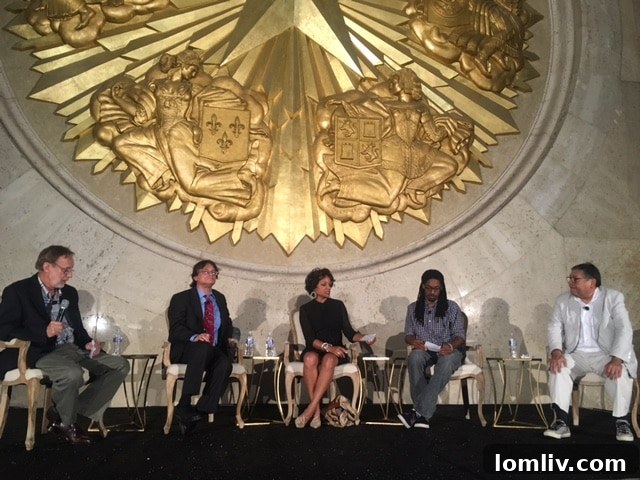
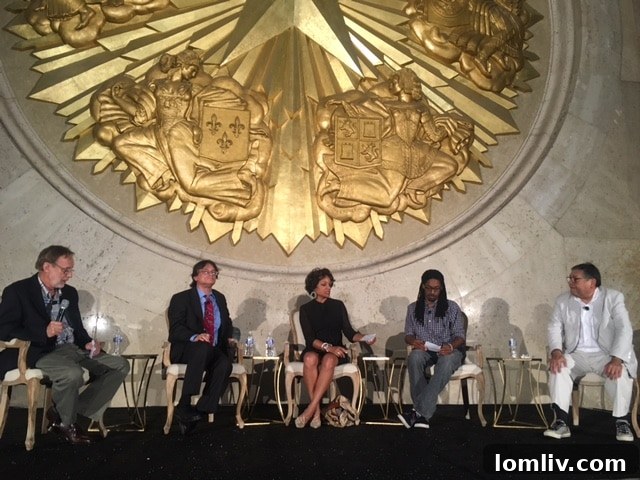
A recent panel discussion held at the historic Hall of State, attracting approximately 300 attendees, vividly underscored the profound depth of community interest and concern. This gathering, remarkably organized in just under a week, served as a direct and immediate response to a contentious special work session of the Park Board on July 21st. During that session, several board members reportedly walked out in protest, objecting to a truncated agenda that prevented a comprehensive and much-needed discussion of the proposed management contract. Despite Mayor Mike Rawlings’ last-minute press conference urging support for the private management approach and highlighting two years of discussions with Humann, the community meeting proceeded, signaling an undeniable desire for more profound and inclusive engagement than what had been officially offered.
Questions of Due Process and Transparency in Governance
One of the most persistent and vocal criticisms leveled against the current approval process is the perceived lack of adherence to standard city procurement procedures. For an expenditure and decision of this magnitude and public importance, many stakeholders and civic watchdogs argue vehemently that a global search for expert park managers, ideally alongside specialists deeply familiar with Dallas and specifically the South Dallas community, should have been rigorously conducted. The proposal for the Fair Park Texas Foundation, with Walt Humann volunteering to serve as CEO for up to three years without pay until a permanent hire is made, raises legitimate questions about the thoroughness and fairness of the selection process. It prompts critical inquiry into whether the city has truly explored all potential avenues for securing best-in-class management for such a vital public asset.
Attendees at the community meeting expressed numerous and varied concerns about the specific details and implications of the contract. It was apparent that few had been able to thoroughly review the complete 70-plus-page agreement. Earlier drafts, such as the June 21st Proposed DRAFT Management Agreement with Fair Park Texas Foundation and its accompanying Bylaws, revealed what many perceived as “questionable holes” and ambiguities. This highlights a critical and urgent need for more time, meticulous examination, and careful consideration of the final plan before any approval is granted. Such deliberation is essential to ensure that all stakeholders, including the public, fully comprehend the far-reaching implications and potential long-term consequences of this monumental decision.
Community Outcry and the Call for Genuine Conversation
The Monday night community meeting, despite the challenging acoustics of the Hall of State’s main atrium, evolved into a genuine, albeit impromptu, dialogue between civic and thought leaders and deeply concerned citizens. Panelists fielded shouted questions from the audience, providing a vital platform for direct engagement that many felt had been conspicuously absent from official channels. This dynamic and unscripted exchange illuminated a widespread and profound yearning for more such conversations – open, honest, and truly inclusive discussions about the future of Fair Park and its integral role in the fabric of Dallas.
A Persistent Pattern of “Behind Closed Doors” Governance
Panelist Michael Phillips, the respected author of White Metropolis, characterized the existing process as emblematic of “the way Dallas has traditionally worked: behind closed doors.” This deeply ingrained sentiment was powerfully echoed by Marcos Ronquillo, who starkly described the management plan as a “pitch and catch” deal, strongly suggesting a pre-determined outcome rather than a robust, competitive, and transparent public evaluation process. Such widespread perceptions erode invaluable public trust and unequivocally underscore the pressing need for greater transparency, balanced decision-making, and genuine public participation in matters of significant public interest and civic importance.
Beyond the immediate concerns surrounding the contract, the extensive discussions at the community meeting brought to light a broader and more diverse range of ideas for Fair Park’s future. These ideas spanned from radical proposals, such as tearing down existing buildings and constructing massive parking structures, to more measured and strategic suggestions, including potentially shrinking the State Fair’s footprint to create more public park space. These diverse and sometimes contrasting perspectives emphatically underscore a fundamental truth: the city must first establish a clear, collective, and publicly vetted vision for Fair Park before committing to any long-term management strategy. Without a shared vision, any management plan risks becoming a rudderless endeavor.
Historical Context: Race, Neglect, and Fair Park’s Enduring Legacy
The contemporary debate over Fair Park is inextricably linked to Dallas’s complex and often challenging history, particularly concerning race relations and urban development. The history of race politics surrounding Fair Park, as powerfully articulated by Reverend Peter Johnson in his impactful 20-minute introduction at the Monday evening community meeting, is nothing short of “abysmal.” He passionately urged attendees to understand that the multifaceted challenges facing Fair Park are not superficial but deep-rooted and systemic, extending far beyond the scope or capacity of any single management plan to fully resolve.
Decades of Decline and the Neglect of South Dallas
Jim Schutze’s seminal work, The Accommodation: The Politics of Race in an American City, provides indispensable critical context, meticulously detailing how historical urban planning decisions and civic policies have systematically marginalized communities like South Dallas. Fair Park, an “incredible asset” strategically situated in the heart of South Dallas, has for many decades regrettably failed to contribute meaningfully to creating a vibrant and thriving surrounding community. This profound failure is not merely an oversight but a glaring symptom of broader systemic neglect, encompassing inadequate basic city services—such as sidewalks, streetlights, stormwater management, code compliance, and equitable police protection—in vast portions of the city following the phenomenon of “white flight.” Councilman Philip Kingston has consistently and vocally highlighted these chronic deficiencies, passionately arguing for equitable investment across all Dallas neighborhoods.
The challenges confronting Fair Park serve as a poignant microcosm for larger, systemic issues facing Dallas as a whole: how to effectively retain middle-class families, foster quality neighborhoods with strong educational institutions, and ensure that vital quality-of-life assets genuinely benefit all residents. The manner in which Dallas chooses to address the Fair Park situation will profoundly reflect its true commitment to confronting decades of historical neglect and actively working towards a more equitable, inclusive, and prosperous future for all its diverse communities. This crucial moment is not about retribution for past wrongs, but rather a collective recognition that significant, transformative change is urgently needed to rectify long-standing imbalances and build a truly unified city.
Beyond the Contract: Envisioning a Revitalized Fair Park for All
While the immediate and pressing focus remains on the management contract, the deeper, more fundamental conversation must pivot towards establishing a shared and inspiring vision for what Fair Park can and should authentically become. It is simply not enough to merely manage the park; the overarching goal should be to transform it into a dynamic catalyst for profound positive change in South Dallas and an undeniable source of immense civic pride for the entire city. Achieving this grand vision necessitates a holistic and integrated approach that seamlessly weaves together thoughtful urban planning, robust community development, sustainable economic revitalization, and dedicated historic preservation.
Defining a Shared Future Through Collaborative Visioning
Imagine Fair Park as a truly accessible, integrated, and vibrant cultural hub, offering diverse year-round programming that genuinely serves both local residents and a broader spectrum of visitors. Picture meticulously improved infrastructure, expansive and inviting green spaces, and innovative green initiatives that significantly enhance the park’s ecological footprint and sustainability. Envision a Fair Park that actively fosters the growth of local businesses, creates meaningful employment opportunities for South Dallas residents, and evolves into an invaluable educational resource for people of all ages and backgrounds. Achieving this comprehensive vision demands an inherently collaborative process, one that involves rigorous master planning, extensive and authentic community input, and an unwavering commitment to sustainable, equitable growth.
The proposed management agreement, should it receive approval, should ideally serve as a foundational “skeleton agreement” upon which a more detailed, inclusive, and forward-looking vision can be meticulously built. This implies that the contract must not inadvertently preclude future discussions or unduly limit the scope for innovative and responsive approaches to Fair Park’s ongoing development. Instead, it should thoughtfully lay the groundwork for a transparent, accountable, and mutually beneficial partnership utterly dedicated to realizing the park’s full, transformative potential for generations to come.
Call to Action: Ensuring Transparent Governance and a Brighter Future
The decisions made today regarding the management and future of Fair Park will undoubtedly have profound and lasting consequences for generations of Dallasites. It is absolutely imperative that civic leaders and citizens alike approach this pivotal moment with the utmost diligence, foresight, and an unwavering commitment to democratic principles and inclusive governance.
For all those deeply invested in Fair Park’s future, the call to action remains clear and urgent: review the extensive 70-plus-page management agreement thoroughly and critically. Actively engage with your elected officials and appointed Park Board members. Make your voice heard at public meetings. Sign up to speak before the designated cutoff time for Thursday’s crucial meeting. Understand that a truly well-considered and impactful decision requires extensive public input and transparent deliberation, not rushed votes conducted behind closed doors.
The path forward for Fair Park is undeniably complex, fraught with historical baggage, intricate political dynamics, and significant social implications. However, by courageously embracing open dialogue, steadfastly demanding accountability, and working genuinely collaboratively, Dallas has an unparalleled opportunity to transform this formidable challenge into a resounding triumph – creating a Fair Park that truly reflects the aspirations, serves the diverse needs, and champions the equitable future of all its vibrant communities.
View the Full Park Board Agenda and Walt Humann Proposal
For comprehensive details on the upcoming meeting, including the unabridged version of Walt Humann’s proposal for managing Fair Park, please consult the official agenda document embedded below.
City of Dallas Parks and Recreation Board Agenda by
Joanna England on Scribd