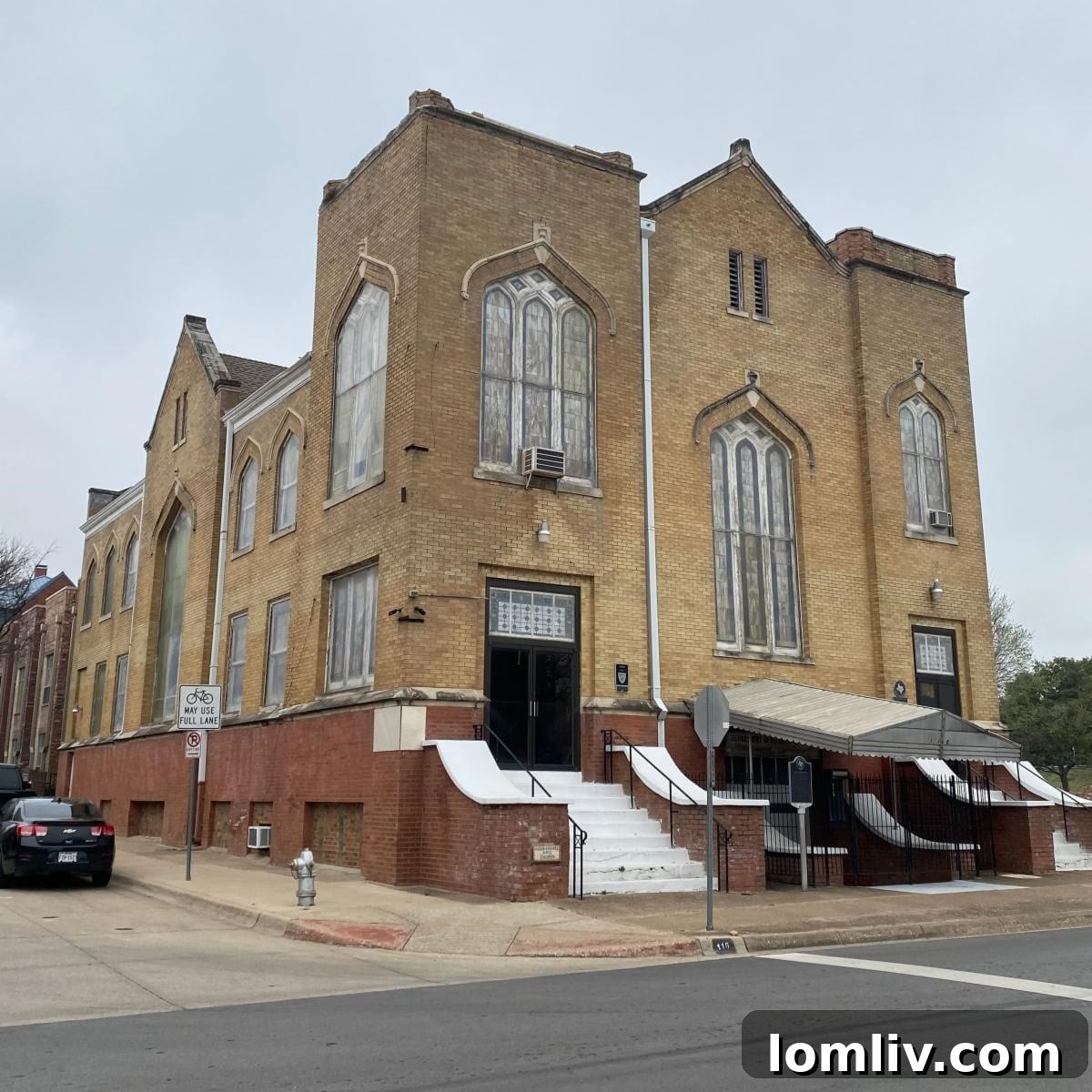
Allen Chapel AME Church: A Beacon of History and Resilience in Fort Worth
Nestled in the heart of Fort Worth, Texas, Allen Chapel African Methodist Episcopal (AME) Church stands not merely as a building, but as a living testament to faith, resilience, and the rich tapestry of African American history. Often referred to as “the oldest African American church in Texas,” as highlighted by Jerre Tracy, executive director at Historic Fort Worth Inc., its continued discovery and appreciation are vital for understanding the foundational stories of the region. “It would be so nice if it would continue to be discovered,” Tracy emphasizes, underscoring the enduring significance of this architectural and cultural gem.
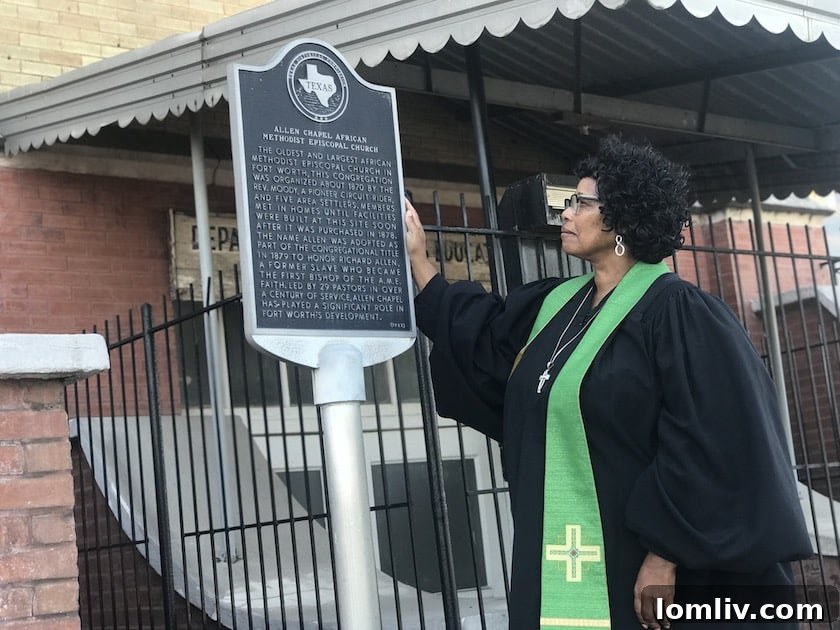
The journey of Allen Chapel is one steeped in profound historical importance. Its construction in 1914 marked a pivotal moment, providing a dedicated space for worship and community gathering for African Americans in a segregated era. Its historical value has been formally recognized through multiple prestigious designations: in 1983, it was honored as a Recorded Texas Historic Landmark, acknowledging its unique place within the state’s heritage. A year later, in 1984, its national significance was affirmed with its listing on the National Register of Historic Places, placing it among the most cherished historical sites across the United States. Beyond these official titles, Allen Chapel has captured the public imagination, becoming the subject of a compelling PBS documentary segment and garnering sponsorship from esteemed organizations like the Texas Society of Architects, further solidifying its prominent standing in both architectural and historical discourse.
The Visionary Architect: William Sidney Pittman’s Enduring Legacy
Central to Allen Chapel’s unique identity is its masterful design, conceived by none other than William Sidney Pittman, a trailblazing figure who holds the distinction of being the first African-American architect to practice in Texas. Pittman’s architectural signature, the elegant Tudor Gothic Revival style, lends the church a distinctive grandeur and timeless appeal, reflecting the aspirations and dignity of its congregation. This style, characterized by its pointed arches, stained-glass windows, and intricate brickwork, speaks volumes about the meticulous craftsmanship and the desire to create a sanctuary of profound beauty and spiritual resonance.

Pittman’s contributions to American architecture extend far beyond Allen Chapel. His impressive portfolio includes the iconic historic Knights of Pythias Temple in Dallas’ Deep Ellum, another landmark that stands as a testament to his genius and his commitment to creating spaces of significance for the African American community. His educational background was equally distinguished, having honed his skills at prestigious institutions such as the Tuskegee Institute, founded by the eminent Booker T. Washington, and the Drexel Institute. His personal life was also intertwined with history; he married Portia Washington, the accomplished daughter of Booker T. Washington, further cementing his place within the influential African American leadership of his era. Though a native of Alabama, Pittman chose Dallas as the place to raise his family, leaving an indelible mark on Texas’ architectural landscape.
Pittman’s versatility as an architect was remarkable. While he designed numerous churches across the Southern United States, his commissions also spanned a diverse range of public and civic buildings, including schools, a town hall, and various community centers. This breadth of work solidified his reputation as a high-profile architect during a period when opportunities for African American professionals were severely limited. He broke barriers by becoming the first African-American architect to be awarded a government contract, a significant achievement that paved the way for future generations. Perhaps one of his most unique and profound contributions was his design of the Colored Carnegie Library in Houston, the sole library dedicated to serving the Black community in that city at the time. This project makes him the only Black architect known to have designed one of the more than 2,500 libraries funded by the philanthropist Andrew Carnegie, highlighting his singular impact on access to knowledge and community development for African Americans.
A Foundation Built on Faith: The AME Legacy and Richard Allen
The very name “Allen Chapel” carries profound historical weight, honoring Richard Allen, a figure of immense importance in American history. Allen, a former slave, rose to become a revered bishop and was instrumental in the establishment of the African Methodist Episcopal (AME) Church. The AME denomination was founded in 1787 in Philadelphia, born out of a desire for religious freedom and self-determination for African Americans who faced discrimination and segregation within predominantly white Methodist congregations. It quickly grew into a powerful spiritual and social force, advocating for civil rights and offering education, economic support, and a sense of community to its members.
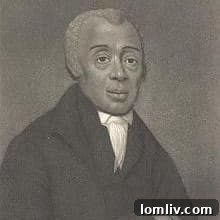
The congregation that would eventually call Allen Chapel home was established in Fort Worth as early as 1870, reflecting the post-Civil War growth of African American communities and their need for independent religious institutions. However, it was on July 22, 1914, that the grand Allen Chapel building, as we know it today, was formally dedicated, with the esteemed Rev. R.S. Jenkins serving as its inaugural leader. The construction of this magnificent church came with a significant price tag for its time: $20,000. This substantial investment demonstrates the deep commitment and collective effort of the community to establish a place of worship, education, and social gathering that would serve generations.
Preserving a Fort Worth Icon: Challenges and the Path Forward
Despite its storied past and vital role, Allen Chapel, like many historic structures, faces contemporary challenges. The church, which remains an active and vibrant center of faith today, suffered a setback when its bell tower was struck by lightning. While the core structure remained, the bell tower, an iconic feature of its Gothic Revival design, had to be removed and has not yet been replaced. This visible absence serves as a poignant reminder of the ongoing need for preservation and restoration.
Recognizing its vulnerability and critical importance, Historic Fort Worth Inc. took decisive action by placing Allen Chapel on its highly publicized 2023 list of Most Endangered Places. This designation is not merely an acknowledgment of decay but a strategic call to action, drawing attention to the church’s plight and mobilizing resources for its protection. The good news is that Allen Chapel’s established status as both a state and national landmark makes it a strong candidate for vital financial assistance, particularly through the Texas Historic Preservation Tax Credit Program. This program offers significant incentives for rehabilitation projects that adhere to preservation standards, providing a crucial pathway for funding the much-needed restoration efforts.
The community’s passion for Allen Chapel’s future is palpable. Suzy Coleman, special events coordinator for Historic Fort Worth, encapsulates this sentiment, stating, “It’s a sweet chapel, and it’s pretty. What we want to do to help them is to get their bell tower back.” The restoration of the bell tower is more than just an architectural repair; it symbolizes the full return of the church’s majestic silhouette and its enduring presence in the Fort Worth skyline. Current initiatives, such as tours and awareness campaigns, are designed to “shine a light on the historic structure and its congregation,” fostering a renewed sense of pride and urgency among residents and potential donors. Jerre Tracy echoes this call for community engagement, remarking, “Good things need to happen. It’s time for the community to wake up around them. They have the most joyous spirit you could ever be around.” This highlights not just the physical structure but also the vibrant spirit of the people who call Allen Chapel their spiritual home.
Engaging with History: Tours and Community Support
To foster greater understanding and support for Allen Chapel’s preservation, Historic Fort Worth regularly organizes opportunities for the public to connect with this vital piece of local history. A recent Thursday tour of Allen Chapel served as one such opportunity, offered as a complimentary event for members of Historic Fort Worth, with a modest fee of $25 for non-members. These tours are invaluable, providing visitors with an intimate look at the church’s architecture, its historical artifacts, and its ongoing story, directly engaging them in the preservation narrative. Reservations for such insightful experiences can typically be made online, encouraging broad participation.
Beyond specific site tours, Historic Fort Worth actively champions the broader cause of historical preservation through various community events and fundraisers. One such notable gathering is the “2023 Party with the Artists,” a highly anticipated event scheduled for 5:30 to 9 p.m. on September 7, hosted at the elegant Woman’s Club of Fort Worth, located at 1316 Pennsylvania Ave. This fundraiser is designed to both celebrate artistic talent and generate crucial support for preservation initiatives. Attendees can anticipate an impressive gallery featuring over 300 paintings, showcasing the vibrant artistic community and offering unique pieces for acquisition. The event will feature Aaron Rowe as its spotlight artist, bringing his distinctive vision to the forefront. For those wishing to contribute to these vital preservation efforts and enjoy a night of art and community, non-member tickets for this inspiring event are priced at $175 and can be conveniently purchased online. Such events are crucial for raising awareness and funds, ensuring that iconic landmarks like Allen Chapel continue to stand tall for future generations.
A Call to Action for Future Generations
Allen Chapel African Methodist Episcopal Church represents more than just a historical edifice; it is a repository of shared heritage, a symbol of resilience, and an active beacon of faith. Its story is inextricably linked to the broader narrative of civil rights, community building, and architectural innovation within the African American experience. The efforts by Historic Fort Worth, the current congregation led by Rev. Dr. Sherryl Matlock, and dedicated community members underscore a collective commitment to ensuring that this invaluable landmark not only endures but flourishes. By supporting preservation initiatives, participating in tours, and raising awareness, we contribute to the safeguarding of a profound legacy—one that continues to inspire and inform, reminding us of the enduring power of faith, community, and the human spirit.