Preserving Dallas’s Architectural Jewels: The Aldredge House and the Fight for Historic Integrity
Dallas, a vibrant metropolis celebrated for its modern skyline and relentless growth, also harbors a rich architectural heritage that narrates the city’s unfolding story. Among these cherished landmarks, the Aldredge House stands out as an exquisite testament to early 20th-century grandeur. Nestled within the prestigious Swiss Avenue Historic District, this magnificent property found itself at the center of a crucial preservation debate in 2015. Following significant scrutiny from its neighbors, the Aldredge House was conspicuously featured on Preservation Dallas’ “Most Endangered Historic Places” list, a designation that promptly drew attention to its uncertain future. This urgent recognition mirrors the vital work of other dedicated groups, such as the Old Oak Cliff Conservation League, which consistently advocates for homes and businesses of irreplaceable historic or design value facing imminent threats of demolition or irreversible alteration.
The Critical Importance of Preservation: Dallas’s “Most Endangered” List
In 2015, after a five-year period of inactivity, Preservation Dallas made the strategic decision to reinstate its “Most Endangered” list. The organization’s revival of this essential advocacy tool underscored a growing apprehension regarding key structures across the city. The objective was clear: to bring public attention to prominent edifices that were either facing outright demolition or, more subtly, were at risk of losing their historical integrity through unsympathetic or overly aggressive renovations. Leading this significant list was the Aldredge House, a selection that highlighted not only its individual vulnerability but also the broader challenges confronting historic preservation efforts throughout Dallas.
The inclusion of the Aldredge House on this particular list carried profound meaning. While many properties on such lists face the direct threat of the wrecking ball, the danger facing the Aldredge House was more nuanced, yet equally detrimental to its public accessibility and long-term viability. Its situation quickly became symbolic of how even meticulously maintained historic properties can be jeopardized by administrative decisions, emphasizing the continuous vigilance required to protect our collective cultural heritage.
Aldredge House: A Legacy of Architectural Brilliance and Social Significance in Dallas
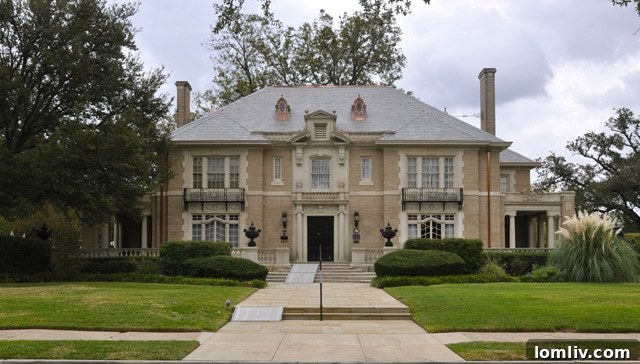
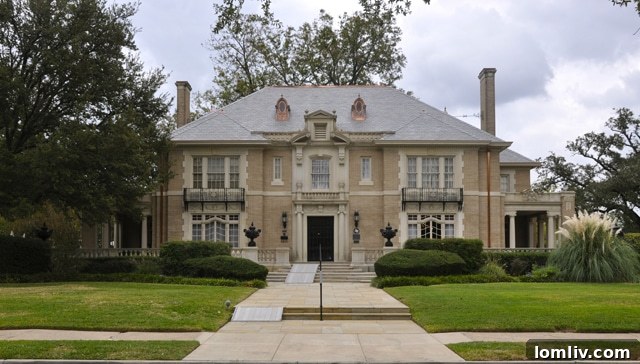
Located in the city’s first residential historic district, the Aldredge House is one of architect Hal Thomson’s most important works built in the French Eclectic style with elegant Renaissance detailing. Completed in 1917 for rancher William Lewis and wife Willie Newbury, it quickly passed to local banker George Aldredge and his wife Rena Munger in 1921. It stayed in the family until Rena generously donated it to the Dallas County Medical Society Alliance in 1974 to use as its headquarters. The nonprofit has taken up the mantle of preserving and maintaining Aldredge House, which even includes some of the original furnishings. The house is one of the few properties in Dallas where the historic integrity has not been compromised and in many ways serves as an opportunity for visitors to step back in time. While the house is not threatened with demolition, it is threatened by the removal of its city permission to hold events at the house which allows the public access to one of the most wonderful historic interiors in Dallas and helps the nonprofit generate the funds necessary to maintain this historic gem. If the permission is revoked, the house will most likely have to be sold, closing it to the public and subjecting the highly intact historic interiors to modernization.
Hal Thomson’s Masterpiece: French Eclectic Grandeur in Dallas
The Aldredge House stands as an enduring testament to the architectural brilliance of Hal Thomson, recognized as one of Dallas’ most esteemed architects of the early 20th century. Completed in 1917, the residence is a magnificent exemplar of the French Eclectic style, distinguished by its elegant Renaissance detailing. Thomson’s distinctive work is celebrated for its seamless integration of European architectural influences with a practical American design sensibility, resulting in homes that radiate both timeless sophistication and functional appeal. The Aldredge House perfectly encapsulates this synthesis, boasting a unique roofline, intricate stonework, and meticulously crafted interiors that evoke the charm and luxury characteristic of its era. Its esteemed location within Swiss Avenue, Dallas’ inaugural residential historic district, further cements its importance as a cornerstone of the city’s rich architectural heritage. Every element, from the commanding grand entrance to the delicate decorative carvings, speaks to an unwavering commitment to craftsmanship—a quality increasingly rare in contemporary construction.
A Journey Through Prominent Dallas Families
The narrative of the Aldredge House is intricately woven with the histories of several influential Dallas families. It was originally commissioned by rancher William Lewis and his wife, Willie Newbury, who envisioned a grand residence befitting their social standing. However, just four years after its completion, the property transitioned into the hands of George Aldredge, a prominent local banker, and his wife, Rena Munger, in 1921. The Aldredge family, through their significant contributions to Dallas’s economic and social fabric, left an indelible mark on the house. They meticulously maintained its splendor for over five decades, carefully nurturing its distinct character and diligently preserving its original features.
The family’s profound commitment to the house culminated in a truly generous act: in 1974, Rena Aldredge (née Munger) bequeathed the estate to the Dallas County Medical Society Alliance. Her clear intention was for the house to serve as the Alliance’s headquarters, thereby ensuring its continued use as a dynamic center for community engagement rather than merely reverting to another private residence. This remarkable philanthropic gesture guaranteed the house’s ongoing preservation and, albeit indirectly, opened its doors to the public, safeguarding its unparalleled historical integrity for generations to come.
The Battle for Public Access and Sustainable Preservation
Since its donation in 1974, the Dallas County Medical Society Alliance has diligently upheld Rena Aldredge’s noble vision, meticulously undertaking the critical task of preserving and maintaining the Aldredge House. Their stewardship has been exemplary, ensuring that many of the original furnishings are still carefully preserved within its majestic walls. This unwavering dedication has allowed the Aldredge House to remain one of the precious few properties in Dallas whose historic integrity has not been compromised by extensive modernizations or unsympathetic alterations. It offers a rare and invaluable opportunity for visitors to genuinely step back in time, providing a tangible link to Dallas’s past that is increasingly difficult to discover in a rapidly evolving urban landscape.
The Critical Role of Public Events for the Aldredge House
The specific threat currently facing the Aldredge House is not the physical demolition of its structure, but rather the potential revocation of its city permission to host public and private events. While this might appear to be a mere administrative detail, this permission represents the very lifeblood of the house’s continued existence as a public-facing institution. These events, which encompass everything from community gatherings and cultural exhibitions to private receptions and educational workshops, serve multiple vital purposes:
- Enhanced Public Access: They provide the primary and most accessible means for the general public to experience the house’s “most wonderful historic interiors” firsthand. Without the ability to host these events, public access would be severely curtailed, effectively closing this invaluable historic treasure to the broader community.
- Invaluable Educational Opportunities: The house functions as a living museum, offering unparalleled educational insights into Dallas’s history, the evolution of its architecture, and the social customs prevalent in the early 20th century. Public events facilitate engaging guided tours and enriching interpretive programs that bring history to life.
- Ensuring Financial Sustainability: Crucially, the vital income generated from hosting these diverse events directly enables the non-profit Dallas County Medical Society Alliance to fund the extensive and often costly maintenance required for a historic property of this considerable scale. Preserving an older building is an arduous and ongoing endeavor, demanding significant financial resources for structural repairs, environmental control, and specialized conservation care.
Should this absolutely essential permission be revoked, the financial viability of the Dallas County Medical Society Alliance’s dedicated stewardship would be severely and irrecoverably compromised. The grim reality is that without the necessary funds to adequately maintain the sprawling property, the Alliance would, regrettably, most likely be compelled to sell the house. Such a sale would almost certainly result in the permanent closure of the house to public access, and its highly intact historic interiors would then face the imminent and regrettable threat of modernization by new private owners, potentially erasing decades of careful preservation and invaluable history.
Beyond Aldredge House: Dallas’s Broader Preservation Landscape
While the Aldredge House serves as a prominent and poignant example, it is by no means alone in its struggle to endure. Preservation Dallas’s 2015 “Most Endangered” list also brought to light several other equally significant structures, collectively underscoring the widespread and varied challenges confronting historic properties within a rapidly developing urban environment:
- The Cabana Hotel: Once a glittering mid-century modern icon that famously hosted celebrities and socialites, the Cabana Hotel epitomized a particular era of Dallas glamour and architectural innovation. Its inclusion on the list drew critical attention to the inherent vulnerability of mid-century architecture, which often struggles to gain the same level of recognition and protection afforded to older, more ornate styles. Its future remained shrouded in uncertainty, highlighting the pressing need for creative adaptive reuse strategies that respectfully honor its unique and significant design.
- The Forest Theater: A deeply beloved cultural landmark situated in South Dallas, the Forest Theater has served as a vibrant cinema, a dynamic music venue, and a vital community hub for multiple generations. Its distinctive Art Deco facade and rich operational history make it an irreplaceable component of its neighborhood’s cultural identity. Its listing emphasized the profound importance of preserving these cherished cultural spaces that are so deeply embedded in collective community memory and offer vital continuity across rapidly changing urban landscapes.
- The Salvation Army Building: This particular structure, while perhaps less architecturally ornate or visually striking than the Aldredge House, held immense social and historical value, representing decades of selfless community service and illustrating architectural evolution within a specific urban context. Its endangered status brought into sharp focus the importance of protecting buildings that embody critical civic functions and contribute significantly to the diverse and evolving built fabric of Dallas.
These diverse examples collectively demonstrate that historic preservation is far from a monolithic issue; rather, it encompasses a broad spectrum of architectural styles, historical periods, and types of inherent significance. Each unique building presents its own intricate set of challenges, ranging from securing financial viability to cultivating widespread community awareness, thereby making the diligent work of dedicated organizations like Preservation Dallas absolutely critical to the city’s future.
Why Preservation Matters: A Call to Action for Dallas’s Heritage
The ongoing saga of the Aldredge House and the plight of other endangered historic sites serves as a powerful and urgent reminder of why historic preservation is so fundamentally vital to our society. Preserving these structures extends far beyond mere sentimentality or nostalgic yearning; it is an active and crucial effort to safeguard our collective memory, to enrich our urban landscape, and to provide tangible, irreplaceable connections to the past that deeply inform our present and profoundly inspire our future. Historic buildings are invaluable educational resources, offering unique insights into architectural evolution, social history, and technological advancements across time.
Furthermore, meticulously preserved historic districts, such as the iconic Swiss Avenue, contribute immeasurably to a city’s unique character and intrinsic appeal, actively attracting heritage tourism and fostering a robust and enduring sense of community pride. They embody principles of sustainable development by advocating for the conscientious reuse of existing resources and preventing the unnecessary demolition of buildings that possess immense potential for revitalization. Supporting dedicated organizations such as Preservation Dallas and the diligent stewards of the Dallas County Medical Society Alliance is, therefore, absolutely paramount. Heightened public awareness, proactive advocacy, and a steadfast commitment from city planners and residents alike are essential to ensuring that Dallas’s invaluable architectural treasures, much like the majestic Aldredge House, remain vibrant, publicly accessible, and meticulously protected for countless generations to come. The enduring future of these historic gems rests squarely on a collective understanding of their immense and multifaceted value, coupled with a concerted and unwavering effort to overcome the complex challenges they inevitably face.
Ultimately, the Aldredge House is far more than just a beautiful old building; it is a living, breathing monument to Dallas’s profound heritage. Its continued existence as a public-facing entity, graciously offering captivating glimpses into a bygone era, depends entirely on the unwavering community’s support for the crucial permissions that allow it to genuinely thrive. Losing this significant battle would not merely be a localized loss for the Aldredge House itself, but would represent a far greater, irreparable loss for the very soul and identity of Dallas as a whole.