The Future of Lakewood Theater: Alamo Drafthouse Eyes Historic East Dallas Landmark Amidst Preservation Concerns
The fate of the iconic Lakewood Theater, a cherished Art Deco gem and a cornerstone of the East Dallas community, hangs in the balance as its current tenant’s lease has concluded. For decades, this majestic single-screen movie palace has stood as a cultural beacon, but now its future as an entertainment venue is uncertain, sparking widespread concern and passionate debate among residents and preservationists. Amidst this uncertainty, significant interest has emerged from Alamo Drafthouse Cinema, a company renowned for its unique movie-going experience and a track record of revitalizing historic theaters.
This development, first hinted at last November, has ignited both hope and apprehension within the East Dallas neighborhood. While many are eager to see the Lakewood Theater continue its legacy as a vibrant community hub, the absence of official historic designation leaves it vulnerable to drastic redevelopment. The potential acquisition by Alamo Drafthouse, with its commitment to cinematic preservation, could offer a promising path forward, but the details of any prospective deal remain a subject of intense speculation and community dialogue.
A Glimpse into Lakewood Theater’s Storied Past and Architectural Grandeur
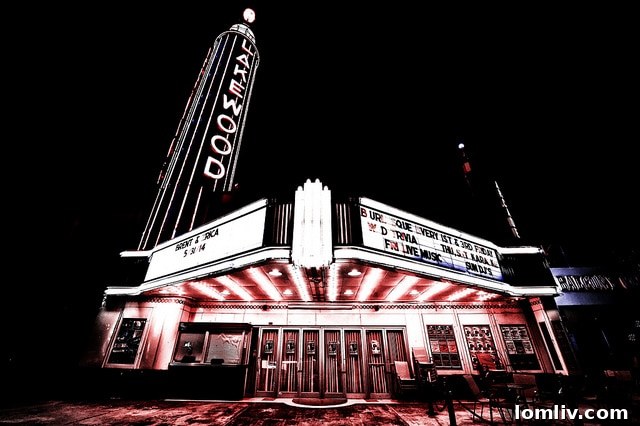
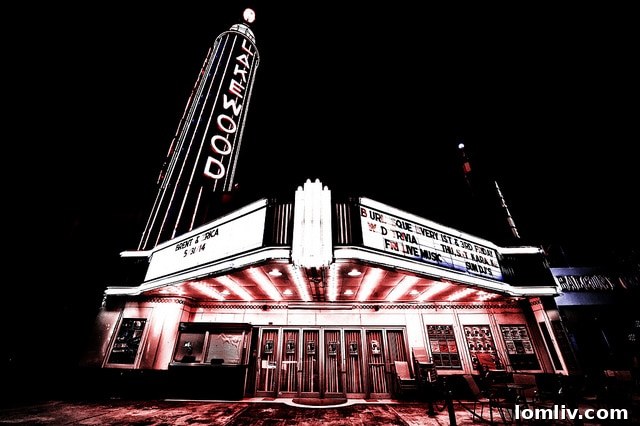
Built in 1938, the Lakewood Theater is more than just a building; it’s a testament to Dallas’s rich cultural history and a stunning example of Art Deco architecture. Its distinctive facade, crowned by a towering, colorful marquee, has long been a symbol of East Dallas, drawing generations of moviegoers and event attendees. The theater, located prominently at 1825 Abrams Pkwy, was designed by renowned architects W.O. Livezey and C.D. Glazebrook, who masterfully blended functional design with opulent aesthetics, characteristic of the era’s grand movie palaces.
For over 80 years, the Lakewood Theater has served as a gathering place, a backdrop for countless memories, and a reflection of the evolving spirit of East Dallas. From classic film screenings to live performances and community events, it has always been a place where stories unfolded, both on and off the screen. Its single-screen design evokes a nostalgic charm, a stark contrast to the multiplexes that dominate today’s cinema landscape. This historical and architectural significance is precisely what fuels the passionate calls for its preservation, ensuring that its legacy continues for future generations.
The Crossroads: Lease Expiry and the Search for a New Vision
As we previously reported in our November story, “Lakewood Theater Makeover Concerns Preservationists, Neighbors,” the property co-owners, Craig Kinney and Bill Willingham of Willingham-Rutledge, have been actively engaging with various businesses and restaurateurs interested in occupying the coveted space. The expiration of the current lease opened the door to a multitude of possibilities, ranging from continued use as a theater to a complete transformation into a retail or dining establishment.
Kinney, who also co-owns several surrounding properties in the southwest strip, has confirmed that multiple theater groups have expressed interest in the site. Among them, the Alamo Drafthouse stands out as a strong contender. “We’ve talked to everybody,” Kinney toldDallas Morning Newsreporter Robert Wilonsky, underscoring the broad interest in the property. However, he maintained a cautious stance, adding, “Nobody’s committed. So I can’t tell you whether they’re interested or not.” This carefully worded statement highlights the ongoing nature of negotiations and the owners’ commitment to finding the right fit for such a prominent location.
Alamo Drafthouse: A Potential Savior or Catalyst for Change?
The prospect of Alamo Drafthouse taking over the Lakewood Theater has generated considerable excitement. Alamo Drafthouse is not just a movie theater chain; it’s an experience. Known for its unique combination of first-run films, independent features, classic cinema, and cult favorites, all served with a full menu of food and craft beverages brought directly to your seat, Alamo Drafthouse has carved out a niche in the entertainment industry. Their strict “no talking, no texting” policy during films reinforces a commitment to the communal cinematic experience that resonates deeply with movie purists.
Alamo’s Unique Model and Vision for Historic Venues
Alamo Drafthouse’s interest in the Lakewood Theater aligns perfectly with their corporate philosophy, which often involves restoring and operating historic cinemas. Bill DiGaetano, Alamo Drafthouse COO, while unable to confirm specific plans due to ongoing negotiations, emphasized his company’s deep passion for preserving classic movie houses. “Alamo has a policy not to comment on real estate negotiations, whether real or fictional,” he told Wilonsky. “But we have a long history of preserving 35mm film and, as shown by our Ritz Theater in downtown Austin and the current restoration of the New Mission Theater in downtown San Francisco, we have a huge passion for preserving great classic movie houses. I personally love the Lakewood Theater and would love to see it stay a theater.”
This statement offers a powerful glimpse into Alamo’s potential vision for the Lakewood Theater. Their successful track record with the Ritz Theater in Austin, which transformed a historic venue into a vibrant multi-purpose cinema and event space, and the ongoing meticulous restoration of the New Mission Theater in San Francisco, demonstrate a genuine commitment to heritage preservation combined with modern functionality. These examples provide a strong precedent for what they might achieve with the Lakewood Theater, calming some of the fears held by preservationists.
Reassurance on Iconic Features: The Marquee and Tower
One of the most significant concerns for neighbors and preservationists revolves around the preservation of the Lakewood Theater’s iconic, colorful marquee and its towering spire. These features are not merely decorative; they are integral to the theater’s identity and East Dallas’s visual landscape. Addressing these concerns directly, DiGaetano made a crucial point: “If anything came to fruition, we wouldn’t touch the marquee or the tower.” This assurance offers a substantial sigh of relief to a community deeply invested in maintaining the visual integrity of their beloved landmark. It suggests that while the interior might undergo modernizations to accommodate Alamo’s operational model – potentially dividing the 11,000 square feet into three or four movie rooms and renovating the downstairs bar into a kitchen – the external historical character would remain intact.
The Fight for Preservation: Community Voices and Historic Status
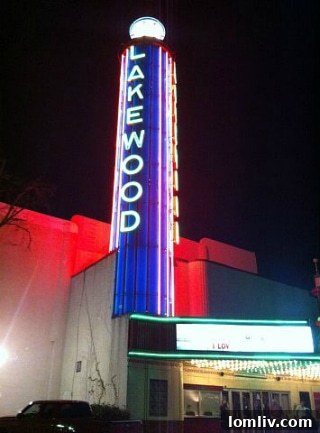
The strong community concern over the Lakewood Theater’s future stems from a critical vulnerability: its lack of official historic designation. Unlike many other treasured landmarks, the Lakewood Theater does not possess national or local protections that would prevent its demolition or significant alteration. This absence leaves it susceptible to the whims of development and economic pressures, a reality that deeply troubles residents committed to preserving East Dallas’s unique character.
The closest form of protection the theater currently enjoys is its inclusion in a Planned Development District, which encompasses the surrounding shopping center and some adjacent space. However, this protection is considered minimal and, crucially, entirely voluntary. It does not provide the robust safeguards typically associated with official historic landmark status, making the community’s proactive engagement all the more vital in shaping the theater’s destiny.
The ‘Save the Lakewood Theater’ Movement
Community interest in this ongoing saga has been exceptionally high, demonstrating the profound emotional connection residents have to the Lakewood Theater. The “Save the Lakewood Theater” Facebook page, created on November 7th, quickly amassed nearly 5,700 “likes,” signifying a powerful grassroots movement. Even with occasional lulls in official moderation, concerned neighbors and advocates have consistently used the platform to post updates, voice their concerns, share rumors, and strategize on how to best protect the theater.
This digital rallying point reflects a broader sentiment within East Dallas: a desire to preserve the architectural heritage and cultural identity of their neighborhood against the tide of unchecked development. The community’s active participation highlights a commitment to ensure that the Lakewood Theater, a place that holds collective memories and aspirations, continues to thrive as a unique East Dallas icon, rather than becoming another lost piece of history.
Beyond Alamo: Exploring Other Future Possibilities for 1825 Abrams Pkwy
While Alamo Drafthouse has emerged as a prominent and hopeful suitor, the situation is far from settled, and Alamo is by no means a “shoo-in.” Craig Kinney continues to hold discussions with other restaurateurs and businesses, exploring a diverse range of options for the 11,000-square-foot property. The sheer size and adaptable nature of the space mean it could potentially be repurposed for various commercial uses, each with its own set of pros and cons for the community and property owners alike.
Adding another layer of complexity to the development plan is the uncertain status of the Balcony Club. The historic jazz club, located adjacent to the theater, has faced its own challenges, including recent closures. Kinney has expressed a desire for the Balcony Club to remain in its current location, recognizing its complementary role in the local entertainment landscape. However, its future is intertwined with the larger plans for the theater property, and whether it stays or its space becomes available to new tenants will undoubtedly influence the final development strategy for this vital East Dallas block.
The Enduring Legacy: What’s Next for This East Dallas Gem?
As the curtain closes on one chapter for the Lakewood Theater, the script for its next act is still being written. This “funky theater,” one of Dallas’s sole remaining single-screen movie palaces, represents more than just a commercial property; it embodies the soul of East Dallas. The passionate community, the dedicated property owners, and the interested parties like Alamo Drafthouse are all playing a role in determining whether this cherished landmark will continue to serve as a vibrant cultural beacon or transition into a new, perhaps unrecognizable, form.
The coming months will be critical as plans solidify for a new occupant. The East Dallas community remains vigilant, hopeful, and deeply invested in the outcome, understanding that the future of the Lakewood Theater is inextricably linked to the identity and heritage of their beloved neighborhood. Stay tuned as we continue to cover this important and evolving story, bringing you updates on the destiny of this irreplaceable East Dallas gem.