Airbnb’s Unstoppable Rise: Navigating the Complex World of Short-Term Rentals and Regulations
Airbnb’s phenomenal ascent has profoundly reshaped the global hospitality landscape, igniting both excitement and significant apprehension among homeowners and traditional hotel operators. From bustling metropolises like New York to historic destinations such as Barcelona, regulatory battles have emerged as cities grapple with how to integrate and, at times, rein in the burgeoning short-term rental market.
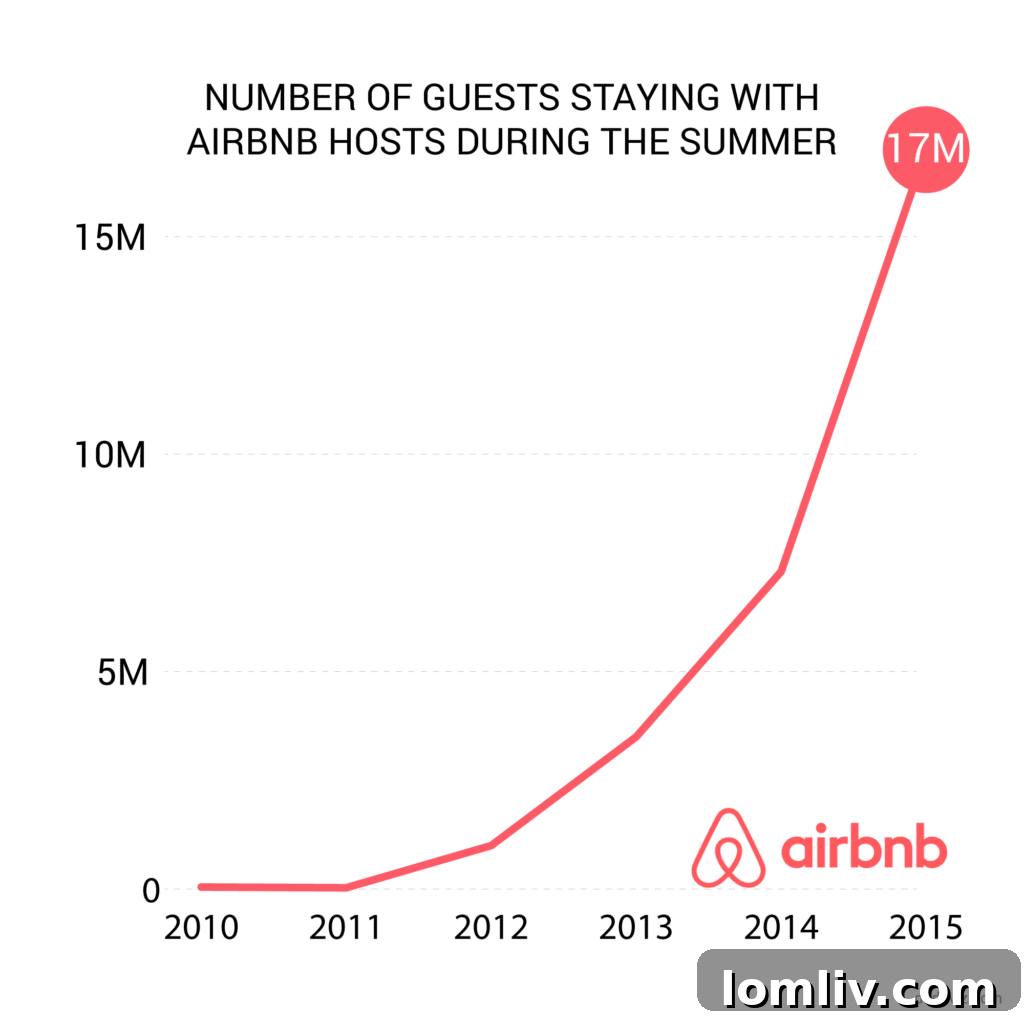
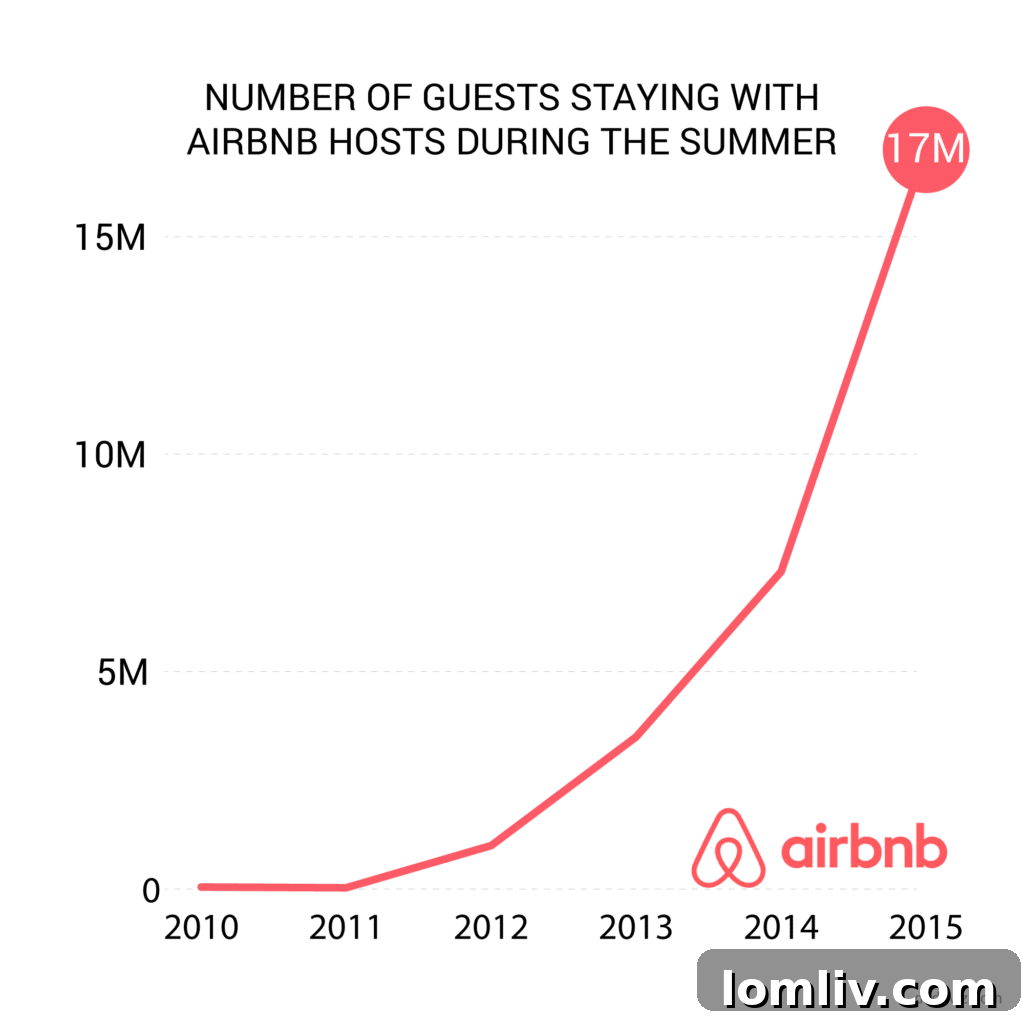
The company’s growth trajectory is nothing short of astonishing. In the summer of 2010, just three years after its inception in San Francisco, approximately 47,000 guests utilized an Airbnb host. By last summer, that number had skyrocketed to nearly 17 million, firmly establishing Airbnb as a dominant force. While it stands as a formidable competitor to established platforms like Austin-based VRBO HomeAway, there’s often a palpable sense of disdain from these traditional vacation rental companies towards Airbnb’s disruptive model.
The mainstream hospitality industry frequently draws parallels between its struggle with Airbnb and the challenges faced by established taxi companies against ride-sharing giants like Uber and Lyft. Traditional hotels are burdened by stringent regulations and the obligation to collect hotel taxes, creating an “uneven playing field” when compared to many Airbnb hosts. This regulatory disparity often allows Airbnb to offer a more economical lodging option for travelers, a key factor in its widespread appeal.
However, the rapid expansion has not been without its controversies and concerns. Homeowners, in particular, express increasing unease about the potential impact of short-term rentals on neighborhood character, property values, and safety, raising uncomfortable questions about who their next-door neighbors might suddenly be. Instances of disruption and calls for tighter controls have become common across various communities, including right here in Dallas.
Leveling the Playing Field: Cities Embrace Taxation and Regulation
In response to mounting pressures, the regulatory landscape for short-term rentals is gradually evolving, aiming to address the perceived imbalance. One significant step has been the widespread adoption of occupancy or hotel taxes. For instance, in February 2016, Chicago implemented a 4.5 percent hotel tax on Airbnb listings, which is now seamlessly included in the advertised price. Despite this added cost, Chicago continues to boast a high Airbnb occupancy rate, demonstrating that the appeal of these rentals often transcends minor price adjustments, even in a city renowned for its excellent traditional hotels.
Even Airbnb’s home city of San Francisco, a beacon for the sharing economy, moved to legalize short-term rentals in 2014, but not without imposing significant restrictions. These initial regulations limited non-owner-occupied units to 90 rental days per year. While a proposed amendment in 2015 to further reduce this limit to 75 days did not pass, new legislation endorsed in June of that year shifted the burden onto Airbnb itself to verify that hosts are properly registered with the city, a mandatory requirement for operating short-term rentals. This move signals a trend where cities expect platforms to take greater responsibility for regulatory compliance.
State-Level Intervention: Arizona’s Bold Move
The regulatory narrative took a dramatic turn with states beginning to weigh in, most notably Arizona. The state recently passed a pioneering bill that effectively prohibits cities and municipalities from enacting outright bans on short-term rentals. This legislative effort aims to alleviate host anxieties about potential penalties for utilizing their homes as temporary income generators. Simultaneously, it encourages compliance with local regulations and ensures that municipalities can still collect applicable taxes that might otherwise be overlooked. This decision has understandably drawn the ire of the hotel industry, which views such legislation as further eroding its competitive standing.
The Local Lens: Dallas and the Community Debate
The debate surrounding short-term rentals takes on a particularly nuanced character at the local level, where community concerns often clash with economic opportunities. A telling example can be found on Swiss Avenue in Dallas, a historic and tranquil neighborhood. Residents there, known for their fierce protection of the area’s serenity, have historically taken action to shut down home-run businesses deemed disruptive. They staunchly declared that Airbnb “would never be permitted on Swiss Avenue,” reflecting a strong desire to preserve the neighborhood’s character and prevent potential noise, traffic, and transient activity associated with short-term guests. This sentiment echoes broader community worries about safety, privacy, and the potential erosion of residential feel when homes are converted into commercial lodging units.
However, a contrasting perspective emerges from within Dallas’s city leadership. City Councilman Philip Kingston, for example, is reportedly quite “bullish” on Airbnb and the broader potential of accessory dwelling units (ADUs). Both Philip and Melissa Kingston are strong advocates for leveraging back houses and other ADUs as rental properties to generate more affordable housing options, particularly in high-rent districts within the city. They have actively focused on revising existing City code to permit full-size kitchens in these accessory dwelling units, a crucial step that would make them more viable and attractive for short-term rental opportunities. The Kingstons’ vision suggests a belief that the tourism industry, supported by platforms like Airbnb, could significantly profit the City, provided that appropriate licensing and tax collection mechanisms are robustly enforced – rules that often go unenforced without vigilant neighbors reporting infractions.
The conversation around ADUs highlights a core tension: how to balance the need for affordable housing and economic opportunity with preserving neighborhood integrity and managing potential nuisances. The City Council’s deliberations on this matter will undoubtedly shape the future of short-term rentals in Dallas, reflecting a broader national struggle to find common ground.
The Far-Reaching Economic Ecosystem of Short-Term Rentals
The economic impact of short-term rentals extends far beyond individual hosts and guests. A vibrant ecosystem of ancillary businesses thrives on the existence of platforms like Airbnb. Property management companies specialize in handling bookings, guest communications, and maintenance for multiple rental units. Home cleaning services find a steady stream of business from the quick turnovers required between guest stays. Contractors and home improvement companies benefit from homeowners retrofitting properties to accommodate guests – whether it’s finishing out “mother-in-law” apartments, adding private entrances, or upgrading amenities to attract renters. Furthermore, a new industry of pricing companies and consulting websites has emerged, providing data analytics and strategic advice to optimize rental income, all predicated on the continued operation of short-term rentals.
For many homeowners, Airbnb represents an excellent financial tool, enabling them to offset the costs of a vacation home, a pied-à-terre, or even their primary residence. This economic utility contributes significantly to local economies through increased spending by hosts and guests alike. Even internationally, major regulatory bodies acknowledge the value of these services. The European Union (EU), for example, has expressed its support for technology services like Airbnb and Uber, providing non-legally binding guidelines and restrictions. These guidelines are carefully designed to balance economic innovation with critical public interests, such as safety, consumer protection, and broader social policy objectives, ensuring that the benefits of the sharing economy can be harnessed responsibly.

The Future of Short-Term Rentals: A Balancing Act
The journey of Airbnb and the short-term rental market is a compelling narrative of innovation meeting resistance, and adaptation in the face of evolving regulations. As long as cities and states can secure their “piece of the pie” through taxation and responsible oversight, the growth is likely to persist. The challenge lies in finding a sustainable balance that respects property rights, fosters economic opportunity, protects neighborhood integrity, and ensures guest safety. The ongoing debates, from local zoning boards to state legislative chambers, underscore the complexity of integrating a fundamentally disruptive service into established societal frameworks.
What are your thoughts on Airbnb’s impact and the ongoing efforts to curb or regulate its growth? Should states like Texas follow in Arizona’s footsteps by preempting local bans, or should municipalities retain greater control? How do you envision the role of Realtors and real estate professionals in navigating and shaping this dynamic landscape? The answers to these questions will undoubtedly define the future of urban living and the hospitality industry for years to come.