The Airbnb Phenomenon: Navigating Short-Term Rentals in Oak Lawn and Beyond
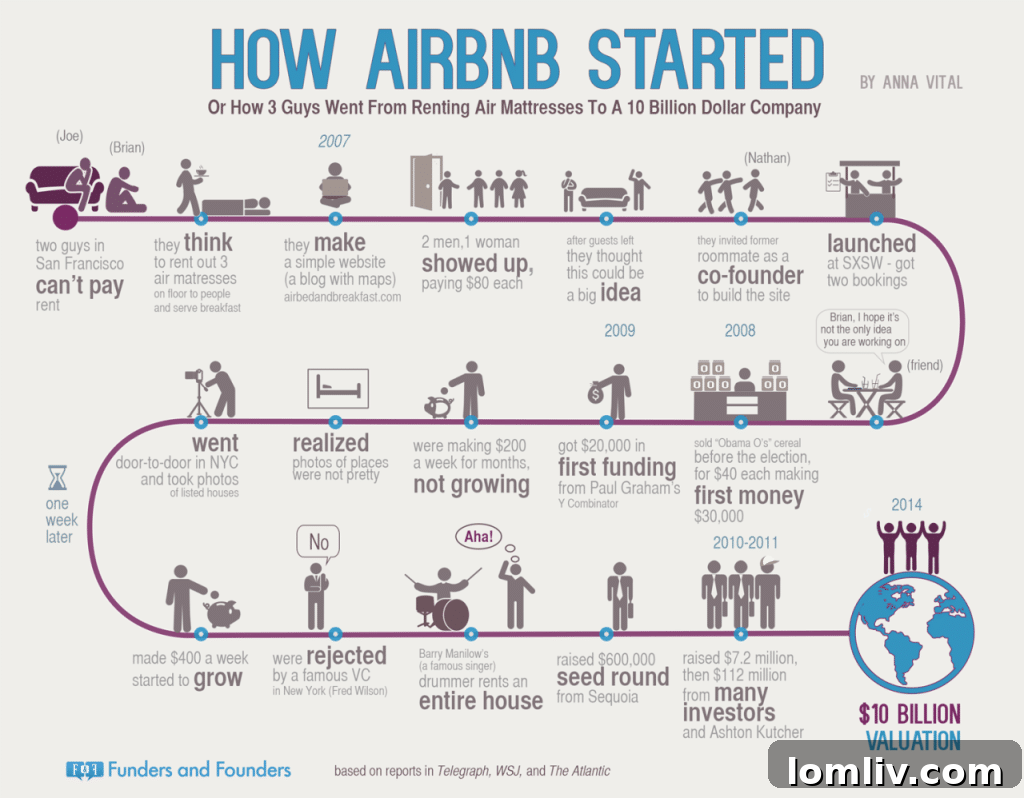
The rise of the sharing economy has revolutionized various industries, and perhaps none more profoundly than hospitality. At the forefront of this transformation is Airbnb, a platform that allows individuals to monetize their spare rooms or entire homes, turning residential properties into temporary lodging. What began as a simple solution for two San Francisco entrepreneurs struggling to pay rent has blossomed into a global powerhouse, valued in the tens of billions. While Airbnb offers undeniable opportunities for supplemental income and unique travel experiences, its explosive growth has also sparked complex debates and significant challenges for communities, property owners, and regulatory bodies worldwide.
Oak Lawn’s Ascent: A Trending Hotspot with Hidden Complexities
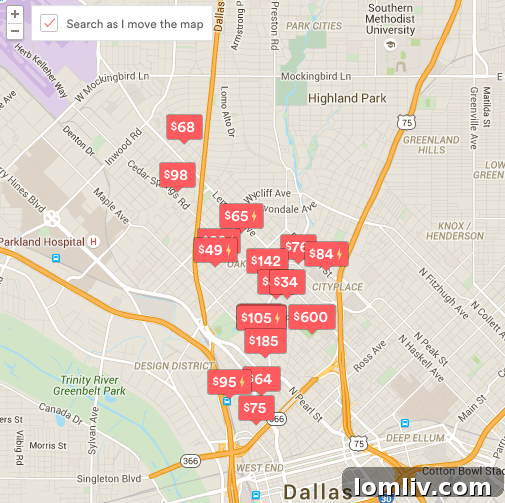
Recently, the vibrant neighborhood of Oak Lawn in Dallas garnered significant attention, making headlines for being the top trending Airbnb neighborhood in the U.S. This recognition came from a list released by Airbnb itself, highlighting areas that experienced substantial growth in bookings during the preceding year. It was indeed a moment of pride for Dallas, as Oak Lawn stood alongside other notable U.S. neighborhoods like Kaneohe on Oahu, Hawaii, and Poncey-Highland in Atlanta, Georgia, as a burgeoning destination for travelers seeking unique stays.
Globally, Airbnb’s top trending neighborhoods also painted an interesting picture, with Chūō-ku in Osaka, Japan; Banglampoo in Bangkok, Thailand; and Brickfields in Kuala Lumpur, Malaysia, leading the international pack. A common thread linking these diverse locations, both domestic and international, is often found in their bustling urban environments and, notably, in regions grappling with aberrantly high rents. This trend suggests that the demand for short-term rentals often thrives in areas where conventional accommodation is expensive or scarce, providing both an alternative for travelers and a potential income stream for residents.
However, while the fanfare around Oak Lawn’s trending status was initially met with enthusiasm, a deeper look reveals a more nuanced reality, particularly for local property owners. The very success that placed Oak Lawn on the map for Airbnb hosts and guests has also illuminated a growing chasm of concern within its residential communities. The perceived prestige of being a top trending location quickly gives way to legitimate worries about security, community integrity, and the very nature of residential living.
The Core Conflict: Security and Community Concerns
For many property owners, particularly those residing in condominiums and gated communities, the celebration of Oak Lawn’s Airbnb popularity quickly turns to apprehension. A significant portion of the highly sought-after rental properties in the area are actually located in Uptown, an adjacent neighborhood often conflated with Oak Lawn, which is densely populated with condos. Whether it’s Uptown or Oak Lawn, the focus remains on multi-unit residential buildings, and this distinction is crucial because it brings unique challenges.
Homeowners in these complexes are increasingly vocal about their dissatisfaction. Their primary concern revolves around security. The constant influx of transient guests, often staying for just a night or a week, necessitates the distribution of gate security codes, entry instructions, and access to common amenities. This practice inherently compromises the controlled access that residents pay for and rely on for their safety and peace of mind. The fear is not merely hypothetical; it includes:
- **Compromised Security:** Frequent sharing of access codes weakens security protocols, making it easier for unauthorized individuals to gain entry.
- **Increased Wear and Tear:** Common areas, such as lobbies, elevators, gyms, and pools, experience accelerated wear and tear from higher traffic, leading to increased maintenance costs for all residents.
- **Noise Disturbances:** Short-term guests, especially those on vacation, may be less considerate of residential quiet hours, leading to noise complaints and disruptions.
- **Lack of Community Cohesion:** A constant rotation of unfamiliar faces erodes the sense of community that is vital for residential living. Neighbors are less likely to know each other, impacting the collective feeling of safety and belonging.
- **Misuse of Amenities:** Guests might not be familiar with, or might disregard, community rules regarding amenity usage, leading to overcrowding or damage.
The sentiment among many long-term residents is perfectly encapsulated in a letter from an HOA Board President, highlighting the immediate and pressing nature of these issues:
Dear Candy:
I am the HOA Board President of two small condo associations in the Oak Lawn area, both with approximately 50 units. Both complexes are older constructions from the 1960s, converted in the early 1980s, and they are high-density, meaning information and rumors spread rapidly. It was recently brought to my attention that one of the complexes has two units (owned by different individuals) that are being used for short-term rentals through Airbnb.com and similar websites, a fact quickly confirmed by my own web search. Owners and long-term tenants are beginning to express significant dissatisfaction about the transient occupants, even though there haven’t been explicit “problems” with these short-term guests yet, as they say. Both complexes are gated, meaning access codes are routinely distributed to each guest, making security the number one concern among residents. The overwhelming grassroots consensus is in opposition to allowing such rentals, and the Board is scheduled to address this critical issue at our upcoming meeting.
My question to you and your knowledgeable community is whether any other HOA Boards in the Metroplex have had to address this issue, what their opinions are on allowing or disallowing such activities, if any City of Dallas zoning laws apply, or what insights an HOA specialist attorney might offer. Our current bylaws merely state that a unit’s use is not for “hotel and transient use” without further detailed definition. However, we consider this our primary line of defense to regulate or potentially prohibit this activity.
I have thoroughly researched this subject, and the nationwide consensus among HOAs regarding the allowance of these rentals is overwhelmingly negative.
This letter underscores the profound dilemma facing many residential communities. The existing bylaws, often drafted long before the advent of the sharing economy, prove inadequate in addressing the complexities of short-term rentals. The “hotel and transient use” clause, while seemingly direct, often lacks the specific language needed to unequivocally prohibit or regulate these new forms of lodging. This ambiguity leaves HOAs in a difficult position, requiring them to either interpret existing rules broadly or undertake the challenging process of amending their governing documents.
Navigating Legalities: HOA Bylaws, Zoning, and Insurance
The legal landscape surrounding short-term rentals is a maze of overlapping jurisdictions and varying interpretations. For individual homeowners considering becoming Airbnb hosts, and for HOAs grappling with enforcement, understanding these layers is paramount.
Homeowners Associations and Bylaws
The “hotel and transient use” clause is a common feature in many HOA bylaws, intended to preserve the residential character of a community. However, its effectiveness against modern short-term rental platforms is often debated. To truly control or prohibit short-term rentals, HOAs may need to:
- **Amend Bylaws:** Explicitly define “short-term rental” and “transient use” and clearly prohibit or restrict it, specifying minimum stay lengths, requiring permits, or imposing fines.
- **Enforce Existing Rules:** Diligently track and enforce violations, which can be resource-intensive.
- **Seek Legal Counsel:** Engage an HOA specialist attorney to interpret existing bylaws, draft new ones, and navigate potential legal challenges from homeowners who wish to host.
The nationwide sentiment, as highlighted by the HOA president, strongly leans against allowing these rentals due to the perceived negative impact on residential communities. This collective stance often emboldens HOAs to take a firm position.
City Zoning and Regulations
Beyond HOA bylaws, municipal zoning laws play a critical role. Many cities, including Dallas, have specific zoning designations for residential and commercial properties. Using a residential property for frequent short-term rentals can, in many cases, be construed as a commercial activity, violating existing zoning ordinances. Cities are increasingly implementing their own regulations, requiring permits, imposing occupancy taxes, or setting limits on the number of days a property can be rented out annually. Homeowners must investigate both their HOA’s rules and local city ordinances before listing their property.
The Critical Role of Homeowner’s Insurance
Perhaps one of the most overlooked yet crucial aspects for Airbnb hosts is insurance. Standard homeowner’s insurance policies are designed to cover personal residential use, not commercial activities. Should an incident occur—such as property damage, theft, or a guest injury—while a property is being used as a short-term rental, a standard policy may deny coverage, leaving the host financially vulnerable.
Recognizing this gap, Airbnb has introduced its own protection programs:
- **Host Guarantee:** This offers up to $1 million in primary coverage for damage to a host’s property and belongings caused by a guest. However, it comes with significant exclusions, and is not a substitute for liability insurance.
- **Host Protection Insurance:** Since October 22, 2015, Airbnb has provided primary liability insurance coverage of up to $1 million per occurrence for hosts. This covers third-party claims of bodily injury or property damage for which a host is found legally responsible. Crucially, however, this program also comes with a list of specific exclusions, which hosts must understand thoroughly:
-
The Host Protection Insurance program does not apply to liability arising from (1) Intentional Acts including: (i) Assault and Battery or (ii) Sexual Abuse or Molestation – (by the host or any other insured party), (2) Loss of Earnings, (3) Personal and Advertising Injury, (4) Fungi or Bacteria, (5) Chinese Drywall, (6) Communicable Diseases (7) Acts of Terrorism, (8) Product Liability, (9) Pollution and (10) Asbestos, Lead or Silica.
These exclusions highlight that Airbnb’s insurance is not a blanket policy. Hosts are strongly advised to consult with their personal insurance providers to understand what their existing policies cover, what they specifically exclude in the context of short-term rentals, and whether additional commercial or landlord insurance is necessary to bridge any gaps. Failing to do so could result in catastrophic financial loss.
The Broader Landscape: San Francisco’s Battle and the Future of Short-Term Rentals
The challenges faced by Oak Lawn residents and HOAs are not isolated incidents; they mirror a global struggle to integrate the sharing economy into existing urban fabrics. San Francisco, the birthplace of Airbnb, has been at the epicenter of this debate, culminating in a significant ballot measure, Proposition F, in November 2015.
Proposition F sought to impose stricter regulations on short-term rentals within the city. Specifically, it aimed to limit all short-term rentals to a maximum of 75 days per year. At the time, the existing limit was 90 days when the primary resident was not present, with unlimited rentals allowed if the host was also occupying the home. Furthermore, the proposition would have mandated hosts to provide proof that their unit was authorized for short-term rentals and submit quarterly reports on occupancy, enhancing transparency and enforcement capabilities.
The battle over Prop F was fiercely contested, symbolizing a clash between different visions for urban living and economic opportunity. Airbnb and its proponents argued that the measure was extreme and harmful to “working families’ right to share their homes,” framing it as a victory for the middle class to earn supplemental income. Airbnb invested nearly $8 million in campaigning against the proposition, a significant sum illustrating the company’s commitment to protecting its business model.
Conversely, groups like Sharebetter SF, a coalition supporting Prop F, expressed deep disappointment over its failure. They contended that the measure was necessary because the issue had moved far beyond individuals renting out a spare room. They argued that “rampant abuse of short-term rentals is taking much-needed housing off the market and harming our neighborhoods,” contributing to San Francisco’s already severe housing affordability crisis. Despite their efforts, which raised less than a million dollars, Prop F was ultimately defeated, with 55% voting no and 45% voting yes.
The San Francisco experience is a microcosm of a larger global trend. Cities from New York to Barcelona, Paris to Berlin, have grappled with similar questions, implementing various regulations ranging from outright bans on unhosted rentals to strict permit requirements, taxation, and limits on rental days. The debate often pits economic innovation and individual property rights against housing affordability, neighborhood character, and regulatory oversight.
Conclusion: Finding Balance in the Sharing Economy
The journey of Airbnb from a simple idea to a multi-billion dollar enterprise valued at $25 billion underscores the transformative power of the sharing economy. However, as the experience in Dallas’s Oak Lawn and the political battle in San Francisco demonstrate, this transformation is not without its costs and complexities. While Airbnb provides economic opportunities for hosts and diverse lodging options for travelers, it also raises critical questions about security, community stability, housing affordability, and the adequacy of existing legal and insurance frameworks.
The future of short-term rentals will likely involve a continuous effort to find a sustainable balance. This will require clear and adaptable legislation from city governments, proactive and well-defined bylaws from HOAs, and a comprehensive understanding of risks and responsibilities from hosts. As the sharing economy continues to evolve, so too must our approach to managing its impact, ensuring that the benefits of innovation do not come at the expense of established communities and their well-being.