Dallas’s Enduring Vision: The Trinity River, Urban Evolution, and a Rediscovered Past
From the mid-20th century to the present day, the destiny of Dallas has been inextricably linked to the majestic Trinity River. This natural resource, carving its path through the heart of the city, has consistently been at the center of critical discussions about urban development, infrastructure, and the very identity of Dallas. What profound lessons can we glean from historical perspectives as we navigate the complexities of shaping our future metropolitan landscape?
A Legacy of Discussion: Dallas and the Trinity’s Defining Influence
The conversation surrounding the Trinity River’s profound influence on Dallas is anything but new. For well over half a century, city planners, visionary architects, influential community leaders, and engaged residents have grappled with the challenging yet exciting question of how to best integrate this significant waterway into the urban fabric. Its winding banks have witnessed the city’s meteoric growth, transforming from early settlements into a bustling, modern metropolis. Yet, despite its central location and ecological importance, the river’s full potential as a unifying force, a vibrant recreational hub, and a vital ecological corridor remains a subject of ongoing debate, ambitious projects, and continuous re-evaluation.
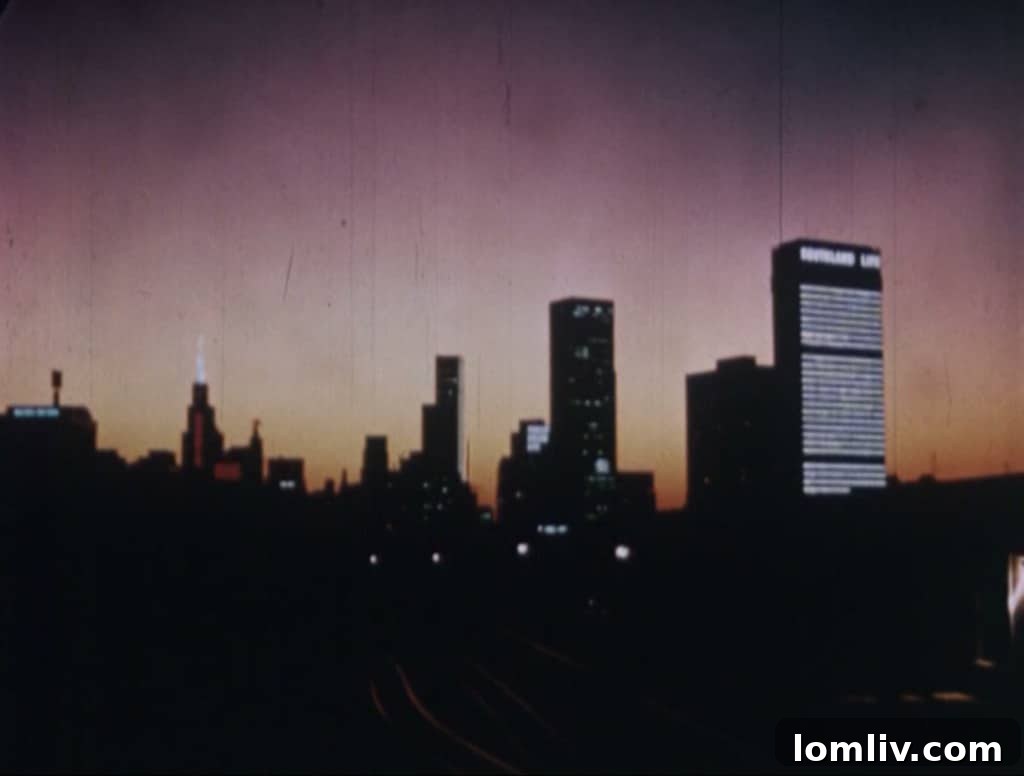
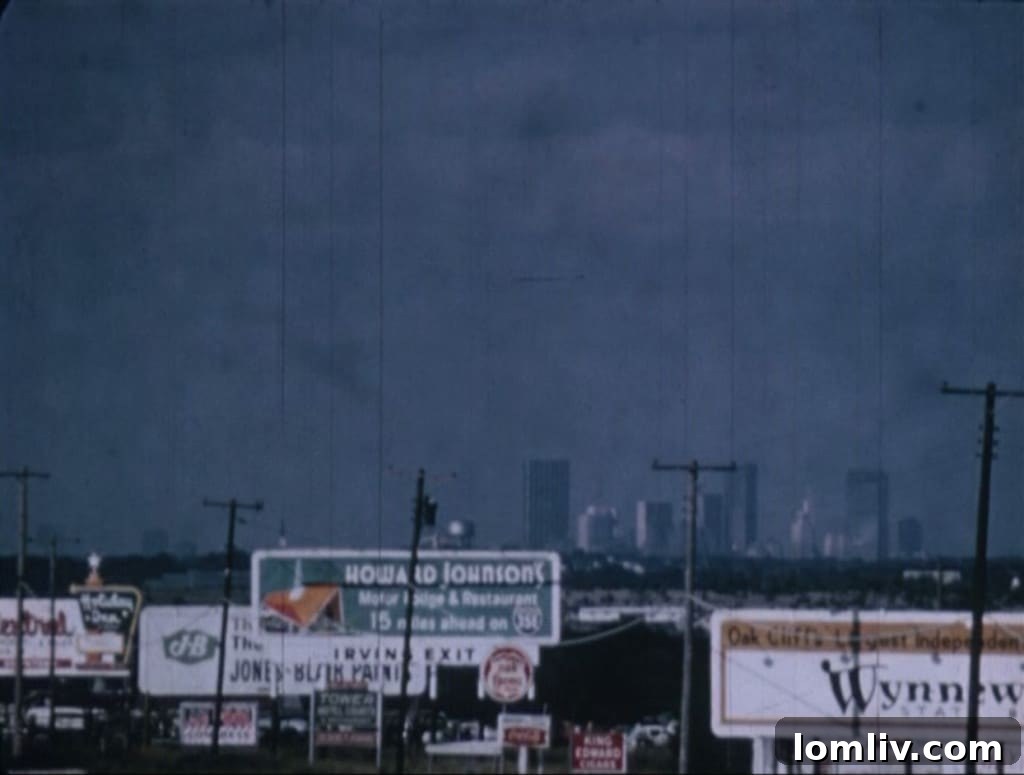
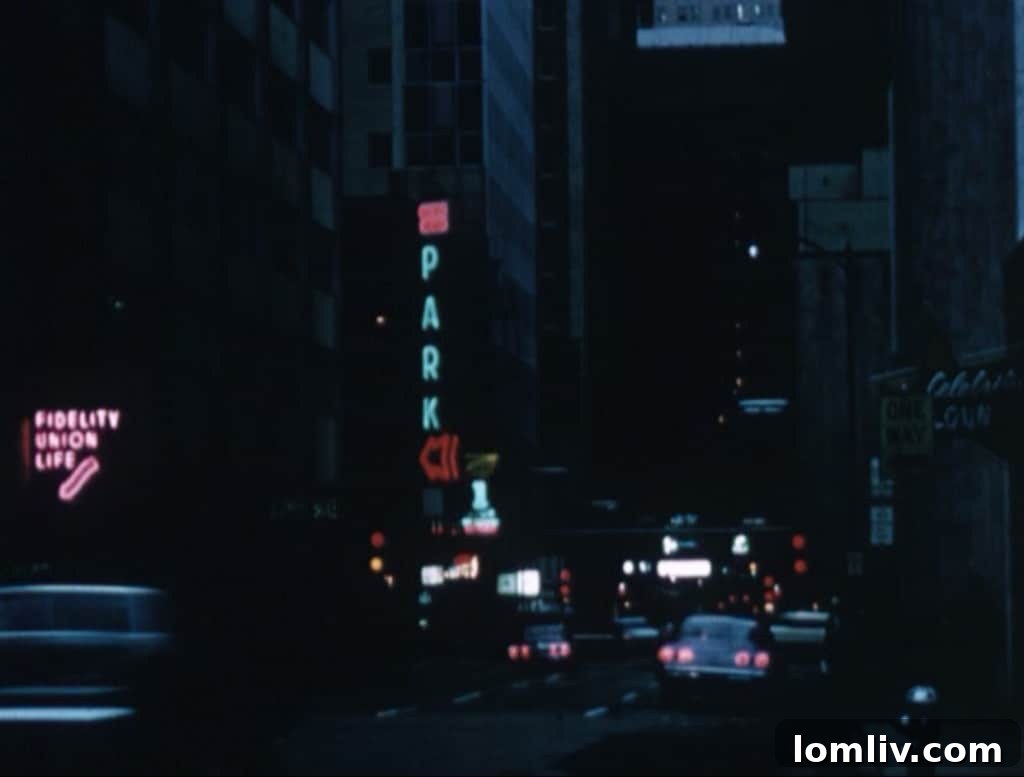
This enduring dialogue took a particularly insightful and often-overlooked turn as far back as 1967 with the creation of a remarkable film titled “The Walls Are Rising.” This 40-minute narrated cinematic piece, meticulously crafted from an astounding 8,000 photographs of downtown Dallas, was the brainchild of Austin-based writer and photographer Rob Perryman. Commissioned by the esteemed Dallas Chapter of the American Institute of Architects (AIA), the film’s primary objective was to stimulate thoughtful urban development through enhanced public awareness and the cultivation of a shared, forward-thinking vision for the city’s future. It aimed to ignite a collective imagination, urging citizens to look beyond the immediate challenges and envision a more integrated, livable, and aesthetically pleasing Dallas.
“The Walls Are Rising”: A 1967 Vision for Dallas’s Urban Future
“The Walls Are Rising” was considerably more than just a simple photographic essay; it was a meticulously crafted narrative designed to provoke profound thought and inspire immediate, decisive action. The film thoroughly focused on three pivotal aspects deemed crucial for Dallas’s ongoing evolution and long-term prosperity: thoughtful urban design aimed at enhancing livability, the development of efficient and interconnected transportation networks, and, perhaps most critically, the strategic utilization and harmonious integration of the Trinity River into the city’s core. In an era marked by unprecedented urban expansion and growing societal concerns about the overall quality of life in rapidly developing American cities, the film presented a powerful and compelling argument for proactive, holistic, and sustainable planning.
Key Themes Explored in the Landmark Film:
- Design for Livability: This overarching theme aimed to fundamentally shift the focus from mere structural growth and vertical expansion to the creation of urban spaces that genuinely enhance the human experience. It underscored the paramount importance of well-designed public spaces, inviting walkable neighborhoods, and aesthetically pleasing urban environments engineered to foster a strong sense of community and promote overall well-being. The visionary architects and planners of that era recognized that buildings alone do not define a great city; rather, it is the dynamic interaction between people and their thoughtfully designed surroundings that truly defines urban vitality and success.
- Transportation: At a time when Dallas, much like countless other American cities, was increasingly embracing the burgeoning automobile culture and prioritizing extensive highway construction, the film likely explored a more balanced and integrated approach to urban transportation. It may have advocated for robust public transit options, including buses and potentially a reconsideration of modern streetcar systems, alongside interconnected pathways for pedestrians and cyclists, all designed to ensure equitable accessibility and alleviate growing traffic congestion. This theme was particularly poignant given that the film’s creation came shortly after Dallas made the controversial and widely criticized decision to dismantle its original streetcar system, highlighting a recognized need for better future planning.
- The Trinity River: This was arguably the film’s most central and critical component. The Trinity River, historically often viewed primarily as a necessity for flood control and, at times, as a physical barrier dividing the city, was boldly envisioned by the film’s creators as a vast, untapped urban amenity. The 1960s discussions likely centered on transforming its extensive floodplains into expansive green spaces, meticulously designed parks, and diverse recreational areas, envisioning it as a central, unifying element of Dallas’s identity rather than a neglected natural divide. The ambition was to elevate the river from a functional necessity to a beloved and accessible urban treasure.
The film was screened widely and strategically, reaching various influential groups across Dallas – from the powerful Chambers of Commerce, Rotary clubs, Kiwanis, and Lions Clubs to prominent women’s organizations and civic associations. It targeted anyone with a significant stake in the city’s future trajectory, intending to galvanize collective action and inspire a unified vision. However, despite its ambitious scope and widespread presentation, the vital call to action, by many historical accounts, “fell flat.”
Why Did This Visionary Message Not Resonate More Strongly in the 1960s?
One prevailing theory, subtly hinted at in historical archives, suggests that Dallas might have still been grappling with the profound emotional and social aftermath of the Kennedy assassination, which occurred just four years prior in 1963. The deep trauma and intense national and international attention following that tragic event could have left the city and its leadership preoccupied, making it exceedingly challenging to fully focus on long-term infrastructure, urban design, and societal shaping initiatives. However, it’s highly probable that other significant factors also contributed to the film’s limited immediate impact. Perhaps the visionary scope was perceived as too grand, too complex, or too expensive for the practicalities and political climate of the time. There might have been a discernible lack of unified political will, or powerful competing development interests focusing on more immediate economic gains rather than long-term, integrated urban planning. The sheer inertia of existing development patterns and a pervasive car-centric culture could also have played a considerable role. This historical episode highlights the perennial challenge inherent in visionary urban planning: effectively bridging the often-wide gap between an ideal future and the complex, multifaceted realities of the present moment.
A Timeless Plea for Coordinated Planning and Urban Integration
We cannot afford to lose any more time in developing a coordinated plan to make Dallas a more beautiful and effective city, for all around us the walls are rising, the city is being built…
This powerful and evocative excerpt from “The Walls Are Rising” remains strikingly relevant and resonant in today’s urban landscape. It stands as a profound testament to the enduring challenges and immense opportunities that continuously arise in the realm of urban development. While the film’s immediate impact on specific projects may have been limited, some of its fundamental underlying suggestions, presented to the Greater Dallas Planning Council, did eventually manifest in different forms, though perhaps not exactly as initially envisioned. The highly successful creation of the Katy Trail, a now beloved linear park and recreational path, stands as a prime, shining example of creatively repurposing old railway infrastructure for new and significant community benefit. Similarly, Dallas’s robust and expanding rapid transit system (DART) speaks directly to the recognized need for efficient, accessible public transportation, even if its development emerged decades after the unfortunate tearing out of the city’s original streetcar network. Ongoing improvements in freeway design, aiming to integrate better with the urban fabric, also reflect a continuous effort to balance vital connectivity with enhanced urban aesthetics.
Yet, the central, most compelling argument of the 1967 film – the pivotal and transformative role of the Trinity River – continues to demand our collective attention and proactive engagement. In an era increasingly focused on crucial sustainability initiatives, innovative green infrastructure, and the overarching enhancement of urban quality of life, there has never been a more opportune moment to revisit, reinvigorate, and finally realize the full vision for the Trinity River and its profound impact on the “feel,” functionality, and future prosperity of Dallas. This expansive natural corridor offers unparalleled opportunities for crucial ecological restoration, extensive recreational development, and the forging of a truly unique and distinctive identity for the city. It has the potential to fundamentally transform the river from a historically neglected natural boundary into a vibrant, accessible, and celebrated urban heart, defining Dallas for generations to come.
The Rediscovery: A Catalyst for New Dialogue and Future Shaping
It is indeed a fortunate and almost serendipitous happenstance that the AIA has recently unearthed this historically significant and long-lost footage. The timely rediscovery of “The Walls Are Rising” offers a rare and invaluable opportunity for contemporary Dallas residents, dedicated urban planners, and influential policymakers to engage directly and meaningfully with a seminal moment in the city’s rich urban planning history. It provides a unique lens through which we can compare the ambitious aspirations of the past with the tangible realities of the present, allowing us to draw profound and valuable insights for all future endeavors. The film serves not merely as a fascinating historical artifact but as a powerful, living reminder of the continuous, evolving conversation about Dallas’s core identity, its ongoing development, and its limitless potential.
Experience the Past, Shape the Future: Special Screening Details
For those eager to witness this lost piece of Dallas history firsthand and engage in the critical discussions it inspires, a special screening event has been thoughtfully organized. This is an unparalleled chance to connect with Dallas’s past and contribute to its future:
- Event: Special Screening of “The Walls Are Rising” (1967 Film)
- Date: January 19th
- Time: A welcoming 6:00 p.m. Reception, immediately followed by the 6:30 p.m. Film Screening
- Location:
Dallas Center for Architecture at 1909 Woodall Rogers Freeway, Suite 100UPDATE: The Sixth Floor Museum at Dealey Plaza in the historic West End. - Tickets:
- Admission is free for all current AIA Dallas members
- A nominal fee of $10 for non-members
- Post-Screening Engagement: A highly anticipated panel discussion will immediately follow the film, expertly moderated by the esteemed Robert Wilonsky. This session will provide a crucial platform for critical reflection and forward-thinking dialogue on the film’s enduring themes and their significant contemporary relevance to Dallas today.
- Further Information & Ticket Purchase: For detailed event information and to secure your tickets, please visit the official AIA Dallas website.
This event transcends a mere historical viewing; it is an open invitation to actively participate in the ongoing, vibrant narrative of Dallas’s growth and evolution. It offers a unique opportunity to reflect deeply on past decisions, gain a clearer understanding of current urban challenges, and collectively envision a more vibrant, sustainable, and intimately connected future for our beloved city, with the magnificent Trinity River firmly positioned at its very heart.