Resurgent Reflections: “The Walls Are Rising” Ignites Dallas Urban Planning Dialogue
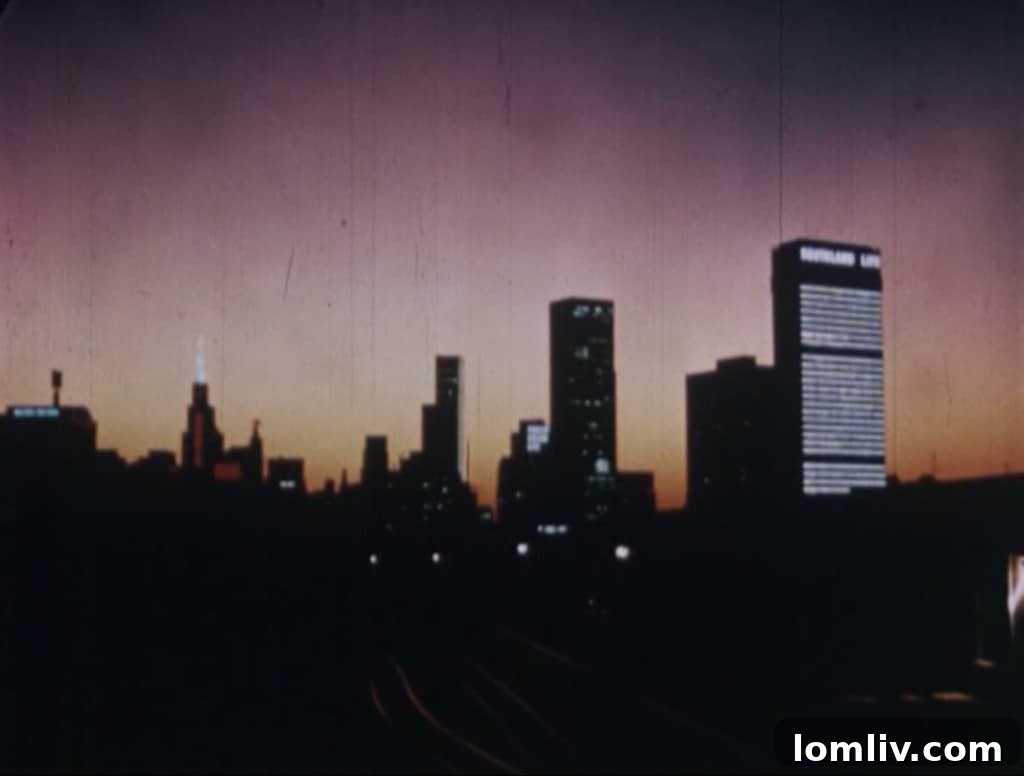
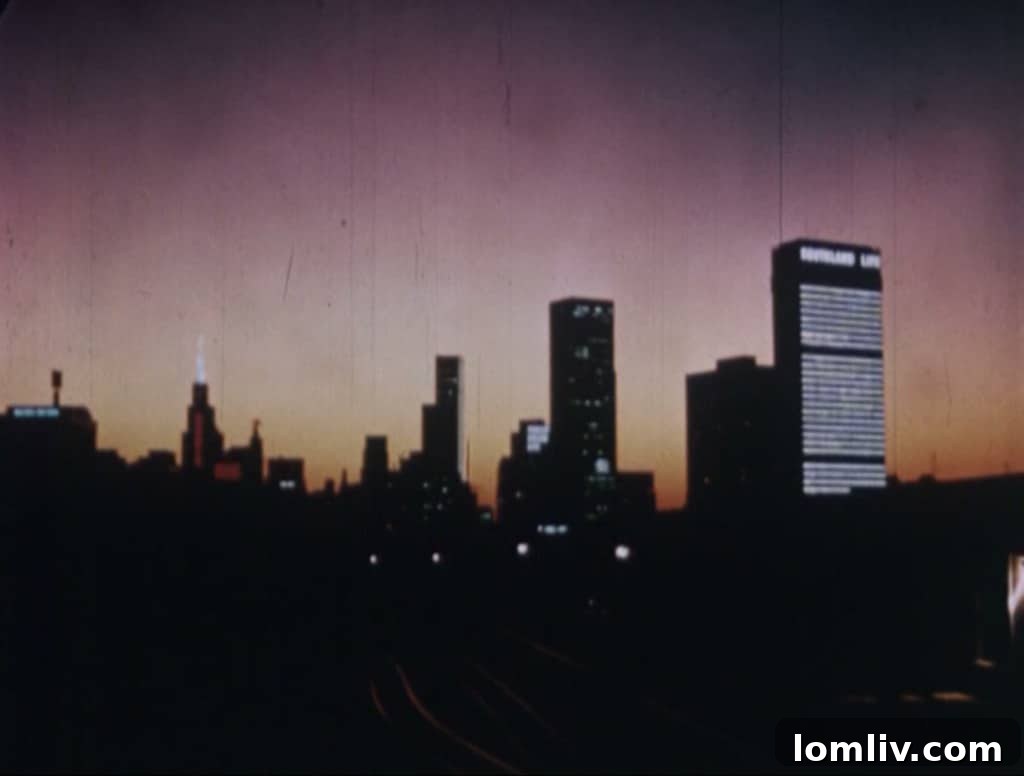
In a compelling testament to the enduring power of historical insight and the pressing relevance of urban development discussions, the American Institute of Architects (AIA) Dallas chapter has announced a significant change for its highly anticipated screening of the 1967 documentary, “The Walls Are Rising.” Due to an unexpectedly large and enthusiastic response from the community, indicating a profound public interest in the film’s subject matter, the event has been strategically relocated to the iconic Sixth Floor Museum at Dealey Plaza. This pivotal film, originally conceived as a powerful call to action regarding urban planning in Dallas, features striking photographs and insightful narration from the talented Austin-based photographer Rob Perryman, offering a unique window into the city’s past while sparking vital conversations about its future. This move underscores the contemporary resonance of the film’s message, highlighting a renewed civic engagement in understanding and shaping Dallas’s urban landscape.
A Timeless Call to Action: The Enduring Legacy of “The Walls Are Rising”
“The Walls Are Rising” is far more than just a historical artifact; it is a profound reflection on the challenges and opportunities that faced Dallas during a period of rapid transformation in the mid-20th century. Released in 1967, a year marked by significant social and urban shifts across America, the documentary served as a critical examination of Dallas’s approach to urban planning and development. At its core, the film passionately advocated for a more thoughtful, community-centric, and sustainable vision for the city’s growth. It questioned the prevailing trends of urban renewal, which often prioritized large-scale demolition and highway construction over the preservation of historical neighborhoods and the intricate needs of existing communities. The documentary dared to ask crucial questions that remain pertinent today: What kind of city were they building? For whom were these developments intended? And at what social and cultural cost?
The film masterfully employs the visual narrative crafted by Rob Perryman, whose keen eye captured the essence of Dallas’s evolving urban landscape. Perryman’s photographs, far from being mere illustrations, are integral to the film’s persuasive power. They depict the raw reality of change – the grandeur of emerging modern structures starkly juxtaposed with the poignant imagery of vanishing heritage, bustling streets, and the quiet dignity of communities on the brink of significant alteration. His narration, equally impactful, provides a personal and critical lens through which viewers are invited to consider the social and architectural consequences of unchecked progress. This sophisticated blend of visual artistry and thoughtful commentary made “The Walls Are Rising” a pioneering piece of urban advocacy, challenging city leaders, architects, and residents alike to envision a more equitable and integrated urban fabric for Dallas.
The Visionary Lens: Rob Perryman’s Indispensable Contribution
Rob Perryman’s contribution to “The Walls Are Rising” is indispensable, serving as the visual and narrative backbone of this seminal work. An accomplished photographer known for his remarkable ability to capture the very soul of a place, Perryman’s work for the documentary goes far beyond simple documentation. He brought a photojournalist’s incisive sensibility to the complex and often contentious subject of urban development, framing the debate not just in terms of concrete and steel, but in terms of human lives, community spirit, and cultural heritage. His images resonate with an authentic understanding of the city’s pulse, highlighting the visual poetry of everyday life that can easily be overlooked or erased in grand development plans. Through his empathetic lens, the audience saw not just buildings being torn down or erected, but homes, livelihoods, and entire communities being reshaped. His photographs served as a powerful counter-narrative to the prevailing top-down planning approaches of the era, emphasizing the lived experience of Dallasites and advocating for a planning process that genuinely served its people.
Perryman’s unique perspective, coupled with the film’s bold and prescient message, underscored the critical role of visual arts in public discourse. By presenting a vivid, often stark, portrayal of Dallas’s urban transformation, “The Walls Are Rising” transcended purely academic debates, making complex urban planning issues accessible and emotionally resonant for a much broader audience. This profound commitment to visual storytelling cemented the film’s status as a vital piece of advocacy cinema, inspiring future generations of urbanists, architects, and community activists to use art as a potent tool for social change, public awareness, and thoughtful dialogue. His legacy continues to inform discussions about how we see, interpret, and ultimately shape our urban environments, reminding us that every planned change has a visual and human story behind it.
AIA Dallas: Fostering Vital Dialogue and Preserving Architectural History
The proactive decision by AIA Dallas to bring “The Walls Are Rising” back into the public consciousness speaks volumes about the organization’s steadfast commitment to fostering meaningful dialogue about architecture, urbanism, and the historical evolution of the city. AIA Dallas, a prominent and influential voice in the architectural community, consistently champions design excellence, sustainable practices, and robust community engagement. By resurrecting and screening a film from over five decades ago, they powerfully underscore the timeless nature of the challenges and opportunities inherent in urban planning. Their initiative highlights the crucial understanding that many contemporary urban issues are deeply rooted in historical decisions, past planning philosophies, and societal values that have shaped our built environment over generations.
The overwhelming public interest in this screening is not merely a nostalgic curiosity for a bygone era; it profoundly reflects a contemporary appetite for understanding how Dallas arrived at its current state and, more importantly, a pervasive desire to actively participate in shaping its future trajectory. This high level of engagement reinforces the fundamental idea that urban planning is not solely the domain of expert architects, city planners, and policymakers, but a collective responsibility that absolutely requires informed public participation. AIA Dallas astutely recognizes this vital civic imperative, strategically using events like this screening to educate, provoke critical thought, and encourage a more active and informed role for citizens in the ongoing story of their city’s development. Their persistent efforts serve as an essential bridge between the specialized architectural profession and the broader community, emphasizing that truly great and resilient cities are built through genuine collaboration, shared vision, and a deep appreciation for both history and future potential.
The Sixth Floor Museum: A Fitting Canvas for Profound Reflection
The relocation of this significant screening event to The Sixth Floor Museum at Dealey Plaza is particularly symbolic and impactful, adding layers of profound meaning to the entire experience. This venue, itself a site of immense historical significance for Dallas and the entire nation, provides an unparalleled and deeply contemplative backdrop for a film that so intimately delves into the city’s past, its pivotal moments, and its evolving trajectory. The museum, meticulously housed in the former Texas School Book Depository building, inherently offers a solemn and reflective space where visitors grapple with moments that forever altered the course of history, both locally and globally. Screening a film titled “The Walls Are Rising” within these hallowed walls adds intricate layers of meaning to the documentary’s message, seamlessly connecting the visual narrative of urban change with the palpable weight of historical events and their lasting repercussions.
The move to a larger, more prominent venue, a direct and resounding response to the community’s enthusiastic demand, signifies more than just a logistical adjustment; it unequivocally represents a deepening and broadening of the conversation around urban development and civic memory. The Sixth Floor Museum, by its very nature and historical context, compels and encourages deep reflection on civic responsibility, the power of historical memory, and the intricate weave of events, decisions, and narratives that shape a city’s identity. Presenting a film about Dallas’s urban identity and its historical choices in such a historically charged and significant environment invites attendees to not only passively watch a documentary but to actively engage in a profound act of civic introspection. It powerfully reinforces the idea that understanding our collective past, even its most challenging and complex aspects, is absolutely essential for building a truly resilient, thoughtful, and equitable future for Dallas and beyond.
Contemporary Relevance: Indispensable Lessons from 1967 for Today’s Dallas
While “The Walls Are Rising” specifically depicts Dallas in the pivotal year of 1967, its central themes and urgent inquiries resonate powerfully and often uncannily with the urban challenges faced by the city today, and indeed, by metropolitan areas worldwide. Issues such as the escalating demand for affordable housing, the complex dynamics of gentrification, the delicate balance between aggressive economic development and crucial environmental sustainability, the provision of adequate and efficient public transportation infrastructure, and the imperative of preserving invaluable historical landmarks against the relentless march of modernization are as pertinent now as they were over half a century ago. The film thus serves as a powerful historical mirror, prompting us to critically examine whether lessons from the past have been fully learned, and how contemporary Dallas is intelligently navigating these complex, multi-faceted dilemmas with foresight and inclusivity.
Modern Dallas continues to grapple with unprecedented rapid growth, demanding innovative solutions that prioritize inclusivity, long-term livability, and sustainable development practices. Discussions around smart city initiatives, green infrastructure, the revitalization of urban cores, and the creation of vibrant, accessible public spaces all profoundly echo the film’s original call for a human-centered approach to urban planning. The documentary challenges us to consider a fundamental question that transcends generations: Are we truly building cities that serve all their inhabitants equitably and effectively? Are we making decisions today that will be celebrated by future generations for their wisdom and foresight, or will they eventually be seen as short-sighted and detrimental? The enduring and critical questions posed by “The Walls Are Rising” serve as a potent reminder that urban planning is not a static blueprint but an ongoing, dynamic dialogue – a continuous process of thoughtful adaptation, bold vision, collective action, and sustained civic engagement. This makes the upcoming screening an invaluable and essential opportunity for residents, planners, architects, and community leaders alike to connect with Dallas’s past, critically engage with its present, and collaboratively contribute to shaping its promising future.
For those eager to delve deeper into the intricate narrative and rich historical context of “The Walls Are Rising,” additional insights and background information are readily available here. To secure your participation in this significant cultural event and join the vital conversation on Dallas’s urban future, tickets can be purchased directly on the official AIA Dallas website. Don’t miss this profound opportunity to connect with Dallas’s past, engage meaningfully with its present, and actively contribute to shaping its resilient and visionary future.