In the fast-paced world of real estate, the adage “if it sounds too good to be true, it probably is” has never been more relevant. As digital transactions become the norm, a new wave of sophisticated real estate fraud, particularly “seller impersonation scams,” is sweeping across the market, leaving a trail of financial devastation for unsuspecting buyers and investors. From fabricated listings to elaborate identity theft, these scams exploit the efficiency of modern communication and the insatiable demand for property, especially in competitive markets like North Texas.
Every week, fresh accounts emerge of individuals lured by exceptionally promising home sales, only to discover the “seller” is conspicuously unavailable for phone calls or on-site meetings. The demand to “just wire the money” should trigger immediate alarms, yet in an era dominated by DocuSign and text message communications, the digital landscape has inadvertently become a fertile ground for cunning fraudsters. These criminals have significantly advanced their tactics, making detection increasingly challenging without heightened vigilance.
The Alarming Rise of Seller Impersonation Fraud
The scale of this issue is substantial, prompting industry leaders to take preventative measures. Scott Rooker, Senior Vice President, Branch Manager, and Legal Counsel for Republic Title of Texas, highlights the firm’s extensive experience with such fraud. Republic Title has even developed a dedicated fact sheet to warn clients about the insidious nature of fake sellers, underscoring the severity of the threat.

“Fraudsters are impersonating legitimate property owners to illegally sell commercial or residential property,” the Republic Title flyer explicitly warns. These criminals are not merely opportunistic; they are highly organized, leveraging stolen or publicly available personal data. They frequently utilize the real property owner’s Social Security and driver’s license numbers in transactions, often employing legitimate notary credentials, sometimes without the notary’s awareness. The sophistication involved makes these criminals incredibly difficult to detect, emphasizing the critical need for vigilance among all parties involved in a real estate transaction.
Real estate agents play a pivotal role in mitigating these risks. As Rooker explained to daltxrealestate.com, realtors who are equipped with the knowledge of key red flags and understand the profound importance of their role can become a crucial line of defense against these elaborate scams. Their expertise and direct interaction with clients and properties provide an essential layer of security that digital systems alone cannot always replicate.
Key Red Flags: What to Scrutinize in Real Estate Transactions
The industry has observed a significant surge in fraudulent transactions, particularly those involving “sellers” who advertise non-owner-occupied properties. A common red flag, as Rooker pointed out, is when the alleged seller’s mailing address differs significantly from the property they are attempting to sell. This discrepancy often indicates an investment property, which fraudsters frequently target due to the reduced likelihood of direct owner oversight.
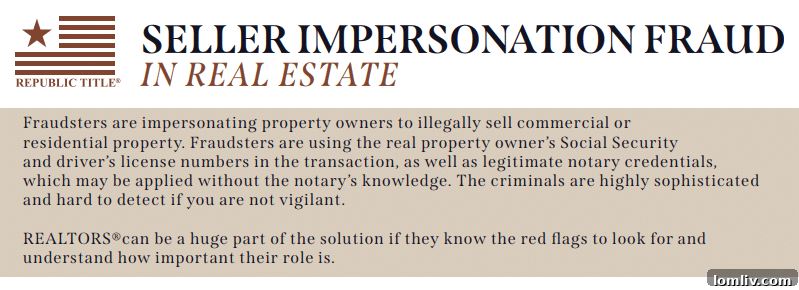
“Somebody’s holding title to a piece of dirt here in Texas and they live in Florida or California or Oklahoma,” Rooker elaborated. Such situations present an ideal scenario for fraudsters, as the true owner may not be actively monitoring the property or local land records. Moreover, these criminals meticulously target properties with no outstanding mortgage liens or existing debts. They scour public records to identify vacant land or unencumbered properties, recognizing them as prime targets. The absence of a mortgage lender in the transaction eliminates a critical layer of verification that would typically require direct communication between the lender and the legitimate seller, thus simplifying the fraudulent process for the scammer. This simplification dramatically reduces the number of checks and balances that would normally be in place, making the transaction flow smoother for the impostor.
Beyond impersonating legitimate sellers, some fraudsters also create entirely fake listings. These are properties that may not exist, or are not actually for sale, but are advertised to lure in eager buyers looking for a deal. This tactic often works in conjunction with other red flags, such as unusually low prices or urgent demands for quick transactions.
The AI Advantage: How Technology Fuels Sophisticated Scams
While artificial intelligence has undeniably revolutionized many aspects of business, its dark side is emerging as a powerful tool for fraudsters in the real estate sector. Paul Hunter, a Houston-based Keller Williams Realtor, recently highlighted this alarming trend in a compelling LinkedIn article, cautioning the industry about the dangers of AI impersonation.
“One of the most insidious uses of AI in the real estate industry is the creation of fake property listings,” Hunter stated. With the advanced capabilities of AI-generated content, scammers can now craft incredibly convincing property descriptions that read as authentic, generate highly realistic images of non-existent properties, and even fabricate immersive virtual tours designed to thoroughly deceive prospective buyers. These fabricated listings are so sophisticated that they can appear on legitimate real estate platforms, making them exceptionally challenging for the average buyer to identify as fraudulent.
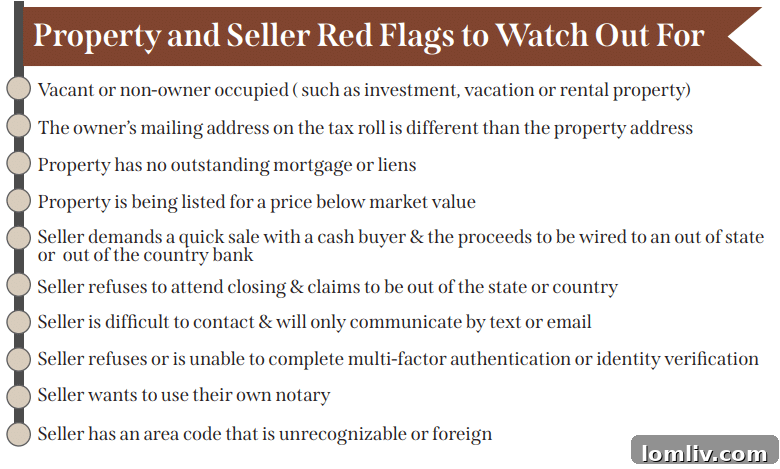
A recurring theme in these scams is the severe limitation, or even complete absence, of verbal interaction. Scammers prefer to keep communication confined to text messages or emails, avoiding any direct contact that could reveal their true identity. “It’s quick; there’s not a lot of people between themselves and the money,” Rooker noted, explaining the fraudsters’ preference for minimal human interaction. These criminals steadfastly refuse phone calls, video conferences, or any form of multi-factor authentication process that would verify their identity. They often insist on using their own mobile notary, bypassing the standard closing procedures and professional oversight. Their reluctance to attend closing physically or participate in any verification methods is a glaring red flag that should never be ignored.
The integration of artificial intelligence is only expected to exacerbate these issues. Rooker expressed grave concerns about the future, stating, “It’s really scary. We’re just hitting the tip of the iceberg.” He warned that even robust security measures like two-way authentication with video calls could be circumvented by advanced AI technology, which can convincingly replicate a person’s image and voice (deepfakes). This potential for AI-powered impersonation poses an unprecedented challenge to the integrity of real estate transactions, demanding innovative and proactive security solutions from the industry.
Protecting Your Investment: Strategies to Avoid Real Estate Scams
When a deal appears unbelievably good, it’s imperative for potential homebuyers and investors to exercise extreme caution and immediately consult with a trusted real estate professional. Noting and investigating any inconsistencies, no matter how minor, can be the difference between a successful investment and a devastating loss.
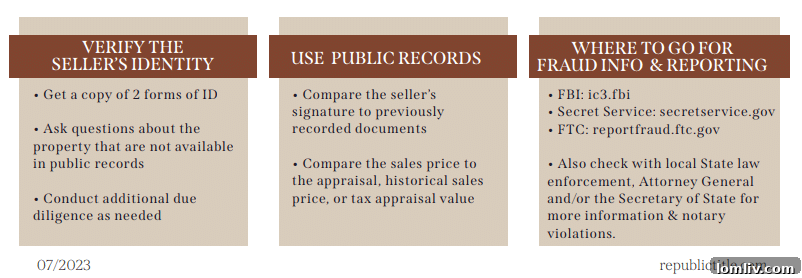
Title companies, like Republic Title, serve as crucial gatekeepers. Rooker explained their rigorous process: “When we get too many inconsistencies, we’re going to terminate the deal and just respectfully decline to insure.” He added that many fraud attempts are thwarted because, upon facing scrutiny, the supposed sellers simply disappear, confirming their fraudulent intentions. The attempts at fraudulent transactions have significantly increased this year, indicating a growing problem that demands universal awareness.

The aftermath of natural disasters can also create fertile ground for these scams. “With all the damage in Hawaii and Florida, with all those insurance proceeds, seller impersonation fraud could be rampant over there,” Rooker cautioned. In such vulnerable areas, homeowners might be displaced or eager to sell damaged properties quickly, making them prime targets for fraudsters who can exploit the chaos and urgency. This underscores the need for real estate agents and other professionals to be extra vigilant in disaster-stricken regions, as the financial losses from such fraud are not just individual tragedies but also void transactions that impact the entire ecosystem.
The National Association of Realtors (NAR) actively addresses these threats, providing essential guidance to its members. NAR has cautioned agents to adopt robust data systems capable of detecting and flagging fake information. Furthermore, they emphasize the implementation of strong encryption security measures for all communications and transactions. Most critically, NAR stresses the importance of conducting thorough due diligence, which includes personally previewing and inspecting properties, and meticulously reviewing all legal documents associated with the sale. These steps are vital in verifying the authenticity of both the property and the seller.
Beyond preventative measures, Rooker strongly advises that any suspected fraud or identity theft should be promptly reported to the appropriate authorities. Reporting helps law enforcement track these criminal networks and protect future victims. The fraudsters are keenly aware of market dynamics, particularly periods of low inventory, which creates a sense of desperation among buyers eager to secure a deal. This desperation makes individuals more susceptible to seemingly attractive, yet fraudulent, offers.
The Future Landscape: Adapting to Evolving Threats
The persistent nature of these scams suggests they will continue to infiltrate and challenge markets across North Texas and beyond. As real estate transactions increasingly move towards digital and remote solutions, the industry faces fundamental questions about how to maintain security without compromising convenience.
“How do we do mobile closings anymore?” Rooker pondered, highlighting a critical dilemma. Mobile closings, while offering unprecedented flexibility, introduce new vulnerabilities that fraudsters are quick to exploit. The industry must proactively address these challenges by investing in advanced security protocols, embracing innovative verification technologies, and continuously educating real estate professionals and consumers alike. The fight against real estate fraud is an ongoing battle that requires collective effort, continuous adaptation, and unwavering vigilance to protect the integrity of property ownership and the financial well-being of all participants in the market.
In the fast-paced world of real estate, the adage “if it sounds too good to be true, it probably is” has never been more relevant. As digital transactions become the norm, a new wave of sophisticated real estate fraud, particularly “seller impersonation scams,” is sweeping across the market, leaving a trail of financial devastation for unsuspecting buyers and investors. From fabricated listings to elaborate identity theft, these scams exploit the efficiency of modern communication and the insatiable demand for property, especially in competitive markets like North Texas.
Every week, fresh accounts emerge of individuals lured by exceptionally promising home sales, only to discover the “seller” is conspicuously unavailable for phone calls or on-site meetings. The demand to “just wire the money” should trigger immediate alarms, yet in an era dominated by DocuSign and text message communications, the digital landscape has inadvertently become a fertile ground for cunning fraudsters. These criminals have significantly advanced their tactics, making detection increasingly challenging without heightened vigilance.
The Alarming Rise of Seller Impersonation Fraud
The scale of this issue is substantial, prompting industry leaders to take preventative measures. Scott Rooker, Senior Vice President, Branch Manager, and Legal Counsel for Republic Title of Texas, highlights the firm’s extensive experience with such fraud. Republic Title has even developed a dedicated fact sheet to warn clients about the insidious nature of fake sellers, underscoring the severity of the threat.
“Fraudsters are impersonating legitimate property owners to illegally sell commercial or residential property,” the Republic Title flyer explicitly warns. These criminals are not merely opportunistic; they are highly organized, leveraging stolen or publicly available personal data. They frequently utilize the real property owner’s Social Security and driver’s license numbers in transactions, often employing legitimate notary credentials, sometimes without the notary’s awareness. The sophistication involved makes these criminals incredibly difficult to detect, emphasizing the critical need for vigilance among all parties involved in a real estate transaction.
Real estate agents play a pivotal role in mitigating these risks. As Rooker explained to daltxrealestate.com, realtors who are equipped with the knowledge of key red flags and understand the profound importance of their role can become a crucial line of defense against these elaborate scams. Their expertise and direct interaction with clients and properties provide an essential layer of security that digital systems alone cannot always replicate.
Key Red Flags: What to Scrutinize in Real Estate Transactions
The industry has observed a significant surge in fraudulent transactions, particularly those involving “sellers” who advertise non-owner-occupied properties. A common red flag, as Rooker pointed out, is when the alleged seller’s mailing address differs significantly from the property they are attempting to sell. This discrepancy often indicates an investment property, which fraudsters frequently target due to the reduced likelihood of direct owner oversight.
“Somebody’s holding title to a piece of dirt here in Texas and they live in Florida or California or Oklahoma,” Rooker elaborated. Such situations present an ideal scenario for fraudsters, as the true owner may not be actively monitoring the property or local land records. Moreover, these criminals meticulously target properties with no outstanding mortgage liens or existing debts. They scour public records to identify vacant land or unencumbered properties, recognizing them as prime targets. The absence of a mortgage lender in the transaction eliminates a critical layer of verification that would typically require direct communication between the lender and the legitimate seller, thus simplifying the fraudulent process for the scammer. This simplification dramatically reduces the number of checks and balances that would normally be in place, making the transaction flow smoother for the impostor.
Beyond impersonating legitimate sellers, some fraudsters also create entirely fake listings. These are properties that may not exist, or are not actually for sale, but are advertised to lure in eager buyers looking for a deal. This tactic often works in conjunction with other red flags, such as unusually low prices or urgent demands for quick transactions.
The AI Advantage: How Technology Fuels Sophisticated Scams
While artificial intelligence has undeniably revolutionized many aspects of business, its dark side is emerging as a powerful tool for fraudsters in the real estate sector. Paul Hunter, a Houston-based Keller Williams Realtor, recently highlighted this alarming trend in a compelling LinkedIn article, cautioning the industry about the dangers of AI impersonation.
“One of the most insidious uses of AI in the real estate industry is the creation of fake property listings,” Hunter stated. With the advanced capabilities of AI-generated content, scammers can now craft incredibly convincing property descriptions that read as authentic, generate highly realistic images of non-existent properties, and even fabricate immersive virtual tours designed to thoroughly deceive prospective buyers. These fabricated listings are so sophisticated that they can appear on legitimate real estate platforms, making them exceptionally challenging for the average buyer to identify as fraudulent.
A recurring theme in these scams is the severe limitation, or even complete absence, of verbal interaction. Scammers prefer to keep communication confined to text messages or emails, avoiding any direct contact that could reveal their true identity. “It’s quick; there’s not a lot of people between themselves and the money,” Rooker noted, explaining the fraudsters’ preference for minimal human interaction. These criminals steadfastly refuse phone calls, video conferences, or any form of multi-factor authentication process that would verify their identity. They often insist on using their own mobile notary, bypassing the standard closing procedures and professional oversight. Their reluctance to attend closing physically or participate in any verification methods is a glaring red flag that should never be ignored.
The integration of artificial intelligence is only expected to exacerbate these issues. Rooker expressed grave concerns about the future, stating, “It’s really scary. We’re just hitting the tip of the iceberg.” He warned that even robust security measures like two-way authentication with video calls could be circumvented by advanced AI technology, which can convincingly replicate a person’s image and voice (deepfakes). This potential for AI-powered impersonation poses an unprecedented challenge to the integrity of real estate transactions, demanding innovative and proactive security solutions from the industry.
Protecting Your Investment: Strategies to Avoid Real Estate Scams
When a deal appears unbelievably good, it’s imperative for potential homebuyers and investors to exercise extreme caution and immediately consult with a trusted real estate professional. Noting and investigating any inconsistencies, no matter how minor, can be the difference between a successful investment and a devastating loss.
Title companies, like Republic Title, serve as crucial gatekeepers. Rooker explained their rigorous process: “When we get too many inconsistencies, we’re going to terminate the deal and just respectfully decline to insure.” He added that many fraud attempts are thwarted because, upon facing scrutiny, the supposed sellers simply disappear, confirming their fraudulent intentions. The attempts at fraudulent transactions have significantly increased this year, indicating a growing problem that demands universal awareness.
The aftermath of natural disasters can also create fertile ground for these scams. “With all the damage in Hawaii and Florida, with all those insurance proceeds, seller impersonation fraud could be rampant over there,” Rooker cautioned. In such vulnerable areas, homeowners might be displaced or eager to sell damaged properties quickly, making them prime targets for fraudsters who can exploit the chaos and urgency. This underscores the need for real estate agents and other professionals to be extra vigilant in disaster-stricken regions, as the financial losses from such fraud are not just individual tragedies but also void transactions that impact the entire ecosystem.
The National Association of Realtors (NAR) actively addresses these threats, providing essential guidance to its members. NAR has cautioned agents to adopt robust data systems capable of detecting and flagging fake information. Furthermore, they emphasize the implementation of strong encryption security measures for all communications and transactions. Most critically, NAR stresses the importance of conducting thorough due diligence, which includes personally previewing and inspecting properties, and meticulously reviewing all legal documents associated with the sale. These steps are vital in verifying the authenticity of both the property and the seller.
Beyond preventative measures, Rooker strongly advises that any suspected fraud or identity theft should be promptly reported to the appropriate authorities. Reporting helps law enforcement track these criminal networks and protect future victims. The fraudsters are keenly aware of market dynamics, particularly periods of low inventory, which creates a sense of desperation among buyers eager to secure a deal. This desperation makes individuals more susceptible to seemingly attractive, yet fraudulent, offers.
The Future Landscape: Adapting to Evolving Threats
The persistent nature of these scams suggests they will continue to infiltrate and challenge markets across North Texas and beyond. As real estate transactions increasingly move towards digital and remote solutions, the industry faces fundamental questions about how to maintain security without compromising convenience.
“How do we do mobile closings anymore?” Rooker pondered, highlighting a critical dilemma. Mobile closings, while offering unprecedented flexibility, introduce new vulnerabilities that fraudsters are quick to exploit. The industry must proactively address these challenges by investing in advanced security protocols, embracing innovative verification technologies, and continuously educating real estate professionals and consumers alike. The fight against real estate fraud is an ongoing battle that requires collective effort, continuous adaptation, and unwavering vigilance to protect the integrity of property ownership and the financial well-being of all participants in the market.