Fair Park’s Future: Charting a Path for Equitable Development and Community Empowerment
The future of Dallas’s historic Fair Park district is a topic that demands careful consideration, robust dialogue, and transparent planning. The video above, a comprehensive 1-hour and 20-minute recording, captures a pivotal panel discussion that delves deep into the proposed developments for this vital area. Provided by the Foundation for Community Empowerment, an organization founded by Don Williams, this discussion offers invaluable insights into the hopes and anxieties surrounding Fair Park’s evolution. It serves as a crucial resource for anyone invested in the equitable growth and sustainable revitalization of Dallas communities.
A Crucial Dialogue at Paul Quinn College: Unpacking the Fair Park Proposal
Just a week ago last Saturday morning, Paul Quinn College became the vibrant setting for a lively and essential panel discussion. This event, generously sponsored by the African American Leadership Institute and meticulously organized by state senator Royce West, brought together a diverse group of stakeholders to examine the nuances of the Fair Park proposal. The assembly itself underscored the significance of the debate, bringing the conversation directly to the community it would most profoundly impact.
The podium hosted a formidable lineup of Dallas’s influential figures, each contributing their unique perspective to the multifaceted discussion. Among the esteemed panelists were Mayor Rawlings, a key decision-maker in the city’s urban development strategies; Walt Humann, a prominent voice in civic and business circles; Don Williams, founder of the Foundation for Community Empowerment; State Senator Royce West, the diligent orchestrator of the event; Commissioner John Wiley Price, a long-serving advocate for his constituents; and Michael Phillips, the insightful author of White Metropolis. This diverse panel ensured a comprehensive exploration of the proposal’s implications, covering everything from economic opportunities to social equity.
Michael Phillips’ Powerful Warning: The Perils of “Domestic Colonization”
Michael Phillips, whose compelling address is featured prominently in the discussion, initiated the panel with a striking articulation of his profound concerns. He immediately highlighted a critical deficiency: the perceived lack of meaningful public input and transparent communication surrounding the Fair Park proposal. Phillips voiced deep apprehension that the valuable real estate encircling Fair Park could fall prey to what he starkly labels “domestic colonization.” This potent term resonated strongly with many in attendance, reflecting a widespread worry about the potential displacement and marginalization of existing residents in the face of large-scale development.
Phillips further underscored his concern about the governance structure envisioned for this crucial piece of Dallas’s heritage. “I’m concerned by the fact that this valuable piece of Dallas real estate would be governed by a board that could meet without any public record. It’s a private corporation, right? A private foundation,” he stated, emphasizing the inherent risks of a lack of public accountability when a private entity oversees a public asset. His points are undeniably valid, raising fundamental questions about transparency and democratic process in urban renewal projects.
He then delivered an even more pointed definition of his concept:
What’s really going on with “gentrification” is domestic colonization. And when you have a colonial relationship, that is designed to be unequal. That is not equal. You have an imperial power that extracts wealth out of a colony. That’s land, products and low wage labor, and that’s what goes on with gentrification. And then the colonial power then sells products at a grossly inflated rate and rips off the people who live in the colony. That’s what going on with gentrification. I want to make this clear.
Understanding “Domestic Colonization” in the Context of Fair Park
Phillips’s analogy of “domestic colonization” offers a chillingly accurate lens through which to view certain patterns of urban development, particularly when considering the historical trajectory of the Fair Park neighborhood. This area has endured a challenging past, marked by systemic neglect and socioeconomic disparities, making Phillips’s concerns particularly salient. While the early 20th century saw “terrible” conditions in many parts of the world, Fair Park’s specific local history makes its residents acutely vulnerable to perceived exploitative practices.
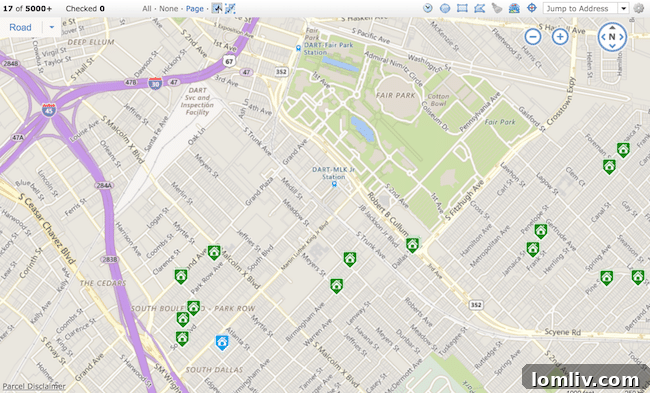
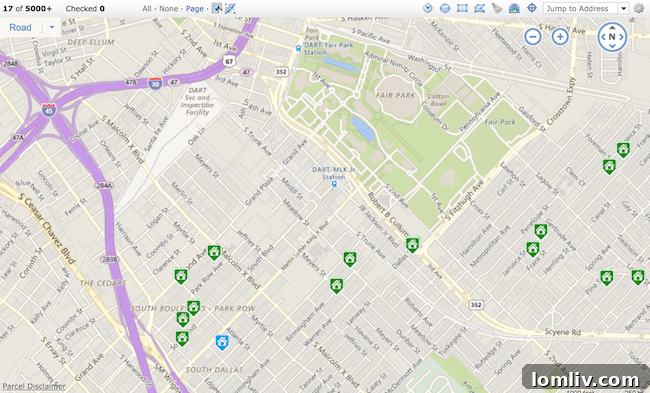
Indeed, it can be argued that a form of “domestic colonization” has long characterized the socio-economic landscape around Fair Park. A significant majority of residents are tenants, with only a small fraction owning their homes. A quick search on the MLS for properties in this area often reveals a stark scarcity of homes for sale, indicating a limited pathway for existing residents to build equity or establish generational wealth. This long-standing reality underscores the urgency of addressing not just the physical structures but also the systemic inequalities that have kept many residents in a perpetual state of tenancy, akin to the “serfs to the landlord’s manor” Phillips describes.
A Fighting Chance for Fair Park: Beyond Renovation, Towards True Empowerment
Despite the grim historical context and the pressing concerns of gentrification, there remains a tangible “fighting chance” for the people of this neighborhood. This optimism hinges on the implementation of a thoughtful, inclusive plan that prioritizes the long-term well-being of the community. Such a plan must encompass not only the revitalization of Fair Park itself but also robust support for its residents, ideally through initiatives focused on homeownership and the creation of vibrant neighborhood amenities, such as a community park.
The goal should extend beyond merely repairing the historic buildings, essential as they are to our collective history. The true objective must be to comprehensively repair the neighborhood, fostering an environment where residents can thrive economically and socially. This necessitates a cautious and strategically designed approach to real estate development, one that consciously works to prevent displacement and promote genuine equity. While it might seem a visionary concept, why not embed into the Fair Park development plan a concrete commitment from a major financial institution?
Innovative Pathways to Homeownership: A Model for Sustainable Growth
Imagine a scenario where a financial institution steps forward to offer low down payment, low-interest loans specifically tailored for Fair Park residents. This initiative would go hand-in-hand with comprehensive educational programs, teaching new homeowners not only how to renovate their properties but also how to effectively maintain them for long-term value. Such a model wouldn’t just provide a house; it would equip residents with the tools and knowledge to take genuine ownership in their community, transforming them from tenants into stakeholders. This isn’t merely about living in a neighborhood; it’s about investing in its future and building generational wealth.
To further bolster this vision, consider an arrangement where this committed financial institution establishes a physical presence within one of the revitalized Fair Park buildings. In exchange for providing crucial building and neighborhood repair services, including invaluable homeownership workshops, the Foundation could offer rent abatement. This symbiotic relationship could create a powerful hub for community development, bringing essential services directly to the residents. This is a chance for large institutions, perhaps even those looking to enhance their community standing, like Wells Fargo with its public reputation repair efforts, to truly make a difference beyond mere philanthropy.
The Indispensable Role of Homeownership in Wealth Creation and Community Stability
While the financial benefits of homeownership are widely acknowledged, the path to homeownership has historically presented challenges for lower-income and minority households. Yet, extensive research consistently affirms its transformative power. A 2001 symposium hosted by the Joint Center for Housing Studies aimed to “examin[e] the unexamined goal” of boosting low-income homeownership. The consensus among the papers presented was clear: lower-income households do indeed benefit significantly from owning homes, albeit with various “caveats and codicils” that necessitate targeted support and thoughtful policy design.
For generations, owning a home has been a central pillar in the American dream and a primary vehicle for accumulating wealth. Even in the volatile aftermath of the housing bust, the net worth of homeowners continues to significantly outpace that of renters. To deny individuals the opportunity to own a home, effectively confining them to a perpetual rental pool, often perpetuates the very “domestic colonization” Michael Phillips warned against. Without the ability to build equity, these individuals are stripped of the chance to create any amount of wealth or establish a small nest egg, remaining perpetually dependent.
A pivotal study by researchers at the Joint Center for Housing Studies at Harvard University meticulously analyzed how homeownership, even for the economically disadvantaged, can profoundly aid in wealth accumulation. Homeownership inherently encourages financial discipline: it requires potential buyers to save for a down payment, and subsequently, it compels them to continue saving by systematically paying down a portion of their mortgage principal each month. This structured approach to savings is often absent in rental agreements. Crucially, the study highlights the need for well-designed programs to assist with down payment requirements and provide support for home maintenance and repair, making homeownership accessible and sustainable for a broader demographic.
Homeownership’s appeal lies strongly in associations with having control over one’s living situation, the desire to put down roots in a community, and the sense of efficacy and success that is associated with owning (Reid, 2013; Drew and Herbert, 2012). If the only reason to support homeownership were to foster wealth, than other means for encouraging savings in a more safe and secure way would be best. But the fact that homeowning is strongly preferred for a host of other reasons by most individuals as they age provides further support for policies to promote homeownership out of equity concerns to help individuals and families achieve this important goal. The social benefits of homeownership lend further credence to the value of supports for homeownership 49 (Rohe and Lindstrom, 2013).
Beyond the purely financial incentives, homeownership offers a myriad of profound social benefits that are equally critical for community stability and individual well-being. It provides a sense of control over one’s living environment, fosters a deep desire to establish roots within a community, and cultivates a powerful sense of efficacy and success. These intrinsic values often outweigh purely economic considerations for many individuals. Therefore, promoting homeownership through equitable policies is not just about wealth; it’s about empowering families to achieve a fundamental life goal, enhancing social cohesion, and building stronger, more engaged communities.
Accountability and Sustainable Stewardship: Addressing the “800 lb. Gorilla”
The success of any revitalization effort, particularly one as significant as Fair Park, ultimately hinges on accountability. As for the proverbial “800 lb. gorilla” in the room—the challenge of ensuring all parties fulfill their commitments—the solution is clear: robust oversight and clear consequences. If, for instance, a managing entity or partner is not living up to the terms of their agreement, a structured process for remediation is essential. This could involve an initial warning, followed by a defined period—say, 60 to 90 days—to rectify the issues. Should the terms remain unmet, a responsible course of action would be to explore alternatives and consider changing stewardship to ensure the community’s best interests are consistently upheld.
Conclusion: A Call for Equitable Development in Fair Park
The ongoing dialogue surrounding Fair Park’s future presents a unique opportunity to redefine urban revitalization. It’s a chance to move beyond past patterns of neglect and potential “domestic colonization” towards a model of truly equitable development. By actively engaging residents, ensuring transparent governance, and implementing innovative homeownership programs, Fair Park can become a beacon of community empowerment. The path forward demands a commitment to repairing not just the physical infrastructure but, more importantly, the social and economic fabric of the neighborhood, ensuring that existing residents are the primary beneficiaries of its renewed prosperity.