The urban landscape is constantly evolving, and with it, the innovative solutions designed to meet the dynamic needs of modern living. In bustling cities like Dallas, where housing demands are soaring and space is at a premium, concepts like Accessory Dwelling Units (ADUs) and Industrialized Housing are sparking vital conversations. For many, the jargon – “party walls,” “accessory structures,” and intricate code/zoning regulations – can feel overwhelming, creating a complex puzzle that local municipalities are striving to solve. As Dallas grapples with the decision of integrating ADUs into its urban fabric, it stands at a pivotal moment, poised to embrace smarter, more sustainable housing strategies.
Across the nation, forward-thinking cities, from the vibrant streets of Austin to other diverse metropolitan areas, have already recognized the transformative potential of ADUs. These cities are actively collaborating with builders, homeowners, and community stakeholders to craft solutions that not only enhance the quality of life for residents but also address critical challenges such as housing affordability, multi-generational living, and the pressing need for flexible spaces – a need brought into sharp focus by recent global health crises. This progressive approach, favoring collaboration over contention, is paving the way for more resilient and inclusive urban environments.
My own journey into the labyrinth of politics and government regulations began with a healthy dose of apprehension. Historically, the intricacies of city planning and legislative debates felt distant and formidable. However, a few years ago, the contentious Fair Park debate ignited a spark, compelling me, as a Lifestylist®, to step out of my comfort zone. I realized it was time to leverage my expertise and network to advocate for positive change, particularly in the realm of affordable housing in Dallas. This personal pivot underscored a growing conviction: every voice, especially those rooted in practical experience, is crucial in shaping our communities.
Living in a meticulously repurposed 1940s printing factory, designed as a live-work space, comes with its unique set of charming challenges. From explaining to the city sanitation department that, indeed, only two individuals reside here – debunking any notions of an Airbnb, mortuary, or illicit apartment complex – to navigating the quirks of an older structure, my daily life is a testament to adaptive urban living. This experience, deeply rooted in my diverse Oak Cliff neighborhood, surrounded by buildings rich in history and character, has only strengthened my belief in flexible and unconventional housing solutions.
My unexpected foray into local politics deepened when a seemingly minor issue – the failure of the sanitation department to return my trash cans – led me to contact my city council member, Chad West. This proved to be an invaluable connection; Councilman West swiftly resolved the problem, demonstrating the tangible impact of effective local representation. What truly surprised me, however, was discovering his active involvement in urging the City Plan Commission to update the ADU ordinance. Given my national work on similar housing initiatives, the realization that such a critical local discussion was unfolding without my immediate awareness underscored a significant communication gap, not just for me, but for many homeowners and consumers.
This experience highlighted a crucial point: while concepts like ADUs might seem like niche planning topics, they have the potential to profoundly impact residential landscapes across the city. The good news is that you don’t need to be a policy expert or a college professor to understand the essence of this movement. I’ve diligently immersed myself in the research, asked countless questions, and distilled complex regulations into an easily digestible format. My goal is to equip you with a clear, concise understanding of what ADUs are, why they matter, and how they could very well be coming to a backyard near you, shaping the future of living in Dallas.
ADU: Unpacking the Accessory Dwelling Unit
At its core, an Accessory Dwelling Unit (ADU) is precisely what its name implies: a secondary, smaller residential unit built on the same property as a primary residence. Crucially, an ADU cannot be bought or sold independently; it remains an integral part of the main property, with shared ownership. This fundamental characteristic distinguishes ADUs from separate land parcels or condominium units, ensuring they complement, rather than detract from, the existing neighborhood structure. The City of Dallas officially recognizes ADUs by many familiar monikers, often referring to them as “granny flats,” “garage apartments,” “back houses,” or “mother-in-law quarters.” These charming colloquialisms underscore their common purpose: providing a self-contained living space for family members, guests, or tenants, while maintaining a connection to the main home.
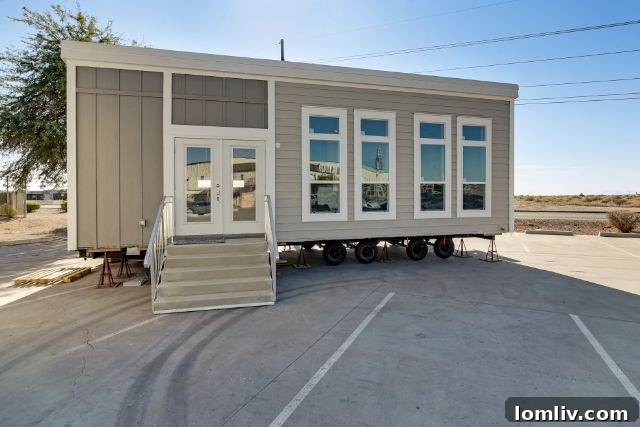
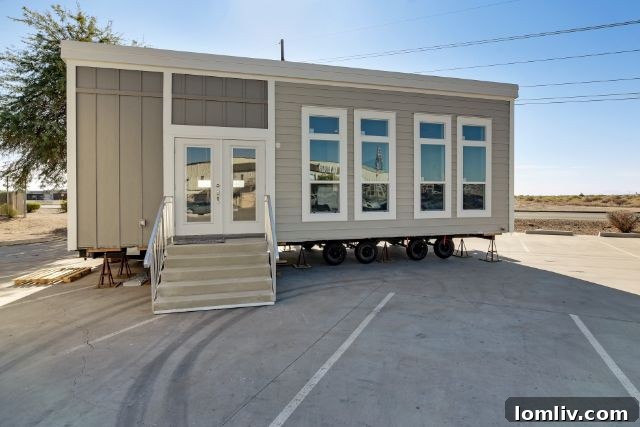
A common question arises: Is an ADU simply another term for a “tiny house”? While many tiny houses can function as ADUs, the two terms are not interchangeable. A tiny house primarily defines a structure by its compact size, often emphasizing minimalist living, mobility, or a detached lifestyle. An ADU, conversely, is defined by its legal relationship to a primary dwelling on the same lot. This means a tiny house placed in your backyard to serve as a guest suite or rental unit would be an ADU, but a tiny house on wheels traveling the country would not. The distinction lies in their intended use and legal classification within zoning codes, highlighting the versatility of ADUs in urban planning.
Industrialized Housing: A Modern Approach to Construction
The term “Industrialized Housing” might sound unfamiliar, even a little intimidating, but it’s central to the modern housing solutions being discussed in Dallas. This concept, often misunderstood, is prominently featured in the city’s proposed ordinance. To clarify, let’s turn to a precise definition from Section 1202.002 of the Texas Occupations Code. According to this statute, industrialized housing refers to a residential structure that meets three key criteria:
- It is meticulously designed for the occupancy of one or more families.
- It is expertly constructed in one or more modules, or crafted using modular components, at a specialized facility located away from the final, permanent building site.
- It is engineered to function as a permanent residential structure once the module or modular component is transported to its intended site and securely erected or installed upon a permanent foundation system.
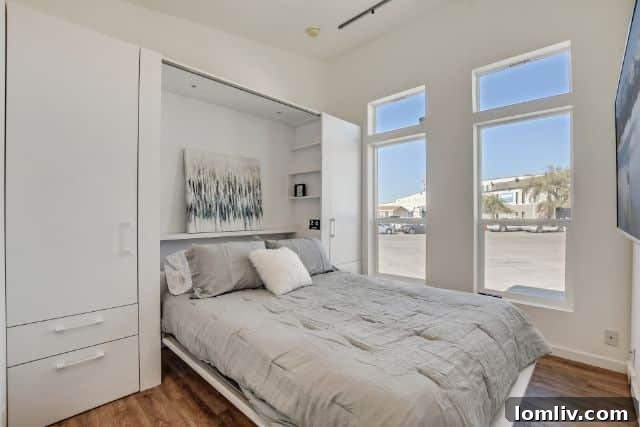
When I first encountered this term, my immediate interpretation gravitated towards what many might colloquially call a “modular-built home.” These are residences where significant portions or entire sections are meticulously fabricated off-site in controlled factory environments. Once completed, these pre-built components are then efficiently transported to the designated property, where they are skillfully placed onto a permanent foundation and swiftly connected to essential utilities. This streamlined process often allows for installation within a matter of days, a stark contrast to traditional construction timelines.
The benefits of this construction methodology are manifold and profoundly impactful, especially for ADUs. One of the most compelling advantages is the significant reduction in disruption to the existing neighborhood. Imagine an ADU being delivered and installed in a matter of days, rather than the minimum of 90-plus days, or even several months, typically required for on-site, traditional building methods. This accelerated timeline not only minimizes noise, traffic, and construction waste but also allows homeowners to realize the benefits of their new space much sooner. Furthermore, factory-controlled environments ensure higher quality control, precision engineering, and often, a reduction in material waste, leading to a more sustainable and efficient build.
The exciting news for the Dallas-Fort Worth area is that innovative companies are already at the forefront of this manufacturing process. These builders are crafting industrialized homes complete with high-quality siding, durable roofs, and exquisite interior finishes. These structures are designed to seamlessly integrate with and even enhance the existing architectural styles prevalent in our communities, dispelling any outdated notions of “prefabricated” looking out of place. This ensures that new ADUs not only provide functional space but also contribute positively to the aesthetic charm and property value of our neighborhoods.
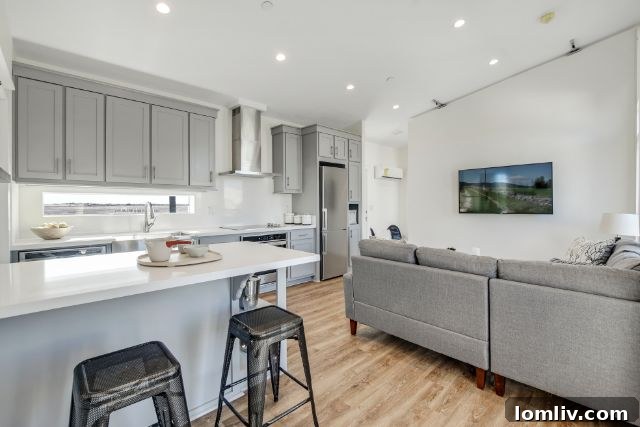
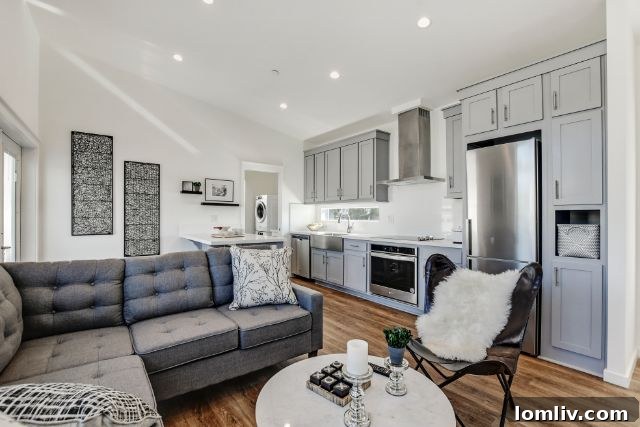
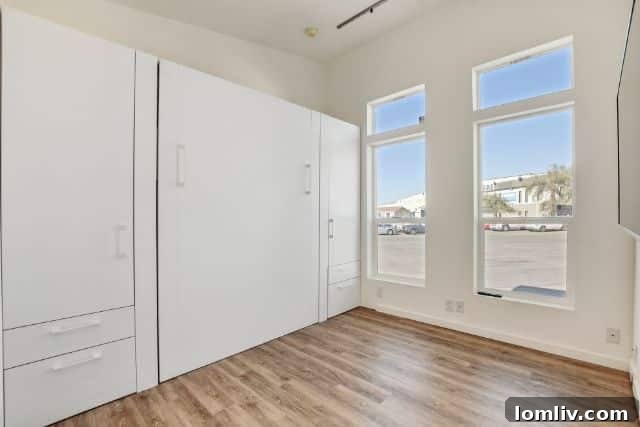
A prime example of this innovation is Skyline Champion, which boasts a cutting-edge building facility in Burleson, Texas. I had the privilege of witnessing one of their impressive ADU designs at the International Builders Show in Las Vegas this year. The craftsmanship and attention to detail were remarkable, showcasing how industrialized housing can achieve both aesthetic appeal and robust functionality. Another standout is the URBANEER by Genesis ADUs, which offers a truly revolutionary feature: a moveable wall with integrated wireless power. This ingenious design allows for unparalleled spatial flexibility, transforming a daytime living area into a spacious bedroom at night with the help of a cleverly designed fold-down bed. This innovation makes the home feel significantly larger than its actual footprint, all while incorporating a full kitchen and a dedicated utility room. Such advancements highlight the sophisticated and adaptable nature of modern industrialized housing, challenging preconceived notions and opening up new possibilities for compact, efficient living.
Who Needs an ADU? Exploring the Multifaceted Benefits for Dallas Homeowners
In today’s dynamic world, the question isn’t so much “who needs an ADU?” but rather “who wouldn’t benefit from additional, flexible space on their property?” The relevance of Accessory Dwelling Units extends far beyond traditional uses, addressing a myriad of contemporary needs for homeowners in Dallas and across the nation. The recent COVID-19 pandemic, which impacted Texas significantly, underscored the critical importance of adaptable living environments. Imagine the invaluable benefit of having a dedicated ADU for safe, comfortable quarantine or as a secluded workspace for essential home-based tasks. This immediate and pressing need for personal space and isolation capabilities brought ADUs into the spotlight as more than just a convenience, but a practical necessity.
Beyond immediate health concerns, ADUs offer profound solutions for multi-generational living. As our society ages, many families face the challenge of caring for elderly parents. An ADU provides the perfect balance: a private, independent living space for parents just a few steps away, allowing for close proximity and easy care, without the complexities of living under the same roof. This arrangement fosters both connection and autonomy, enhancing the quality of life for all family members. Similarly, for young adults returning home after college or facing high housing costs, an ADU offers a transitional space that promotes independence while remaining connected to family support.
The utility of an ADU extends to various lifestyle enhancements. For homeowners who love to entertain, an ADU serves as an ideal guest house, offering friends and family a comfortable, private retreat during visits. This eliminates the need for hotel stays and fosters a more intimate, welcoming experience. For families embracing the growing trend of homeschooling, an ADU can be transformed into a dedicated, inspiring learning environment, free from the distractions of the main house. It can also function as a quiet home office, a vibrant art studio, a personal gym, or even a specialized workshop, providing invaluable space for hobbies and professional pursuits without encroaching on the primary living areas. The flexibility inherent in ADU design means it can adapt to evolving needs over time, making it a truly future-proof investment.
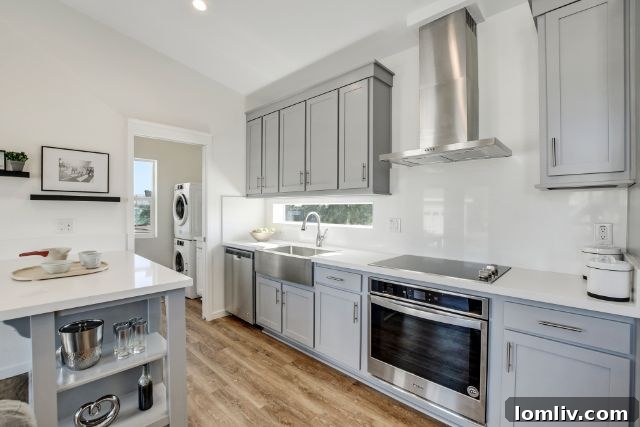
Furthermore, ADUs present a tangible solution to Dallas’s ongoing housing affordability crisis. By increasing density responsibly within existing residential zones, they offer more diverse and attainable housing options for individuals and families. Homeowners can also generate passive income by renting out their ADU, providing financial relief and contributing to their long-term financial stability. This rental income can offset mortgage costs, fund home improvements, or simply provide an additional stream of revenue. From an investment perspective, adding an ADU can significantly boost property value, making it a wise long-term asset.
This progressive shift towards embracing ADUs holds immense potential for Dallas, promising multifaceted benefits for individual homeowners and the community at large. I am deeply enthusiastic about continuing to explore and share insights on this crucial topic, believing it will contribute to a more vibrant, resilient, and inclusive urban future. For those eager to delve deeper into the specifics, the City of Dallas web page dedicated to Accessory Dwelling Units provides comprehensive information and resources. Additionally, the city is planning a series of virtual town hall meetings, offering an invaluable opportunity for residents to engage directly with city planners, ask questions, and gain a clearer understanding of the proposed code changes and their potential impact.
To further facilitate public engagement and dialogue, Heritage Oak Cliff, in collaboration with Dallas City Council Member Chad West, will be hosting an insightful Zoom conference on August 18th. This event promises to be a crucial platform for sharing additional information, addressing community concerns, and fostering an open discussion about the exciting possibilities that ADUs bring to Dallas. Your participation in these conversations is vital, as collective input will shape the future of housing and urban development in our beloved city.