

Reclaiming Community: The Power of Front Yard Living
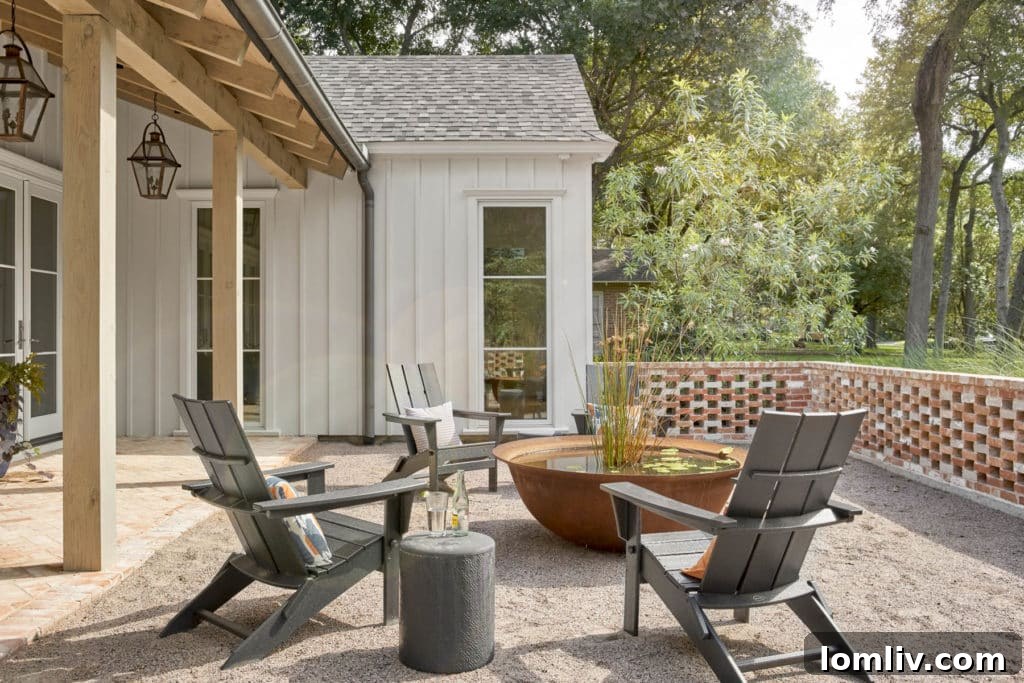
In an increasingly interconnected yet paradoxically isolated world, how can we foster genuine connections, enhance neighborhood safety, boost property values, and cultivate a deeper sense of happiness? The answer might be surprisingly simple: embrace “front yard living.” This innovative yet timeless concept, championed by leading architects like David Stocker, principal architect at Stocker Hoesterey Montenegro Architects in Dallas, suggests transforming your home’s front space into an inviting communal hub. Imagine simply placing a pair of comfortable Adirondack chairs in your front yard – it’s a small gesture with monumental potential for community revitalization.
Front yard living represents a re-imagination of our outdoor spaces, using thoughtful architecture and strategic furniture placement to create vibrant, livable areas right at the heart of our neighborhoods. For too long, the focus has predominantly been on secluded backyards, relegating front yards to mere aesthetic buffers. Stocker, however, advocates for a paradigm shift, recognizing the profound societal benefits of restoring front yards to their former glory as social melting pots. This movement isn’t just about curb appeal; it’s about rebuilding the social fabric of our communities, one welcoming front yard at a time.
The Historical Roots of Front Yard Engagement
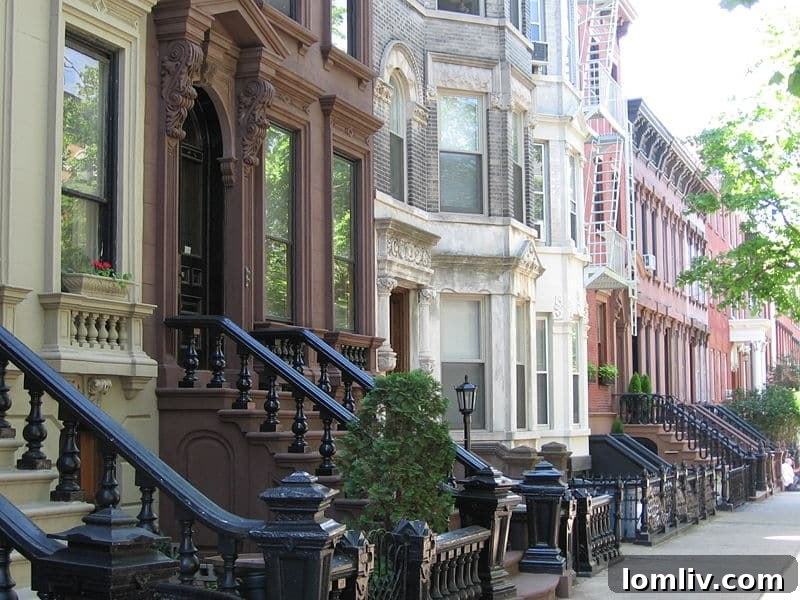
Stocker eloquently points out the historical precedent for front yard interaction. “The street, the porch, or the stoop in urban areas like New York – that is where all this social interaction started,” he explains. These spaces were once vibrant stages for daily life, fostering spontaneous conversations, casual greetings, and a shared sense of belonging. Neighbors knew each other, children played together within eyesight, and a collective vigilance made streets safer. However, somewhere along the evolutionary path of urban and suburban development, we veered off course. The emphasis shifted towards privacy and insularity, inadvertently eroding these vital neighborhood connections. Now, perhaps more than ever, we recognize the profound need to mend these social ties.
Stocker’s own home provides a powerful testament to this philosophy. Residing in a charming Dilbeck-style house in Dallas’s Knox-Henderson area, he practices what he preaches. His front yard features two inviting Adirondack chairs, a deliberate design choice that has transformed his personal space into a community asset.
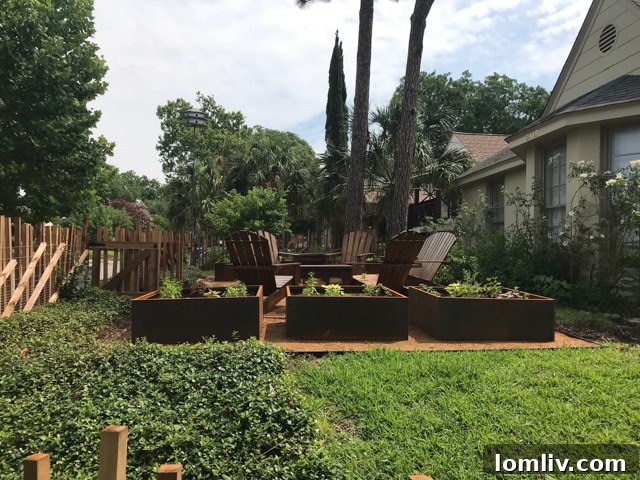
“When we moved there about a year ago, the first thing we did was tear up the front yard and put a vegetable garden in the front yard with a firepit and chairs around it,” Stocker recounts. This transformation wasn’t merely aesthetic; it was a strategic move to foster connection. The results have been remarkable. “My wife gardens in the front yard, and now she knows everybody in the whole neighborhood.”
For Stocker himself, the front yard has become his favorite evening retreat. “I go and set up outside with a glass of wine, and most people just walk up and start talking. That’s my favorite things to do at night. Sometimes I just sit and watch people walk by, but the chairs essentially say, ‘Welcome, come and let’s have a glass of wine together.’” This simple act of presence and openness breaks down barriers, initiating conversations and forging bonds that would otherwise remain dormant.
The Influence of Jane Jacobs and the Decline of Public Space
Stocker is a fervent admirer of Greenwich Village writer and activist Jane Jacobs and her seminal 1961 work, The Death and Life of Great American Cities. Jacobs’s classic text offers a searing critique of modern urban planning, which she argued systematically dismantled vibrant, interconnected urban living in favor of more isolated, independent home units. Her insights remain profoundly relevant today, shedding light on how our physical environments dictate our social interactions.
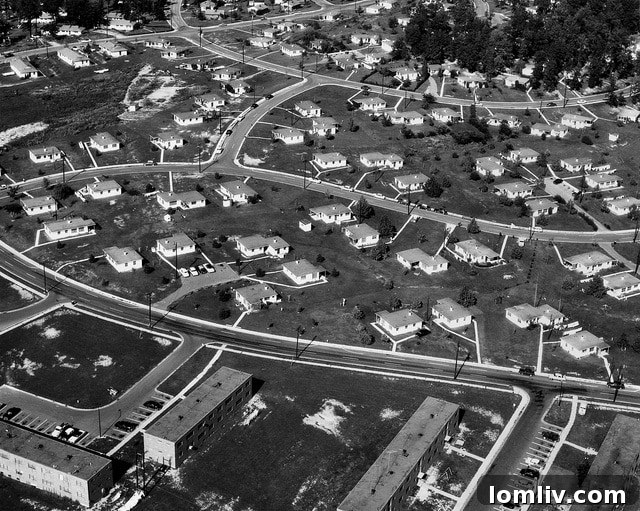
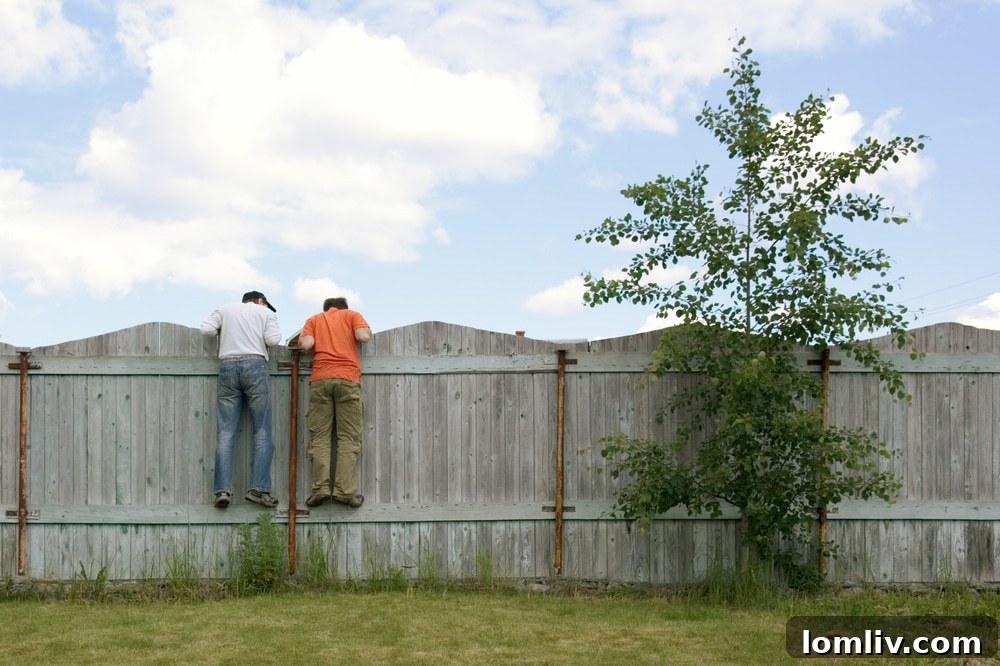
Jacobs observed that the rise of the automobile, for instance, dramatically reshaped residential streets. They became longer, wider, and less traversable by foot, transforming neighborhood blocks into spaces primarily accessible—and sometimes only accessible—by car. The architectural landscape followed suit: attached, rear-entry garages replaced detached garages and carports, further isolating residents from the street. Backyards, once demarcated by modest four-foot chain link fences that allowed for casual greetings, evolved into private sanctuaries enclosed by six-foot-tall privacy fences. Each of these shifts, seemingly innocuous on its own, cumulatively contributed to a profound erosion of spontaneous neighborly connection, reducing interactions to fleeting nods or often, nothing at all.
It’s indeed striking to hear an architect candidly admit that modern architecture and urban design bear significant responsibility for the decline of the vibrant neighborhoods of yesteryear. “There’s just an arrogance to modernism,” Stocker contends. “Don’t get me wrong, I love parts of modernism, but modernism had this view that it was okay to lose that connection to your neighbors. Now we know that was a mistake and we’re fixing it.” This acknowledgment underscores a growing movement within architecture and urban planning to prioritize human-centric design, recognizing that buildings and spaces should serve to enhance, not diminish, community bonds.
Jane Jacobs’ Three Qualities of a Successful Neighborhood
Stocker frequently references Jacobs’ three fascinating qualities essential for a truly successful neighborhood. The first quality is a clear demarcation between public and private space. This doesn’t mean strict separation, but rather well-defined transitions that allow for both personal privacy and communal access, such as inviting parks and playgrounds. The second is the frequent use of neighborhood sidewalks, encouraging people to be out walking, visible, and engaging with their surroundings. This constant flow of foot traffic creates a natural rhythm of informal surveillance and interaction.
The third, and perhaps most critical, quality is what Jacobs famously termed “eyes upon the street.” This refers to the natural surveillance that occurs when residents can see and be seen from their homes and front yards. “Connection to your street and neighborhood make your streets safer,” Stocker emphasizes. He likens it to the quintessential “nosy neighbor” character, Gladys Kravitz from Bewitched, who seemingly knows everything happening on the block. “You make fun of that lady, but that lady actually keeps the balance of what the street needs – being safe, keeping our kids in line, to keeping ourselves in line. I’m all for the nosy neighbor.” This “informal policing” creates a pervasive sense of security and accountability, making neighborhoods inherently safer and more cohesive.
Practical Steps Towards Front Yard Living
So, how can you effectively implement front yard living in your own home? The simplest answer, according to Stocker, is to increase the number of invitations. What’s better than two Adirondack chairs in the front yard? Four, Stocker confidently states. “That really invites your neighbors to come and stay a while.” This isn’t just about furniture; it’s about signaling openness, hospitality, and a desire for connection. Consider these practical ideas to transform your front yard:
- Strategic Seating: Beyond Adirondack chairs, consider benches, a small bistro set, or comfortable outdoor sofas positioned to face the street, encouraging interaction.
- Inviting Pathways: Ensure your front path is clear, well-lit, and leads directly to your seating area, making it easy for visitors to approach.
- Community Gardens: As Stocker demonstrated, a front yard vegetable garden or a vibrant flowerbed can be a natural conversation starter. It provides a focal point and often draws compliments and questions from passersby.
- Low Fences: Replace tall, opaque privacy fences with lower, more permeable options like picket fences, hedges, or decorative railings. These define boundaries without creating barriers to interaction.
- Subtle Lighting: Add warm, ambient lighting to your front yard and porch. This creates an inviting atmosphere during the evenings, extending the hours for potential interaction.
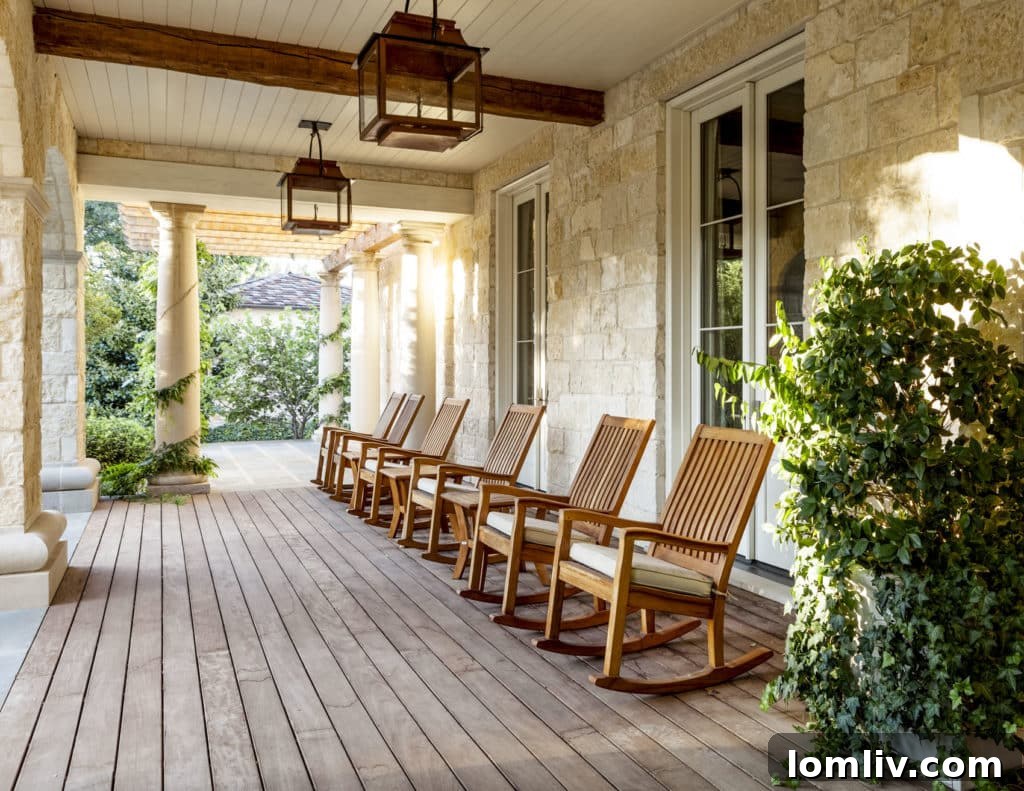
- Porch Swings or Rocking Chairs: For homes with porches, these classic elements are inherently inviting and encourage lingering and observation.
- Outdoor Games: If space permits, a discreet bocce ball court or an area for oversized chess pieces can be a fun way to draw in neighbors, particularly families.
- Art & Decor: Unique garden art or welcoming decor can express your personality and give neighbors a reason to pause and admire, potentially striking up a conversation.
The Multifaceted Benefits of an Engaged Front Yard
The benefits of embracing front yard living extend far beyond simple social pleasantries. They touch upon fundamental aspects of quality of life and community well-being:
- Enhanced Social Cohesion: Directly fosters spontaneous interactions, leading to stronger bonds, a greater sense of belonging, and a more supportive neighborhood network. Knowing your neighbors is a foundational element of a thriving community.
- Increased Safety and Security: “Eyes upon the street” is not just a theoretical concept; it’s a proven deterrent to crime. When residents are visible and engaged in their front yards, they collectively create a safer environment, reducing opportunities for illicit activities.
- Boosted Property Value: A well-designed, inviting front yard that encourages community interaction adds intangible value that often translates into tangible increases in property worth. Homes in desirable, connected neighborhoods command higher prices.
- Improved Mental Well-being: Human connection is crucial for mental health. Front yard living combats isolation and loneliness, providing regular, low-stress opportunities for social engagement, fresh air, and a sense of belonging.
- Active Lifestyle Promotion: When front yards are inviting, people are more likely to walk around their neighborhoods, leading to increased physical activity and a healthier lifestyle.
- Environmental Benefits: Front yard gardens, especially vegetable gardens, contribute to local food systems, promote biodiversity, and offer opportunities for sustainable living practices.
A Call to Reconnect
David Stocker’s vision and personal example offer a compelling blueprint for how we can proactively rebuild community. By simply re-evaluating and re-designing our front yards, we unlock their immense potential to serve as catalysts for connection. It’s a powerful antidote to the isolating tendencies of modern life and a return to the foundational principles of good urbanism and neighborliness.
The message is clear: the transformation of our neighborhoods begins at home, specifically in the often-overlooked space between our front door and the street. It doesn’t require grand architectural gestures or costly renovations. Sometimes, all it takes is a few thoughtfully placed chairs, an open demeanor, and a willingness to engage. So, take a cue from David Stocker, and consider what simple, inviting elements you can introduce to your front yard today. You might be surprised at how quickly a pair of chairs can begin to weave the rich tapestry of community back into your life and the lives of those around you.