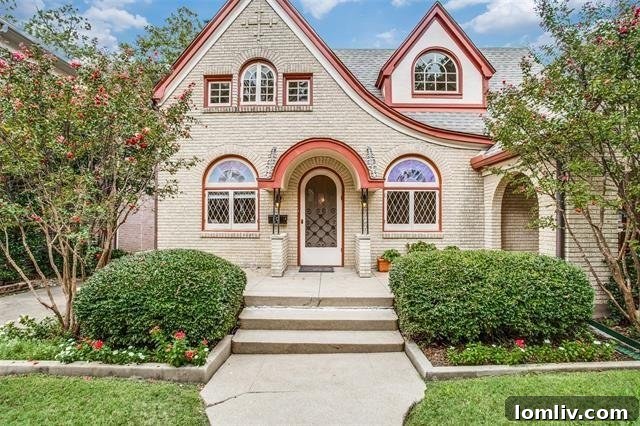
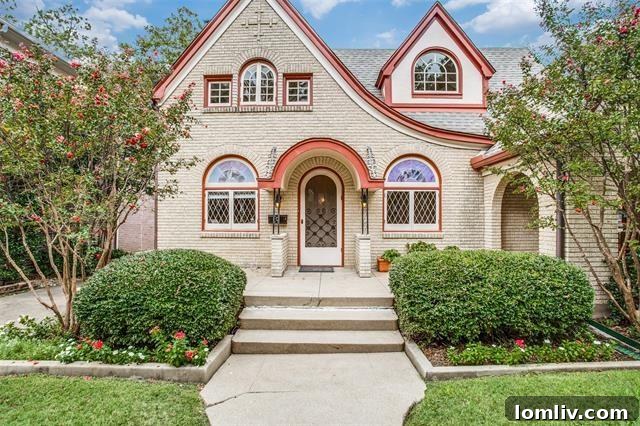
Discovering Timeless Elegance: A Historic Tudor Gem in Dallas’s Swiss Avenue District
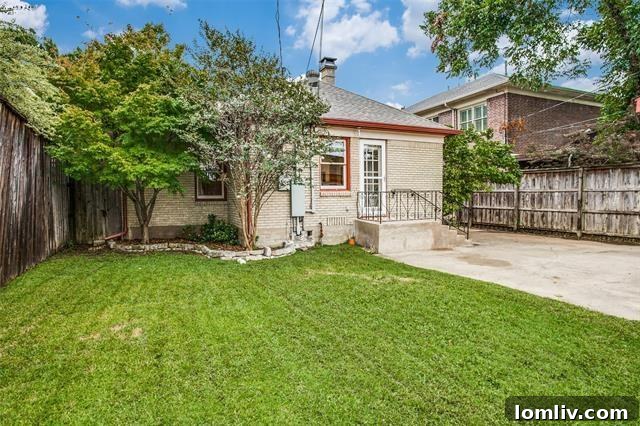
There’s an undeniable allure to a historic Tudor home, a classic architectural style that embodies enduring charm and character. These majestic properties often captivate their owners, who cherish them for decades, passing them down through generations. Such is the remarkable story of a captivating Tudor beauty nestled within the prestigious Swiss Avenue Historic District in Dallas. Over its 97-year history, this distinguished residence at 5317 Bryan Parkway has been home to a mere five families, a powerful testament to its inherent livability and timeless appeal.
The rarity of ownership changes in a property speaks volumes about its quality, comfort, and the profound connection it fosters with those who reside within its walls. This particular Tudor stands as a shining example, offering a glimpse into nearly a century of Dallas’s rich architectural and social history, meticulously maintained and lovingly updated by each successive steward.
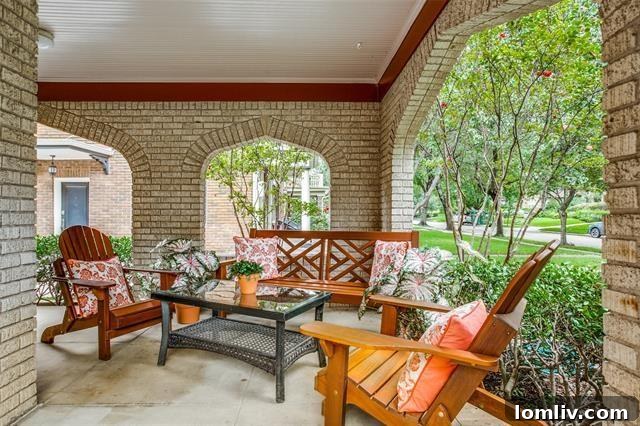
A Century of Stewardship: The Enduring Legacy of 5317 Bryan Parkway
Erected in 1923, this magnificent historic Tudor home has witnessed nearly a century of transformations, evolving with the times while retaining its essential character. Our journey into its past reveals fascinating details about its original inhabitants and the dedicated families who have shaped its story.
Delving into archival records, it appears Mr. and Mrs. J.F. Rhodes were the esteemed first owners, gracing the home with their presence until the late 1930s. The property then transitioned to Mr. and Mrs. James P. Ward around 1939. By 1941, Mrs. C. J. Prashaw had taken the reins. Intriguingly, my detective work suggests she later remarried, uniting with a gentleman named Otto Janousek. This family’s tenure was exceptionally long, with the Janousek family cherishing the home until the late 1990s. Following this extensive period, the property entered an estate sale, where it was acquired by Douglas Edwards, marking the beginning of another significant chapter in its illustrious history.
The Swiss Avenue Historic District: A Beacon of Architectural Heritage
Living within the Swiss Avenue Historic District is more than just owning a house; it’s being a custodian of Dallas’s architectural soul. Established in 1973, it was the city’s first historic district, renowned for its stately homes representing a panoply of architectural styles popular in the early 20th century, including Prairie, Craftsman, Neoclassical, and, of course, Tudor Revival. This vibrant neighborhood is celebrated not only for its stunning streetscapes but also for its community spirit and commitment to preserving the integrity of its historic properties. Homes like 5317 Bryan Parkway contribute immensely to the district’s unique charm, offering residents an unparalleled blend of historical grandeur and urban convenience in East Dallas.
Preserving the Past: Douglas Edwards’ Visionary Renovations
Upon acquiring the historic Tudor at 5317 Bryan Parkway in the late 1990s, Douglas Edwards embarked on a series of significant restorations and improvements during the early 2000s. His vision was clear: to modernize the home’s infrastructure while meticulously preserving its historic essence. These extensive renovations were foundational, setting the stage for future enhancements and ensuring the home’s longevity.
The Art of Authentic Restoration: Rewiring and Recreating Historic Details
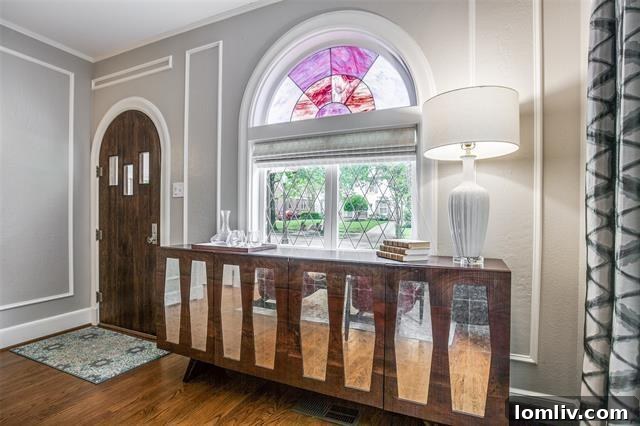
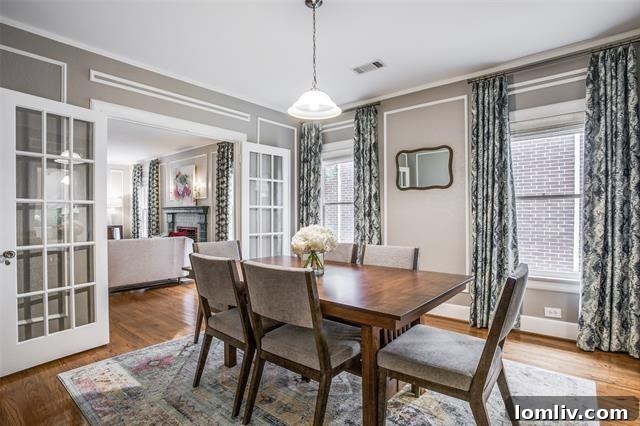
One of Edwards’ most crucial undertakings involved completely rewiring the historic Tudor, a vital upgrade for any older home. To accomplish this, the walls in the living and dining rooms were carefully opened. However, the utmost care was taken to protect the home’s irreplaceable character. Before any molding was disturbed, renovators meticulously photographed every detail, ensuring that each intricate profile could be faithfully replicated. They then sourced a style of molding that precisely matched the original, seamlessly recreating the walls and maintaining the authentic aesthetic. Adding to this commitment to historical accuracy, original sconces, discovered carefully stored in the attic, were triumphantly restored to their rightful positions, casting their period-appropriate glow once more.
A New Chapter: Gregory and Susan Sommers’ Dedicated Preservation Efforts
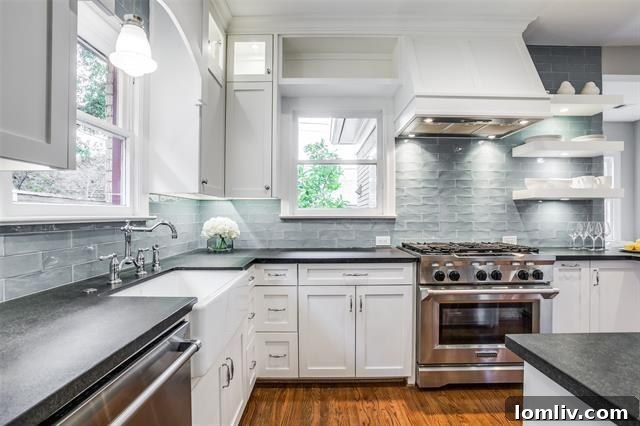
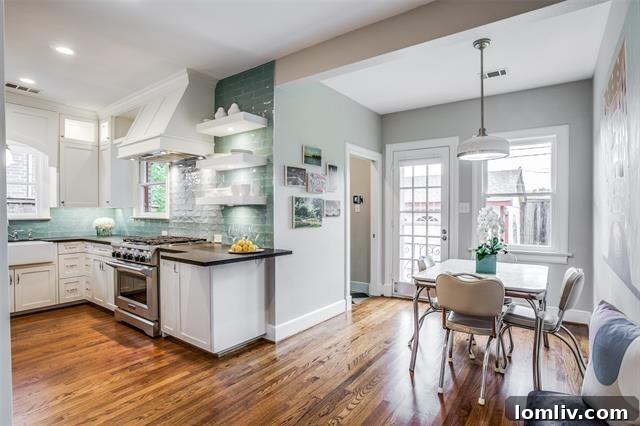
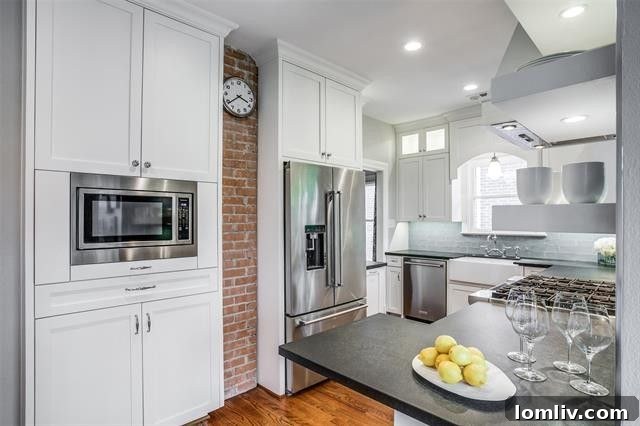
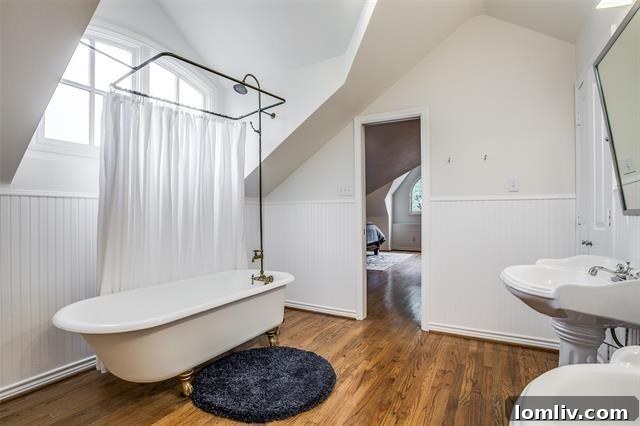
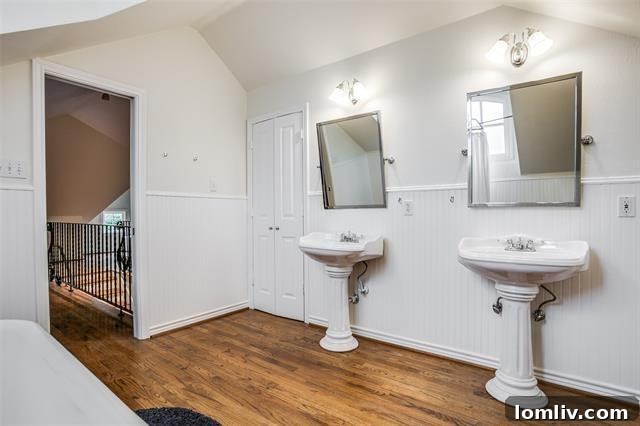
In 2016, the torch of stewardship passed to Gregory and Susan Sommers. Understanding the unique responsibility that comes with owning such a significant property, they immediately embarked on their own ambitious preservation project. Recognizing that certain areas of a home, regardless of their initial quality, simply don’t age as gracefully as others, the Sommers dedicated nine months to thoughtfully designing and renovating the kitchen and bathrooms. This meticulous attention to these high-traffic, functional spaces brought them into the 21st century without sacrificing the home’s historic integrity.
The Uncommon Beauty of Purple Transom Casement Windows
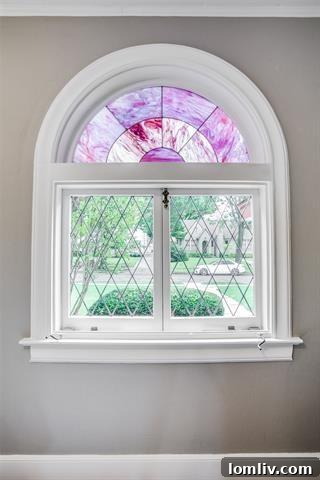
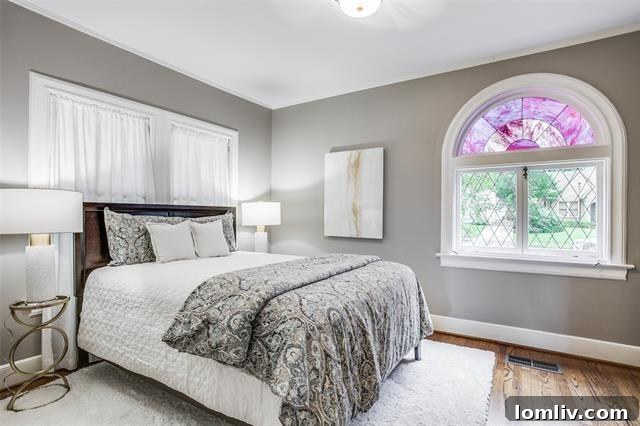
Among the home’s most striking and distinctive features are its collection of original casement windows, crowned with truly unique purple transoms. These windows bear the mark of the passage of time, enduring a significant hailstorm in 2012. While the zinc lattice holding the diamond-cut glass was bent, thankfully not completely broken, the delicate purple transoms sustained damage. The Sommers, true to their preservationist spirit, knew these irreplaceable elements required expert attention.
They sought out Tom Clark, a renowned historic window expert, whose skill and dedication brought these exquisite windows back to life. In his search for replacements for the rare purple glass, Clark remarkably located a glass company executive who not only recognized the distinct style but also, in a truly generous act of preservation, sent sheets of the custom glass to the Sommers at no charge. The undamaged original glass was repurposed and reformed into the den and first-floor bedroom windows, while the living room now boasts a harmonious blend of original and newly sourced glass. To safeguard these precious purple transoms against future adverse weather, they were thoughtfully covered with Lexan, ensuring their beauty can be enjoyed for generations to come.
Crafting a Timeless Centerpiece: The Rookwood Tile Fireplace Project
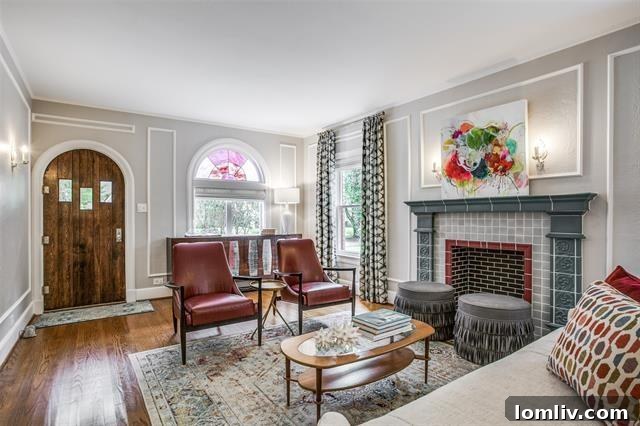
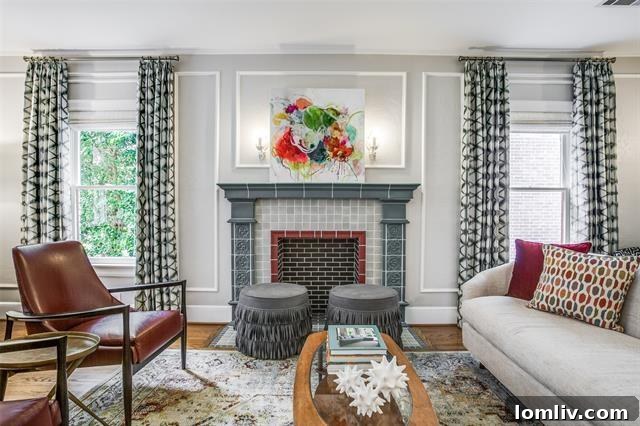
The Sommers’ commitment to historical accuracy and enduring quality is perhaps best exemplified by their extraordinary fireplace renovation. Notes inherited from Mr. Edwards revealed that the original plaster fireplace, often a temporary solution in homes of that era, was never meant to be permanent. The economic hardships of the Great Depression, however, effectively tabled any plans for its replacement. The Sommers recognized that after nearly a century, the time had come to remedy this situation once and for all, designing a magnificent focal point that truly reflected the home’s original grandeur and architectural period.
“The fireplace and mantel were replaced in 2019. The original plaster faux fireplace had cracked and sustained some water damage before the addition of the chimney caps. The plaster extended over a foot from the wall and did not seem to fit the style of the home. Upon reading Mr. Edwards’ notes indicating the fireplace was to be a temporary solution, we decided the house had waited long enough and designed a fireplace that was true to the time of the building of the house and one that would last forever.
The tile common to the area was either Batchelder or Rookwood, and many homes in the Swiss Avenue Historic District have original tile from one of these two manufacturers. Batchelder is no longer in business, so we turned to Rookwood to complete the fireplace. Rookwood has an extensive library of original designs created throughout the years. We took inspiration from these, the Tudor style of the house, and the 1912 catalog tile designs that they still produce. Our color choices came from Pantone colors from the early 1920s. Most of the color choices were current glazes used at Rookwood, but some were retired colors that they re-created for this project. The tiles and colors used existed when the house was built, meaning this could have been installed in 1923! Note the RP logo (Rookwood) tile at the lower right of the fireplace.”
This detailed account from the Sommers themselves underscores their dedication. By opting for Rookwood, a legendary American art pottery company renowned for its exquisite craftsmanship and historical authenticity, they ensured the fireplace would not only be beautiful but also historically resonant. Their selection of tiles and colors, inspired by Rookwood’s 1912 catalog designs and Pantone colors from the early 1920s, perfectly aligns with the Tudor architectural style and the home’s original construction date. The result is a stunning, meticulously crafted fireplace that serves as an artistic and historical anchor for the living space, a testament to what authentic preservation truly means.
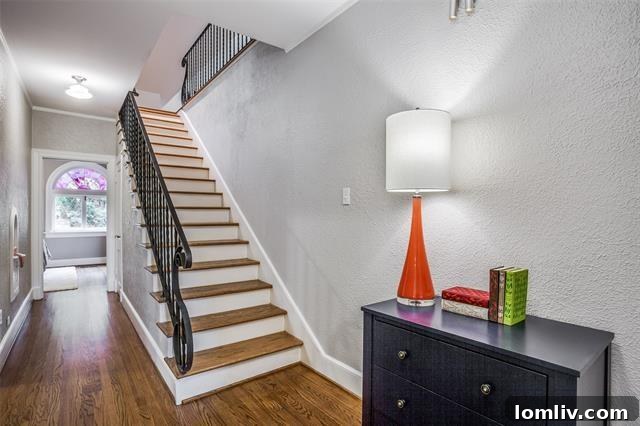
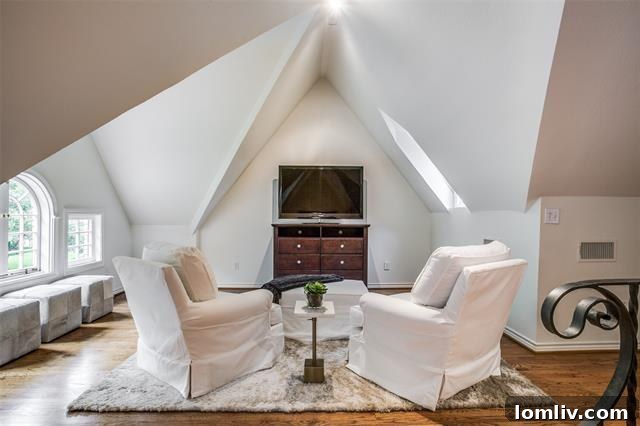
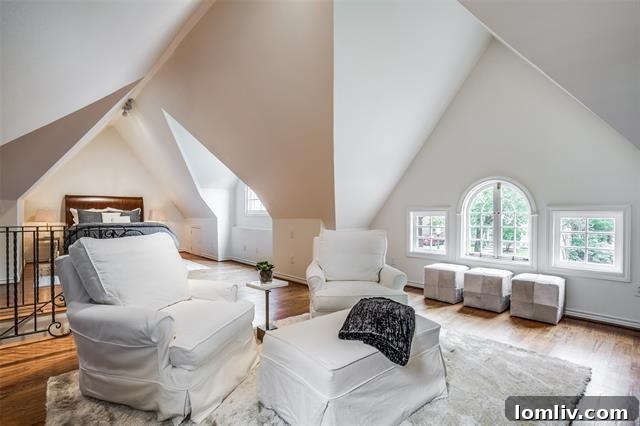
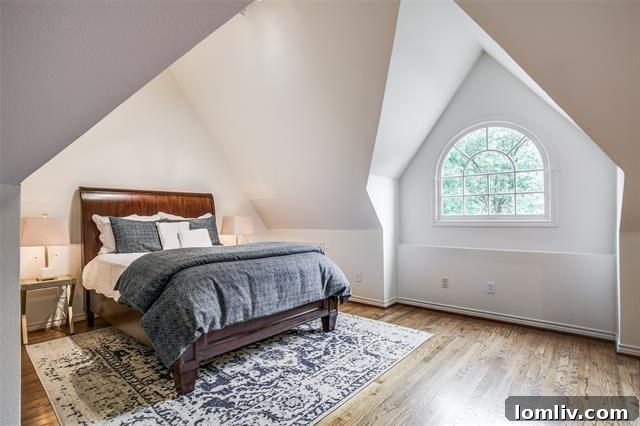
Glimpses of Grandeur: Unique Architectural Elements and Hidden Gems
The dedication of Gregory and Susan Sommers exemplifies the highest ideals of historic preservation. Their efforts extended far beyond mere cosmetic upgrades; they delved deep into the home’s history, understanding its original intent and restoring it with reverence. They successfully returned this 2,443-square-foot, four-bedroom, three-bathroom historic Tudor to its former glory while seamlessly integrating modern standards of comfort and efficiency. Every decision, from the choice of materials to the meticulous repairs, was made with a deep respect for the home’s architectural heritage and a desire to ensure its beauty endures for centuries more.
Original Charms: From Exposed Brick to Vintage Nooks
Beyond the major renovations, 5317 Bryan Parkway holds numerous delightful details that whisper stories of its past. The exposed brick of the kitchen chimney, revealed during an earlier remodel under Edwards, adds a rustic yet refined touch, grounding the modern kitchen in the home’s original structure. And tucked away in the hallway, an original telephone nook serves as a charming reminder of pre-digital communication, a small, intriguing detail that adds layers to the home’s historical narrative. These are the kinds of unique features that make historic properties so special, offering a window into different eras and lifestyles.
The Heart of Historic Preservation: A Testament to Enduring Beauty
The extensive and thoughtful work undertaken by successive owners of 5317 Bryan Parkway, particularly the Sommers, showcases a profound respect for historical authenticity coupled with a pragmatic approach to modern living. Their collective efforts have not only safeguarded the structural integrity of this Dallas landmark but have also enhanced its aesthetic appeal, making it a truly exceptional residence within the Swiss Avenue Historic District.
Elizabeth Mast, a distinguished listing agent with Briggs Freeman Sotheby’s, perfectly captures the essence of such properties. She articulates, “This property is like opening a storybook. With enchanting architecture and character, blended with modern-day amenities, and located on one of the most desirable streets in East Dallas, I would say a fairytale!” This sentiment rings true for any home that has been lovingly preserved and thoughtfully updated, offering a bridge between the elegance of the past and the comforts of the present.
Experience East Dallas Charm: A Fairytale Awaits
While the detailed narrative above illuminates the captivating history and remarkable preservation of 5317 Bryan Parkway, opportunities to own a piece of this fairytale charm periodically arise in the highly coveted Swiss Avenue Historic District and surrounding East Dallas neighborhoods. For those enchanted by the allure of historic Tudors and the vibrant community life of East Dallas, properties in this esteemed area continue to draw discerning buyers. Elizabeth Mast, for example, has 6317 Bryan Parkway currently listed for $722,500, offering another chance to experience this unique lifestyle. These homes represent not just a purchase, but an investment in a rich legacy and a vibrant future.
If you’re considering exploring the charm of East Dallas and its historic residences, seize the opportunity to experience them firsthand.
Open House: Sunday, September 13, 1 to 3 p.m.