Navigating the Housing Payment Crisis: How Compassion and Smart Business Decisions Are Shaping Dallas’s Rental Landscape Amid Economic Uncertainty
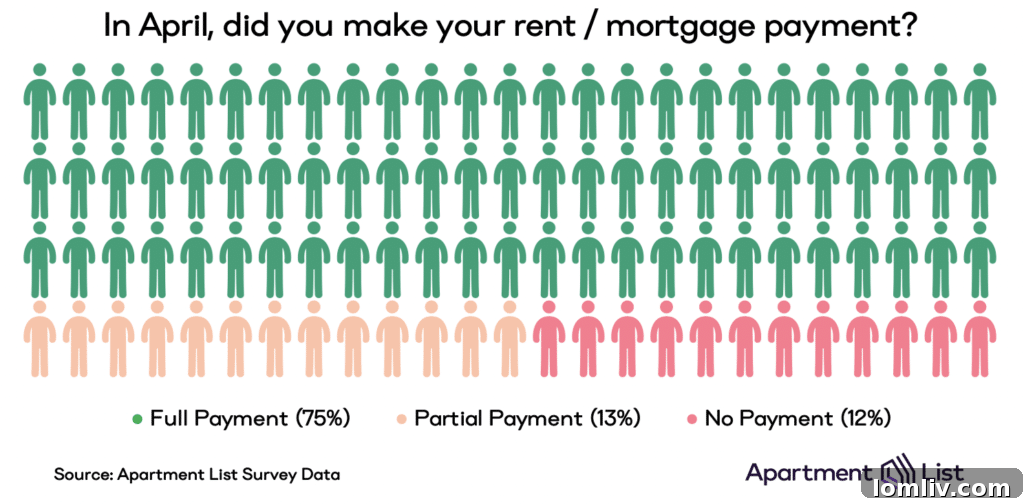
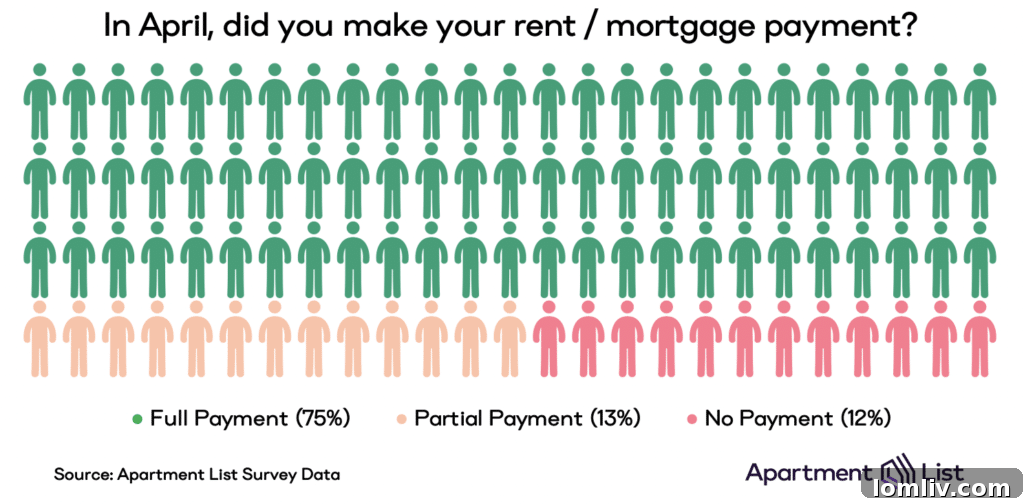
The economic fallout from recent global events has sent shockwaves through communities nationwide, leaving countless individuals grappling with unprecedented financial strain. With jobless claims soaring to historic highs, a pervasive concern has emerged across a broad segment of America: the impending due date for rent or mortgage payments. This widespread economic disruption has cast a long shadow over housing stability, revealing a stark reality where nearly a quarter of Americans found themselves unable to make their full housing payment in April alone. This statistic underscores the immense pressure many households are currently facing, highlighting a critical need for flexible and empathetic solutions.
Fortunately, in cities like Dallas, a spirit of adaptability and understanding is taking root within the housing sector. Many landlords are stepping forward to offer their tenants much-needed relief, ranging from reduced monthly payments to structured long-term repayment plans. These initiatives aim to provide a crucial buffer, allowing tenants to defer rent for a month or two without the immediate threat of eviction, fostering a sense of security during these uncertain times.
The Service Industry: Bearing the Brunt of Economic Impact on Housing Stability
The sectors most severely impacted by shelter-in-place restrictions have been those reliant on person-to-person interaction. Massive numbers of hairstylists, massage therapists, retail associates, and restaurant industry employees now find themselves out of work, facing an uncertain future until local economies can fully recover from the effects of the COVID-19 quarantine. These individuals, often working in low-wage occupations, represent a significant portion of the rental market.
According to a comprehensive survey conducted by ApartmentList, renters are disproportionately concentrated in these vulnerable occupations. Consequently, their anxiety about the ability to meet rent obligations grows more profound with each passing week that restrictions remain in effect. This creates a challenging environment not only for tenants but also for the broader housing ecosystem, necessitating thoughtful responses from property owners and policymakers alike.
“I know that my tenants work in industries that were hit hard, and both were unfortunately furloughed,” shared Amanda Mann, a Dallas property owner and landlord. Her perspective reflects a deeper understanding of the human element behind rental agreements. “They have been wonderful tenants, consistently going above and beyond to take excellent care of my house and yard. The peace of mind they provide me is invaluable. So, I knew I wanted to offer them a break on rent during this incredibly difficult time.” Mann’s approach exemplifies the compassionate stance many independent landlords are taking, prioritizing long-term tenant relationships over immediate financial rigidity.
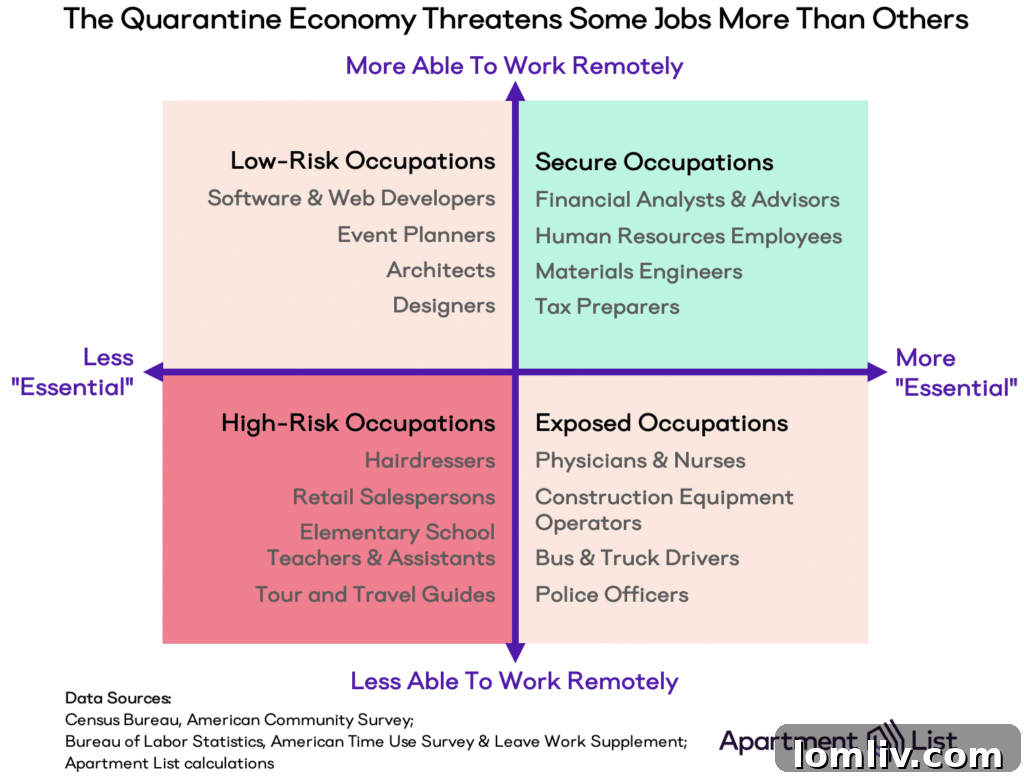
Her tenants are far from alone in their struggles. Across various industries, recently jobless renters are facing immense pressure, a situation exacerbated by the fact that a substantial proportion of hourly wage earners are already housing cost-burdened. This pre-existing vulnerability means that even a slight reduction in income can trigger a severe housing crisis for these households, making flexible solutions from landlords not just helpful but often essential for preventing homelessness.
Johnny Boucher, another Dallas landlord, experienced this firsthand. “As March rolled along with so many jobs shifting to remote work and workers being laid off, I proactively reached out to our tenants to understand their situation,” Boucher recounted. “I asked if they were seeing hours cut back or if they felt stretched thin financially. Their response was stark: they had gone from three incomes down to just one part-time job.” This rapid and dramatic income reduction highlights the suddenness with which many households were plunged into financial precarity.
Jenni Stolarski, a North Oak Cliff Realtor, also witnessed the immediate impact on her tenants. One tenant, who worked at an upscale restaurant, found herself without employment after the establishment quickly closed following the shelter-in-place order. Another tenant, a salon worker and mother of two, faces the dual challenge of re-entering the workforce while simultaneously navigating the demands of homeschooling her children. “Even when she goes back to work,” Stolarski noted, “she’ll still be a homeschooling parent, adding another layer of complexity to her financial and personal life.”
“COVID-19 has been a struggle for everyone,” acknowledged Phillip Murrell, a Compass Dallas Realtor and landlord. “Knowing my tenant was in retail and concerned about his ability to pay his rent, I immediately offered options to defer a couple of months’ payments or work out a new payment schedule to ease his transition back into normalcy.” These examples demonstrate a growing trend among individual property owners to actively engage with tenants, understanding that collective resilience is key to navigating this crisis.
Proactive Communication: The Cornerstone of Effective Landlord-Tenant Relations in a Crisis
The critical importance of open and proactive communication between landlords and tenants cannot be overstated, particularly during times of economic instability. “I contacted five of our friends who are landlords at the beginning of March,” Jenni Stolarski recalled. “Most were just going to wait for tenants to come to them, with no clear plan.” This initial hesitation illustrates a common challenge: without clear guidance or precedent, many landlords defaulted to a reactive approach.
However, data suggests that a more proactive stance yields better outcomes. The ApartmentList study revealed that a significant one in nine renters had their landlord or management company proactively lower their April rent. Furthermore, among those who missed their full payments, a substantial 45 percent of renters and 44 percent of homeowners successfully negotiated reduced or deferred payments with their landlords and lenders, respectively. This highlights the positive impact of initiating conversations rather than waiting for distress signals.
Industry platforms also indicate a shift towards greater flexibility. Entrata, a leading leasing software provider, reported a notable spike in the number of repayment agreements generated in April, alongside record usage of the software’s payment deferment option. In the first week of April alone, properties generated over 815 repayment agreements, a stark contrast to just 32 agreements during the same period the previous year. This surge underscores a systemic pivot towards flexible payment solutions in response to the crisis.
Stolarski’s experience further illustrates the benefit of a personalized approach. “In April, two of our nine tenants confidently paid their full rent because they experienced no income reductions,” she explained. “For May and moving forward, we are handling each case individually. For instance, one tenant is benefiting from a 12-month plan with various reductions, requiring no immediate repayment.” This flexibility allows landlords to tailor solutions to specific tenant needs, fostering loyalty and ensuring continued occupancy.
Amanda Mann also engaged in direct communication with her tenants. “My tenants asked to pay a portion of the rent for April after covering their essentials like groceries and gas,” she shared. “And I’m already working with them to plan ahead for future months.” Mann’s anticipatory planning is crucial. “Right now, our agreement was for April rent, but I fully anticipate that we will work out a similar agreement for May,” she added. “They have kept me consistently updated about the status of stimulus checks or unemployment benefits they are waiting on, so we’ve all agreed to just play it by ear. Everyone understands that clarity is hard to come by for anyone right now.” This ongoing dialogue builds trust and mutual understanding.
Compassion and Economics: The Dual Drivers for Rent Relief
The motivation behind offering rent relief is multifaceted. Jenni Stolarski emphasizes compassion as the primary driver for her decisions. “Why should landlords give tenants a break on rent?” she pondered. “For me, it’s simply about doing the right thing, showing empathy in a time of crisis.”
Beyond moral considerations, there’s a compelling economic argument. Compass agent Phillip Murrell succinctly articulates this business rationale: “If not for compassion, it’s simply a good business decision,” he asserted. “The possible eviction process and the considerable expense of finding and onboarding a new tenant are far more costly than temporarily losing a couple of months’ rent. Eviction involves legal fees, lost rent during vacancy, cleaning, repairs, and marketing costs. Preventing an eviction saves landlords significant time, money, and hassle in the long run.”
For Amanda Mann, her decision is rooted in a profound sense of relatability. “My decision was made mostly because it wasn’t that long ago that I was both a renter and working in the service industry myself,” she explained. “I know I would be in an incredibly difficult situation right now unless I had a landlord willing to work with me and show compassion.” Her personal experience underscores the deep impact a flexible landlord can have on a tenant’s stability and well-being.
Long-Term Implications: Landlords Feeling the Economic Pinch and the Need for Financial Preparedness
While tenants and homeowners anxiously await stimulus checks and unemployment benefits to cover their housing costs, it’s crucial to recognize that many landlords will also experience the ripple effects of this coronavirus-induced economic recession for an extended period. The housing ecosystem is interconnected; financial strain on tenants inevitably translates into financial strain on property owners.
Jenni Stolarski, for example, plans to explore options for mortgage forgiveness for her rental properties. “But if they don’t grant it,” she firmly stated, “that will not deter us from continuing to work with our tenants. Our commitment to them remains unwavering.” This highlights a proactive approach to managing the landlord’s own financial obligations while maintaining support for tenants.
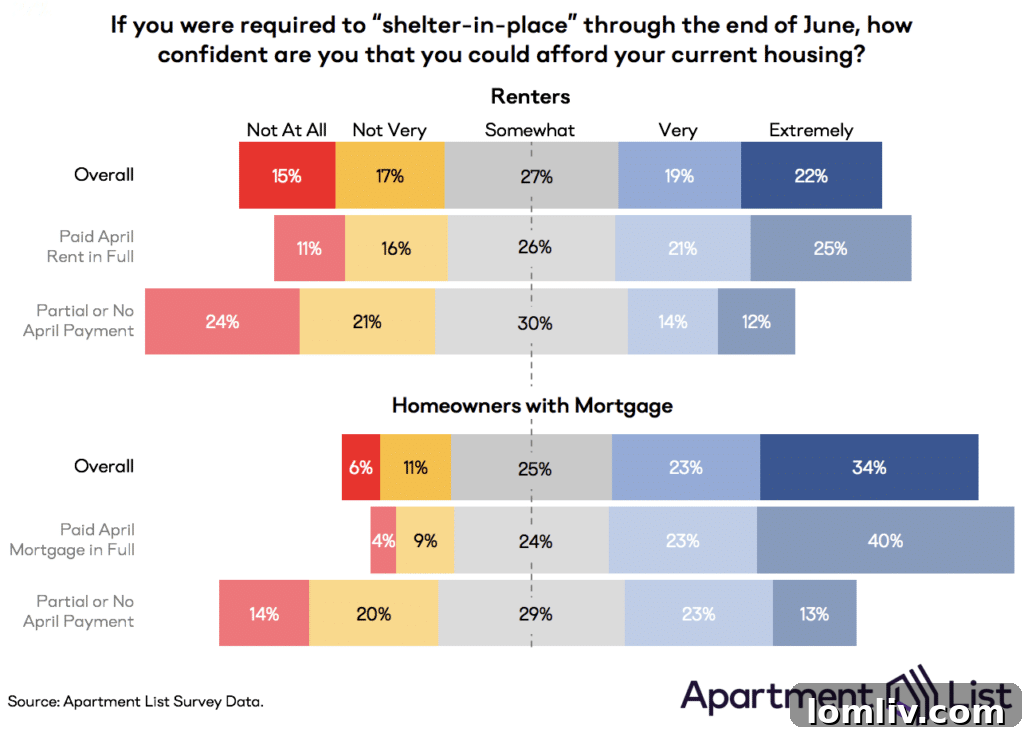
For Amanda Mann, offering her tenants a break on rent, while not an overwhelming burden, undeniably represents money out of her pocket. “My mortgage company isn’t doing much to help owners,” she noted, highlighting a common complaint among landlords dealing with larger financial institutions. “They offered to let me just pay the principal for April and May, which I am taking advantage of, but even securing that concession was an uphill battle.” This experience underscores the challenges landlords face when seeking flexibility from their own lenders.
Mann also stressed a vital point for property owners: the necessity of a “rainy day fund” to offset payment issues. “I am by no means wealthy and don’t even make any significant profit off renting out my house. So, to hear some landlords who do this for a living cry foul seems either naive or greedy to me,” she said candidly. “If you’ve been making a profit off your tenants up to this point, you should certainly have a slush fund for emergencies, disasters, or extended vacancies. Not to mention that sending out a terse email or flyer stating, ‘Rent is still due, no matter what,’ is not only pretty heartless but also eliminates any possibility of being able to collaboratively work out a solution with your tenants.” This firm stance advocates for responsible financial planning within the property management sector.
Unfortunately, such unyielding responses are precisely what some Dallas-Fort Worth tenants are encountering. Reports indicate that some large apartment management firms have demanded full rent and are aggressively charging late fees. While requests for confirmation from these firms have often gone unanswered, it is noteworthy that other prominent companies like Camden Property Trust and Equity Apartments have launched robust programs to ease the financial strain on their residents.
Camden, for instance, established a grant program specifically for living expenses for jobless residents. Equity Apartments has taken an even more comprehensive approach with a plan that includes a complete halt to evictions, zero-increase lease renewals, and flexible payment plans. These larger organizations demonstrate that even at scale, compassionate and proactive measures are not only feasible but also beneficial for maintaining occupancy and resident satisfaction.
The Power of Community and Compassion: Looking for the Helpers in Housing
“Crisis should awaken a fundamental sense of duty to take care of one another,” Johnny Boucher profoundly stated. “Waiving rent while we know our tenants simply can’t work is the absolute least we could do as property owners.” This sentiment underscores a powerful ethical framework guiding many landlords during these challenging times. Such acts of generosity not only provide immediate relief to renters but also generate positive ripple effects throughout the community. Sharing these stories of individuals coming together amidst unprecedented challenges reinforces collective resilience and optimism.
Phillip Murrell unequivocally agrees with this philosophy. “I’ve heard so many incredible stories of compassion and flexibility during this time, and I feel blessed to have the ability to be flexible myself,” he shared. “I would strongly encourage other landlords, regardless of the size of their portfolio, to consider making concessions to keep people securely in their homes. The stability of our communities depends on it.”
Indeed, large-scale landlords and property management firms could learn valuable lessons from the examples set by independent property owners like Amanda, Jenni, Phillip, and Johnny. Their generosity and proactive engagement illustrate not only how to conduct good business ethically but how to conduct business that genuinely contributes to the greater good of society. These smaller landlords demonstrate that prioritizing people over immediate profit can lead to more sustainable and humane housing solutions.
“For us, if we don’t receive a rent payment one month, it undeniably makes our family budget tighter, but we are not going without essentials,” Boucher elaborated, drawing a clear distinction. “On the other hand, if we had been heavy-handed about rent, our tenants might have been forced to give up buying medicine, diapers, or food for their families. That is simply not okay with us. We believe in supporting the foundational well-being of those who live in our properties.” This powerful statement encapsulates the core principle of responsible and compassionate landlording, advocating for a housing system that prioritizes human needs alongside economic realities.