

As the Dallas City Council observes its customary July recess, the crucial work of shaping the city’s future continues unabated. Dedicated city staff, along with appointed boards and commissions, are actively engaged in advancing critical initiatives that will define Dallas for generations to come. At the forefront of these efforts is the Comprehensive Land Use Plan Committee, which recently convened to outline the next pivotal steps for ForwardDallas. This vital document is more than just a blueprint; it is the strategic framework that will meticulously guide both the nature and scale of future development within Dallas’s expansive city limits.
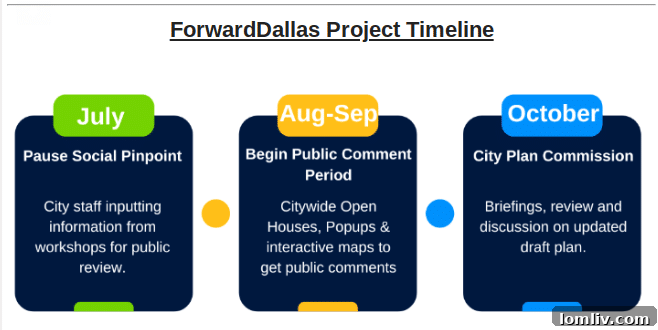
Residents and stakeholders can anticipate a significant milestone with the tentative release of a draft plan review scheduled for August. This will usher in a dedicated public comment period in the fall, providing an essential opportunity for community input and feedback. Following this crucial phase, the refined plan will then proceed through the rigorous approval processes of the City Plan Commission and ultimately, the Dallas City Council, before its official adoption.
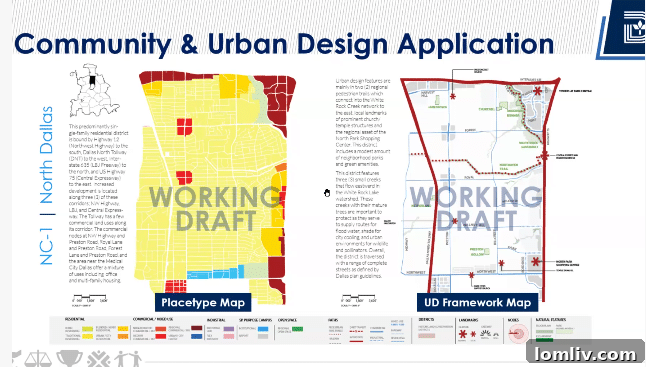
Shaping Tomorrow: The Comprehensive Land Use Plan for Dallas
The Comprehensive Land Use Plan Committee, composed of appointed experts and community representatives, delved deep into the intricate details of urban planning during its July 11 meeting. To be more precise, the panel, expertly chaired by Brent Rubin, meticulously explored the nuances of paths, districts, landmarks, nodes, and natural features. These seemingly technical terms are, in fact, the fundamental building blocks of how communities are designed, function, and evolve.
Rubin, a distinguished attorney who also holds the crucial position of vice chair of the City Plan Commission, candidly shared with daltxrealestate.com that the July 11 discussion was “probably our weedsiest meeting.” This humorous yet insightful description highlights the level of granular detail and complex interdependencies that the committee is grappling with to ensure a robust and effective plan. He elaborated on the core purpose of the ForwardDallas initiative, stating, “The crux of the ForwardDallas exercise is looking at future land use projecting forward through the placetypes and other components of the ForwardDallas comprehensive plan. That will address how we accommodate and handle change in the city over the next several years.” This statement underscores the plan’s forward-thinking approach, aiming to proactively manage Dallas’s dynamic growth and evolving needs.
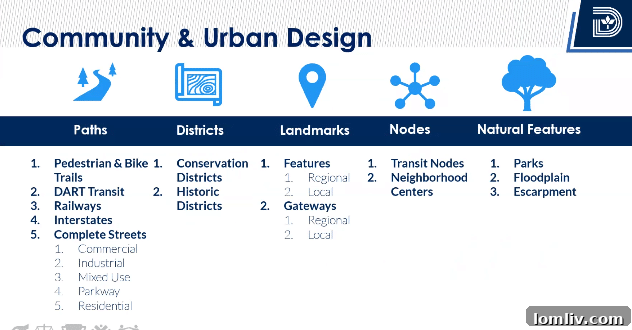
Chief Planner Lawrence Agu highlighted his team’s dedicated efforts in laying a solid foundation for citywide urban design guidelines. These guidelines, once implemented post-ForwardDallas, are intended to provide a consistent and coherent vision for development across all neighborhoods. “This is setting the groundwork in terms of common urban design concepts, topics, and places to understand where the holes are, where things currently exist, and how that ties into the land use,” Agu explained. This comprehensive approach ensures that new developments seamlessly integrate with existing urban fabric while also addressing areas needing improvement or revitalization.
In simpler terms, urban design standards serve as crucial tools to guide diverse aspects of city planning, such as enhancing pedestrian connectivity in industrial zones compared to bustling mixed-use districts, as Agu illustrated. While the immediate concerns of many residents understandably revolve around the peace and comfort of their own neighborhoods, these detailed planning considerations become immensely significant when charting the city’s future trajectory. City officials emphasize that the ForwardDallas document will act as an indispensable guide, providing a clear framework when evaluating complex rezoning cases and other development proposals. This ensures that every decision aligns with the city’s overarching vision for growth and livability.
“This suite of urban design elements in combination with placetypes will help to define and emphasize the land use vision within different parts of the city that we’ve heard from the community,” Agu affirmed. He further clarified the dynamic, stating, “For the most part, it’s going to be the placetype driving and urban design supporting.” This means that the overarching ‘placetype’ – defining the character and function of an area – will set the primary direction, with urban design elements providing the specific details and aesthetic qualities that bring that vision to life.
The concept of “placetypes” is central to ForwardDallas, moving beyond traditional rigid zoning classifications to foster more nuanced, context-sensitive development. Instead of simply dictating what can be built, placetypes describe the desired form, function, and character of a place, encouraging a mix of uses and densities that respond to community needs and aspirations. This approach aims to create more vibrant, walkable, and sustainable neighborhoods, moving Dallas towards a future where development is not just about buildings, but about creating genuine places where people want to live, work, and thrive.
Consultant Rick Leisner of the Norris Design Group delivered a highly detailed presentation to the Comprehensive Land Use Plan Committee during last week’s pivotal meeting. His insights illuminated the foundational principles of urban design and its tangible impact on communities. “When we start talking about urban design, it’s basically a core belief that these are physical attributes of a community,” Leisner explained, drawing a clear distinction. “When you talk about land use, it can be proposed or existing, but urban design elements are much more of a physical, tactile type of component within the community, things that citizens can use, touch, and walk. It helps define that sense of place. We use these items as it relates to placemaking.” This perspective emphasizes that urban design isn’t just about aesthetics; it’s about creating engaging, functional, and memorable environments that foster a strong sense of identity and belonging for residents.
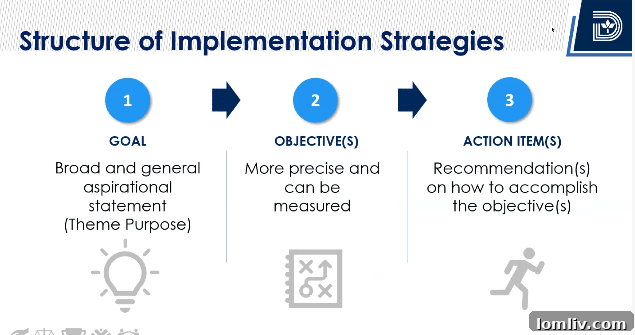
Agu outlined the specific, ambitious objectives for community and urban design encapsulated within the ForwardDallas plan. These objectives are designed to ensure that Dallas evolves into a city that is not only functional but also deeply connected to its residents. They include:
- Developing a citywide urban design vision and comprehensive guidelines: This objective seeks to establish a consistent, high-quality standard for development across all neighborhoods, ensuring that new projects contribute positively to the city’s overall aesthetic and functionality. It moves beyond fragmented planning to foster a cohesive urban identity.
- Integrating and implementing urban design standards into the development process and future planning efforts: This aims to embed urban design principles directly into the regulatory and approval processes, making them an intrinsic part of how Dallas grows. This proactive integration will streamline development while upholding design integrity.
- Promoting and strengthening a sense of place and community identity for all Dallas neighborhoods: This objective recognizes the unique character of each Dallas community and seeks to enhance it through thoughtful design. By fostering distinct identities, the plan aims to create environments where residents feel a strong connection to their surroundings and to each other.
ForwardDallas: A Vision for Sustainable Growth and Livability
Rubin, a proud Dallas native, underscored the legal imperative behind comprehensive plans, explaining that they are mandated by law to ensure responsible urban development. He stressed the critical need for periodic updates, noting that the previous iteration of ForwardDallas was last updated in 2006. In the nearly two decades since then, Dallas has experienced significant growth, demographic shifts, and evolving urban challenges, making the current update not just a legal requirement but an urgent necessity to address the city’s contemporary needs and future aspirations.

“ForwardDallas in and of itself will set goals and have clear deliverables to hopefully lead to improvements in our zoning process,” Rubin articulated. He clarified an important distinction: “ForwardDallas is not going to implement any code changes, but there will be suggestions or ways we can improve moving forward.” The plan serves as a high-level policy document, providing the guiding principles that will inform subsequent adjustments to zoning ordinances. Rubin expressed optimism that “some of the things that we put in ForwardDallas, whether they’re these urban planning principles or other recommendations with respect to placetypes, will hopefully improve the process by having more clear standards.” This clarity is expected to foster greater predictability and efficiency in Dallas’s development landscape.
The committee is entrusted with the monumental task of producing a thoroughly updated comprehensive plan that reflects Dallas’s current realities and future ambitions. Furthermore, it is responsible for rigorously reviewing various area plans, such as the recently approved West Oak Cliff Area Plan and the eagerly anticipated South Dallas/Fair Park Area Plan. These localized plans ensure that the citywide vision of ForwardDallas is tailored and implemented effectively within the unique contexts of individual neighborhoods, incorporating specific community feedback and needs.
When asked about his personal vision for future land use in Dallas, Rubin offered insightful perspectives rooted in addressing some of the city’s most pressing challenges and opportunities. “I certainly think there is a lot of opportunity around [Dallas Area Rapid Transit] stations for transit-oriented development,” he stated. This form of development prioritizes dense, mixed-use communities within walking distance of public transit, reducing reliance on private vehicles, fostering walkability, and promoting economic vitality.
Rubin also highlighted another critical area for reform: “Parking reform has long been a topic of conversation. The [Zoning Ordinance Advisory Committee] is currently dealing with that, and I’m excited to see what they come up with because I don’t think our current parking requirements are based on any meaningful data.” Outdated and excessive parking mandates often lead to inefficient land use, increased development costs, and a car-centric urban environment. Reforms could lead to more flexible, data-driven parking standards that support alternative transportation and more pedestrian-friendly urban spaces.
Significantly, the comprehensive land use plan update also presents a critical opportunity to directly confront and address the persistent Dallas housing crisis, as Rubin emphatically pointed out. “It’s something that I care deeply about, so finding ways to incorporate additional housing into the city… is incredibly important,” he said, underscoring his personal commitment to this issue. The ForwardDallas plan is poised to recommend strategies that can diversify housing options, increase supply, and enhance affordability across the city, ensuring that Dallas remains an accessible place for all its residents.
Rubin expressed particular enthusiasm regarding the potential for Accessory Dwelling Units (ADUs) to contribute to housing solutions. “I’m really looking forward to seeing movement on accessory dwelling units now that the [short-term rental] piece is behind us.” He explained that the complexities surrounding short-term rentals had previously caused some hesitation regarding ADU development. “Now that the city has addressed it, we can have some real conversations about making ADUs to build and lease out.” ADUs, often referred to as granny flats or casitas, offer flexible housing options, support multi-generational living, and can provide additional income for homeowners. While acknowledging their role, Rubin maintained a realistic perspective: “I don’t think ADUs are a panacea for all of our housing challenges but I think they play a meaningful role.” Their inclusion in the broader housing strategy, alongside other innovative approaches, represents a significant step towards a more equitable and diverse housing landscape in Dallas.