Navigating the Unaffordable Dream: America’s Persistent Housing Crisis
The aspiration of homeownership, long considered a cornerstone of the American Dream, remains stubbornly out of reach for a significant portion of the population. Despite a recent uptick in home sales, which have surged by nearly 20% compared to a year ago, the overall transaction volume continues to languish well below pre-pandemic benchmarks. This stark reality underscores a deep-seated and persistent housing affordability crisis that affects individuals and families across the nation, challenging economic stability and long-term wealth accumulation.
Understanding the nuances of this crisis requires a granular look at how affordability varies across different income brackets and geographical regions. The market’s current state reveals a stark imbalance between the availability of affordable homes and the purchasing power of average Americans, pushing many to the sidelines of what was once an accessible dream.
The Widening Gap: Affordability by Income Level
The housing market’s current structure disproportionately impacts households at different income levels, creating a tiered system where access to homeownership is heavily skewed. This segmentation highlights not just a shortage of homes, but a critical shortage of homes priced to be accessible for the majority.
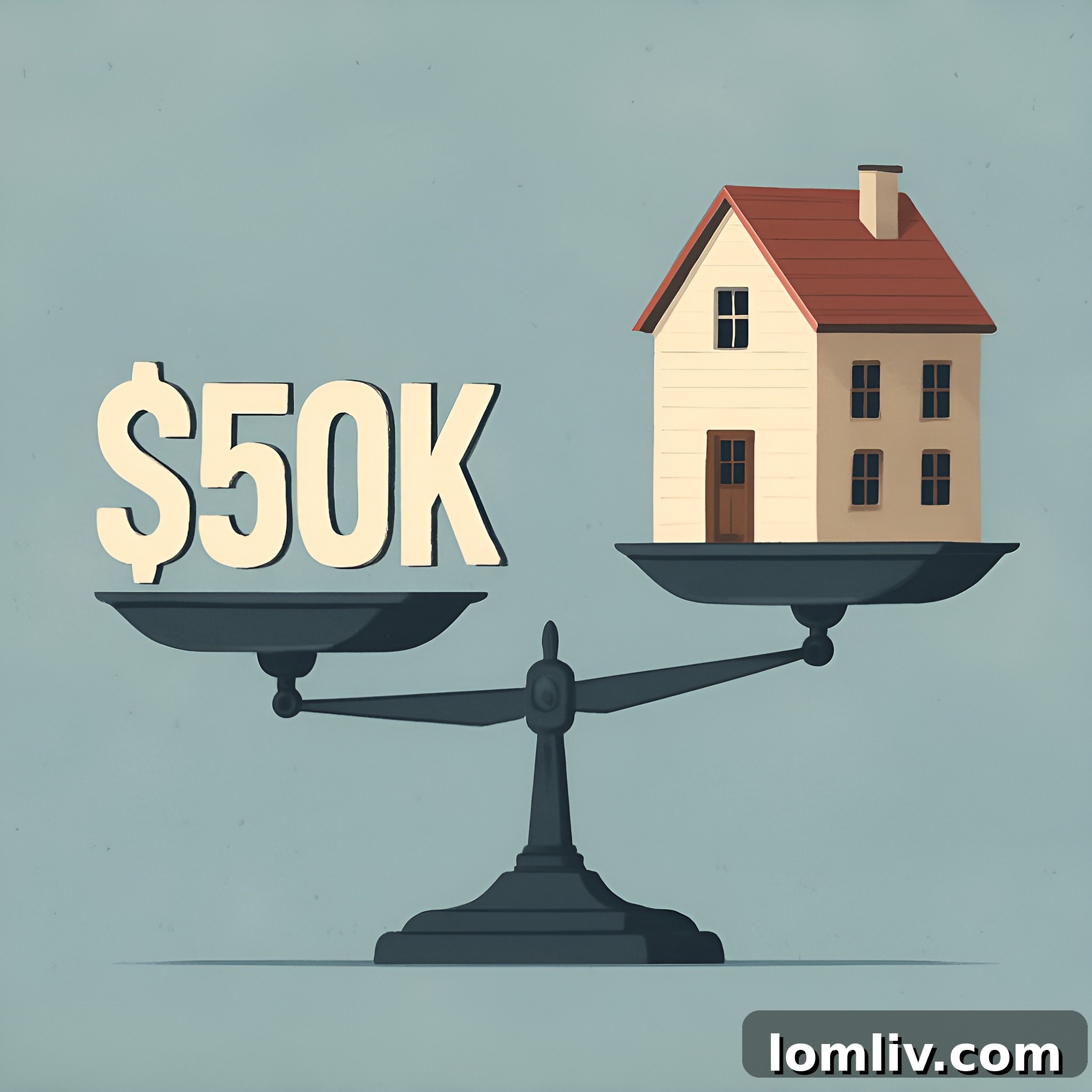
For Households Earning $50,000 Annually: A Steep Uphill Battle
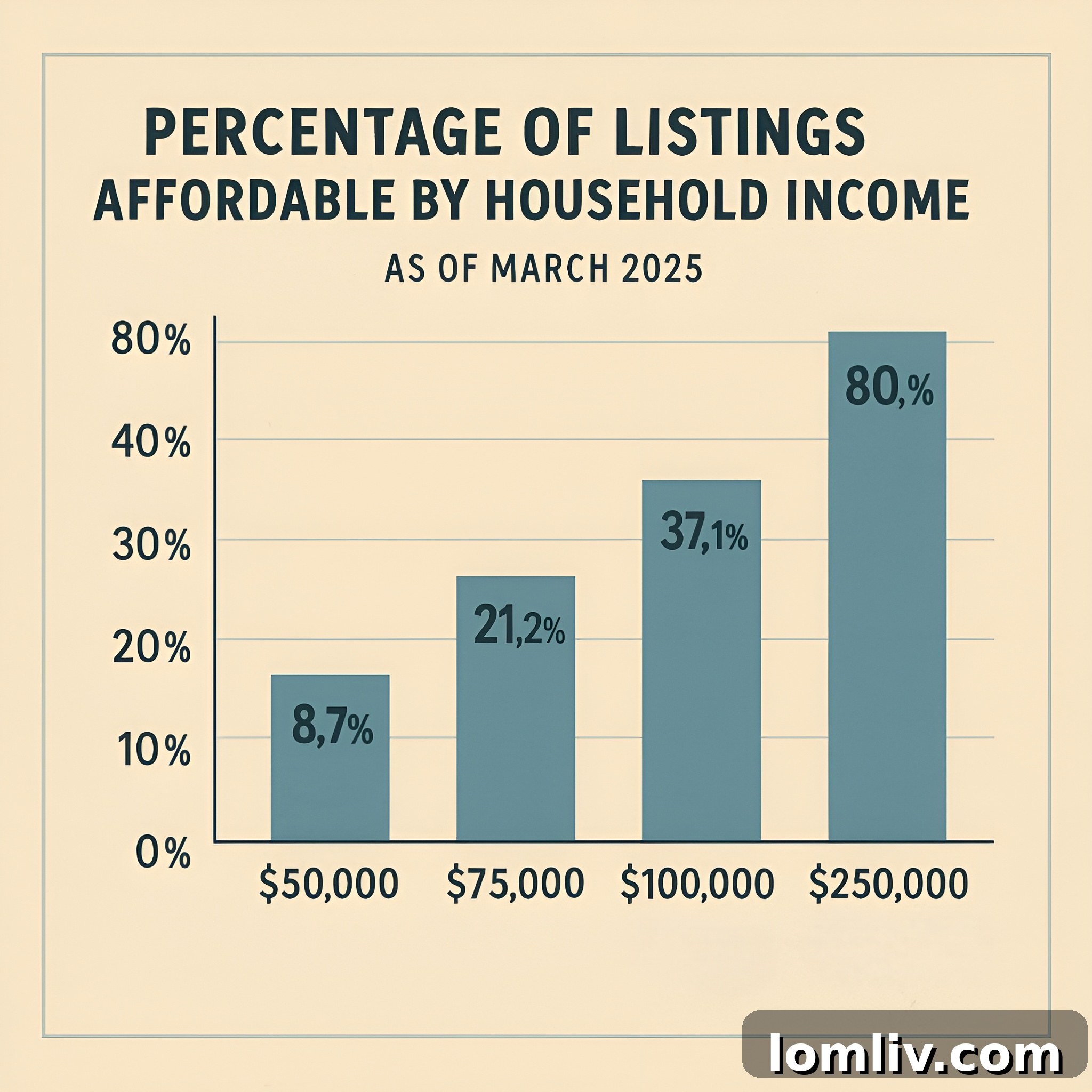
As of March 2025, households classified as lower-income, those earning approximately $50,000 annually, face an incredibly challenging landscape. They could afford a mere 8.7% of all available listings, a figure that represents a further decline from 9.4% recorded just a year prior. This diminishing access is a severe indicator of the market’s inability to cater to its most vulnerable segment. To achieve anything resembling a balanced supply for this income group, the market would necessitate an additional 367,000 homes priced below $170,000. This immense deficit illustrates that for many, homeownership is not just difficult, but virtually impossible without significant market shifts or external assistance. Factors contributing to this include inflation eroding purchasing power, stagnant wages relative to housing cost increases, and intense competition for the few truly affordable properties.
The Middle-Income Squeeze: $75,000 Earners Face Significant Hurdles
Middle-income households, earning around $75,000 a year, also contend with substantial barriers. While their affordability slightly improved to 21.2% of homes on the market in March 2025, up marginally from 20.8% in March 2024, this slight gain does little to bridge the massive chasm that has emerged over the past few years. Before the pandemic, this same income group could comfortably afford nearly 49% of homes for sale. This dramatic reduction in options underscores the severity of the affordability gap for the backbone of the American workforce. To restore a balanced market where these households could access 48.1% of listings, the market would require approximately 416,000 more homes priced up to $255,000. This “missing middle” in housing supply directly impacts economic stability and the ability of families to build generational wealth.
$100,000 Earners: Better Off, But Still Far From Pre-Pandemic Norms
Even households earning a more substantial income of $100,000 annually are feeling the pinch. They can afford 37.1% of current listings, a minor increase from 36.9% a year ago. However, this figure remains drastically lower than the 64.7% they could afford in 2019, prior to the pandemic-induced market upheaval. The erosion of purchasing power for this segment demonstrates how widespread the affordability challenge has become, extending beyond traditional low-income brackets. Achieving market equilibrium for this group would demand roughly 364,000 additional homes priced below $340,000. This indicates that even with six-figure incomes, many households find themselves priced out of desirable neighborhoods or struggling to secure a suitable home.
The Elite Segment: $250,000+ Households and Abundant Options
In stark contrast to the challenges faced by lower and middle-income groups, households earning $250,000 or more annually enjoy robust access to the housing market. This affluent demographic can afford at least 80% of homes for sale, highlighting a pronounced disparity in affordability. This creates a two-tiered market where wealth significantly dictates opportunity, further exacerbating social and economic inequalities. While this group faces few barriers, their purchasing power can also contribute to rising prices, further distancing properties from less affluent buyers.
A Glimmer of Hope? Shifting Dynamics in the National Market
While the overall picture remains challenging, there are discernible shifts in the housing market that offer both cautious optimism and continued concern. Understanding these dynamics is crucial for predicting future trends and formulating effective solutions.
Inventory on the Rise: A Positive Trend Amidst Challenges
Nationally, the total number of homes for sale experienced a notable increase, rising by nearly 20% from March 2024 to March 2025. This surge in inventory is undoubtedly a positive development, indicating a potential easing of the severe supply shortages that have plagued the market for years. This increase can be attributed to a combination of factors, including a slight cooling of buyer demand due to higher interest rates, and some sellers who had previously delayed listing their homes now re-entering the market. However, it is crucial to recognize that despite this encouraging growth, total inventory levels remain significantly below pre-pandemic figures. The market still has a long way to go before supply truly meets the robust, long-term demand.
Regional Disparities: Where Affordability is Improving
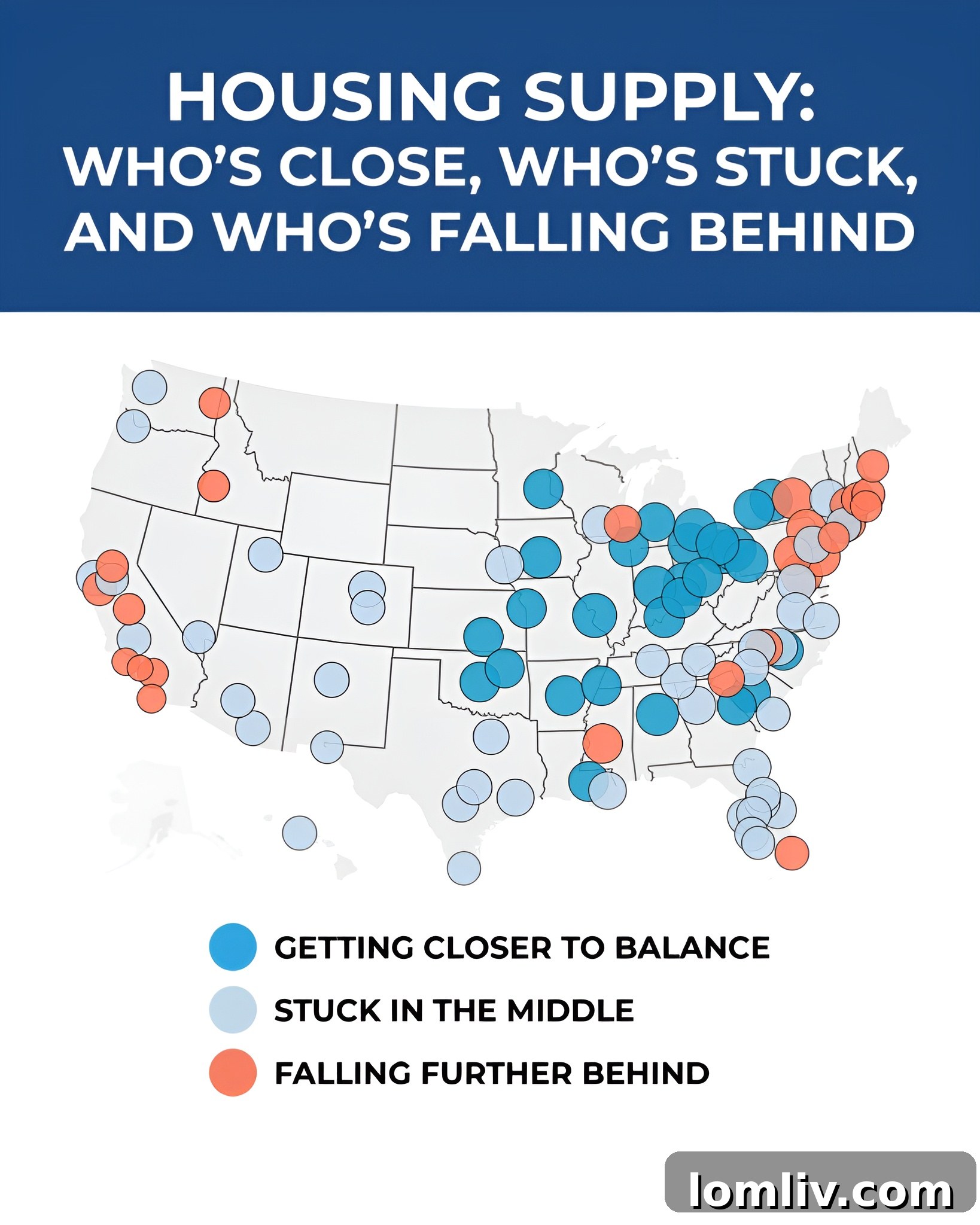
The improvements in housing affordability are far from uniform across the United States. Approximately 30% of the nation’s 100 largest metropolitan areas now fall into the “Areas Getting Closer to Balance” category. These regions have shown tangible improvements in housing affordability across all income levels. Cities such as Akron (Ohio), St. Louis (Missouri), Youngstown (Ohio), Pittsburgh (Pennsylvania), Raleigh (North Carolina), Des Moines (Iowa), and Grand Rapids (Michigan) are beginning to experience more balanced markets. This trend in the Midwest and parts of the South can often be attributed to a combination of factors: lower overall cost of living, less intense population growth pressure compared to coastal cities, more available land for development, and local economies that support a broader range of housing price points. These areas offer a glimpse into what a healthier, more accessible housing market could look like.
“Stuck in the Middle”: Persistent Imbalances
Conversely, a substantial 44% of metropolitan areas are categorized as “Areas Stuck in the Middle,” indicating regions where the critical balance between housing supply and demand remains out of sync. While some of these cities are making progress, the affordability gap continues to be significant. For example, Seattle and Washington, D.C., have seen affordability increase by 4 percentage points, a positive movement, yet they still face substantial challenges. Similarly, vibrant urban centers like Austin, Texas; Salt Lake City, Utah; and Denver, Colorado, have made significant strides, with average affordability gains of 20 percentage points. San Francisco, California, remarkably, has even surpassed its pre-pandemic affordability levels, perhaps due to a combination of increased inventory and a shift in demand dynamics post-pandemic. Despite these improvements, the underlying issues in these markets often include robust job growth attracting new residents, limited buildable land, restrictive zoning policies that hinder new construction, and sustained high property values.
“Falling Further Behind”: Deepening Crisis in Key Hubs
Alarmingly, 26% of metropolitan areas are now classified as “Areas Falling Further Behind,” signifying that affordability in these regions is actively worsening. This category includes major economic and cultural hubs where the housing crisis is most acutely felt. Cities such as Los Angeles and San Diego, California; New York, New York; and Spokane, Washington, are among the hardest hit. In these areas, the severe shortage of affordable housing is compounded by extremely high demand, limited space for new construction, stringent regulatory environments, and strong investor interest. The consequences include increased homelessness, significant out-migration, and a widening socio-economic divide, making it nearly impossible for many to establish roots or thrive.
State-Level Perspectives: A Patchwork of Market Conditions
Examining housing affordability at the state level further reveals the uneven nature of the crisis and recovery. Certain states demonstrate greater resilience and balance, while others continue to grapple with fundamental challenges.
Leaders in Balance: States Offering More Accessible Homeownership
States such as Iowa, Ohio, Indiana, Illinois, and West Virginia continue to lead the nation in terms of housing market balance and accessibility. In these states, a household earning $75,000 annually can still access more than 45% of available homes. This higher degree of affordability is often attributed to several factors: generally lower population densities, greater availability of land for development, less stringent zoning regulations compared to coastal counterparts, and diverse economic bases that support a wider range of housing price points. These states represent models where homeownership is still a realistic goal for a broader spectrum of income levels, fostering greater economic stability for their residents.
Facing Uphill Battles: States with Chronic Affordability Issues
In stark contrast, states like Montana, Idaho, California, and Massachusetts—despite experiencing increases in housing inventory—still confront significant and persistent challenges in achieving market balance. These regions are often characterized by highly desirable natural amenities, robust job markets (particularly in technology and finance), and strong population growth, all of which drive up demand. Additionally, geographical constraints (mountains, coastlines) and restrictive land-use policies or environmental regulations can severely limit new construction. The combination of high demand and constrained supply results in chronically high prices, making these states among the least affordable in the nation and posing immense hurdles for aspiring homeowners.
The Road Ahead: Addressing America’s Housing Crisis
The housing market is undeniably at a pivotal juncture. While the increase in available homes and a nascent improvement in supply for middle-income earners are encouraging, the disparity remains profound, particularly for those looking to purchase their first home. The road to true affordability and market balance is long and requires a multifaceted approach.
The Plight of First-Time Homebuyers
The current market conditions disproportionately impact first-time homebuyers. With rising home prices, elevated interest rates, and the need for substantial down payments, many young professionals and families find themselves trapped in a cycle of renting, delaying their ability to build equity and secure their financial future. This delay in homeownership has broader societal implications, affecting wealth creation, social mobility, and the economic health of communities.
Expert Insights and Uneven Progress
As Danielle Hale, chief economist at Realtor.com, astutely observes, while the overall number of affordable homes is indeed on an upward trend, this progress is notably uneven. It is largely concentrated in the Midwest and South, where development costs are often lower, and regulatory environments may be more conducive to new construction. This geographical disparity means that a national solution cannot be a one-size-fits-all approach; policies must be tailored to address the unique pressures and opportunities within different regions.
Charting a Path Towards Broader Affordability
Addressing the housing crisis demands comprehensive and innovative solutions. Simply building more homes is a start, but focusing on “building smaller, more affordable homes” is a crucial strategy. This includes promoting the construction of starter homes, townhouses, and accessory dwelling units (ADUs) that better align with the budgets of middle and lower-income households. Beyond construction, other vital interventions include:
- Zoning Reforms: Revising outdated zoning laws to allow for greater density, mixed-use developments, and multi-family housing options in areas traditionally zoned for single-family homes.
- Government Incentives: Implementing federal and state programs that provide incentives for developers to build affordable housing, including tax credits, grants, and streamlined permitting processes.
- Infrastructure Investment: Investing in public infrastructure (transportation, utilities) in areas suitable for new development to reduce construction costs and expand housing options.
- Community Land Trusts: Supporting innovative models like community land trusts, which separate land ownership from home ownership to keep housing permanently affordable.
- Reducing Regulatory Hurdles: Streamlining the bureaucratic processes for planning and approvals to accelerate construction timelines and reduce costs.
- Workforce Development: Addressing labor shortages in the construction industry to ensure there are enough skilled workers to build needed homes efficiently.
While some regions are undoubtedly showing encouraging signs of improvement, the national housing market still requires sustained effort and a long-term commitment to achieve true parity and ensure affordability for all income groups. The American dream of homeownership must once again become an achievable reality, not just a distant aspiration, for every hardworking family.