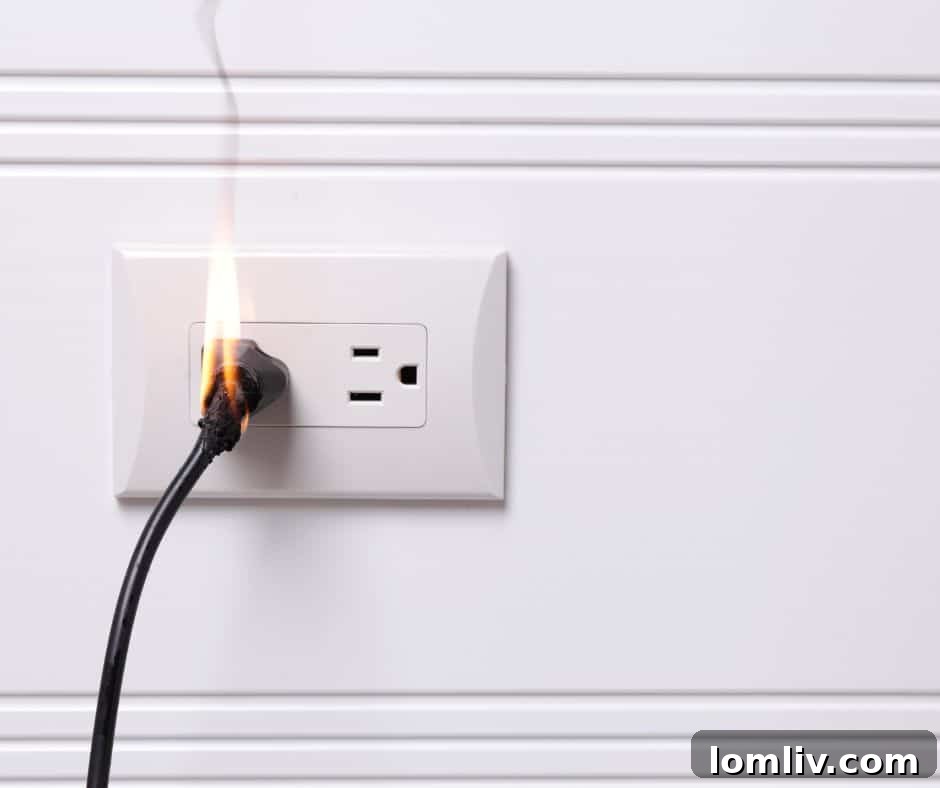
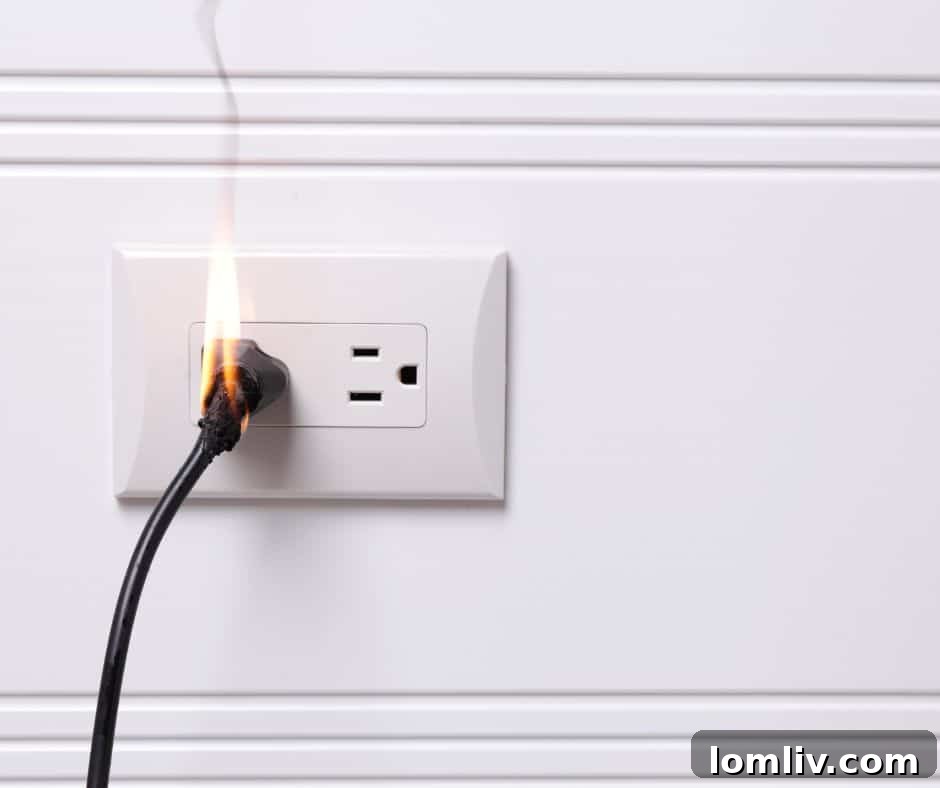
As the crisp air of autumn settles in and the vibrant hues of fall paint our surroundings, October brings with it an important reminder: Fire Prevention Month. While we often associate home fires with common culprits like cooking accidents or unattended candles, a significant and often underestimated threat lurks within our walls – electrical fires. Indeed, electrical malfunctions rank among the top five leading causes of home fires, posing a serious risk to families and property across the nation. Understanding these hazards and taking proactive steps is crucial for safeguarding your home. In this comprehensive guide, we’ll delve into some of the most common electrical issues encountered by home inspectors, offering insights and actionable advice to help you prevent potential tragedies.
Understanding the Silent Threat: Causes of Electrical Fires
Electrical fires don’t just happen; they are often the culmination of various factors, some obvious and others hidden. Overloaded circuits, faulty wiring, outdated electrical systems, and improper use of appliances are primary contributors. When an electrical system is compromised, it can generate excessive heat, sparks, or arcs, which, when in contact with flammable materials, can quickly escalate into a destructive blaze. The danger is that many of these issues are not immediately apparent, making regular vigilance and professional inspections indispensable. From the seemingly innocuous air freshener to the complex electrical panel, every component of your home’s electrical infrastructure plays a role in its overall safety profile.
Hot Outlets: More Than Just a Warm Feeling
Imagine touching an electrical outlet and finding it warm, or even hot, to the touch. This isn’t just an inconvenience; it’s a critical warning sign that your electrical system is under stress and potentially on the verge of failure. A hot outlet often indicates an underlying issue such as an overloaded circuit, loose or corroded wiring within the receptacle box, or a faulty device plugged into it. Even small appliances or “phantom loads” – devices that continue to draw a small amount of electricity even when turned off or empty, like phone chargers or those seemingly harmless plug-in air fresheners – can contribute to the cumulative heat build-up over time, especially if the wiring is already compromised.
One of the most effective safeguards against such overheating is the installation of Ground Fault Circuit Interrupter (GFCI) protected outlets. GFCIs are designed to detect imbalances in electrical current and quickly cut power, preventing electrocution and reducing the risk of fire. While GFCIs are typically required in areas prone to moisture like bathrooms, kitchens, and outdoor spaces, their presence in other parts of the home can provide an additional layer of protection, tripping before a serious heating issue can develop. If an outlet becomes hot, or you notice discoloration, buzzing sounds, or a burning smell, it’s imperative to unplug any devices immediately and contact a qualified electrician. These symptoms are not to be ignored.
For proactive homeowners, an inexpensive yet invaluable tool is an outlet tester. These handy devices, available for around $20 at any hardware store or online retailer like Amazon, can quickly diagnose common wiring problems such as incorrect polarity, open grounds, or open neutrals. Simply plug the tester into an outlet, and its indicator lights will reveal the status of the wiring. Regular checks with an outlet tester can help identify potential issues before they become critical, giving you peace of mind and an early warning system for your home’s electrical health.
The Zinsco Panel Hazard: A Legacy of Danger
The electrical panel serves as the central nervous system of your home’s electrical system, distributing power safely to all circuits. However, some older brands of electrical panels, such as Zinsco, have a notorious reputation for serious safety flaws. Predominantly found in homes built between the 1950s and 1980s, Zinsco panels were once widely installed, but their inherent design defects have led to them being deemed unsafe and subsequently removed from the market.
The core problem with Zinsco panels lies in their internal design, specifically the connection between the circuit breakers and the main bus bar. Over time, due to corrosion, arcing, and poor contact, these connections can loosen and overheat, particularly during a power surge or an overloaded circuit. Instead of tripping and cutting off power as a safety mechanism, the circuit breakers in a Zinsco panel can literally melt or weld themselves to the bus bar. This catastrophic failure means that the circuit remains energized despite an overload, leading to unchecked heat buildup within the panel. This extreme heat can melt the wiring insulation, ignite nearby flammable materials, and ultimately cause a devastating electrical fire. Identifying a Zinsco panel is crucial for homeowners; they typically have “Zinsco” or “Sylvania” branding on the panel door and often feature colorful (red, green, blue, purple) circuit breaker handles. If you suspect your home has a Zinsco panel, it is not a matter of “if” it will fail, but “when.” Immediate inspection by a qualified electrician and likely replacement is strongly recommended to eliminate this severe fire risk. Modern electrical panels are designed with superior safety features and are capable of handling contemporary electrical demands safely.
@greenscenehome And that’s why you need to replace a #Zinsco panelbox. #homeinspectionfinds #askahomeinspector #historichomerenovation #dfwrealestate
♬ original sound – Green Scene Home Inspections
Outdated Panels and Unsafe Locations: The Closet Conundrum
Beyond specific brands like Zinsco, many electrical panels from the mid-20th century present a host of problems. These older panels were simply not designed to handle the electrical demands of modern homes, which are filled with numerous appliances, electronics, and charging devices. This can lead to frequent breaker trips, dimming lights, and, more dangerously, an overloaded system that generates excessive heat. Furthermore, these older systems often lack essential modern safety features like Arc Fault Circuit Interrupters (AFCIs), which detect dangerous electrical arcs that could ignite fires, or readily available replacement parts.
Compounding the issue of age and capacity is the placement of some of these older panels. It was once common practice to install electrical panels in confined spaces, such as closets. However, current electrical codes strictly prohibit this. The reason is twofold: safety and accessibility. Electrical panels require adequate “working clearance” – a clear space around them for safe operation, maintenance, and emergency access. A closet, often used for storage, risks having flammable items too close to the panel, turning a minor electrical issue into a major fire. It also restricts an electrician’s ability to safely work on the system, increasing the risk of accidents during repairs.
Another significant concern often found in conjunction with these older panels is fabric-encased wiring, including older forms of Romex or Knob and Tube wiring. The insulation on these older wires can become brittle, crack, or even disintegrate over time, exposing bare conductors. This poses a severe risk of short circuits, arcing, and fire. Unlike modern insulated wires, old fabric-encased wiring lacks a ground wire, which is a critical safety feature for preventing shocks and providing a safe path for fault currents. If you reside in an older home, it is imperative to investigate the age and brand of your electrical panel and wiring. While historic preservation is valuable, it should never compromise safety. Updating your electrical system to meet current codes and capacity demands is a vital investment in your home’s safety and your family’s well-being. This modernization can prevent catastrophic failures, improve energy efficiency, and provide crucial peace of mind.
@greenscenehome Here’s how I know this is a fire hazard. #cutlerhammer #dfwrealestate #homeinspectionfinds #oldhomes #askahomeinspector #dfwrealestate
♬ original sound – Green Scene Home Inspections
Proactive Home Electrical Maintenance and Safety Tips
Ensuring your home’s electrical safety is an ongoing commitment. Beyond addressing specific hazards like hot outlets or outdated panels, adopting a proactive approach to electrical maintenance can significantly reduce fire risks. Here are some essential tips for homeowners:
- Regular Electrical Inspections: Especially for older homes or when purchasing a new property, schedule periodic electrical inspections by a certified professional. An inspector can identify hidden dangers, assess the overall health of your electrical system, and recommend necessary upgrades.
- Avoid Overloading Circuits: Be mindful of how many high-wattage appliances are plugged into a single outlet or circuit. Overloaded circuits can cause breakers to trip frequently or, worse, generate dangerous heat. Use power strips with surge protectors for electronics, but avoid “daisy-chaining” extension cords.
- Check Cords and Plugs: Regularly inspect electrical cords for fraying, cracks, or damage. Replace any damaged cords immediately. Ensure plugs fit snugly into outlets; loose plugs can generate heat and cause arcing.
- Use Proper Wattage Bulbs: Always use light bulbs with the correct wattage recommended for your fixtures. Using a bulb with higher wattage than specified can cause overheating and fire.
- Install and Test Smoke Detectors: Equip your home with working smoke detectors on every level and in sleeping areas. Test them monthly and replace batteries annually. Consider interconnected smoke alarms for enhanced safety.
- Know Your Main Breaker: Familiarize yourself with the location of your home’s main electrical breaker panel and how to shut off power in an emergency.
- Never DIY Complex Electrical Repairs: While changing a light bulb is simple, anything beyond basic tasks should be left to a licensed electrician. Electrical work is complex and dangerous, and improper repairs can create severe hazards and even void insurance policies.
Your Home’s Safety is Paramount: A Call to Action
As we observe Fire Prevention Month, let this serve as a powerful reminder of the hidden dangers that electrical systems can pose if neglected. From the seemingly minor issue of a hot outlet to the severe risks associated with outdated Zinsco panels or improperly located electrical boxes with antique wiring, understanding and addressing these concerns is critical for protecting your home and loved ones. The safety of your electrical system is not an area for compromise or DIY experimentation. Always remember, when it comes to electrical repairs or upgrades, the expertise of a professional, licensed electrician is indispensable. They possess the knowledge, tools, and experience to safely diagnose problems, ensure compliance with current electrical codes, and implement effective solutions that guarantee your home’s electrical integrity.
Take the time this October to assess your home’s electrical health. A proactive approach, including regular inspections and prompt attention to any warning signs, is the most effective way to prevent electrical fires and ensure peace of mind. Your home deserves to be a safe haven, and safeguarding its electrical system is a fundamental step in achieving that goal. For further questions and resources on electrical safety, the National Fire Protection Association (NFPA) provides invaluable information and guidelines.