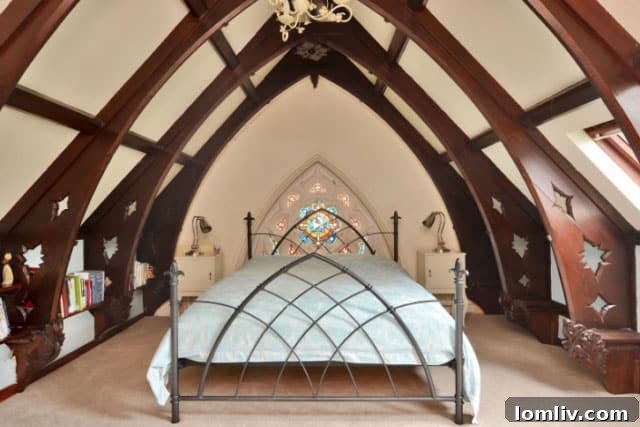
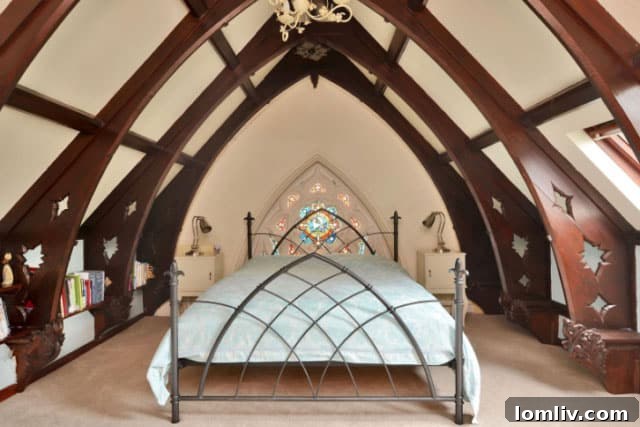
Discover the Divine Transformation: A Converted Church Home in Cold Hanworth
Imagine stepping into a home where centuries of history whisper through grand arches, where stained-glass windows paint vibrant stories across sun-drenched rooms, and where architectural majesty meets contemporary comfort. This isn’t just a dream; it’s the reality offered by the burgeoning trend of church conversions. These unique properties provide an unparalleled living experience, marrying the sacred grandeur of the past with the sophisticated demands of modern life. Among these architectural masterpieces, a truly remarkable example stands in the quaint English village of Cold Hanworth: a magnificent converted church that promises to elevate your living experience to an almost spiritual level.
Originally known as All Saints Church, this architectural gem, built in 1861, is far more than just a building; it’s a testament to enduring craftsmanship and a rich historical narrative. Commissioned by Commodore Peter Cracroft and meticulously constructed by J. Croft of Islington, the church also served as a poignant memorial for Cracroft’s late father, imbuing it with a profound sense of heritage and personal significance. Today, this structure has been beautifully repurposed, transforming its hallowed halls into an extraordinary residential dwelling. If you’re seeking a home that transcends the ordinary, offering both immense character and an abundance of space, then this stunning Cold Hanworth property is poised to captivate your imagination and perhaps even answer your nightly prayers with a renewed sense of purpose and place.
The Enduring Appeal of Converted Churches: A Blend of History and Modernity
Church conversions represent one of the most exciting and distinctive segments of the luxury real estate market. Their allure lies in a unique combination of factors that standard homes simply cannot replicate. From their imposing exteriors to their breathtaking interiors, these properties offer a living experience steeped in history, grandeur, and an inimitable sense of peace. Homeowners are increasingly drawn to the singular opportunity to inhabit a piece of history while enjoying all the modern comforts. These structures, once central to community life, are now being given a new lease on life, preserved and celebrated through thoughtful design.
Architectural Grandeur and Unique Design Elements
- Soaring Ceilings: One of the most striking features of any converted church is the incredible vertical space. High ceilings create an immediate sense of grandeur and openness, offering endless possibilities for creative interior design, such as mezzanines, galleries, or simply an expansive living area that feels truly luxurious. This dramatic verticality allows for an abundance of natural light and an airy atmosphere.
- Stained Glass Windows: Often meticulously preserved, original stained glass windows are not just decorative elements; they are works of art that filter natural light into a kaleidoscope of colors, transforming the ambiance of a room throughout the day. They provide both ethereal beauty and a unique sense of privacy, creating an ever-changing display of light and shadow.
- Historic Stonework and Craftsmanship: The robust stone or brickwork, intricate carvings, and period features tell a story of bygone eras. These elements are often preserved and highlighted, blending seamlessly with contemporary finishes to create a unique aesthetic that celebrates the building’s origins. Exposed stone walls or original timber trusses add immense character and a tactile connection to the past.
- Open-Plan Living: The typically unobstructed main spaces of a church lend themselves perfectly to modern open-plan living. This allows for fluid transitions between living, dining, and kitchen areas, fostering a sense of community and connection within the home. The lack of internal load-bearing walls provides unparalleled flexibility in layout.
- Unique Layouts: No two church conversions are exactly alike. The adaptations required to transform a sacred space into a comfortable home often result in highly individual and imaginative layouts that defy conventional residential design. This means each converted church is a bespoke masterpiece, reflecting its original structure and the vision of its renovators.
- Authentic Details: From original floor tiles to meticulously restored wooden doors, the smallest details contribute to the property’s unique charm, reminding residents of its sacred past and the skilled hands that built it.
A Lifestyle Beyond Compare: Tranquility, Character, and Community
Living in a converted church offers more than just unique architecture; it offers a distinctive lifestyle. Residents often find themselves embracing a deeper connection to history and a profound sense of place within their community. The inherent tranquility of these former sacred spaces often translates into a peaceful home environment, providing a sanctuary from the hustle and bustle of modern life. Furthermore, owning such a property often means becoming a custodian of history, preserving a significant local landmark for future generations. The character embedded in every beam and every pane of glass tells a story, making your home a conversation starter and a true reflection of individuality. These homes often become focal points within their villages, offering a sense of pride and connection.
All Saints Church, Cold Hanworth: A Glimpse into its Victorian Legacy
The All Saints Church in Cold Hanworth stands as a proud example of mid-Victorian ecclesiastical architecture. Built in 1861, a period renowned for its robust construction and decorative flair, the church embodies the architectural styles prevalent during Queen Victoria’s reign. This era saw a revival of Gothic forms, characterized by pointed arches, ribbed vaults, and ornate detailing, often with a focus on solid, enduring materials like local stone. The choice of J. Croft of Islington as the builder suggests a connection to skilled craftsmen from the capital, ensuring a high standard of construction and design that has stood the test of time.
Commissioned by Commodore Peter Cracroft, a figure of prominence in his time, the church was not solely a place of worship but also served as a lasting memorial to his father. This dual purpose imbued the structure with a deeply personal and familial significance, adding layers of meaning to its very foundations. Located in the charming village of Cold Hanworth, the church would have been a focal point for the local community for over a century, witnessing countless ceremonies and daily village life unfold around its hallowed walls. Its transformation into a residential property now offers a rare opportunity to live within a piece of this rich local history, contributing to its ongoing legacy in a new and exciting chapter. The village setting further enhances its appeal, offering a serene rural escape while often maintaining good connectivity to larger towns.
The Conversion Journey: Blending Preservation with Modern Living
The process of converting a church into a residential dwelling is a complex yet incredibly rewarding endeavor. It requires a delicate balance of preserving historical integrity while introducing modern amenities and comforts. This often involves careful planning, specialist architectural expertise, and a deep appreciation for the original structure. Key aspects of a successful church conversion typically include:
- Structural Integrity: Ensuring the building’s foundations, walls, and roof are sound and ready for a new lease on life. This often involves extensive repairs and reinforcement to meet contemporary building codes and ensure long-term stability.
- Insulation and Heating: Adapting large, open spaces for energy efficiency is crucial. Modern insulation techniques, underfloor heating, and smart climate control systems are often integrated to make these grand spaces comfortable year-round, addressing the challenges of heating vast volumes.
- Natural Light Maximization: While preserving original windows, designers often find creative ways to introduce additional light, perhaps through new skylights or carefully placed modern fenestration that complements the existing architecture without compromising its character. This ensures bright, inviting living areas.
- Modern Conveniences: Installing state-of-the-art kitchens, luxurious bathrooms, and efficient utility areas while respecting the aesthetic of the original building. This involves clever integration of plumbing, electrical systems, and contemporary fixtures without detracting from the historic ambiance.
- Acoustics: Managing the inherent echoes of a large, high-ceilinged space through strategic use of materials, furnishings, and acoustic paneling. Thoughtful design can transform a potentially challenging acoustic environment into one that is pleasant and conducive to comfortable living.
- Planning and Listed Building Consent: Many churches are listed buildings, requiring meticulous planning applications and adherence to strict conservation guidelines to ensure any alterations are sympathetic and appropriate.
The transformation of All Saints Church likely underwent a similar thoughtful process, resulting in a home that respects its past while providing all the conveniences and luxuries expected of a contemporary residence. The result is a home that offers monumental scale without feeling overwhelming, historical depth without feeling dated, and a sense of serenity that is truly unique. Such a conversion demands a commitment to craftsmanship and design excellence, yielding a property that is both functional and profoundly beautiful.
Exploring This Unique Property and More
For those enchanted by the prospect of owning such an extraordinary piece of history, the All Saints Church conversion in Cold Hanworth presents an unmissable opportunity. This magnificent property is currently listed by Mount and Minster, a reputable agency known for specializing in unique and distinctive homes. Their expertise ensures that properties of this caliber are presented with the attention to detail they deserve, guiding prospective buyers through the nuances of acquiring such a special residence. Their listings often feature detailed descriptions and high-quality photography, giving a true sense of the property’s potential.
The fascination with transformed churches extends beyond just this singular listing. Across the pond and indeed globally, these unique residences continue to capture the imagination of discerning homeowners and design enthusiasts alike. To delve deeper into the world of church conversions and explore other stunning examples, you can find out more about this specific property and many others on SecondShelters.com. These platforms offer invaluable insights into the trends, challenges, and immense rewards of embracing a home that truly stands apart, providing inspiration for anyone considering such a unique residential venture.
Why Invest in a Converted Church?
Investing in a converted church is not merely buying a house; it’s acquiring a legacy and a truly distinctive living experience. These properties offer a multitude of advantages that set them apart from conventional homes:
- Unrivaled Character: Each building tells a unique story, evident in its architecture, historical features, and the spiritual tranquility that often permeates the space. You’re not just buying a structure, but a piece of history.
- Spacious Living: Generous floor plans and soaring ceilings provide ample room for living, entertaining, and creative pursuits. This scale is often hard to replicate in newly built homes without significant cost.
- Sustainable Living: Repurposing an existing structure is an inherently sustainable choice, giving new life to old materials and reducing the environmental impact of new construction. It’s a prime example of architectural recycling.
- Prime Locations: Many churches are located in the heart of charming villages or historic towns, offering a blend of rural tranquility and community access, often within easy reach of local amenities and picturesque surroundings.
- Potential for Appreciation: Due to their rarity, unique appeal, and the high quality of conversion work typically involved, well-executed church conversions often hold their value and can appreciate significantly over time, making them a sound investment.
- A Sense of Identity: Living in a converted church provides a strong sense of personal identity and individuality, allowing homeowners to express their unique taste in a property that genuinely stands out.
Ultimately, a converted church like the All Saints Church in Cold Hanworth represents more than just real estate; it’s a lifestyle choice, an artistic statement, and an opportunity to inhabit a piece of living history. It challenges the conventional notions of home and invites you to embrace a residence that is truly extraordinary, offering beauty, serenity, and a distinctive connection to the past. For those seeking a home with soul, grandeur, and an unmatched narrative, the allure of a transformed church is undeniably powerful.