A Tale of Two Churches: Preservation vs. Progress in Dallas Real Estate
The stark difference in real estate values and preservation mindsets across just a few miles in Dallas continues to astound. While one historically significant church faces the wrecking ball, another in a prime Uptown location stands as a testament to successful adaptive reuse, commanding a multi-million dollar price tag and inspiring awe.
The Oak Cliff Dilemma: A George Dahl Masterpiece Under Threat
Just last week, the architectural and cultural community was alerted to the precarious future of a George Dahl-designed church situated at 1010 West Kiest Blvd, specifically at the corner of Kiest and Polk. Diagonally across from Barbara Jordan Elementary School and adjacent to the Kiest Polk Shopping Village, this site’s new owner reportedly harbors intentions to demolish the structure, making way for what is rumored to be a new shopping center or similar development. More details on this unfolding situation are anticipated.
This Oak Cliff church building is far from an ordinary structure; it boasts significant architectural, historical, and cultural importance. It was meticulously designed in 1953 by the renowned Dallas architect George Dahl, originally serving as the Church of the Master, Evangelical and Reformed Church. Its congregation comprised German/Swiss immigrants who embarked on their journey to Texas via Galveston, establishing a vital community hub in Oak Cliff. While its current condition may not be pristine, the assertion by some that it lacks preservation value is strongly debatable. This building represents a tangible link to Dallas’s immigrant history and post-war architectural heritage, making its potential demolition a profound loss.
Historically, churches have proven their adaptability, often finding second, third, or even fourth lives. They are robust structures, rich in character, and frequently offer expansive, unique spaces that lend themselves beautifully to modern reimagining. The question isn’t whether such buildings are “worth keeping,” but rather how creatively and thoughtfully we can integrate them into the evolving urban landscape.
Uptown’s Architectural Gem: 2700 Fairmount and the Power of Adaptive Reuse
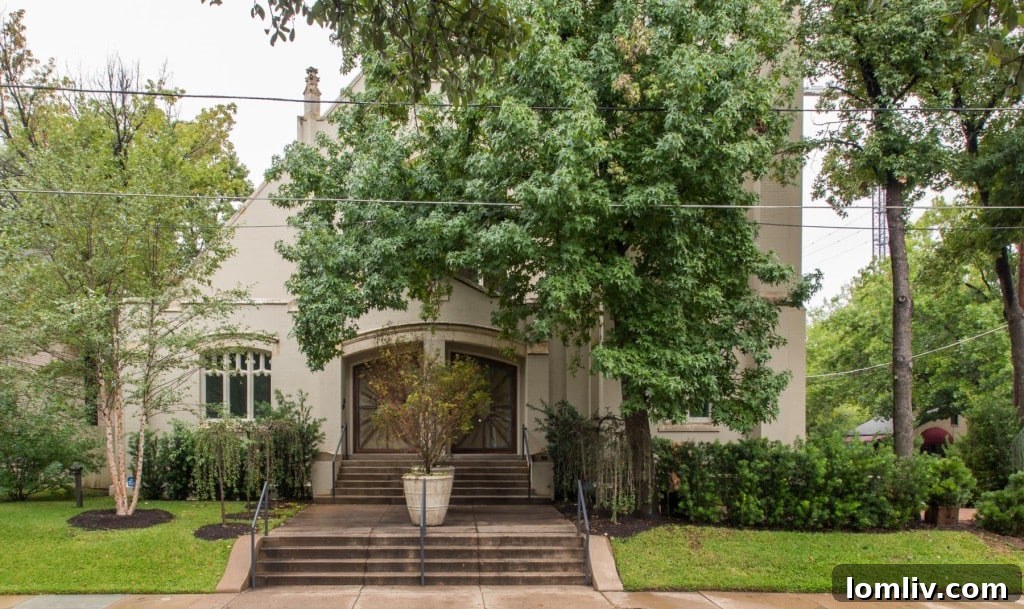
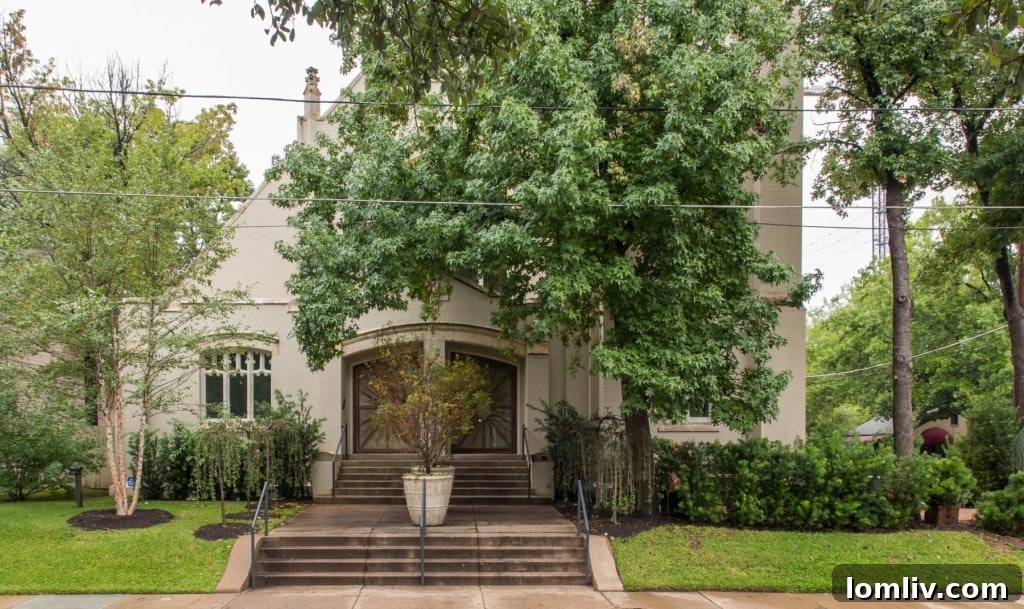
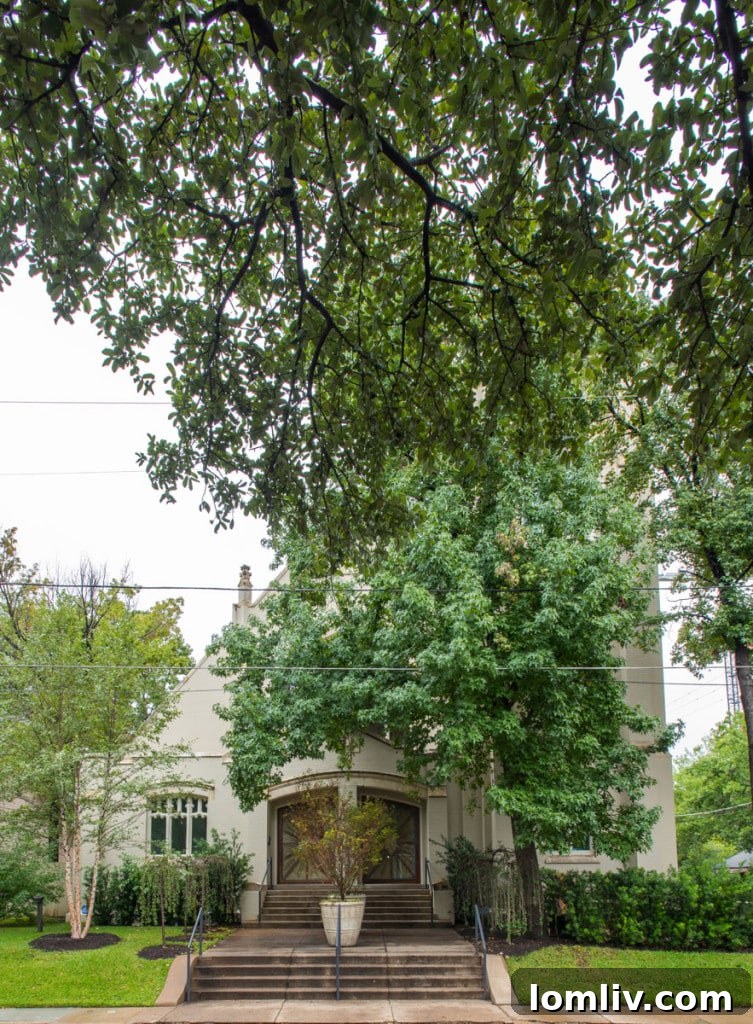
In stark contrast to the preservation challenges in Oak Cliff, a spectacular church at 2700 Fairmount in the vibrant heart of Uptown Dallas presents a shining example of successful adaptive reuse. This property, currently listed for an impressive $8.4 million, epitomizes the premium value placed on historic character combined with strategic location and thoughtful renovation. Yes, that substantial price tag is indeed correct, reflecting its unparalleled status in the Dallas luxury real estate market.
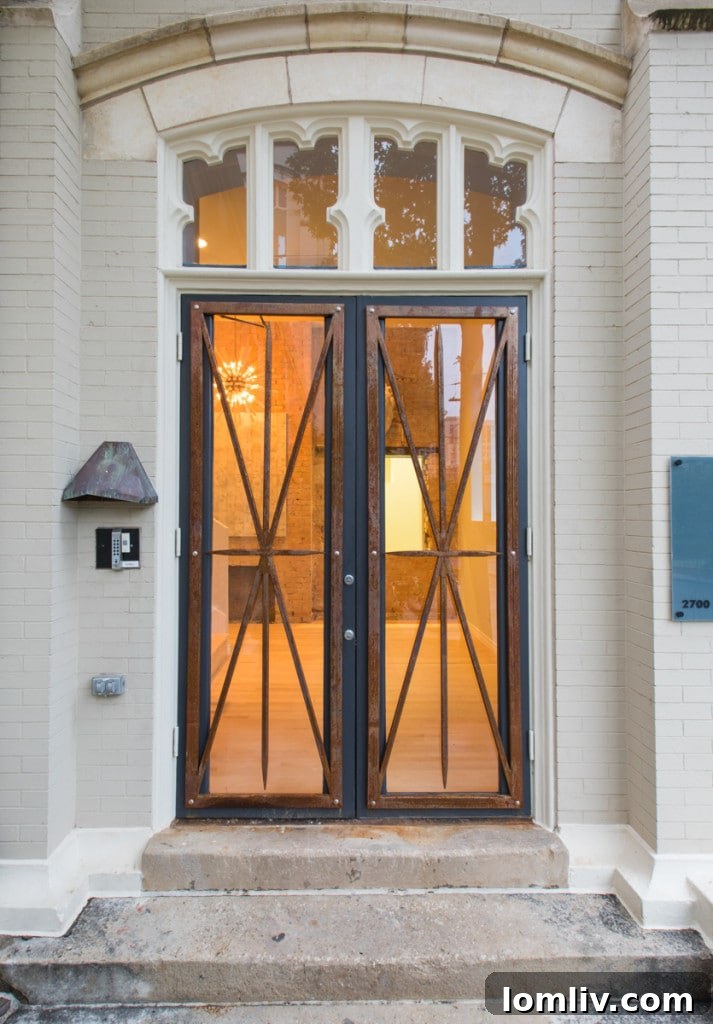
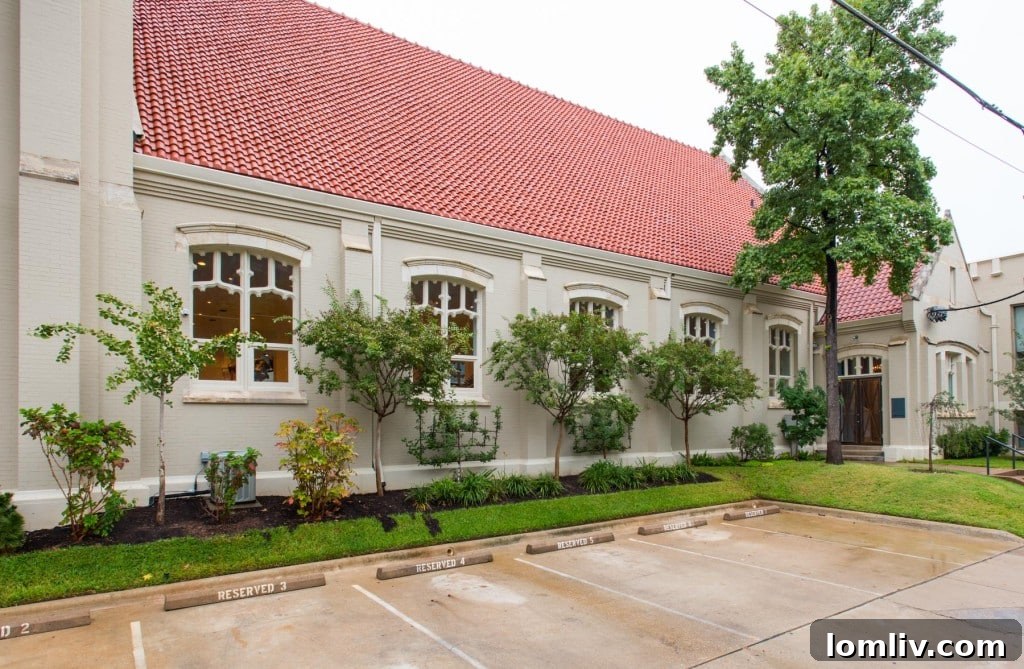
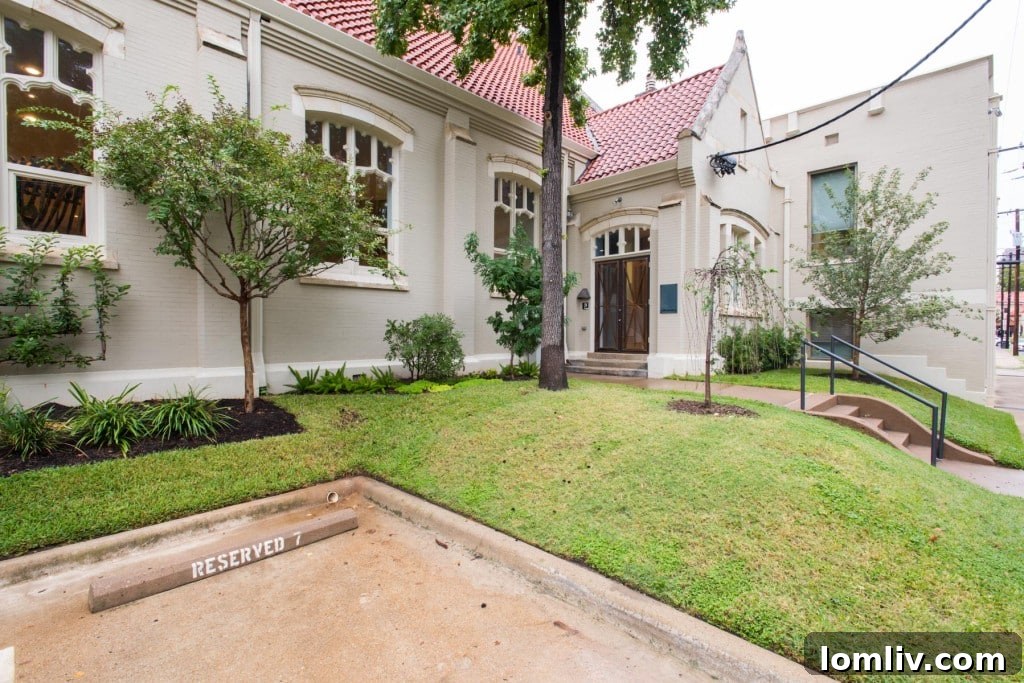
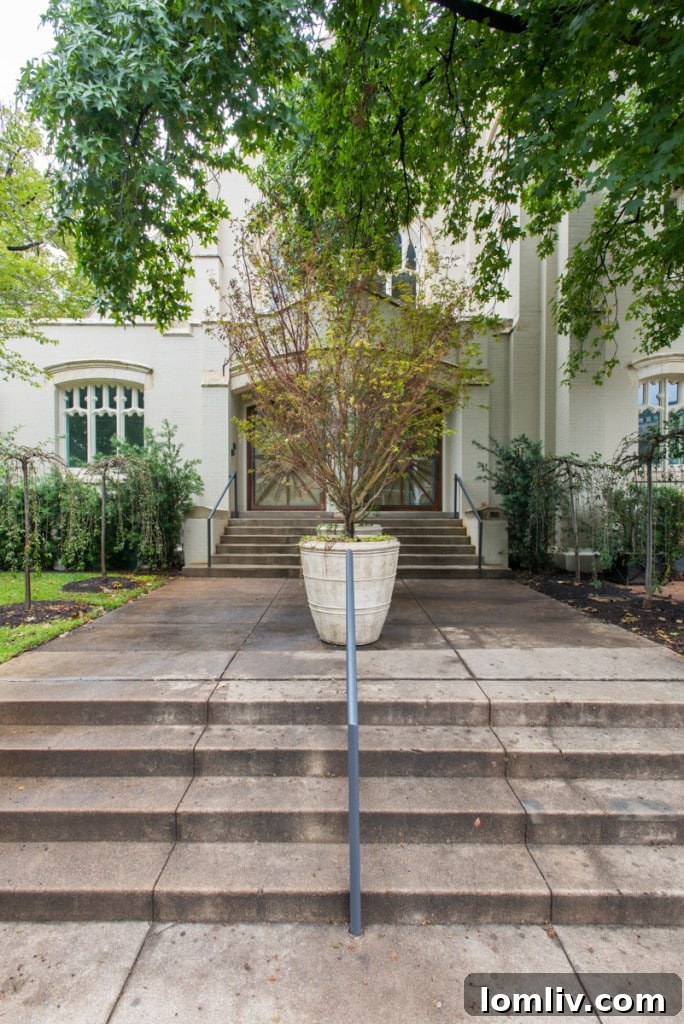
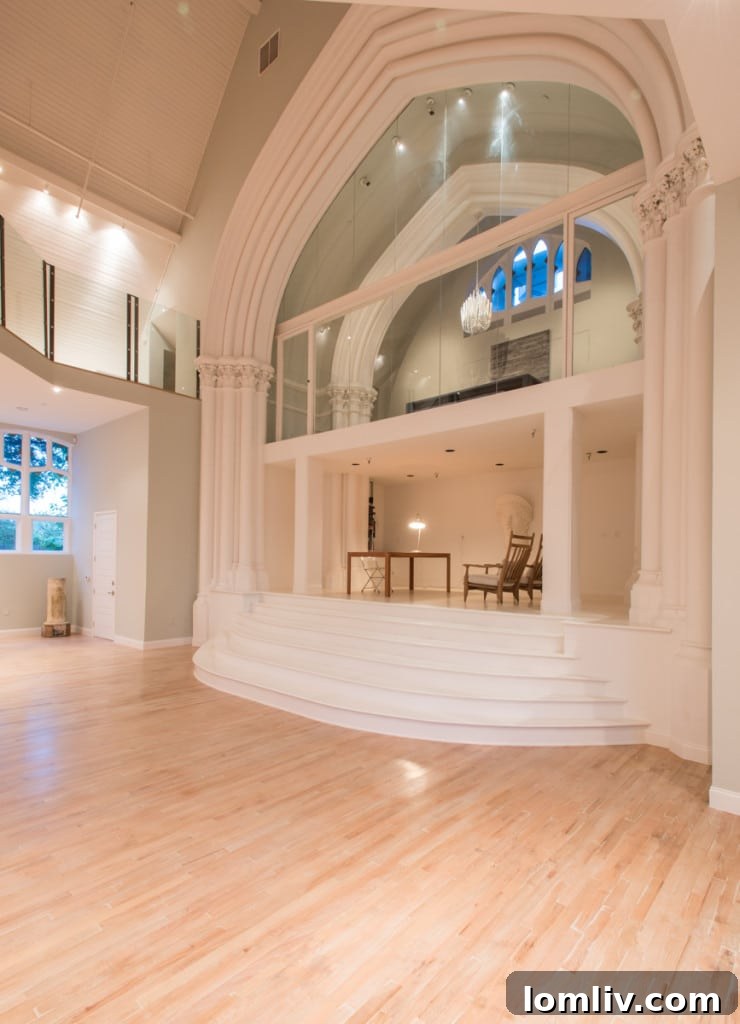
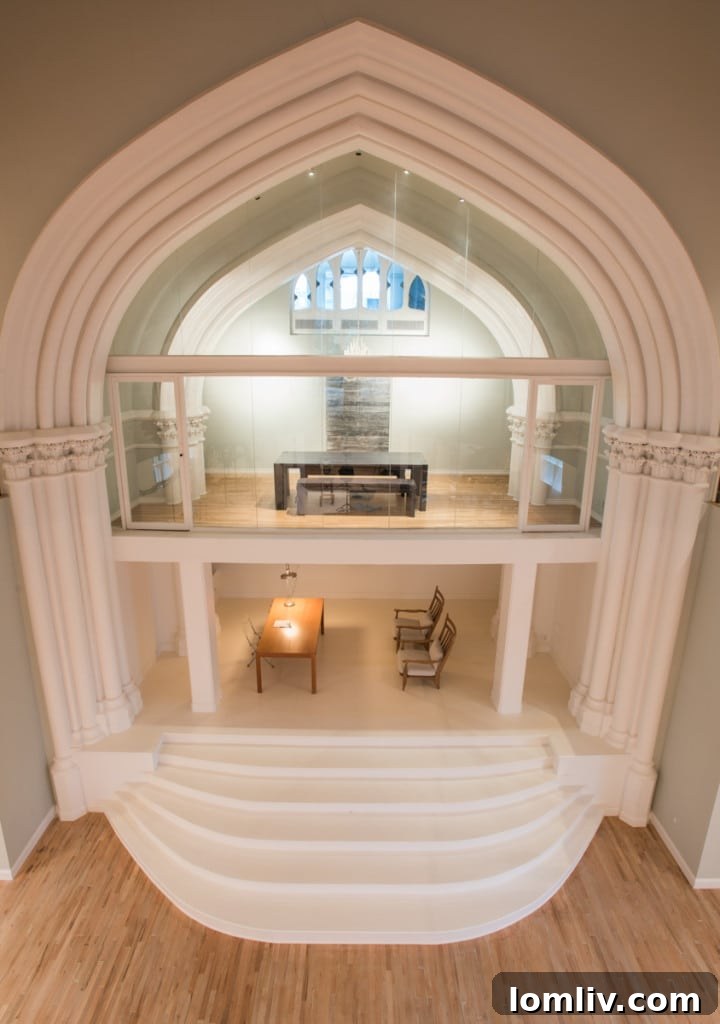
This Beaux-Arts masterpiece, completed in 1910, was originally commissioned as the Westminster Presbyterian Church. Its distinguished design comes from the collaboration of Herbert Miller Greene—architect of the very first Dallas News building in 1897 and the iconic downtown Neiman Marcus—and his partner, James P. Hubbell. Their legacy of contributing to Dallas’s architectural identity is evident in every carefully preserved detail of this magnificent structure. It has been meticulously maintained and creatively renovated, transitioning gracefully into a tasteful and eclectic office space suitable for a diverse range of contemporary uses. From its historical grandeur, the building now offers a flexible canvas, perfect for a company headquarters, a high-end creative office, multi-family residential conversion, or even a truly unique private residence. The possibilities for this Uptown Dallas landmark are virtually limitless, sparking imaginative ideas at every turn.
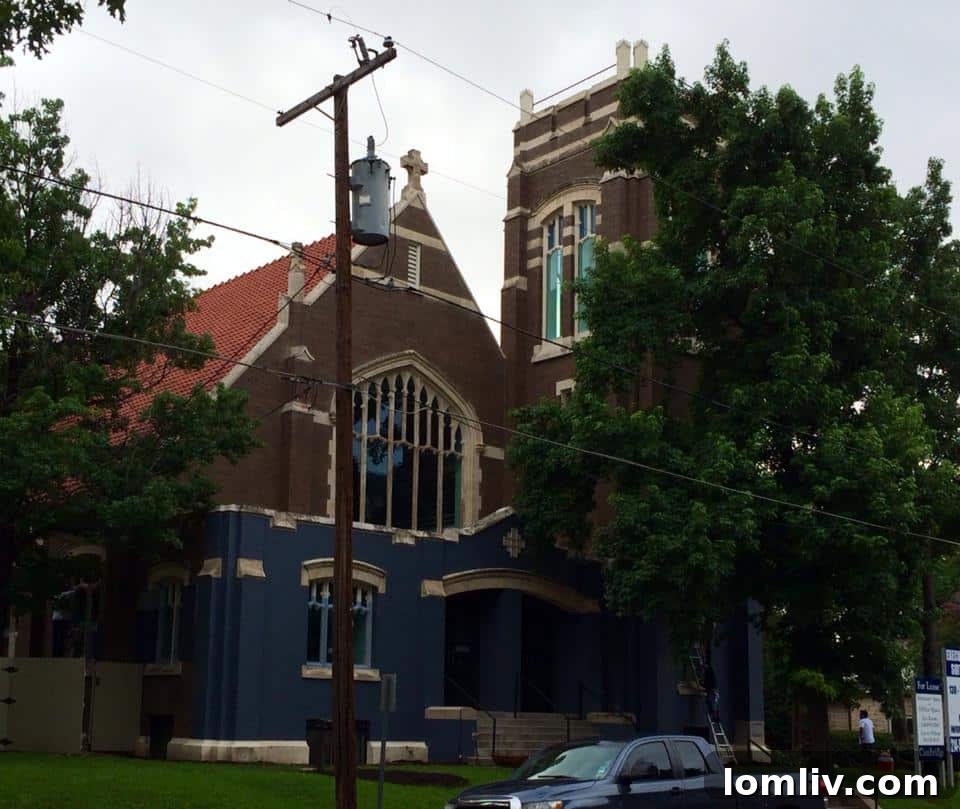
It’s worth recalling a brief, albeit colorful, chapter in its history around 2014 when a “cray cray” decision saw portions of the church painted blue. Thankfully, that phase passed, and the building has since returned to its dignified splendor, showcasing how even minor missteps can be overcome in the long journey of a historic property.
A History of Transformation: From Sanctuary to “Tech Church”
The ownership history of 2700 Fairmount reveals a fascinating journey of transformation. After its life as a house of worship, the building became the dynamic home of the Tech Wildcatters, a prominent start-up accelerator. During its tenure from roughly 2010 to 2013, it was famously known as the “Tech Church,” a moniker even reflected on Foursquare. This period brilliantly demonstrated the building’s inherent capacity for innovative adaptive reuse, proving that sacred spaces can indeed foster groundbreaking secular endeavors.
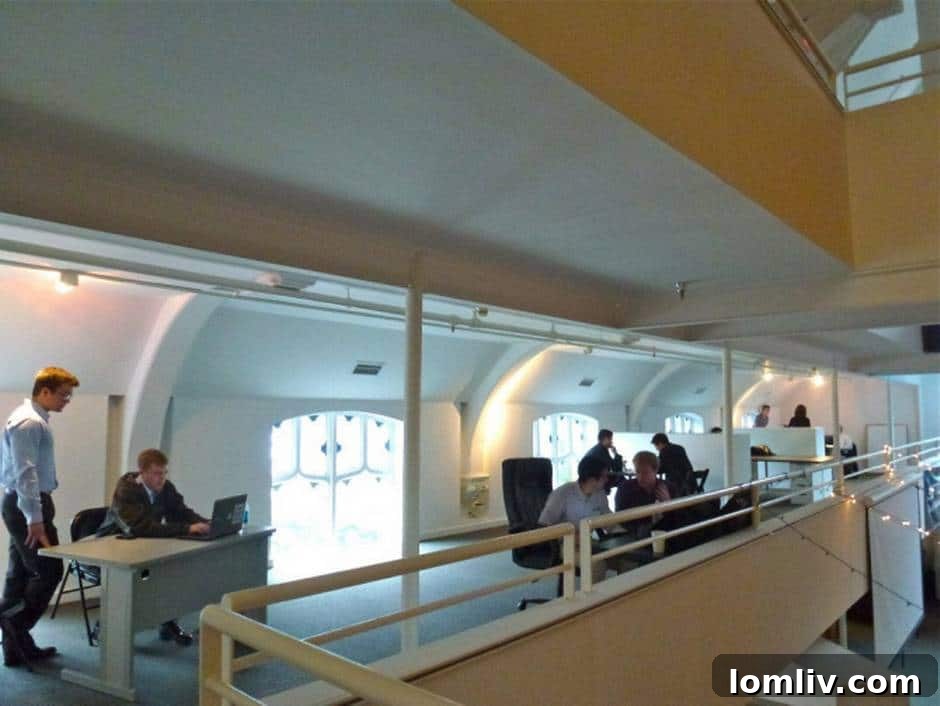
Following the Tech Wildcatters’ departure, the property was listed for lease, with LoopNet at one point pricing it at $30 per square foot. While there was some local speculation that designer Gary Riggs owned it, the current real estate agent, Bryan Crawford of Briggs Freeman Sotheby’s International, clarifies that Ray Washburne was the previous owner. The current owner, a private individual involved in the fossil and mineral business, acquired the property from Washburne in 2013. Interestingly, Gary Riggs has indeed worked for the current owner, explaining the earlier connection.
Dinosaurs in the Sanctuary: A Truly Unique Display
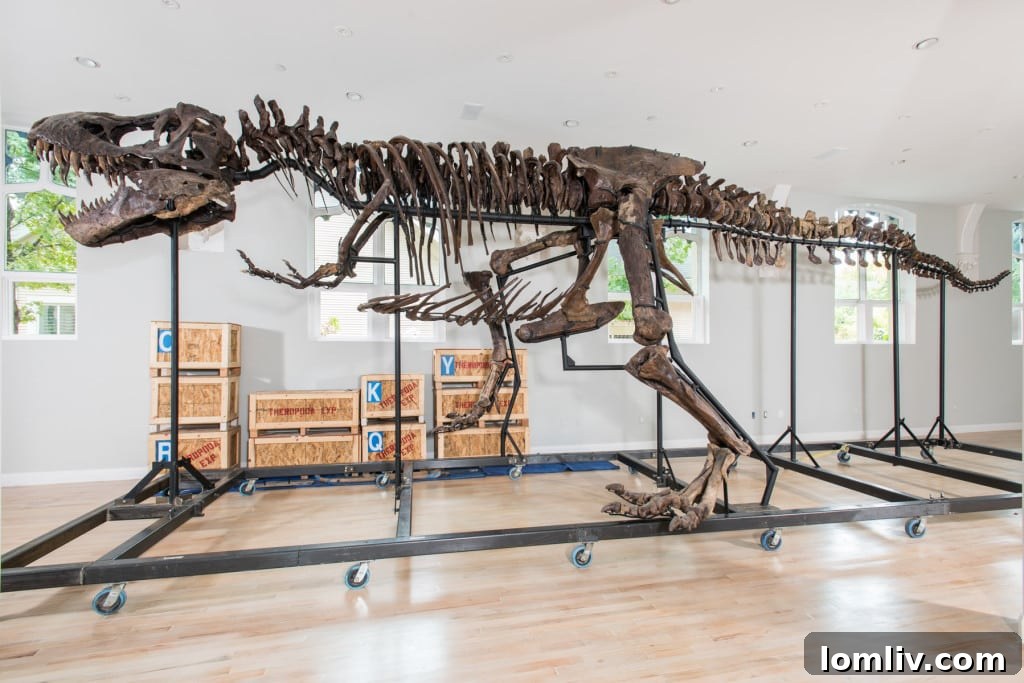
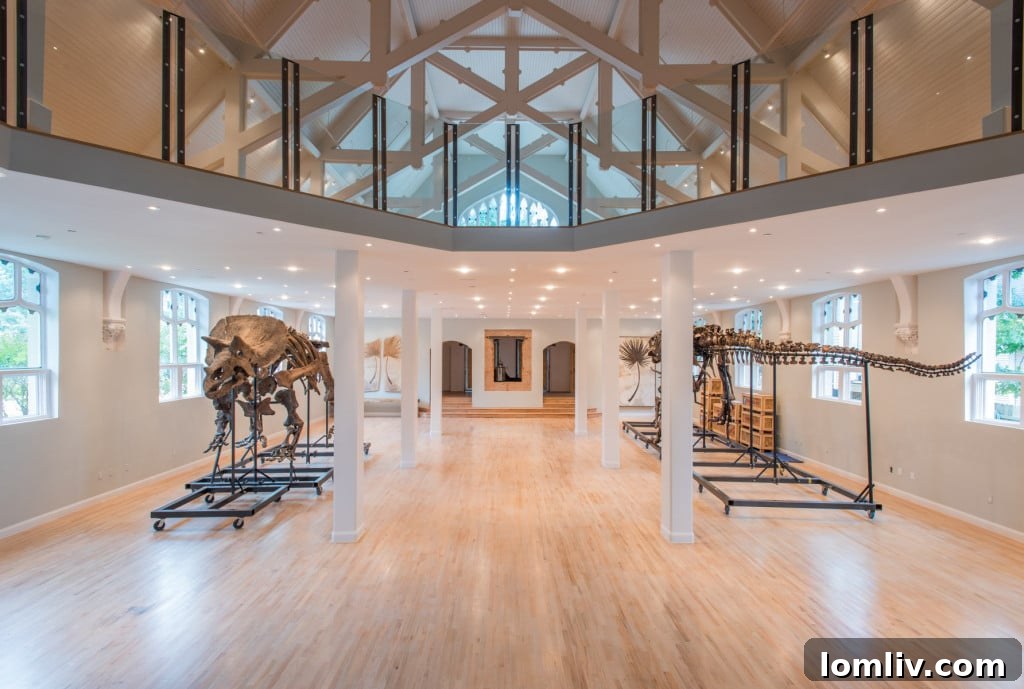
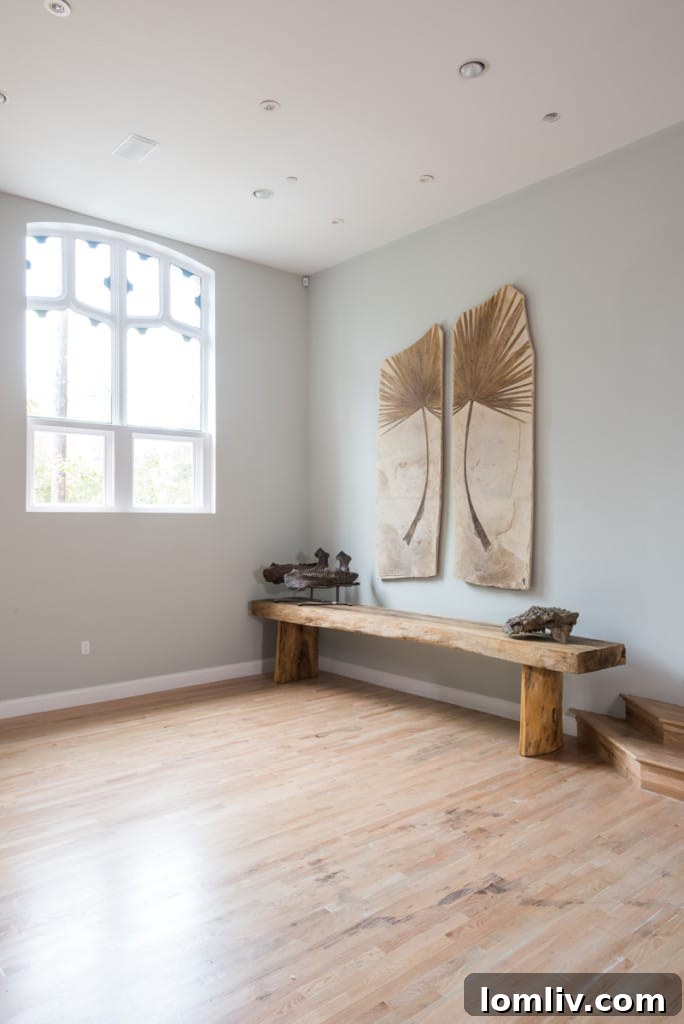
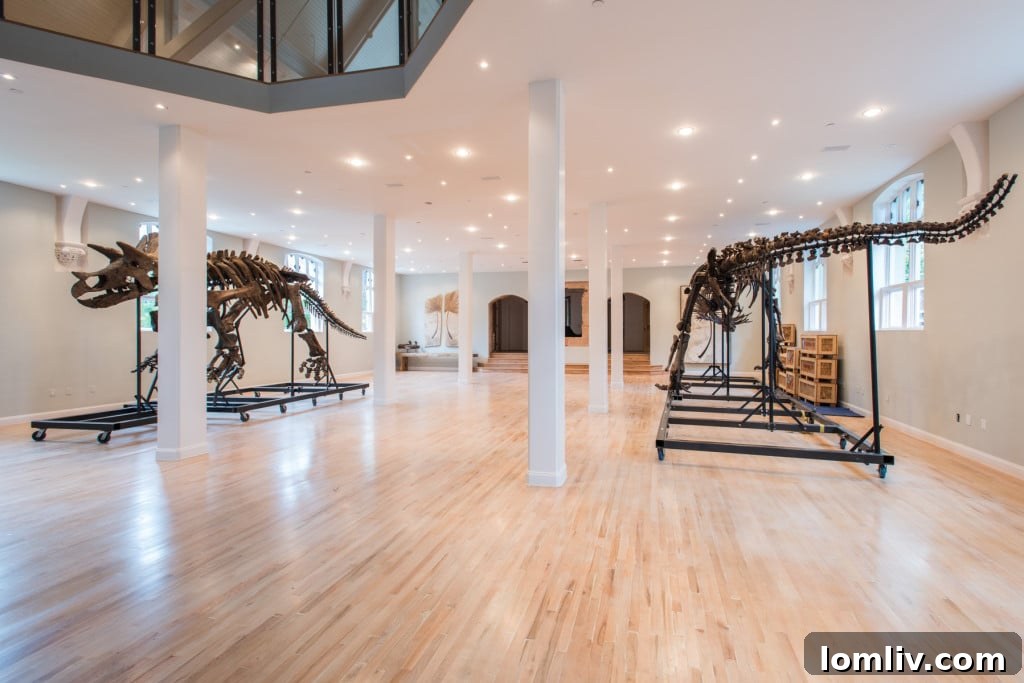
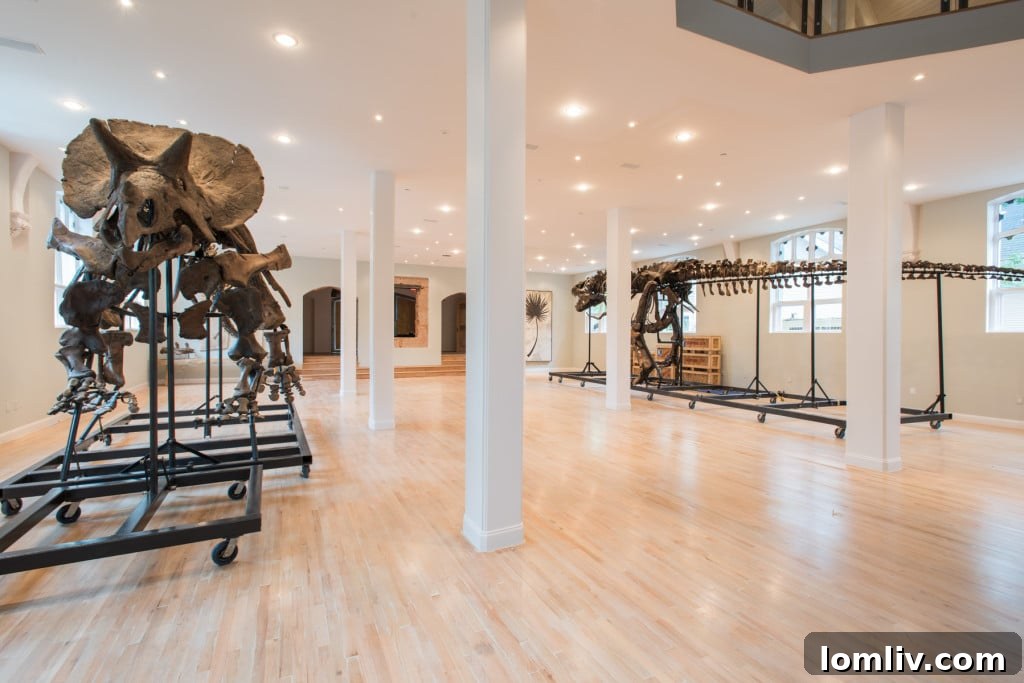
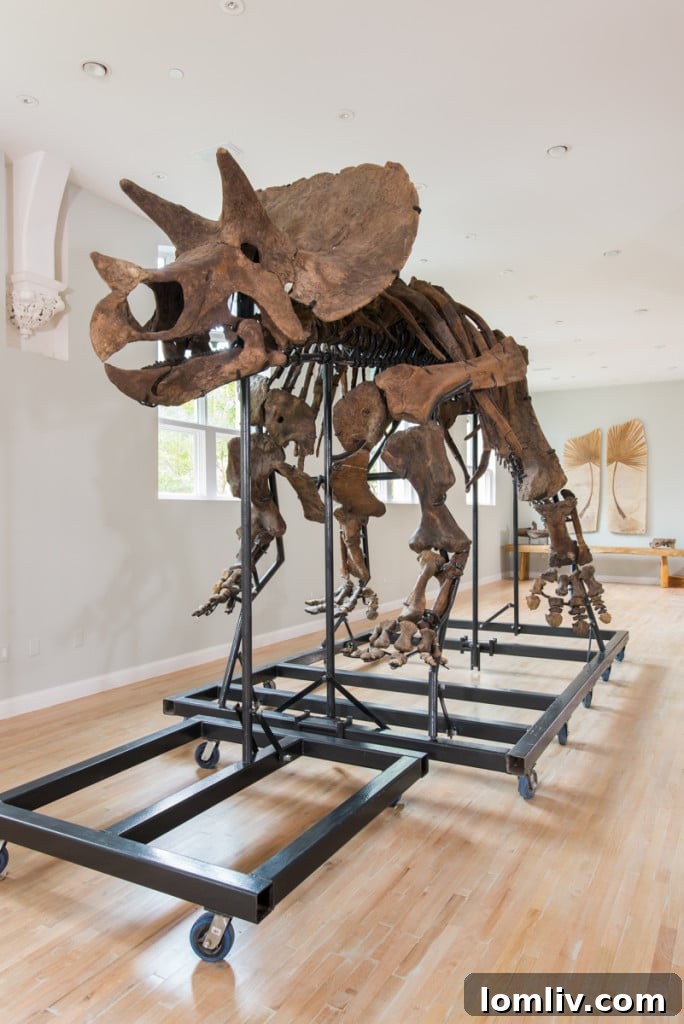
Perhaps the most extraordinary feature, and a delightful reflection of the current owner’s passion, is the display of magnificent dinosaur fossils within the church’s sanctuary. Imagine towering carnivorous saurischian dinosaurs, such as a T-Rex or another impressive therapod, with their distinctive short forelimbs, standing proudly where pews once rested. It prompts a fascinating question: can you conceive of a more perfect, awe-inspiring venue for showcasing an ancient collection of dinosaur bones than within the grand, vaulted space of a historic church sanctuary? It’s an unexpected juxtaposition that truly underscores the building’s versatility and imaginative potential.
Beyond the Sanctuary: Spaces for Modern Living and Enterprise
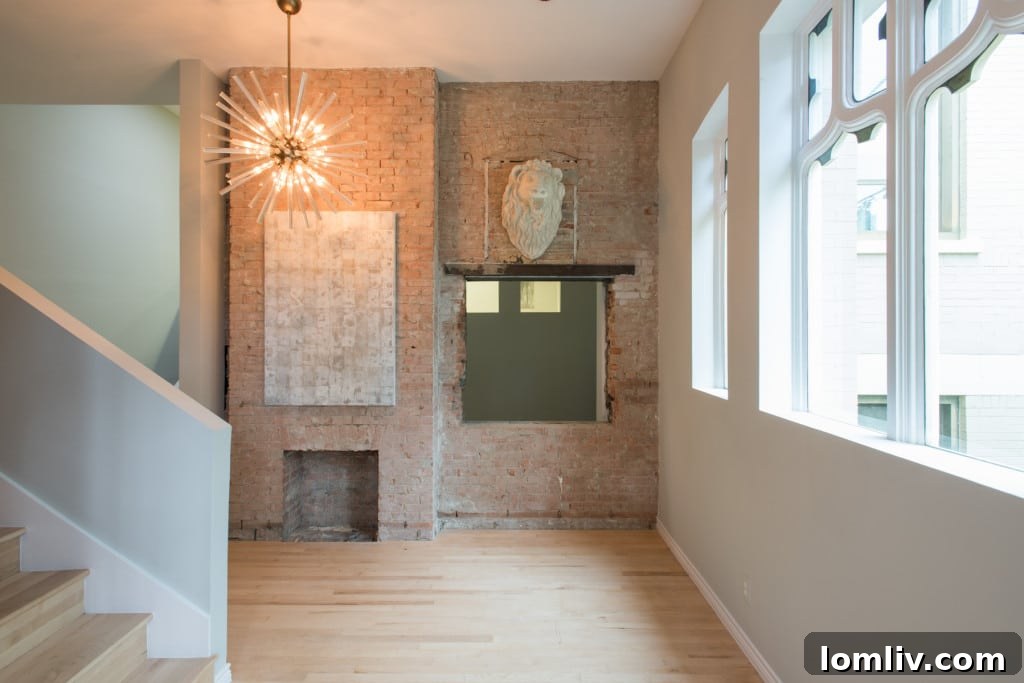
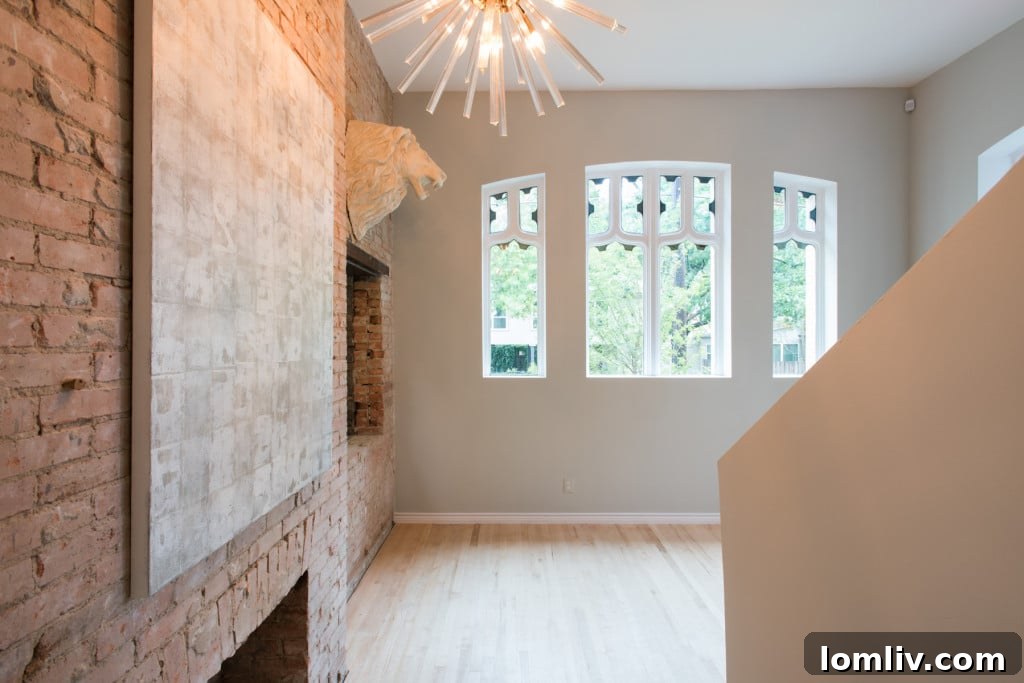
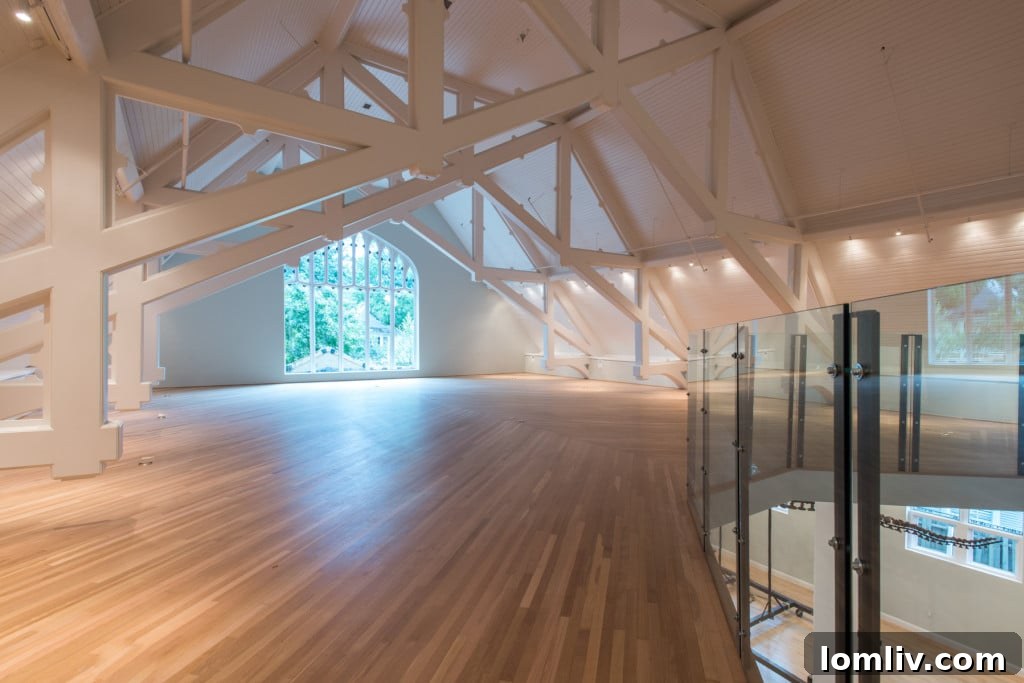
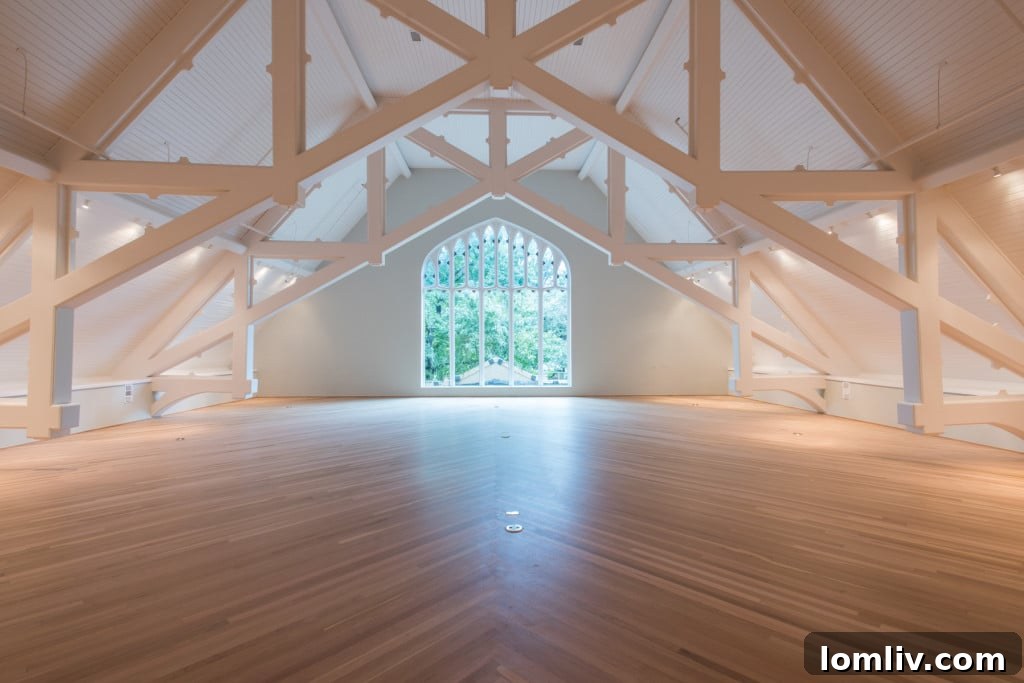
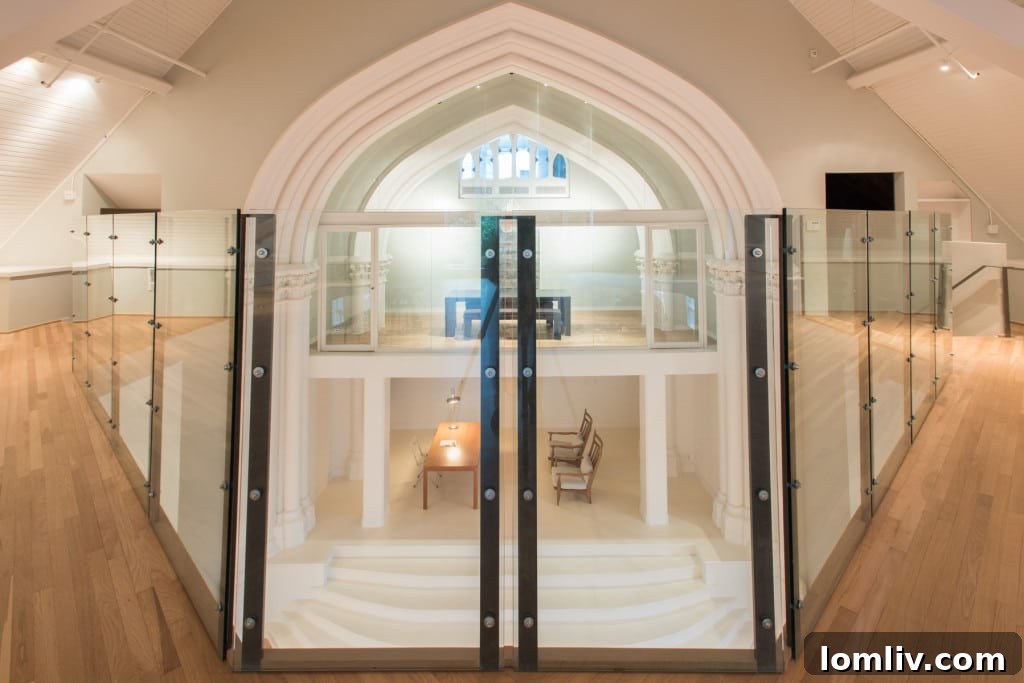
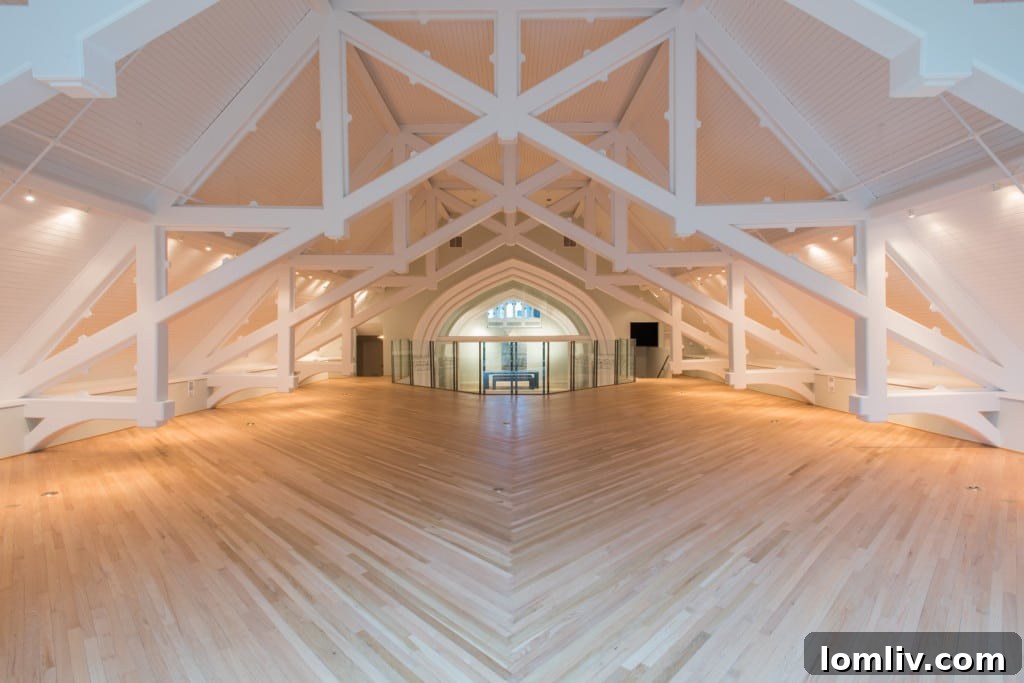
The main sanctuary spaces are truly remarkable—large, open, and incredibly creative, making them ideal for a high-impact showroom, an open-plan office, a dynamic event venue, or even, as seen, an impressive display for dinosaurs! Elevated above the main sanctuary, which now serves as a versatile showroom, is a conference room or potential executive office space. Enclosed in glass, this perch offers panoramic views of the main floor and is exquisitely framed by the original plaster moldings. This room also boasts several intricate criss-crossed beams, and its tongue-and-groove ceiling is a breathtaking architectural feature that demands admiration. While the wood has been painted white, a color I personally appreciate, one can’t help but wonder about the original wood’s character beneath.
Complementing the main church structure is a two-story rear addition, thoughtfully designed to maximize functionality. This section comprises 14 individual office suites, a dedicated sound studio room on the lower level perfect for creative professionals, and several other flexible open-plan office areas. In a bustling urban environment like Uptown, where parking is often a luxury, this property stands out. It features its own on-site lot, accommodating 7 cars, and crucially includes an additional parking lot across the street at 2518 Mahon Street, providing space for 20 more vehicles. In Uptown, the adage “he who owns the parking spaces commands” holds true, making this an invaluable asset.
The building is zoned PD9, a designation that allows for a wide array of uses, including retail, various office functions, and of course, single-family residential. This flexibility significantly broadens its appeal. Furthermore, its location is undeniably one of Uptown’s finest. Within easy walking distance, occupants can access The Crescent, the diverse retail and dining establishments along McKinney Avenue, and the vibrant amenities of the Turtle Creek/Cedar Springs area. This central positioning ensures unparalleled connectivity and convenience.
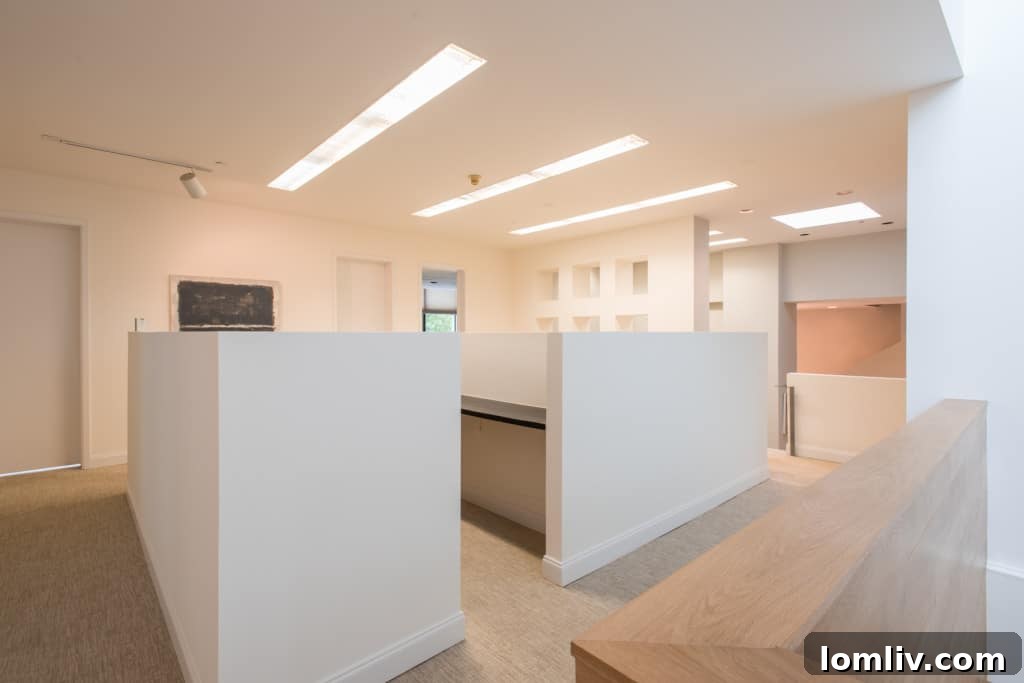
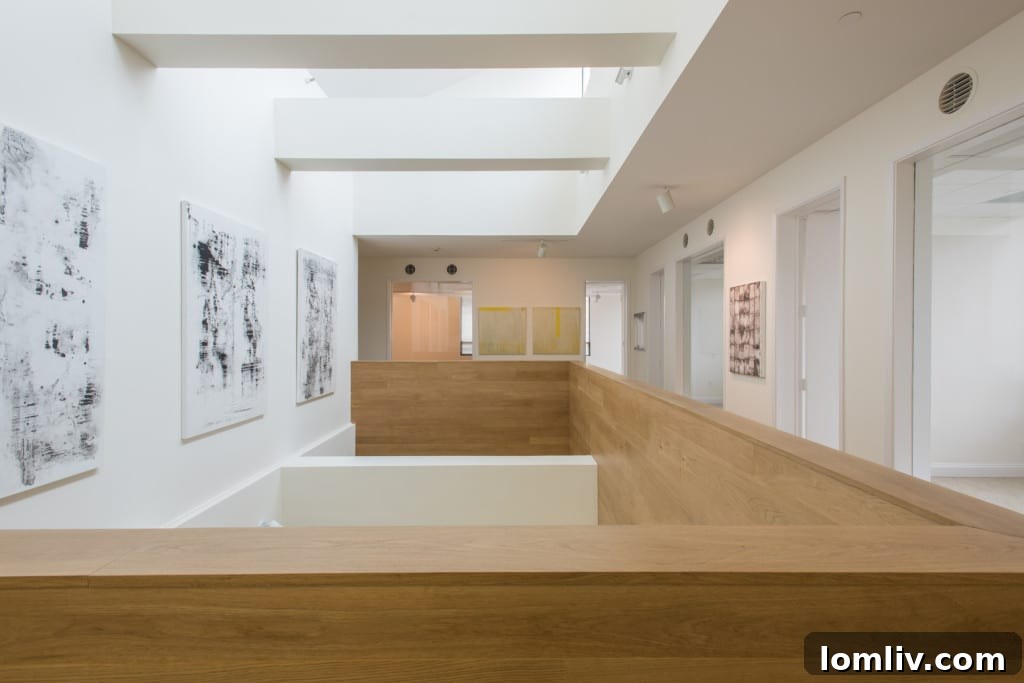
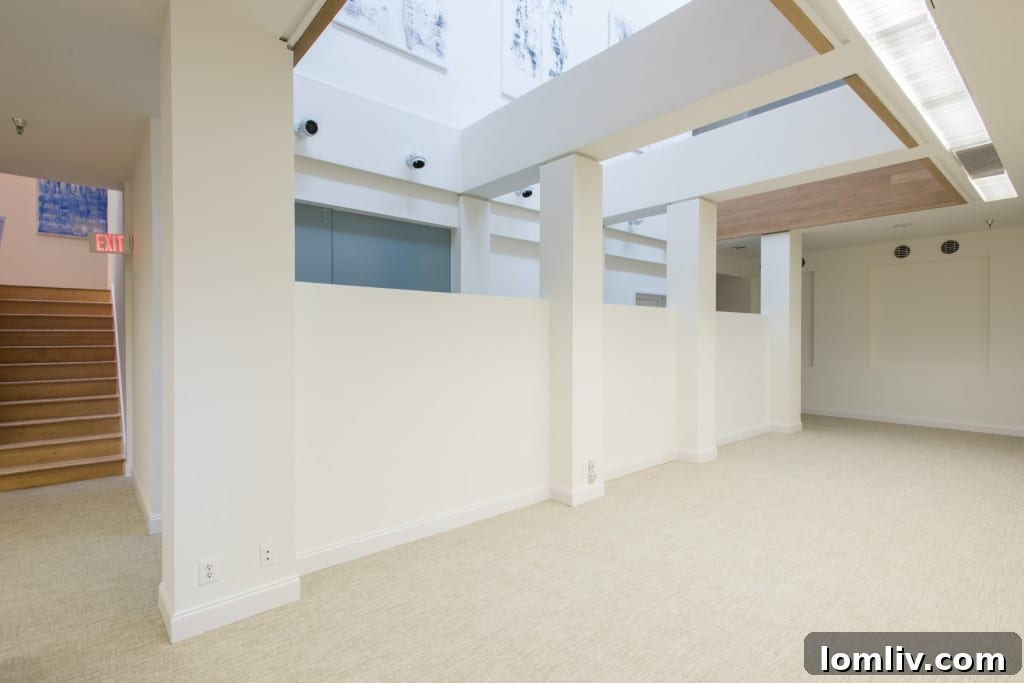
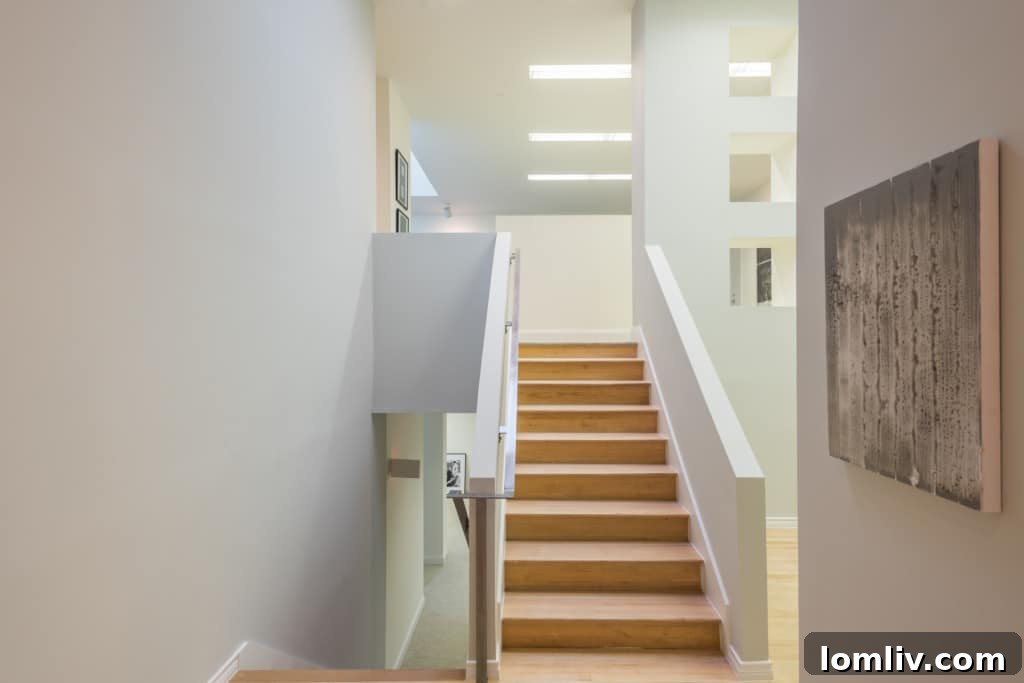
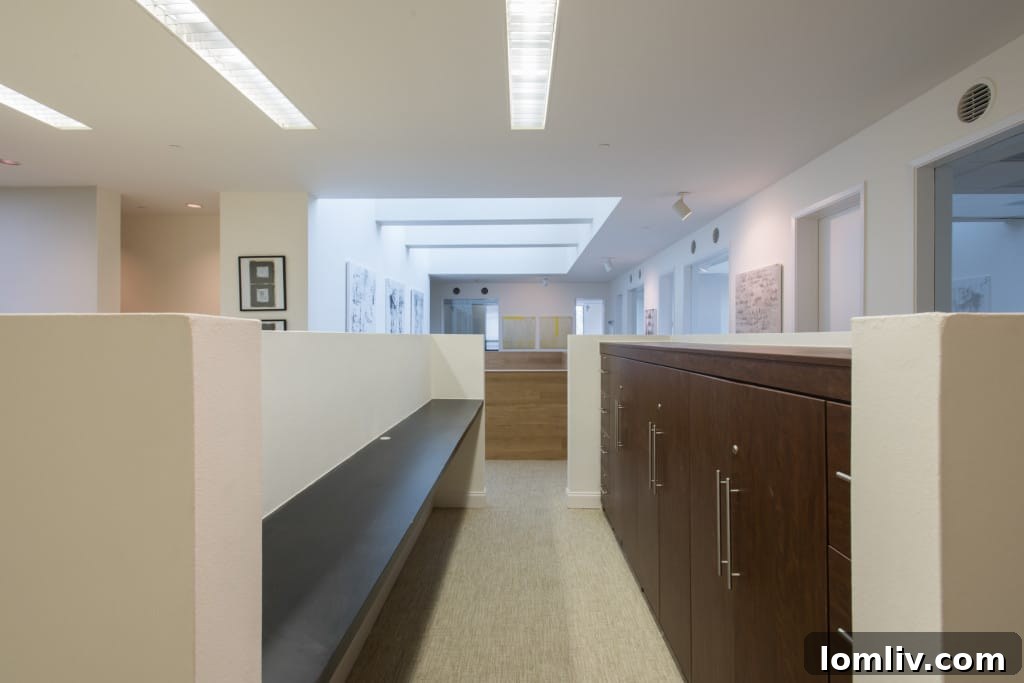
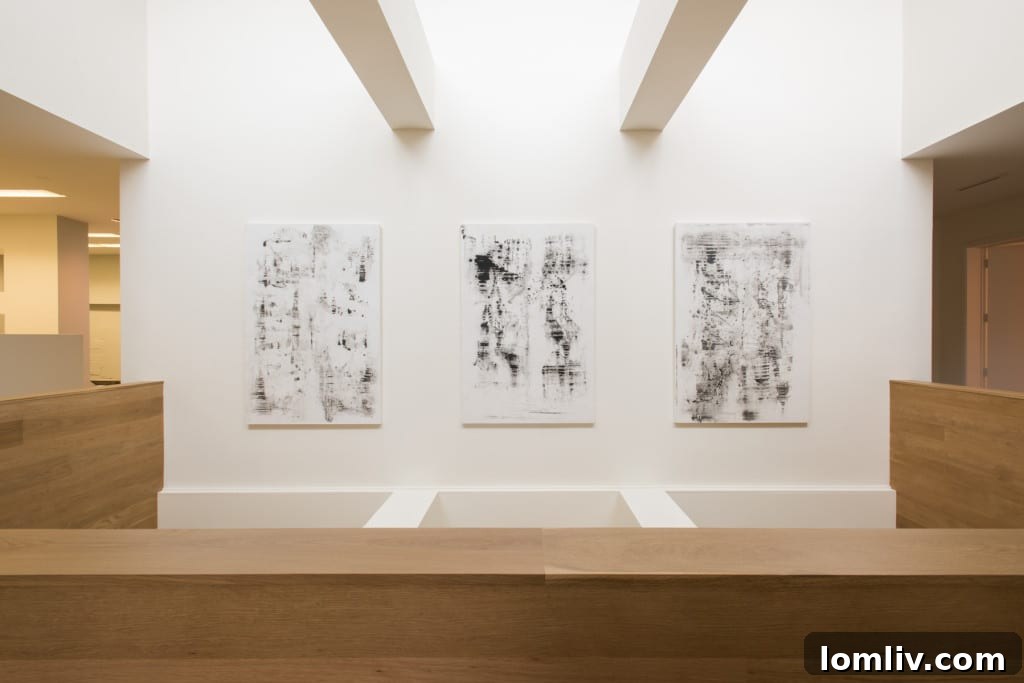
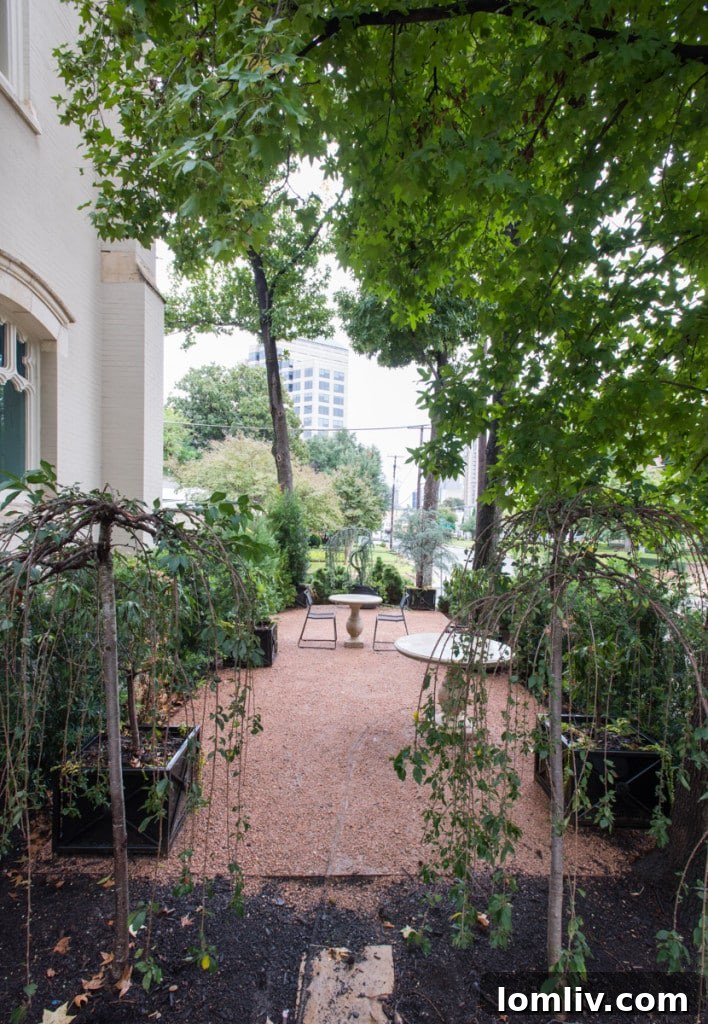
Further enhancing its appeal, the property enjoys esteemed neighbors. The extraordinary interior designer Sherry Hayslip operates her exquisite design boutique just two doors down, and she and her partner, Cole, are in the process of renovating their home directly behind the church. This creates a charming, cohesive neighborhood feel, with the courtyard between their shop and home evoking a serene French courtyard heaven.
The total interior square footage, per appraiser reports, stands at a generous 16,832 square feet. The lot size, according to an existing survey, measures 90 by 173 feet. This expansive footprint offers significant potential; one could envision dividing the property into two substantial residential pads (approximately 8,000 and 8,500 square feet each), with the abundant parking making any such development the absolute envy of Uptown residents.
The Ultimate Live/Work/Play Sanctuary: A Hidden Apartment and Rooftop Views
But the marvels of this property extend even further. Beyond the magnificent double-level sanctuary and the additional office wing with its basement sound studio, lies a truly unique living area. Upon entering the church, to the left, is what was traditionally the brides’ room, complete with a bathroom nestled in a small cellar below. While one hopes past generations of brides navigated those steps safely before their momentous walk down the aisle, it adds to the building’s rich narrative.
To the right, a most curious apartment unfolds. The first floor of this distinctive dwelling features a small room, currently serving as a desk area. A spiral staircase ascends to the second level, revealing a compact yet functional kitchen, equipped with a sleek stainless steel sink. The third level, accessible via a sturdy ladder reminiscent of those found in historic industrial buildings, serves as the combined living room and bedroom. This unconventional vertical layout is a testament to creative space utilization, though potential residents are humorously cautioned about alcohol consumption before attempting the nightly ascent!
And then, yet another attached ladder leads to the crowning glory: a rooftop deck offering truly tremendous, sprawling views of the Dallas skyline. This private outdoor space provides an unparalleled vantage point to appreciate the city’s dynamic energy.
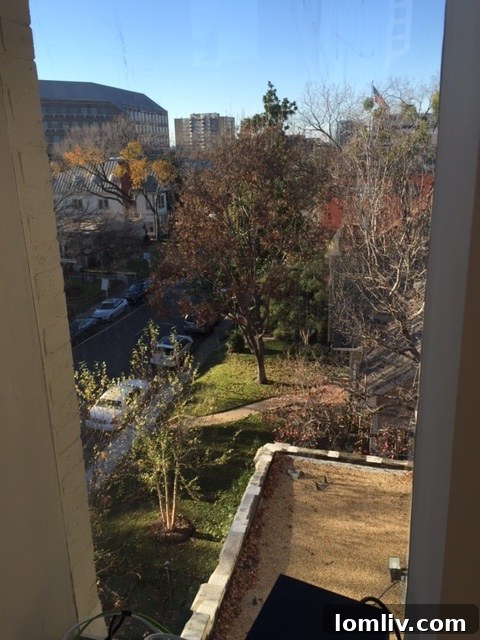
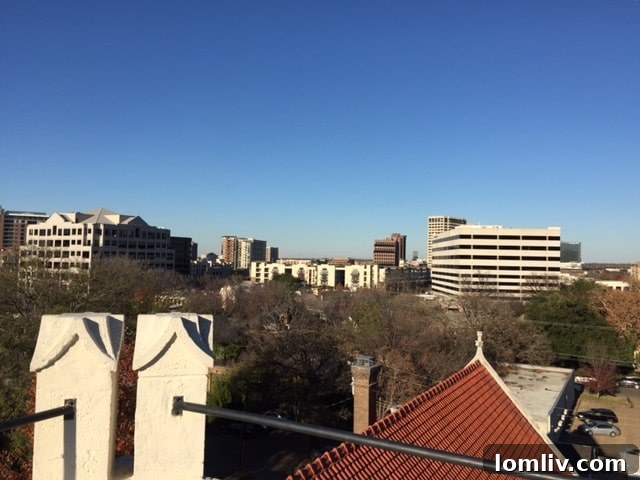
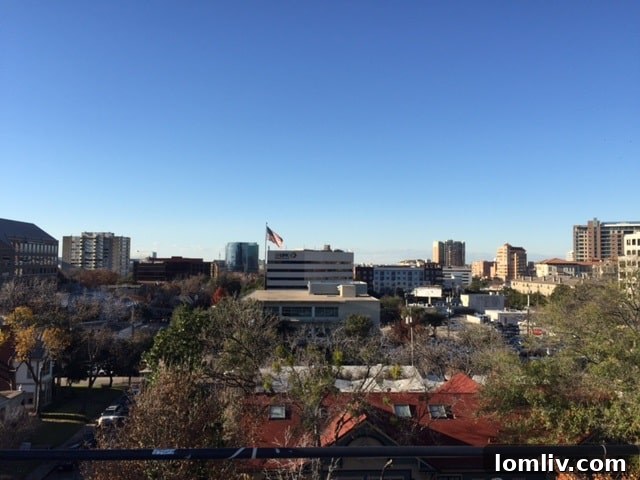
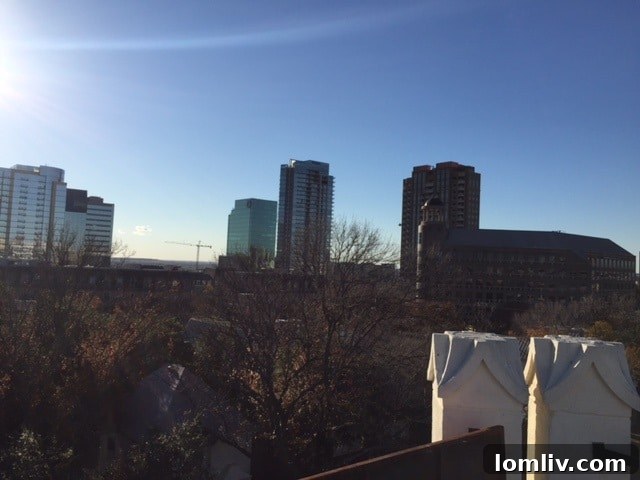
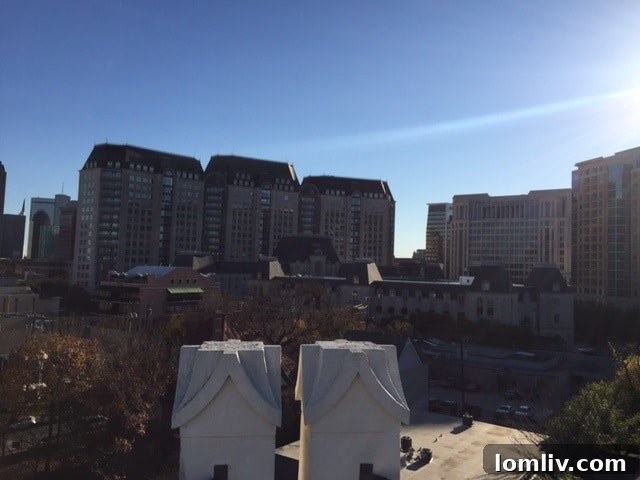
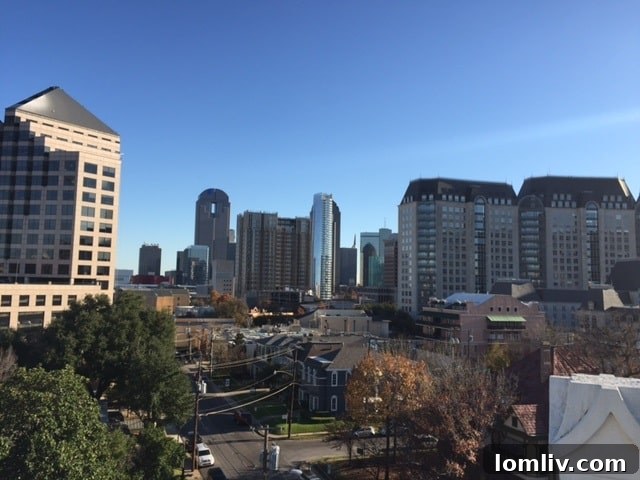
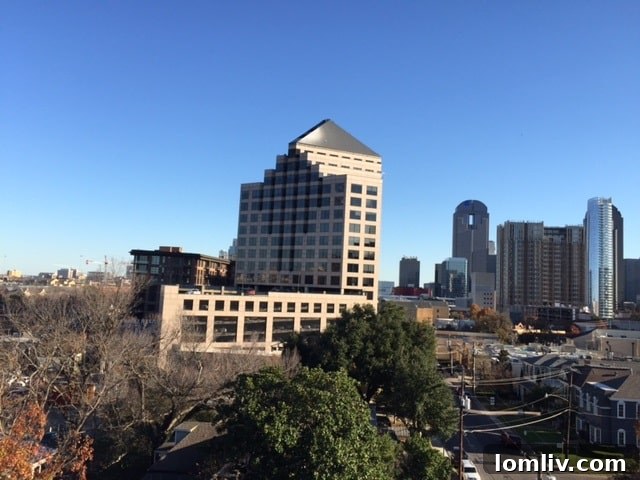
Indeed, a second word of caution regarding alcohol consumption is warranted, not just for the ladder climb, but also because the only personal bathroom for this unique living space remains in the charming, yet challenging, cellar below. Additionally, the roof itself features a rather steep pitch, adding to the adventurous spirit required for this truly one-of-a-kind Uptown residence.
This multi-tiered living quarter undoubtedly stands as one of the coziest and most unusual residential setups in Uptown Dallas. For those seeking an unforgettable, conversation-starting home, this space offers an experience unlike any other. Beyond this personal apartment, the building also includes commercial men’s and women’s restrooms conveniently located behind the sanctuary, as well as additional bathrooms within the office addition. One insightful observer even suggested converting some of the downstairs office space into additional drive-in parking, further enhancing its commercial viability.
The original stamped bricks, dating back to 1910, lend an undeniable air of authenticity. Bryan Crawford notes that the fireplace behind the altar served as a warming spot for the clergy, a poignant reminder of a time when such simple comforts were essential for worship in the early 20th century.
Imagining the Future: A Call for Visionary Development
Ultimately, 2700 Fairmount is a historic church perfectly primed for its next extraordinary chapter—whether as an unparalleled private residence, a premier commercial space, or a dynamic combination of both. It presents a compelling case for the immense potential of adaptive reuse, echoing a similar spirit of opportunity, albeit at a vastly different scale, to the George Dahl-designed church at 1010 West Kiest. While the price points and neighborhoods are worlds apart, the underlying principle remains: great things are continuously unfolding across all corners of Dallas, including the burgeoning areas of Oak Cliff.
It is with this perspective that every member of the Dallas Plan Commission should be encouraged to visit and thoughtfully consider 2700 Fairmount. By witnessing this exemplary transformation firsthand, they might truly grasp, and be inspired to imagine, the boundless possibilities that thoughtful preservation and creative adaptive reuse can unlock for other architecturally significant structures throughout Dallas, ensuring our city’s rich history continues to thrive within its modern pulse.