

Achieving a lush, vibrant lawn is a dream for many homeowners, and a well-executed fertilization program is the cornerstone of making that dream a reality. A properly nourished landscape not only enhances your property’s curb appeal but also contributes to the overall health and resilience of your turf. To demystify the science behind lawn feeding, Daltxrealestate.com recently sat down with Giuseppe Baldi, the esteemed Chemical and Irrigation Manager at Lawns of Dallas, a leading expert in comprehensive lawn care solutions. Baldi shared invaluable insights into establishing and maintaining an effective fertilization regimen, ensuring your lawn thrives throughout the seasons.
Understanding Your Lawn’s Nutritional Needs: An Expert Interview with Lawns of Dallas
When is the Optimal Time to Fertilize Your Lawn?
Daltxrealestate.com: Many homeowners wonder about the best timing for lawn fertilization. From an expert perspective, when are the most opportune times of year to fertilize?
Lawns of Dallas: The fundamental principle of effective fertilization is to apply nutrients when your grass is actively growing. For most turf varieties, this crucial period typically commences in early spring. A well-timed application at the beginning of the growing season provides the essential boost your lawn needs to green up quickly and establish robust growth for the months ahead. This initial feeding sets a strong foundation for vigorous foliage and root development.
During the peak growing season, which often spans from spring through late summer or early fall, subsequent applications can generally be made every six to eight weeks. This consistent feeding schedule ensures a steady supply of nutrients, preventing deficiencies and promoting continuous healthy growth. The final fertilization of the year should ideally occur before the onset of winter dormancy. This “winterizer” application focuses on strengthening roots and preparing the grass to withstand cold temperatures, ensuring a quicker recovery and green-up the following spring. It’s important to note that the frequency of these applications can be effectively reduced by opting for slow-release fertilizers, which gradually supply nutrients over a longer period, minimizing the need for multiple trips to the yard.
The specific timing can also depend on your grass type. Warm-season grasses (like Bermuda, St. Augustine, Zoysia) typically begin active growth later in spring when soil temperatures consistently reach 65-70°F (18-21°C) and continue through summer. Cool-season grasses (like Fescue, Kentucky Bluegrass, Ryegrass) thrive in cooler temperatures, showing peak growth in spring and fall. Understanding your turf type is crucial for tailoring a fertilization schedule that aligns with its natural growth cycles, maximizing nutrient absorption and overall lawn health.
The “Before Rain” Adage: Fact or Fiction for Fertilizer Application?
Daltxrealestate.com: There’s a common belief that the best time to fertilize is just before a rain shower. Is this old adage truly accurate?
Lawns of Dallas: Generally speaking, this adage holds a degree of truth, but with important nuances. Fertilizers, whether granular or liquid, require watering after application. This irrigation is critical because it helps dissolve the nutrients and wash them down into the soil, allowing them to reach the root zone. Once in the root zone, the plant’s roots can absorb these vital nutrients, which are then translocated throughout all parts of the plant, fueling growth and vitality.
However, the key is moderation. The watering should be just enough to wet the fertilizer granules and initiate the release of their ingredients into the soil. Heavy watering or, more significantly, heavy rainfall immediately after application can be detrimental. Excessive water can wash away the fertilizers, and often any co-applied pesticides, before they have a chance to benefit the plants. This not only wastes product and money but also poses a serious environmental risk, polluting groundwater, storm drains, and local waterways. Furthermore, significant irrigation or heavy rain events can dilute the efficacy of the applied nutrients, meaning they may not work as intended, potentially necessitating more frequent applications to achieve desired results. A light, consistent watering or a gentle, prolonged rain is ideal, allowing the soil to absorb the nutrients without runoff.
Deciphering Your Lawn’s Health: Visual Cues for Water and Fertilizer Needs
Daltxrealestate.com: Beyond scheduled applications, can homeowners visually assess their lawn to determine its needs? For instance, what does a lawn look like when it needs fertilizer, or conversely, too little or too much water?
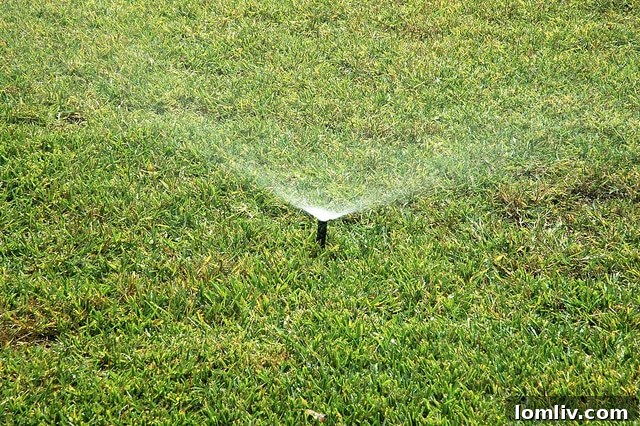
Lawns of Dallas: When it comes to watering, the ideal approach is to irrigate when plants begin to exhibit the initial signs of wilting. While many individuals may not wait for this visible indicator, it’s the plant’s way of signaling stress. For grass, this is observable as the blades curling inwards on themselves. This curling action is an attempt by the plant to conserve moisture by reducing its surface area exposed to the sun and wind. Observing this subtle change allows for timely intervention without overwatering.
Diagnosing overwatering is often less straightforward through visual cues alone but can lead to significant problems, primarily fungal diseases. An excessively moist environment provides the perfect breeding ground for various turf diseases, which can rapidly spread and damage large sections of your lawn. Persistent overwatering can also suffocate grass roots, depriving them of oxygen and making them more susceptible to pathogens.
Key Symptoms of an Overwatered Lawn:
- Frequent Mowing: While it might seem counterintuitive, overwatering can promote excessive top growth, leading to the need for more frequent mowing than usual. This rapid, often weaker, growth depletes the plant’s energy reserves.
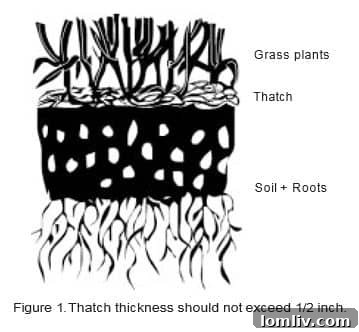
- Spongy Thatch Layer: A thick layer of thatch, which is a layer of living and dead organic matter between the soil surface and the green vegetation, can develop. When this layer becomes excessively thick and moist due to overwatering, the lawn will feel distinctly spongy when walked upon. This thick thatch also creates an ideal habitat for pests and diseases.
- Dead Spots: These can indicate where a fungal disease, exacerbated by the consistently wet conditions, may be establishing itself. Common fungal issues like brown patch or dollar spot thrive in saturated soils and can quickly create unsightly dead or discolored areas.
Regarding fertilizer needs, I generally do not recommend relying solely on visual cues as a definitive indicator. While yellowing grass can indeed be a sign of nutrient deficiency, particularly nitrogen, it can also be a symptom of various diseases. Some of these diseases, paradoxically, can be worsened by the application of high-nitrogen fertilizers, creating a cycle of misdiagnosis and further damage. Similarly, dead spots in the lawn could stem from nutrient shortages, but they might also point to pest infestations, soil compaction, or the aforementioned fungal diseases. It’s a complex interplay of factors.
Furthermore, a spongy lawn, again characterized by a thick thatch layer, can also be a symptom of over-fertilizing. Too much fertilizer, especially nitrogen, can lead to rapid top growth without adequate decomposition of organic matter, contributing to thatch buildup. This highlights why visual symptoms alone are often insufficient for accurate diagnosis and effective treatment.
Choosing the Right Fertilizer: The Role of Soil Analysis and N-P-K Ratios
Daltxrealestate.com: With countless fertilizer products on the market, what are your recommendations for the best fertilizers, or what does Lawns of Dallas typically use?
Lawns of Dallas: The absolute best way to determine the correct fertilizer for your specific lawn and soil conditions is to conduct a professional soil analysis. This step is non-negotiable for a truly optimized fertilization program. We consistently recommend utilizing the expertise of the Soil, Water, and Forage Testing Lab at Texas A&M University. Their comprehensive analysis provides invaluable data.
A soil test will accurately analyze several critical parameters, including your soil’s pH level – which dictates nutrient availability – as well as the levels of essential macro and micronutrients. Macronutrients like Nitrogen (N), Phosphorus (P), and Potassium (K) are needed in larger quantities, while micronutrients such as iron, zinc, and manganese are required in smaller, but equally vital, amounts. Based on these precise results, the lab will provide tailored recommendations regarding the specific treatments or amendments necessary to correct any imbalances or deficiencies. This scientific approach eliminates guesswork and ensures you’re applying exactly what your lawn needs, preventing both under- and over-fertilization.
It’s also crucial to understand that different nutrients, and consequently different types of fertilizers, are required at various times of the year, depending on your desired outcome. For example, promoting robust root growth, particularly over winter, might require a higher phosphorus content. Encouraging vibrant green-up in spring largely depends on nitrogen. Potassium, on the other hand, is vital for overall plant health, stress tolerance, and disease resistance throughout the year. For a good catch-all, well-balanced fertilizer suitable for nearly any time of year when general maintenance is needed, I would recommend a product with an N-P-K ratio in the neighborhood of 28-3-12. This ratio indicates 28% Nitrogen, 3% Phosphorus, and 12% Potassium by weight, offering a strong nitrogen component for lush green growth, adequate phosphorus for root development, and a substantial amount of potassium for overall vigor and resilience. However, this is a general guideline; your soil test results might suggest a completely different ratio, underscoring its importance.
Beyond the N-P-K ratio, consider the fertilizer type. Slow-release granular fertilizers offer sustained nutrient delivery, reducing leaching and promoting consistent growth. Liquid fertilizers provide quick uptake but may require more frequent application. Organic fertilizers improve soil structure and microbial activity over time. Each has its advantages, and the choice can be influenced by soil type, grass species, and environmental considerations.
The Path to a Healthier Lawn: A Concluding Thought
Nurturing a healthy, beautiful lawn is an ongoing commitment that yields significant rewards. As Giuseppe Baldi of Lawns of Dallas has expertly articulated, a successful fertilization program is not merely about spreading chemicals but understanding the intricate needs of your turf and soil. By embracing soil testing, adhering to appropriate timing, understanding the nuances of watering, and recognizing the limitations of visual cues, homeowners can move beyond guesswork towards a more scientific and sustainable approach to lawn care. For tailored advice and professional service that ensures your landscape consistently looks its best, consulting with seasoned experts like those at Lawns of Dallas remains an invaluable resource. Invest in your lawn’s health today, and enjoy a vibrant, thriving outdoor space for years to come.