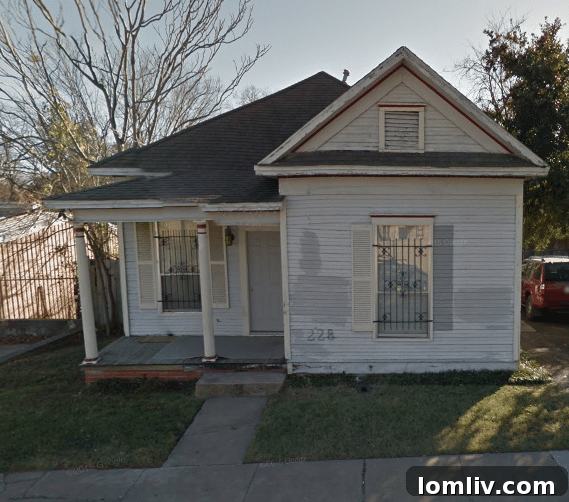
The dynamic landscape of the Bishop Arts District in Dallas is experiencing a profound transformation, characterized by rapid development and a delicate balance between progress and preservation. Historic Craftsman homes, symbols of a bygone era, are increasingly giving way to modern apartment complexes, upscale half-million-dollar condos, and towering five-story mixed-use developments. This ambitious urban renewal, while bringing new vibrancy, often poses a significant threat to the architectural heritage of the area. However, a recent event has shifted the narrative, showcasing how development can coexist with a commitment to history, thanks to the pivotal intervention of a seasoned house moving company.
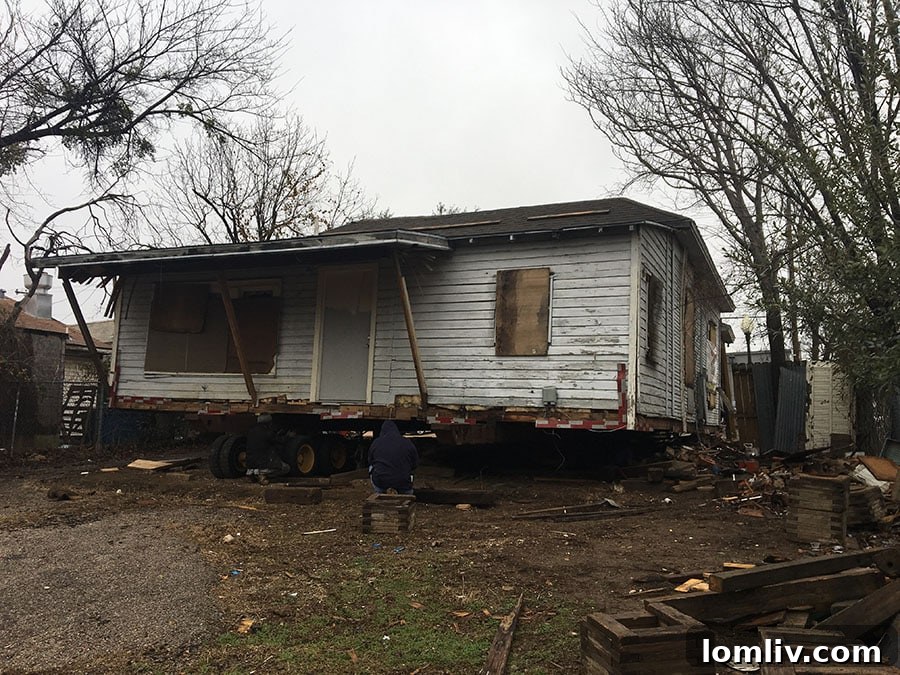
In a surprising turn of events, a prominent developer, Alamo Manhattan, initially drew criticism from the community for their seemingly rudimentary initial designs. Yet, they earned considerable goodwill by offering a unique opportunity: a beautiful 900-square-foot home built in 1925, located at 231 W. 7th St., was offered for free to anyone willing to undertake its relocation. This generous offer presented a monumental challenge, as moving a structure of this age and size through a bustling urban environment requires specialized expertise, meticulous planning, and unwavering determination. While several groups expressed interest and delved into the complex logistics, only one team possessed the unparalleled skill and experience to bring this ambitious project to fruition.
Enter Tony Rogers Jr. and his exceptionally talented team from Rogers Jr. House Moving. With an impressive legacy spanning 70 years in the demanding field of structural relocation, this company stands as a testament to professional excellence. Their unparalleled expertise was instrumental in orchestrating the intricate move of the 1925 Craftsman home, a feat that unfolded in the quiet solitude of the early morning hours. Tony lightheartedly recounted the experience, noting, “Just us and the drunks on the road!” – a humorous nod to the often-unseen work that goes into preserving Dallas’s architectural treasures.
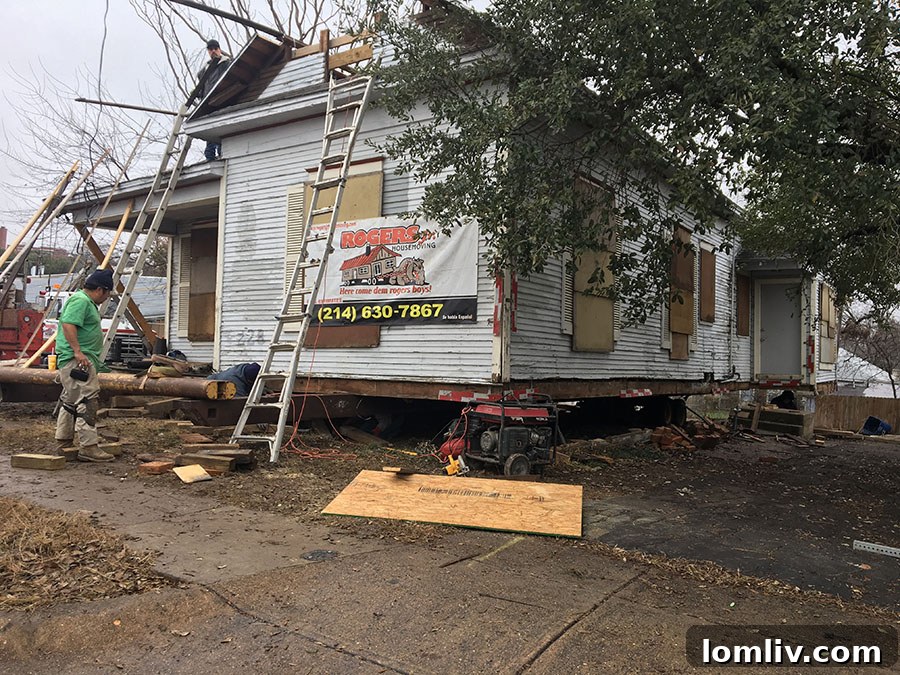
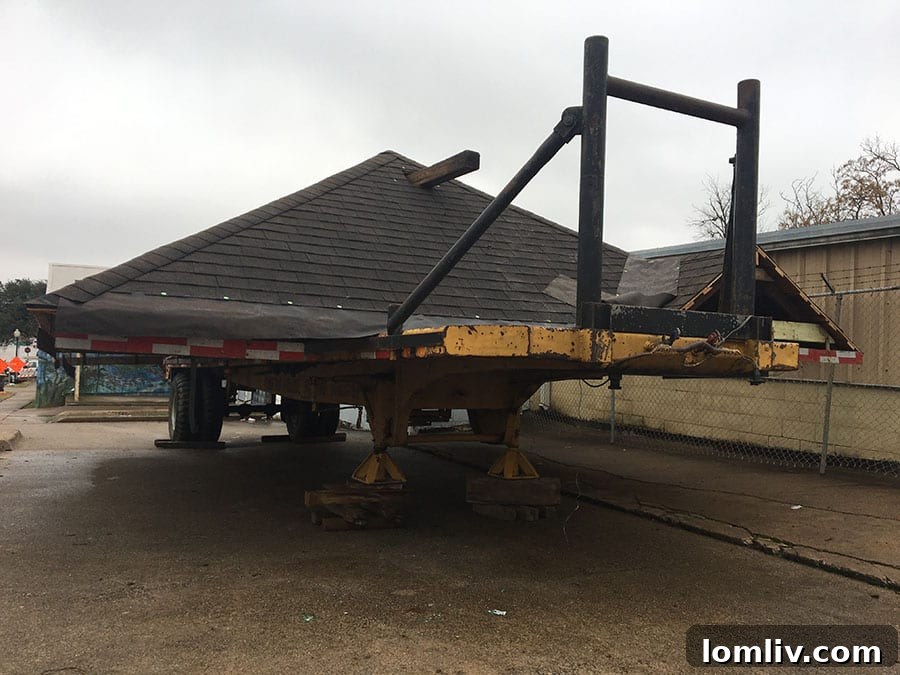
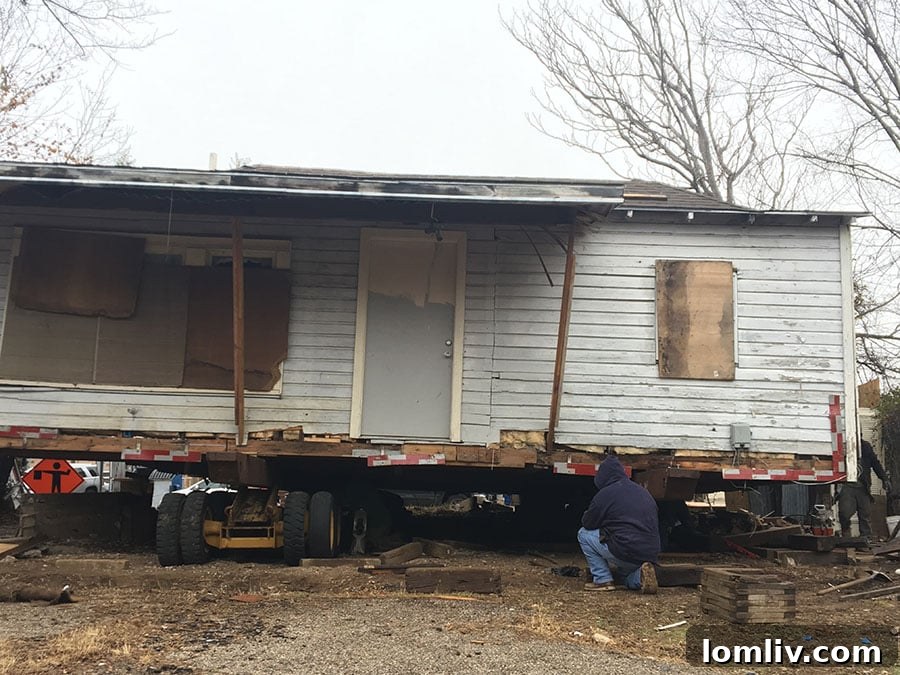
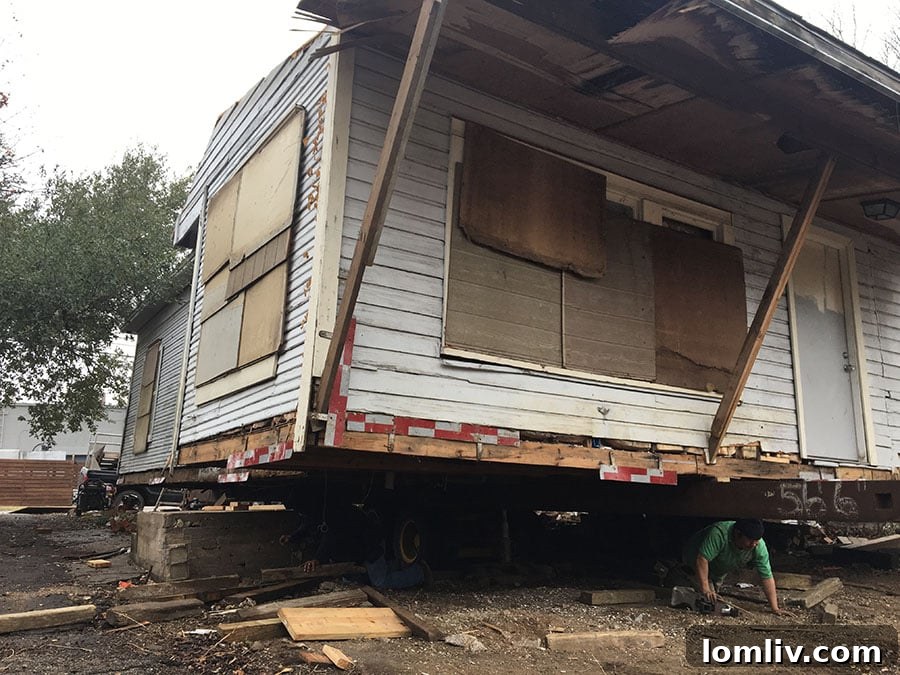
The preparation for such a complex endeavor spanned weeks, culminating in an intense, full-day effort the Wednesday before the move. Every detail was scrutinized, every potential obstacle anticipated. The team worked tirelessly under the looming threat of rain, a major concern given the delicate nature of insulation. “If the insulation gets wet, it’s trash. We’d have to rip it all out,” Tony explained, highlighting the critical importance of weather conditions. Extensive modifications were necessary to prepare the house for its journey: the top section of the roof was carefully removed to allow passage beneath low-hanging power lines and a freeway underpass. The house skirting was detached, utility lines were expertly severed, and the back porch was systematically demolished, all to ensure the safe and unobstructed transit of the historic structure.
The timeline for this project was exceptionally tight, adding another layer of pressure to the already complex operation. The deal was struck with Alamo Manhattan just before Christmas, with a strict condition: the house had to be moved by January 15th, or it would face demolition. This ambitious deadline meant that the Rogers team had to operate with incredible speed and efficiency. The home’s original location, nestled beside the popular Ten Bells Tavern and across from the Oak Cliff Social Club, was critical for the developer. Alamo Manhattan required the lot to serve as a staging area for their work trailer, essential for the construction of their massive project directly across the street. While they had initially considered repurposing the old house for their operational needs, it ultimately proved unsuitable, necessitating its immediate removal.
Securing the necessary permits for a house move through City Hall is typically a protracted process, often taking several weeks. However, under the urgency of the situation, applications were submitted just before the New Year, with an optimistic target move date of January 12th. Unfavorable weather, specifically excessive mud, posed a significant risk, as it can render the ground impassable for heavy machinery. The deadline was grudgingly extended to January 18th, representing the absolute last possible moment. The message was clear: it was now or never for the 1925 Craftsman home.
The legacy of Rogers Jr. House Moving is deeply rooted in family tradition and a profound connection to the Dallas community. The original Tony Rogers moved his family from Oklahoma to Dallas in the 1940s, where he quickly found his calling in house moving and soon after established his own business. His son, Tony Rogers Jr., grew up immersed in this unique trade in West Dallas, an area near what is now Trinity Groves. He eventually took the helm of the family enterprise, ensuring its continued success and reputation for excellence. Today, the fourth generation, Tony Rogers IV, is already showing signs of following in the footsteps of his father, grandfather, and great-grandfather, carrying forward a remarkable family tradition. The late Tony Rogers Senior, who passed away in March, would undoubtedly be immensely proud to see his family’s dedication to preserving history continue through such challenging yet rewarding projects.
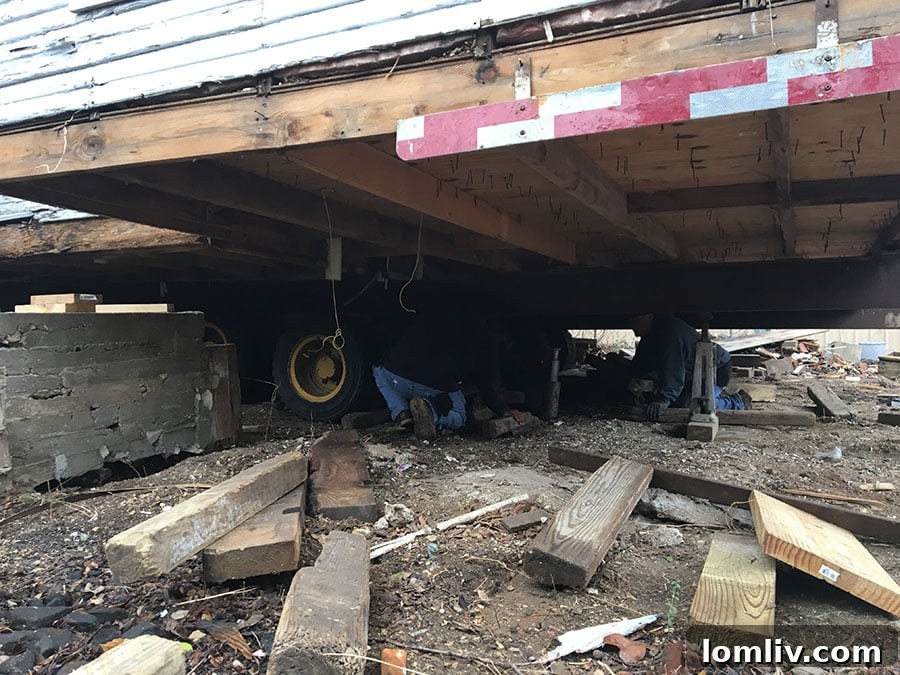
Tony Rogers Jr. articulates a powerful philosophy behind his work: “You can’t build this kind of quality these days. That weathered wood is irreplaceable.” This sentiment underscores the profound value Rogers Jr. House Moving places on older structures. They understand that these homes are not merely buildings; they are repositories of history, built with materials and craftsmanship that are virtually impossible to replicate today. The old-growth wood used in construction decades ago was denser and stronger than the rapidly grown and harvested lumber common in modern building. The dimensional lumber, once truly two inches by four inches, is now often smaller, reflecting a decline in material quality. By relocating these homes, the Rogers team isn’t just moving property; they are preserving a tangible link to a superior era of construction and safeguarding invaluable architectural heritage.
While the dramatic relocation of a Bishop Arts Craftsman home captures headlines, the bread and butter of Rogers Jr. House Moving typically involves transporting smaller structures, such as portable buildings, and older homes within approximately a 50-mile radius of Dallas. Their extensive portfolio includes numerous noteworthy projects, among them the highly publicized move of the historic Pace House in Garland. This particular project saw the Pace House journeying a mere half-mile from city-owned land near downtown Garland to its new, permanent location within the city’s first historically designated neighborhood, the Travis College Hill Historic District. Each project, regardless of its scale, is approached with the same level of precision, care, and respect for the integrity of the structure.
Understanding the financial aspects of house moving can often be counterintuitive. Surprisingly, the actual distance a house travels – whether a half-mile or ten miles – does not significantly alter the overall cost of the move. The most substantial portion of the expense, typically ranging from $20,000 to $30,000, is attributed to the extensive preparation work and the labyrinthine process of securing permits. This base cost varies primarily based on the size of the house and the inherent complexity of its structure. Additional factors, such as the necessity for road closures, the temporary lifting of power lines to ensure clearance, or the requirement for multi-jurisdictional police escorts, do add to the total expenditure. However, when viewed against the foundational costs of preparation and permitting, these supplementary charges are comparatively modest. This cost structure highlights that the primary investment in house moving is in the meticulous planning and expert execution required to safely prepare a structure for transit.
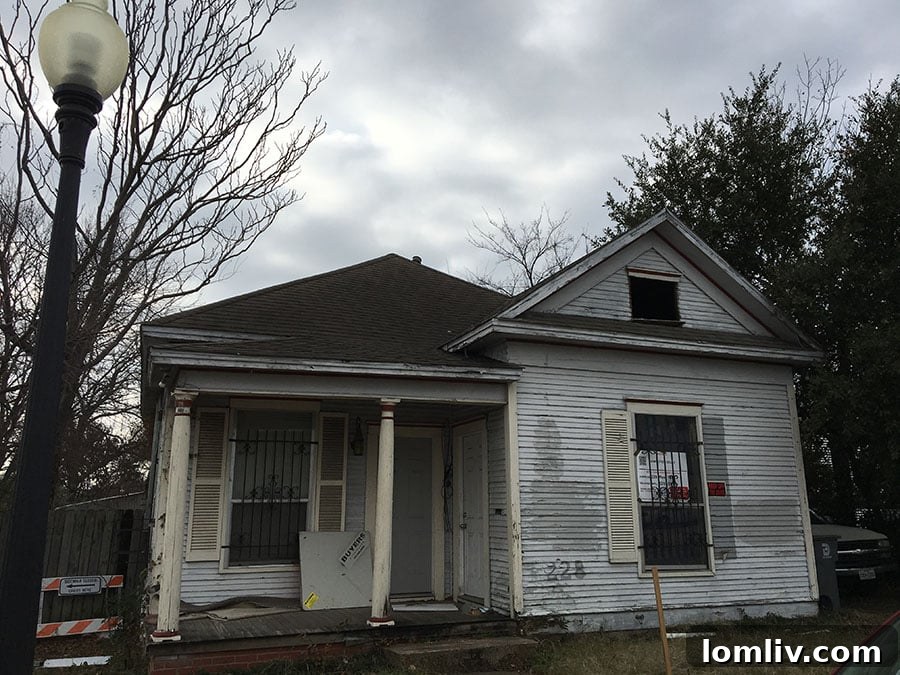
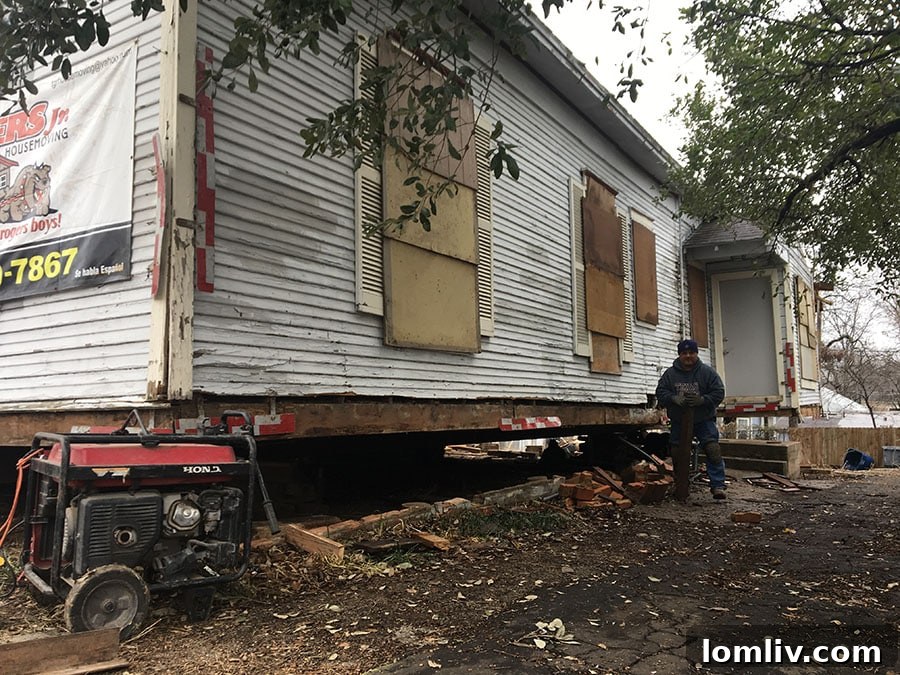
When the news broke about the Bishop Arts District house being available, Tony Rogers Jr. was inundated with calls from friends and colleagues, all eager to help find a new home for the historic structure. While Rogers Jr. House Moving maintains a comprehensive waiting list of clients actively seeking specific types and sizes of old homes, this particular Craftsman, surprisingly, didn’t perfectly align with any existing requests. One potential client had considered moving the house an impressive 120 miles, but ultimately could not commit to the inherent risks and rigorous terms associated with such a long-distance relocation. Fortunately, the Rogers team possessed a crucial asset: they owned a suitable lot in West Dallas. This, coupled with their extensive rolodex of trusted foundation experts and skilled home builders, enabled them to swiftly assemble the entire project in less than three weeks, ensuring the home’s survival.
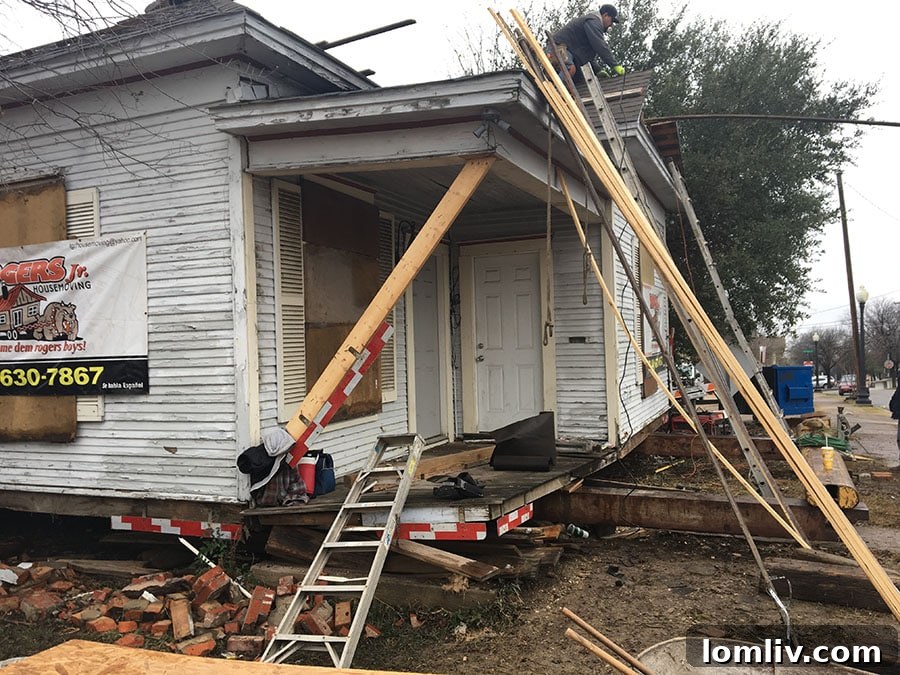
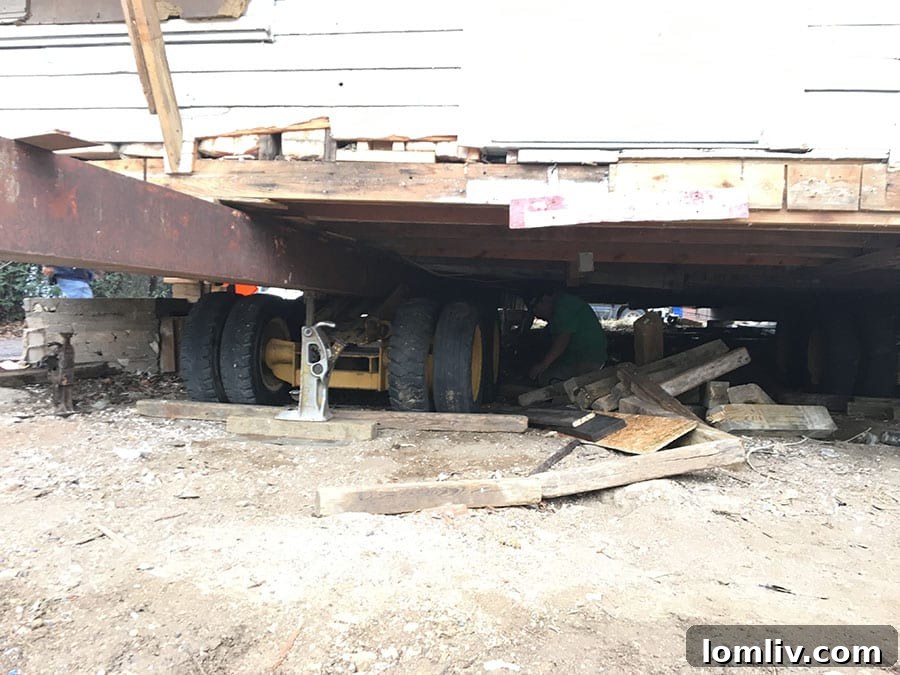
The actual journey of the house was a marvel of precision engineering and meticulous timing. The entire structure was delicately balanced on two robust steel beams, which in turn were supported by four sets of heavy-duty wheels. A powerful truck connected to the ends of these beams, carefully pulling the house down the roads. The procession commenced around 2 a.m., traversing Davis Street and Sylvan Avenue on its way to its new destination in West Dallas. Tony, ever the pragmatist, explained the timing: “The businesses around here said they needed the street for parking. So we’ll just wait till they close,” highlighting the consideration given to local businesses and traffic flow during such large-scale operations.
Upon arrival at its new West Dallas site, the house will embark on the next phase of its life. While the roof is currently in decent condition, it will require replacement in the near future. The Rogers team anticipates the possibility of adding a second story to the back of the house during this renovation, an adaptation to suit modern needs while preserving its original charm. The interior of the home remains remarkably well-preserved, boasting high ceilings and a wealth of original architectural details that speak to its 1925 heritage. The final placement of the house on its new lot will occur in the daylight, allowing for precise positioning according to the submitted architectural drawings. Once accurately aligned, the house will be carefully raised further, and a new, solid foundation will be expertly poured underneath – a complex but now well-honed process that the Rogers team has elevated to an art form.
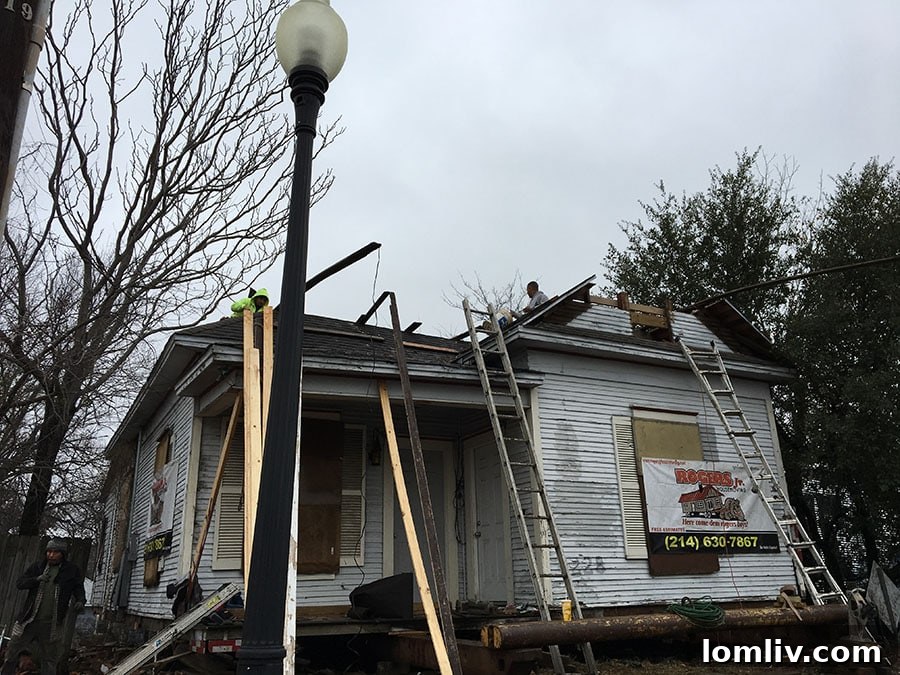
The successful relocation of this Bishop Arts District Craftsman home is more than just a logistical triumph; it is a profound victory for historic preservation in a rapidly developing urban environment. We are truly thrilled that this beautiful piece of Dallas history has been saved from demolition, allowing it to continue its legacy and provide shelter for another family for generations to come. This story stands as a powerful testament to the value of community, the dedication of skilled professionals, and the enduring importance of preserving our architectural heritage amidst the relentless march of progress.