Empowering Dallas Neighborhoods: Key Insights from the Annual Homeowners Boot Camp
Last week, I had the privilege of attending the 17th annual Neighborhood Boot Camp, a highly anticipated event organized by the esteemed Dallas Homeowners League. While this was my inaugural experience, I can unequivocally state that this camp is an indispensable resource for anyone who has ever grappled with navigating the complexities of City Hall, or for dedicated members of neighborhood associations and crime watch groups committed to fostering safer, stronger communities. It serves as a vital nexus where residents gain the knowledge and tools necessary to drive meaningful change within their local areas.
A Day of Dialogue and Discovery: The Boot Camp Experience
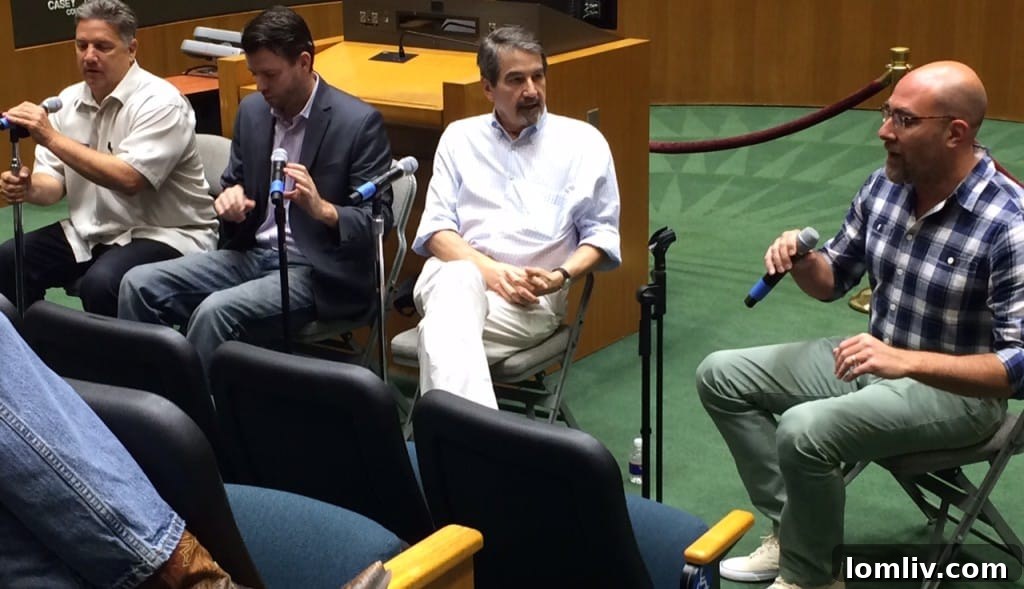
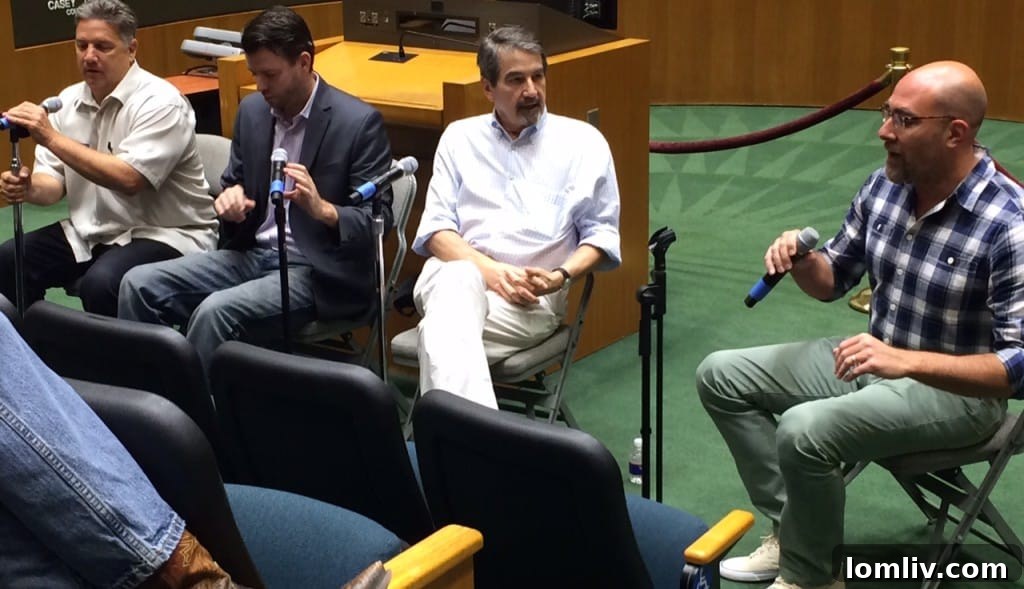
The morning session of the boot camp was meticulously structured and replete with actionable information, designed to equip attendees with a comprehensive understanding of critical urban issues. The day commenced with an engaging panel discussion, skillfully moderated by Robert Wilonsky of the Dallas Morning News. The panel featured prominent voices in urban development and community advocacy, including Monte Anderson, Patrick Kennedy, and Wick Allison, whose diverse perspectives sparked insightful conversations about the future of Dallas.
Following the dynamic panel, attendees had the opportunity to delve deeper into specific topics through a series of specialized workshops. These sessions covered a broad spectrum of crucial themes, such as effectively navigating City Hall bureaucracy, defining and cultivating robust neighborhood identities, adapting to the inevitable changes within urban landscapes, strategies for supporting and promoting the Dallas Independent School District (DISD), the vital importance of historic preservation, and practical tips for water conservation.
Navigating City Hall and Beyond: Key Workshop Focuses
I personally chose to attend two particularly relevant workshops. The first, focused on the often-challenging task of navigating City Hall, was expertly conducted by Philip Kingston. This session provided invaluable guidance on understanding municipal processes and advocating effectively for community needs. The second workshop, led by Melissa Kingston, concentrated on strategies for promoting and supporting the Dallas Independent School District, underscoring the critical link between strong schools and thriving neighborhoods. These workshops, alongside the broader discussions, highlighted the multifaceted nature of urban development and the diverse skill sets required for impactful citizen engagement.
Confronting Dallas’s Urban Landscape: The Core Panel Discussion
The morning’s proceedings began with the aforementioned panel discussion, which set a powerful tone by directly addressing the significant challenges currently facing Dallas and exploring innovative strategies for building a vibrant, resilient downtown. Robert Wilonsky candidly acknowledged the prevalent issues affecting many residents, noting, “Many of us live in neighborhoods with terrible streets.” He further highlighted a common urban dilemma: the pervasive lack of accessible amenities within walking distance, forcing greater reliance on vehicular transport and often isolating communities.
One of the central questions the panel grappled with was how to effectively reconnect downtown Dallas with its diverse surrounding neighborhoods, and, crucially, how to navigate the city’s administrative structures while undertaking such ambitious initiatives. This foundational discussion underscored the need for integrated planning and collaborative efforts to bridge the physical and perceived gaps between the city’s core and its residential areas.
Reconnecting the Urban Core: Bridging Downtown and Neighborhoods
Monte Anderson offered a refreshing perspective on urban revitalization, emphasizing that effective solutions don’t always require monumental undertakings. He observed that communities often default to independent action due to perceived bureaucratic hurdles. Anderson proposed that fixes could be surprisingly straightforward, citing the example of converting underutilized fourth lanes on now less-traveled streets into dedicated bike lanes. Such a simple intervention, utilizing just paint and signage, could dramatically improve connectivity, making it easier for residents to access public transit and, subsequently, the vibrant downtown core. “It’s just paint on the street,” Anderson noted, “but it’s a very simple start,” underscoring the potential of incremental, thoughtful changes to foster greater urban mobility and integration.
Patrick Kennedy underscored the economic imperative of a robust urban core, explaining that the substantial tax base generated by a thriving city center provides critical revenue streams for municipal services. He highlighted Uptown Dallas as a prime example, noting its impressive contribution of 30 times the per capita tax dollars compared to the citywide average. This financial influx, Kennedy argued, is essential for funding vital infrastructure upgrades, supporting public services, and investing in the overall well-being of the city. A strong urban core, therefore, isn’t just an aesthetic ideal; it’s a fundamental economic engine that powers the entire metropolitan area, enabling the city to address pressing needs and invest in its future.
Further elaborating on the theme of urban efficiency, Kennedy pointed to the crucial role of an optimized public transit system in revitalizing downtown areas. Studies consistently demonstrate that riders are far more inclined to walk slightly longer distances to a bus or train stop if the transit system itself is reliable and efficient. He cited Houston as a leading example, where a recent comprehensive review led to the re-drawing of bus routes for maximum efficiency, resulting in improved service and increased ridership. Kennedy also articulated a visionary goal: to cultivate more “complete neighborhoods” across Dallas. These are defined as communities where all essential amenities, from grocery stores to parks and local businesses, are conveniently located within a 20-minute walk. This concept promotes walkability, reduces reliance on cars, and fosters a stronger sense of local community, contributing to both environmental sustainability and enhanced quality of life for residents.
Redefining Economic Growth: Local Enterprise vs. Corporate Giants
Wick Allison offered a sobering yet pragmatic assessment of Dallas’s financial situation, urging a collective frankness about the city’s challenges. He pointed out a concerning trend: homeowners are increasingly shouldering a disproportionate share of the tax burden, a role traditionally balanced by robust commercial enterprise. Allison argued convincingly that the most effective way to restore this financial equilibrium is through strategic investment and revitalization of the downtown area. He was blunt in his assessment of traditional economic development approaches, stating, “We’re not going to get a Toyota.” Instead of pursuing single, massive corporations, Allison advocated for a more resilient and sustainable strategy: fostering numerous smaller businesses. “But 100 businesses with 15 employees each – we can do that – and it’s stronger,” he asserted, emphasizing the greater stability and community integration offered by a diversified local economy.
Allison further challenged conventional wisdom by observing that areas like Uptown, despite their lack of towering skyscrapers, often generate more value for the city than the sprawling downtown core itself. He argued that the very amenities and vibrant commercial activity that contribute to Uptown’s success could and should be strategically introduced into struggling areas, particularly in South and Southeast Dallas. His message was a powerful call to action: “Instead of arguing about how to divide the pie, increase the damned pie.” He urged a fundamental shift in economic policy to reverse the current trend where commercial enterprise is not contributing as much as individual homeowners, advocating for policies that empower and incentivize widespread local economic development across all neighborhoods.
Overcoming Bureaucratic Hurdles: Engaging with City Hall
Robert Wilonsky then posed a critical question to the panel, probing whether they frequently found it necessary to bypass or even ignore City Hall to achieve tangible progress. Monte Anderson responded emphatically, characterizing City Hall as a significant “barrier for South Dallas.” He elaborated on this perspective, asserting that current municipal policies often inadvertently incentivize developers to construct apartment complexes that, over time, can deteriorate and fail to integrate sustainably into existing communities. Simultaneously, he argued, these policies create prohibitive obstacles for lower-level entrepreneurs and small business owners attempting to establish and grow their ventures. Anderson passionately advocated for a paradigm shift, urging the city to “put real estate in the hands of local owners, not developers.” He argued that local stakeholders are more invested in the long-term health of their communities and should be the primary beneficiaries of tax incentives and Tax Increment Financing (TIF) funds. He cited the success of places like Bishop Arts as compelling evidence that local ownership fosters more authentic and thriving community spaces, concluding with a personal declaration: “I don’t believe in developers getting money from the city anymore. And I’m not going to take money from the city anymore,” signaling a strong commitment to community-driven development.
Patrick Kennedy, while acknowledging the frustrations, offered a more nuanced perspective, emphasizing the crucial role of collaboration between neighborhoods and the city. He argued that if communities aspire to see significant improvements and projects materialize, they must actively engage with and work alongside municipal authorities. Kennedy advocated for the city to engage in more targeted economic incentive spending, not just broad, untargeted programs. He posed a thought-provoking question: “How do we make 30 Bishop Arts?” This inquiry underscores the challenge of scaling successful neighborhood models. Currently, the success of a few “complete neighborhoods” like Lower Greenville and Bishop Arts means they attract crowds from outlying areas, leading to growing pains such as congestion and strain on resources. Kennedy’s vision of 30 such complete neighborhoods suggests a strategic approach to economic development that would not only spread prosperity but also alleviate pressure on existing popular areas, creating a more equitable and functional urban fabric for Dallas as a whole.
Crafting Vibrant Communities: Innovative Approaches to Neighborhood Development
Monte Anderson further expanded on innovative approaches to neighborhood building, suggesting that revitalization often begins by “looking at the space between the buildings.” He presented a compelling example: imagine a developer acquiring a vacant lot nestled between two established anchor businesses. Instead of constructing a traditional building immediately, this space could be transformed into an incubator for small businesses by renting out trailers or modular units to local entrepreneurs. This seemingly simple, low-cost intervention could, over time, foster a dynamic ecosystem where a block or an entire neighborhood evolves into a thriving hub for emerging businesses, eventually housing mature enterprises that provide stable jobs and vital services to the community. Anderson even suggested that it could start with something as humble as a snow cone stand, but lamented, “the city won’t work with you,” highlighting the need for more flexible and supportive municipal policies to enable such grassroots initiatives.
Patrick Kennedy introduced a crucial caveat to neighborhood development: the imperative to avoid creating a “monoculture.” He illustrated this point with the evolution of Lower Greenville, which was initially envisioned as a diverse neighborhood center. However, for a period, it became dominated by an overwhelming concentration of bars and nightclubs, effectively transforming into a monoculture. This imbalance detracted from its original purpose and posed challenges for residents. Kennedy highlighted that through concerted efforts by local neighborhoods and their city council representatives, the area’s culture has successfully shifted, and Lower Greenville is once again recognized as a vibrant, walkable destination with a more diverse array of businesses and amenities. This example underscores the importance of intentional planning and community oversight to ensure a balanced and sustainable urban environment that serves the needs of all residents.
Reimagining Underutilized Spaces: The Future of Strip Malls
Wilonsky then shifted the discussion to a pervasive urban challenge: the fate of dying strip mall centers, asking the panel, “Are they dragging neighborhoods down?” Monte Anderson responded with a powerful, real-world example from South Dallas. He recounted a situation involving a large, empty big box store that was initially slated to become a used furniture store, a venture that would have employed a modest three or four individuals. However, through a different vision and community effort, that same space was ultimately transformed into a tortilla factory and restaurant, which now proudly employs 200 people – many of whom are residents from the surrounding neighborhoods. This transformation illustrates the immense potential for underutilized spaces to become significant economic engines and job creators.
Anderson emphasized that “the use of old strip centers is going to have to change.” While acknowledging their current challenges, he strongly cautioned against wholesale demolition. Instead, he advocated for a progressive approach: repurposing these vast, often centrally located structures into incubator spaces for neighborhood entrepreneurs. This strategy, he argued, would not only lead to the creation of more local jobs but also significantly enhance the prospects for developing truly complete neighborhoods. By reimagining these existing assets, Dallas can foster economic growth, support local talent, and build more resilient, self-sufficient communities, transforming perceived liabilities into invaluable opportunities for revitalization and prosperity.
A Call to Action for Dallas Residents
The Dallas Homeowners League’s Neighborhood Boot Camp served as a compelling reminder that the future of Dallas is not a predetermined path but rather a canvas continually shaped by the collective efforts of its citizens. The discussions underscored the profound impact that informed and engaged residents can have on urban development, from influencing policy at City Hall to fostering local economic growth and revitalizing community spaces. The recurring themes of collaboration, innovative thinking, and a steadfast commitment to equity emerged as critical pillars for building a more vibrant and inclusive Dallas.
For too long, urban challenges have been perceived as solely the responsibility of municipal government. However, the boot camp powerfully demonstrated that real, sustainable change blossoms from the grassroots. It is through the active participation of homeowners, neighborhood association leaders, and everyday citizens that Dallas can overcome its infrastructure woes, nurture thriving local economies, and transform its underutilized spaces into dynamic community assets. This event was not merely an information exchange; it was a potent call to action, empowering every resident to become an architect of their neighborhood’s destiny and, by extension, the future prosperity and livability of Dallas.