The Future of Dallas’s Trinity River: Parkway Dream or Tollway Reality?
Dallas stands at a critical juncture, wrestling with a monumental decision that will profoundly shape its urban landscape and identity for generations to come: the future of the Trinity River Corridor. For years, the city has grappled with competing visions for this vital artery, oscillating between the dream of a verdant, accessible parkway and the stark reality of a vast, elevated toll road. The debate is not merely about infrastructure; it’s about Dallas’s soul, its commitment to green spaces, and its approach to sustainable urban development versus immediate traffic relief.
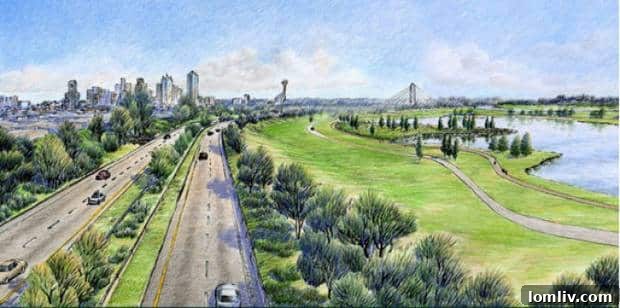
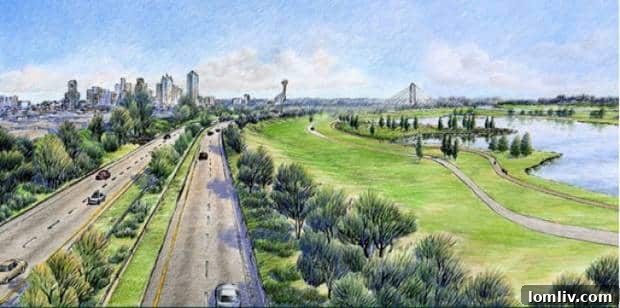
At the heart of this discussion lies the question of whether Dallas will finally embrace the winding, picturesque, four-lane parkway originally championed in the seminal Balanced Vision Plan for the Trinity River. This vision promised an urban oasis, a serene connection between communities and nature, enhancing the quality of life for all Dallasites. However, this idyllic prospect faces fierce opposition from a more pragmatic, yet controversial, proposal: a mammoth elevated highway, often dubbed the Trinity Tollway, designed to serve as a high-capacity reliever for the region’s burgeoning traffic congestion.
The intensity of this civic discourse has reached a crescendo, particularly as Dallas Mayor Mike Rawlings and the Dallas City Council navigate a groundswell of opposition against the proposed tollway alignment. This contentious plan, largely driven by the North Texas Tollway Authority (NTTA), threatens to transform the envisioned park into a secondary feature, dominated by an imposing concrete structure. The implications for the park, which Dallas residents have “desperately wanted” for so long, are profound, raising fears that its potential could be “completely obliterated” by the scale and intrusion of the highway.
The Genesis of a Grand Vision: The Balanced Vision Plan
The concept of developing the Trinity River Corridor is not new. For decades, Dallas has harbored aspirations to transform its riverfront into a vibrant, functional asset rather than a neglected flood plain. This ambition crystallized in the Balanced Vision Plan, a comprehensive framework that sought to integrate flood control, recreation, environmental restoration, and transportation within a cohesive design. The plan was meticulously crafted with extensive community input, envisioning a future where the Trinity River would be a defining feature of Dallas, much like other great cities’ rivers are to them.
A cornerstone of this original vision was the “Trinity Parkway” – a gracefully designed, four-lane road that would weave through the park, offering scenic views and serving as a local connector, not a regional expressway. It was conceived as an integral part of the park experience, designed to complement the green spaces, walking trails, and recreational amenities. The parkway aimed to enhance access to the riverfront, connecting neighborhoods that had long been severed from the Trinity, while simultaneously providing a sense of natural tranquility within the bustling urban core. This balanced approach promised to deliver both mobility and immense civic value, fostering a genuine appreciation for Dallas’s natural resources.
The Emergence of the Tollway Alternative: A Shift in Focus
Despite the enduring appeal of the Balanced Vision Plan, an alternative proposal for the Trinity River Corridor gained significant traction: the Trinity Tollway. Spearheaded by the NTTA, this concept prioritizes regional mobility and traffic relief above all else. Proponents argue that Dallas, a rapidly expanding metropolis, desperately needs additional north-south capacity to alleviate chronic congestion on existing freeways like I-35 and US-75. The elevated tollway is presented as a pragmatic solution to keep traffic moving, facilitate commerce, and support the region’s economic growth.
However, the design of this proposed tollway deviates drastically from the original parkway concept. Instead of a modest, park-integrated road, the tollway envisions a much larger, often elevated, multi-lane highway that would traverse the Trinity floodplain. Critics contend that this “mammoth elevated highway” would not merely pass through the park but would, in essence, become the dominant feature, dwarfing any recreational spaces below. Concerns abound that such a structure would create a permanent physical and visual barrier, fragmenting the landscape, casting long shadows, and fundamentally altering the character of the envisioned park. The fear is that the tollway would render the park “uglier, bigger, more elevated” and, ultimately, less inviting and functional than originally hoped.
Powerful Voices Against the Elevated Highway
The debate has been far from one-sided, with significant figures and organizations stepping forward to passionately advocate for the original park vision and against the elevated tollway. Their collective voices highlight the deep-seated concerns within the community regarding the long-term impact of such a monumental infrastructure project.
Larry Beasley’s Indictment: A Dream Team Divided
One of the most influential critiques came from Larry Beasley, a renowned urban planner from Vancouver, Canada, who served as a key advisor on Mayor Rawlings’s own Trinity “Dream Team.” Beasley’s involvement was meant to guide Dallas toward best practices in urban development, making his outspoken opposition particularly resonant. At a Trinity Commons Foundation luncheon, Beasley delivered a scathing assessment that, in the words of many observers, “pretty much destroyed the existing plans for the NTTA-managed tollway.”
Beasley’s criticism stemmed from his expertise in creating livable, people-centric urban environments. He argued that the proposed elevated tollway was fundamentally incompatible with the concept of a vibrant urban park. His perspective emphasized that successful urban rivers are celebrated and integrated into the city’s fabric, not cut off by imposing highway structures. He passionately articulated how the tollway would act as a barrier, not a connector, between downtown Dallas and the river, thereby undermining the very essence of the Balanced Vision Plan. His argument was clear: the elevated tollway represented a missed opportunity for Dallas to create a truly world-class urban amenity, instead settling for a conventional traffic solution that would permanently scar the landscape.
AIA Dallas: Championing Urban Integrity
Adding significant weight to the opposition, the Dallas chapter of the American Institute of Architects (AIA Dallas) echoed Beasley’s sentiments, providing a proverbial “AMEN!” from the professional community. As architects and urban designers, AIA Dallas members possess a profound understanding of how built environments impact human experience, aesthetics, and long-term urban vitality.
AIA Dallas issued a comprehensive “Dream Team Vision Statement” that meticulously outlined their concerns and advocated for a return to the principles of the Balanced Vision Plan. Their statement underscored the importance of integrating transportation infrastructure thoughtfully into the urban fabric, rather than imposing solutions that prioritize vehicle throughput over community well-being and environmental quality. They emphasized that a beautiful, functional park along the Trinity River would offer immense economic, social, and environmental benefits, far outweighing the perceived advantages of a massive elevated highway. The architects’ collective voice highlighted that good design and sustainable planning are not luxuries but essential components of a thriving, resilient city. They urged civic leaders to consider the enduring legacy of their decisions, advocating for a plan that aligns with the aspirations for a greener, more connected Dallas.
The Road Ahead: Navigating Dallas’s Infrastructure Dilemma
The current state of the Trinity River project embodies a classic urban planning dilemma: how to balance the pressing needs of transportation and economic growth with the equally vital demands for green space, quality of life, and sustainable development. Dallas Mayor Mike Rawlings and the Dallas City Council face the unenviable task of navigating these complex, often conflicting, priorities. Their decision will not only impact daily commutes but will also define Dallas’s character for the next century.
The ongoing debate is a testament to the passion and divergent visions within the community. While proponents of the tollway emphasize regional connectivity and traffic alleviation, opponents underscore the irreplaceable value of urban parks and the potential for a more harmonious integration of nature within the city. Finding a compromise that satisfies both urgent mobility demands and long-term urban design goals requires innovative thinking, collaborative leadership, and a genuine commitment to public engagement.
Dallas has an opportunity to create a transformative urban asset along the Trinity River, a space that can rival the great urban parks and riverfronts around the world. The challenge now is to choose a path that truly serves the multifaceted needs of its citizens, ensuring that the legacy of this generation’s decisions is one of thoughtful planning, environmental stewardship, and enhanced livability. Whether Dallas ultimately embraces the elegant vision of a parkway or settles for the imposing reality of an elevated tollway will be a defining moment in its ongoing story of growth and self-definition.