The relentless grip of summer in Texas, particularly across the Dallas-Fort Worth Metroplex, transforms daily life into a strategic battle against the sweltering heat. While air conditioning offers indoor refuge, venturing outdoors, especially barefoot, is an unthinkable feat during what has become increasingly intense heatwaves. Indeed, July 4, 2023, etched itself into history as the hottest day on Earth ever recorded, underscoring the urgent need for innovative solutions to mitigate the soaring temperatures.
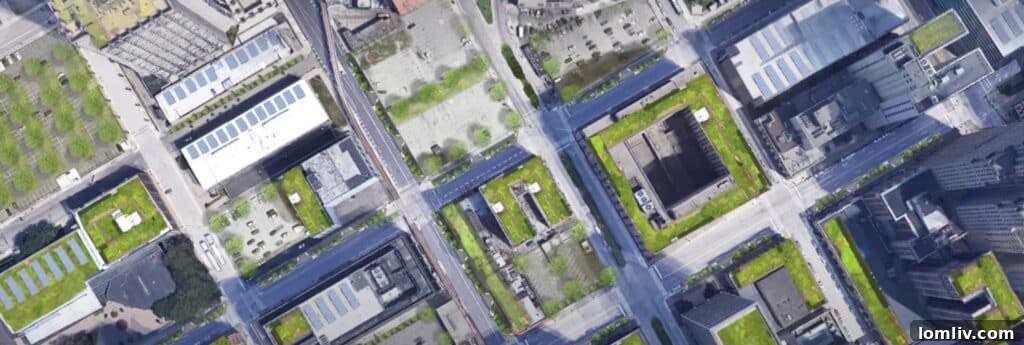
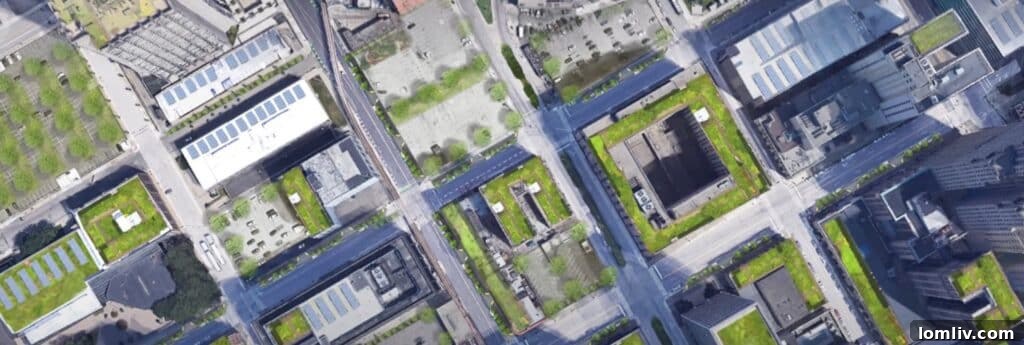
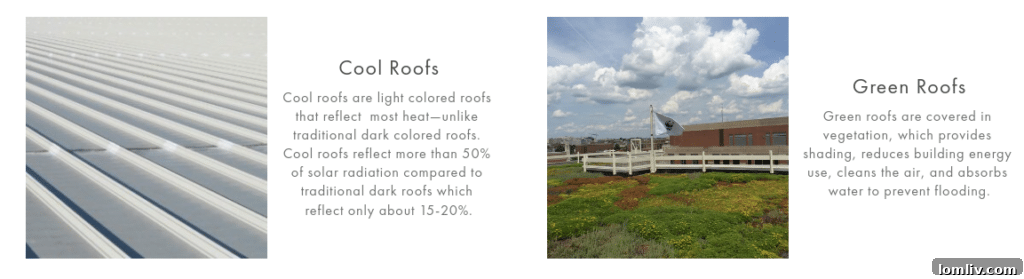
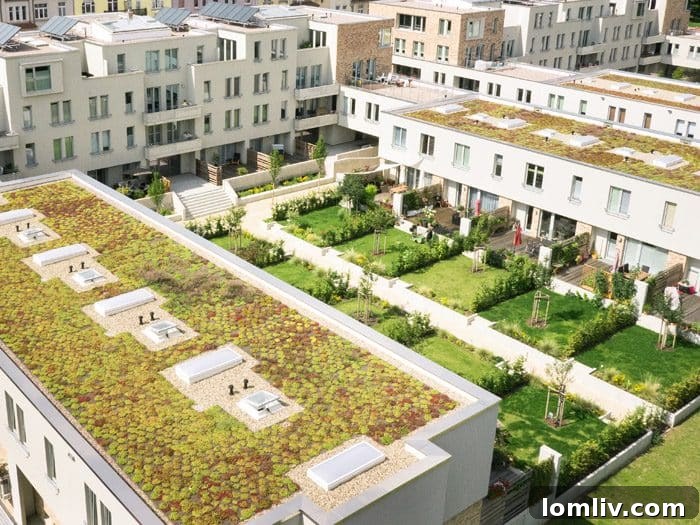
In a proactive stride towards providing crucial relief and fostering urban sustainability, the City of Dallas has formally embarked on a groundbreaking multi-year initiative. This comprehensive project aims to integrate a suite of advanced “Smart Surfaces” technologies into both new construction and extensive rehabilitation endeavors. These include the strategic deployment of highly reflective roofs and pavements, the cultivation of verdant green roofs, the harnessing of solar energy, the installation of permeable porous pavements, the creation of functional rain gardens, and the widespread planting of urban trees. Each element is meticulously chosen to combat the pervasive urban heat island effect, a phenomenon where metropolitan areas experience significantly higher temperatures than their surrounding natural landscapes.
According to Iona Isachsen, spokeswoman for the Smart Surfaces Coalition, opportunities for implementation are precisely identified through the coalition’s sophisticated mapping, modeling, and quantification technology. This bespoke approach ensures that solutions are tailored to the unique environmental and urban fabric of each member city, maximizing their efficacy and impact. Dallas’s participation signifies a pivotal commitment to enhancing the liveability and environmental resilience of its communities, paving the way for a cooler, more sustainable future.
Dallas now stands among an pioneering group of major U.S. cities, including Baltimore, Boston, Columbia, S.C., and New Orleans, to join the esteemed Smart Surfaces Coalition. This significant partnership marks a unified effort to confront one of the most pressing environmental challenges facing urban centers today: the reduction of the urban heat island index. The coalition positions itself as a beacon of cost-effective, multi-benefit solutions designed to transform urban environments and enhance community well-being.
Dallas Mayor Eric Johnson articulated the profound benefits of this collaboration, stating in a recent press release, “An investment in Smart Surfaces is a win for Dallas residents. Leveraging this intelligent and cost-effective technology will cool our neighborhoods during hot Texas summers, reduce residents’ energy expenses, and minimize the impact of flash-flooding events.” This statement underscores the multifaceted advantages of Smart Surfaces, which extend beyond simple cooling to encompass significant economic savings and enhanced resilience against extreme weather phenomena. By strategically implementing these innovative surfaces, Dallas aims to create a more comfortable, affordable, and safer urban landscape for all its inhabitants.
For more insights into initiatives aimed at reducing energy consumption, you can refer to related articles such as cutting cooling costs in North Texas.
Understanding Smart Surfaces in Dallas: A Deep Dive into Implementation
The announcement of Dallas joining the Smart Surfaces Coalition naturally prompts inquiries into the practicalities of this ambitious undertaking. Key questions revolve around the operational mechanics and the financial implications: How precisely will these innovative surfaces function within the urban fabric of Dallas, and what investment will be required to bring these transformative changes to fruition?
While the initial City of Dallas press release offered a broad overview of the partnership, it did not delve into the granular details of implementation or the specific costs involved. To clarify these points, Martin Witchger, a spokesman for the Smart Surfaces Coalition, confirmed to daltxrealestate.com that Dallas’s entry into the coalition came at no direct cost to the city.
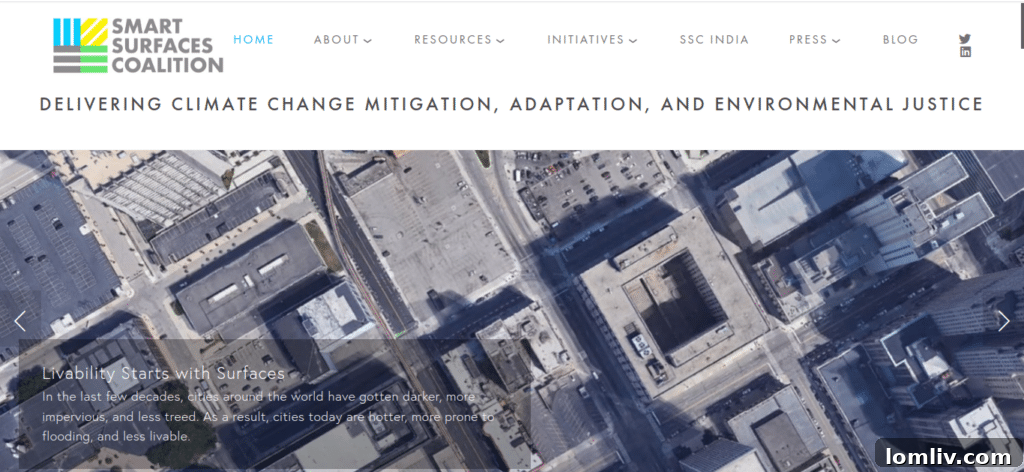
Witchger elaborated on the funding structure that supports this impactful initiative: “Waverley Street Foundation and The JPB Foundation are funding the Smart Surfaces Coalition in deploying its three-year Cities for Smart Surfaces Project – for up to 10 cities, five of which have signed on so far. We expect to fill out the 10-city roster soon.” This philanthropic backing ensures that cities like Dallas can access critical expertise and resources without immediate financial burden. Furthermore, the coalition brings a robust, interdisciplinary team to the table. “The coalition’s team of public health, data analytics, environmental justice, energy efficiency, and climate policy experts will assist cities in reaching our common goals for improving residents’ health and well-being,” Witchger added. This collaborative approach underscores the holistic nature of the project, aiming not just for environmental improvements but also for significant enhancements in public health and social equity.
To further empower cities in making informed decisions, the Smart Surfaces Coalition provides an invaluable “cost-benefit analytic engine” readily accessible on its website. This sophisticated tool enables urban planners and policymakers to accurately assess the potential financial savings and environmental gains associated with adopting Smart Surfaces technologies. Complementing this, a comprehensive downloadable white paper offers detailed case studies and economic models demonstrating how cities can achieve substantial cost savings by implementing cooling infrastructure and advanced technological solutions. These resources are critical for fostering transparency and demonstrating the tangible returns on investment for green urban development.
Ryan McCuaig, a distinguished software developer hailing from Vancouver-based Open Technologies, further elucidated the broader economic benefits. He emphasized that cities meticulously designed with an “urban resilience model” are far better equipped to absorb, recover from, and proactively prepare for the increasing frequency and intensity of natural disasters. McCuaig highlighted the profound financial implications, estimating that a single urban city could realize approximately $2.1 billion in cost savings over a 40-year period by embracing such resilient planning strategies. These savings stem from reduced infrastructure damage, lower emergency response costs, and enhanced public health outcomes, making the investment in Smart Surfaces not just an environmental imperative but also a shrewd economic decision.
Carlos Evans, the esteemed director of the Dallas Office of Environmental Quality and Sustainability, though not immediately available for additional comments, powerfully articulated the city’s rationale for this critical partnership in an earlier press release. His statement underscored the gravity of extreme heat events and the city’s unwavering commitment to addressing them. “Extreme heat kills more people in the U.S. than any other weather event,” Evans asserted, highlighting the urgent public health crisis posed by rising temperatures. He continued, emphasizing the inescapable reality for Dallas: “Dallas will continue to experience extreme heat events, so it’s imperative we do all we can to find achievable ways to cool our city.” This declaration solidifies the city’s proactive stance, positioning the Smart Surfaces initiative as a vital component of its long-term strategy for safeguarding residents and enhancing urban resilience against the formidable challenges of climate change.
Strategic Planning For The Future: Integrating Smart Surfaces into Dallas’s Vision
The seamless integration of Dallas into the Smart Surfaces Coalition, achieved without the requirement for a massive budgetary expenditure approved by the City Council, meant that the public did not have the opportunity to engage in extensive discussions regarding the program’s intricate merits. This streamlined process suggests that the initiative functions somewhat akin to a comprehensive land use plan, guiding future development through established guidelines and strategic foresight rather than through immediate, large-scale financial appropriations. It represents a forward-thinking approach, embedding sustainability principles directly into the city’s evolving infrastructure.
Indeed, Dallas has already laid a robust foundation for environmental stewardship with its comprehensive Comprehensive Environmental & Climate Action Plan (CECAP). This foundational document serves as an indispensable guide for elected officials, informing their decisions on critical environmental matters ranging from the adoption of electric vehicles to the regulation of industrial plants. It functions as a strategic roadmap, influencing policy and development choices by providing a framework of goals and best practices, even if it does not unilaterally dictate approvals or denials. The Smart Surfaces initiative perfectly aligns with and bolsters the objectives outlined in CECAP, demonstrating a cohesive and integrated approach to urban sustainability.
The synergy between the Smart Surfaces Coalition and Dallas’s overarching environmental goals is explicitly detailed in the city’s official press release. It highlights the direct contribution of initiatives like the Smart Surfaces Coalition to the City’s ambitious Climate Action Plan goal. Specifically, the plan targets significant reductions in the urban heat index: 20 percent by 2030, 50 percent by 2040, and an impressive 75 percent by 2050. These aggressive targets underscore Dallas’s commitment to not only mitigating the immediate effects of urban heat but also creating a fundamentally cooler and more resilient city for future generations. The Smart Surfaces approach, with its multi-faceted solutions, is instrumental in achieving these long-term environmental objectives.
A crucial aspect of the Smart Surfaces Coalition’s mission, as articulated by its founder and CEO, Greg Kats, is its dedicated role in helping cities secure essential project funding. This support comes with “a particular emphasis on garnering funding to help enhance climate mitigation technology for low-income neighborhoods.” This commitment to environmental justice ensures that the benefits of advanced cooling technologies are equitably distributed across all communities, rather than being concentrated solely in affluent areas. By prioritizing vulnerable populations, the coalition actively works to reduce health disparities and improve the quality of life for all urban residents, addressing the disproportionate impact of extreme heat on lower-income communities.
Greg Kats succinctly summarized the overarching vision and inherent value proposition of this initiative: “When cities embrace Smart Surfaces — from rooftops to roads — residents win.” This powerful statement encapsulates the transformative potential of integrating intelligent, sustainable design into the very fabric of urban environments. By adopting technologies like reflective materials, green infrastructure, and renewable energy, cities can create cooler, more energy-efficient, and ultimately more livable spaces. These interventions translate into tangible benefits for residents, including lower energy bills, improved public health outcomes, enhanced aesthetic appeal, and increased community resilience against the escalating challenges of climate change. The Smart Surfaces movement represents a pivotal step towards building genuinely sustainable and equitable cities for tomorrow.