Navigating North Texas: Key Real Estate & Community Updates from Dallas-Fort Worth

Welcome to our comprehensive roundup of the latest developments impacting the real estate landscape and community governance across the Dallas-Fort Worth Metroplex. This week, we delve into critical updates ranging from significant appointments to advisory committees, crucial public discussions on school funding, and a deep dive into the recent performance of the local housing market. From the strategic decisions made at the state level that influence real estate policy to the grassroots efforts shaping our local school districts, these stories collectively paint a picture of the dynamic forces at play in one of the nation’s fastest-growing regions. Join us as we explore how these events are set to impact residents, property owners, and the broader economic vitality of North Texas.
Desoto Executive Appointed to Prestigious Governor’s Real Estate Advisory Committee
In a significant announcement signaling the state’s commitment to robust real estate policy and research, Governor Greg Abbott recently appointed Troy Alley Jr., a distinguished executive from Desoto, to the esteemed Real Estate Research Advisory Committee. Alley was among three individuals selected for this pivotal role, with his term set to continue until January 31, 2023. This appointment underscores the Governor’s focus on leveraging seasoned expertise to guide the future direction of real estate development and education within Texas.
The Real Estate Research Advisory Committee plays a crucial function within the state’s governance framework. As outlined in an official press release from the Governor’s office, the committee is tasked with meticulously reviewing and approving various proposals submitted to the board of directors of the Texas A&M University System. These proposals are integral to shaping the staffing and general policies of the renowned Real Estate Center, an institution at the forefront of real estate education and research. Beyond policy oversight, the committee holds the vital responsibility of determining the priority ranking for research studies conducted by the center. This ensures that the most pressing and impactful issues facing Texas’s real estate sector receive the necessary attention and resources, contributing to informed decision-making and sustainable growth across the state.
Troy Alley Jr. brings a wealth of experience and an impressive professional background to this advisory position. He currently serves as the Executive Vice President of Con-Real Support Group, where he contributes significantly to strategic operations. Additionally, he leads as a division president for Real Estate & Capital Assets, demonstrating his profound understanding of both the practical and financial aspects of the industry. Alley’s professional credentials further solidify his expertise; he is a respected member of the Appraisal Institute and holds the highly regarded MAI designation, a testament to his advanced knowledge and ethical practice in real estate appraisal and valuation. His academic journey is equally distinguished, having earned a Bachelor of Science in Electrical Engineering from the University of Arkansas, followed by a Master of Business Administration with a specialization in Real Estate from Southern Methodist University. Further enhancing his profile, Alley also possesses a certificate in Real Estate Development from the prestigious Massachusetts Institute of Technology. His diverse educational background and extensive professional experience make him an invaluable asset to the committee, promising insightful contributions to Texas’s evolving real estate landscape.
This appointment is not just a recognition of Troy Alley Jr.’s individual accomplishments but also reflects the growing importance of the Desoto and wider North Texas region in the state’s economic narrative. Having a local leader contribute to state-level real estate policy ensures that the unique challenges and opportunities of the DFW Metroplex are represented in broader discussions, fostering balanced growth and development for all Texans.
Dallas ISD Initiates Public Meetings for Proposed Tax Ratification Election (TRE)
The Dallas Independent School District (Dallas ISD) has commenced a series of vital community meetings, extending an open invitation to families and property owners across the district. These crucial gatherings are designed to facilitate an in-depth understanding of the wide array of learning opportunities available within Dallas ISD and, more importantly, to provide comprehensive details regarding a proposed Tax Ratification Election (TRE) slated for November. Such elections are pivotal moments for school districts, enabling communities to directly influence the funding and future direction of their local educational institutions.
The series of community engagement sessions kicked off on August 7 at Thomas Jefferson High School, underscoring the district’s commitment to transparent communication and community involvement. For those who were unable to attend the initial meetings, Dallas ISD has scheduled two more opportunities for public participation and information gathering:
- Tuesday, August 14: L.G. Pinkston High School, located at 2200 Dennison St., beginning at 6 p.m.
- Wednesday, August 15: James Madison High School, situated at 3000 Martin Luther King Jr. Blvd., also commencing at 6 p.m.
These meetings represent a critical platform for residents to ask questions, voice concerns, and gain clarity on what a potential TRE could mean for their children’s education and their property taxes. Dallas ISD has maintained a consistent Maintenance and Operations (M&O) tax rate of $1.04 since 2008. If the Board of Trustees gives its approval for a TRE election, the district is likely to propose an increase of 13 cents, which would adjust the M&O tax rate to $1.17. This potential adjustment is a central point of discussion and concern for many residents.
Understanding the financial implications is paramount for taxpayers. As elaborated in an announcement from the district, should the TRE pass, it would result in an increase of approximately $20 per month for the average homeowner, based on a home valuation of $185,000. It is crucial to note, however, that the proposed TRE would not impact taxpayers who are 65 years or older, nor those who are disabled, provided they have a frozen tax levy in place. This provision aims to protect vulnerable populations from increased tax burdens.
Tax Ratification Elections are typically initiated by school districts to address funding gaps, enhance educational programs, improve facilities, or provide competitive salaries for teachers and staff. For Dallas ISD, a district serving a diverse and growing population, securing adequate funding is essential for maintaining and improving the quality of education, which in turn profoundly impacts the community’s overall well-being and future economic prosperity. Property values and the desirability of a neighborhood are often directly linked to the strength and reputation of its local school district. Therefore, residents’ participation in these meetings and the subsequent election holds significant long-term implications for the entire Dallas community.
MetroTex Unveils July Home Sales Performance: A Snapshot of the DFW Market
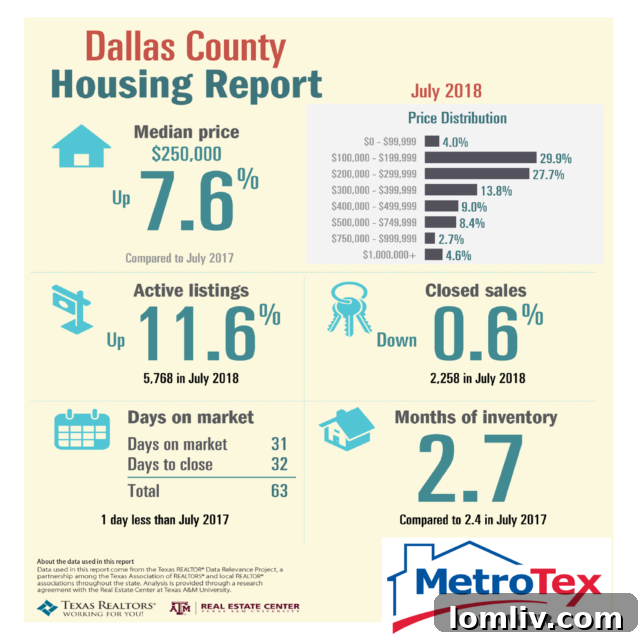
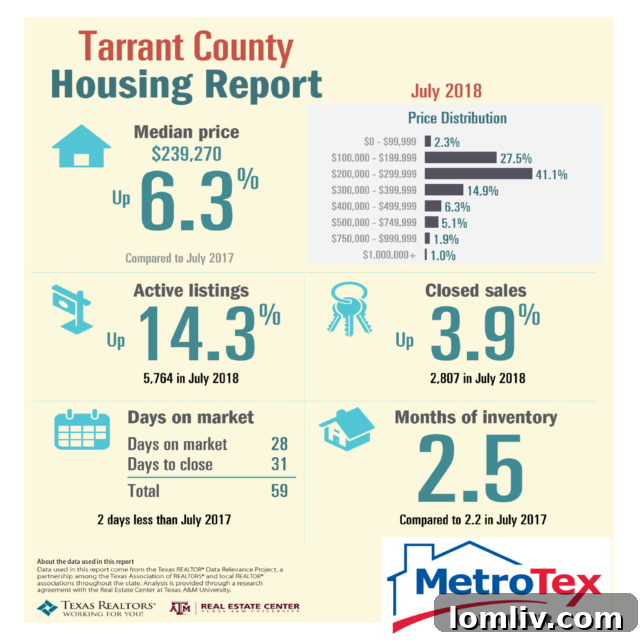
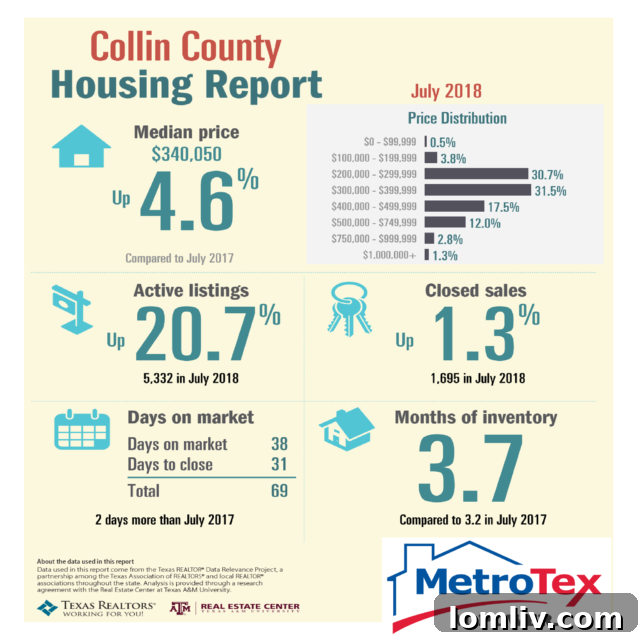
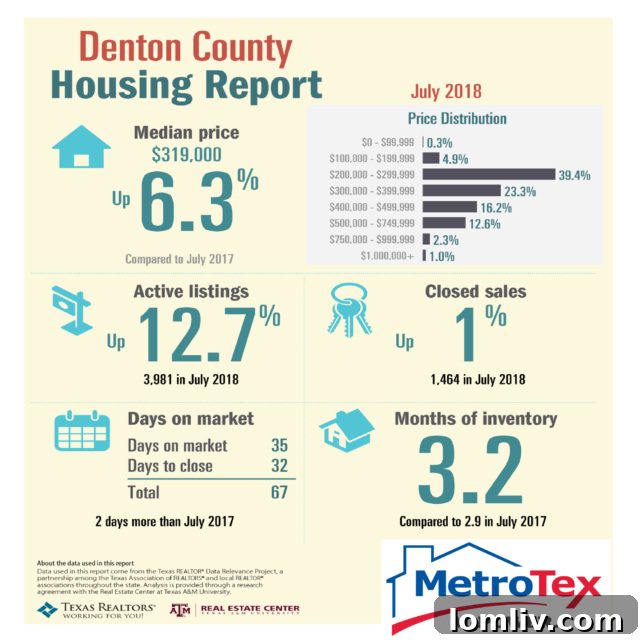
The MetroTex Association of REALTORS, a leading authority on residential real estate data in North Texas, has released its highly anticipated report on home sales for July. While specific numerical figures are best gleaned directly from the detailed charts and graphs provided by MetroTex, a qualitative analysis of typical market dynamics during this period in the Dallas-Fort Worth metroplex reveals several key trends influencing buyers and sellers.
July typically represents a peak season for the housing market, driven by families looking to settle before the new school year and generally favorable weather conditions. In the DFW area, which has consistently experienced robust growth and strong demand, July likely saw a continuation of competitive conditions. The total number of closed sales across the Metroplex would indicate the overall volume of transactions, often reflecting sustained buyer interest despite potential headwinds such as rising interest rates or ongoing inventory challenges.
One of the most closely watched metrics is the median sales price. Given the historical appreciation in the DFW market, July’s figures would likely show continued, albeit potentially moderating, price growth compared to previous months or years. Factors contributing to this could include a persistent imbalance between supply and demand, with buyer competition for available properties still driving values upward. However, any slight cooling in price growth might suggest a market beginning to normalize after periods of aggressive escalation, offering a glimmer of hope for prospective buyers.
Inventory levels remain a critical factor. For a considerable period, the DFW market has contended with a tight supply of homes for sale. July’s data would provide insight into whether new listings are emerging to alleviate this pressure or if the market continues to grapple with limited options. A low months’ supply of inventory typically indicates a seller’s market, characterized by quick sales and multiple offers. The average days on market would further illustrate this trend, with shorter periods indicating strong buyer urgency and efficient transactions.
Furthermore, the July report would touch upon specific segments of the market. For instance, single-family homes often dominate sales volume, but an analysis might also include performance data for condominiums and townhomes, especially in urban cores. The report could also offer insights into the luxury market versus entry-level housing, revealing where demand is strongest and where potential opportunities or challenges lie for different buyer demographics. Economic indicators such as employment growth, population influx, and local business expansion continue to fuel the DFW housing market. Strong job creation and the ongoing migration of individuals and companies to North Texas consistently underpin demand, ensuring that the region remains an attractive destination for both residents and investors.
In summary, while the specific data points are contained within the MetroTex visuals, July’s housing market in DFW would generally be characterized by continued activity, potentially steady price appreciation, and ongoing competition, though the pace of these trends might be adjusting in response to broader economic shifts. These reports are invaluable tools for real estate professionals, policymakers, and prospective homeowners seeking to understand the dynamic forces shaping one of the nation’s most vibrant housing markets.
Conclusion: Shaping the Future of North Texas
This week’s roundup of news from Dallas-Fort Worth highlights the multifaceted nature of community development and economic progression in a thriving metropolitan area. From the appointment of a respected local leader to a state-level real estate advisory committee, underscoring North Texas’s influence on broader state policy, to the critical public discourse surrounding Dallas ISD’s proposed Tax Ratification Election, which will directly impact the quality of education and local property values, each story reflects pivotal moments for residents and stakeholders. Furthermore, the detailed analysis of July’s real estate market performance by MetroTex provides crucial insights into the health and trajectory of one of the nation’s most dynamic housing sectors.
As North Texas continues its remarkable growth, the interplay between state governance, local education initiatives, and market dynamics will undoubtedly shape its future. Engaging with these developments, understanding their implications, and participating in the democratic processes they entail are essential for all who call this vibrant region home. These ongoing conversations and decisions are not just headlines; they are the building blocks of a resilient, prosperous, and well-educated community for years to come.