Navigating the Crossroads: Dallas ISD Confronts School Closures and State Mandates
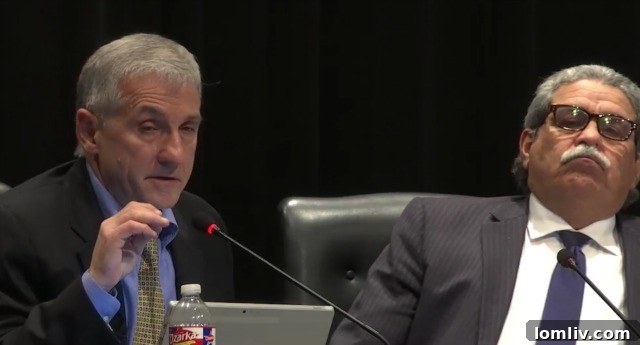
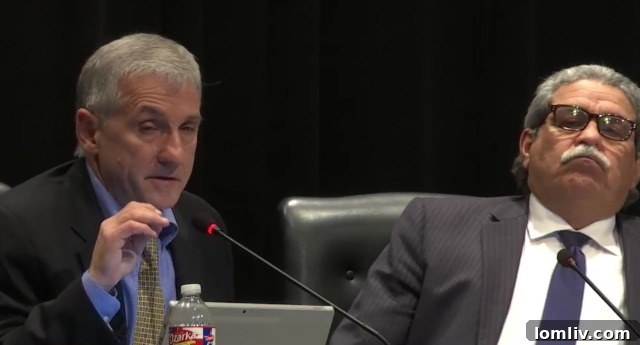
The Dallas Independent School District (Dallas ISD) is currently grappling with a critical challenge: the potential closure of several schools that have consistently failed to meet state academic standards. In a recent high-stakes board meeting, the Dallas ISD Board of Trustees heard impassioned pleas from parents and community members whose schools were on the chopping block, underscoring the profound impact such decisions have on families and neighborhoods. Despite the emotional testimonies, district officials reiterated the stark reality: options are limited, and the Texas Education Agency (TEA) looms large with strict mandates for underperforming institutions.
The Imperative for Improvement: Understanding the TEA’s “Improvement Required” Status
At the heart of Dallas ISD’s dilemma is the state’s “Improvement Required” (IR) designation. This classification is assigned to schools that consistently fail to meet accountability standards set by the Texas Education Agency. For a school to be on the IR list for four years or more carries a particularly severe consequence: if it remains IR for a fifth consecutive year, the TEA is legally obligated to either close the school or initiate a full takeover of the entire school district. This high-stakes ultimatum places immense pressure on districts like Dallas ISD to implement decisive and effective intervention strategies.
Currently, four specific Dallas ISD schools have been on this critical list for four years or more: Carr Elementary, Titche Elementary, Ray Learning Center, and Edison Middle School. The futures of these institutions, and the students they serve, hang precariously in the balance, awaiting final decisions that will reshape their communities.
A District’s Progress: Reducing the Footprint of Underperformance
While the threat of closures is daunting, Dallas ISD has made remarkable strides in recent years to improve its academic landscape. Just four years ago, a staggering 43 schools within the district were classified as “Improvement Required.” Through dedicated efforts, strategic interventions, and focused leadership, that number has been dramatically reduced to 13. This significant achievement means approximately 14,000 fewer students are attending an IR school today compared to four years prior. This progress stands in stark contrast to other large urban districts, such as Houston ISD, which reportedly saw an increase of over 2,000 students in IR schools during the same period. Dallas ISD’s proactive approach demonstrates a clear commitment to elevating academic standards across its diverse student population, even as challenging decisions remain.
The district’s journey to reducing its IR school count is a testament to its resolve. However, the remaining schools on the list represent the most persistent challenges, requiring tough choices that balance state compliance with community needs.
The Board’s Deliberations: Difficult Decisions for Impacted Schools
The recent board meeting was a culmination of intense discussions and public engagement. More than 40 individuals from the community voiced their concerns during the public comment session, articulating the deep emotional ties and practical dependencies families have on their local schools. Ultimately, after much deliberation, the board moved forward with several critical resolutions aimed at addressing the IR status of its schools:
Edison Middle School: A Revised Path Forward
For Edison Middle School, a significant change was approved: seventh and eighth graders will be transitioned to Pinkston High School. This decision was largely facilitated by Pinkston’s existing capacity, allowing it to comfortably accommodate the influx of middle school students without overcrowding. Furthermore, students who would typically matriculate into Edison as sixth graders will remain at their respective elementary schools for an additional year, aligning with a common pre-kindergarten through fifth-grade elementary model. This revamped plan was met with a degree of satisfaction from the board, particularly as it represented an improved alternative to an earlier proposal that would have sent Edison students to Quintanilla Middle School.
Ray and Kennedy Elementaries: Consolidation and New Beginnings
The fates of Ray Learning Center and Kennedy Elementary were intertwined, with the board voting to combine their student populations with Chavez Elementary. This consolidation strategy was primarily driven by dwindling enrollment figures at Ray and Kennedy. District president Dan Micciche highlighted that the three schools combined had lost over 700 students in the preceding four years, making consolidation a pragmatic, albeit challenging, solution. Moreover, the Ray campus is not slated for permanent closure; instead, it will be repurposed to host Ignite Middle School, a personalized learning choice school, commencing the next academic year. This initiative reflects the district’s ongoing exploration of innovative educational models.
Carr and Titche Elementaries: A Conditional Future
The futures of Carr and Titche Elementary Schools remain somewhat uncertain. Their potential closure hinges directly on whether they can achieve state standards in the current academic year. This conditional status underscores the intense pressure on these schools to demonstrate rapid and sustained improvement to avoid the TEA’s ultimate sanction.
The Voices of Dissent: Weighing Community Values Against Data
The board’s decisions, particularly regarding the consolidation of Ray and Kennedy elementaries, were not without significant dissent. The vote passed with a 7-2 margin, with trustees Joyce Foreman and Bernadette Nutall voting against the plan. Their opposition brought crucial perspectives to the forefront, challenging the district’s rationale on several grounds.
The Neighborhood School Debate
Trustee Foreman passionately argued against the consolidation, suggesting that such moves contribute to “creating an atmosphere of choice schools and away from neighborhood schools.” She questioned the district’s enrollment data, pointing to other schools like CityLab, which also presented lower enrollment figures but were not targeted for closure. Board president Micciche countered this by emphasizing the need for an “apples to apples” comparison, highlighting that new schools like CityLab are still in their developmental stages and have not yet reached full capacity. The debate illuminated the tension between data-driven decisions based on efficiency and enrollment, and the profound value communities place on accessible, local neighborhood schools.
Concerns of Equity and Optics
Trustee Nutall raised a powerful concern regarding the demographic impact of the closures. “The optics of that just don’t look good to me,” she stated, drawing attention to the fact that the schools targeted for consolidation and closure are predominantly African-American. This statement implicitly but strongly raised questions about equity and the potential disproportionate impact of district policies on minority communities. Foreman further echoed this sentiment, contrasting the district’s approach to Titche Elementary with that of J.W. Ray, stating, “It [I] have no issue with leaving Titche open if it gets off the IR list. What I do have an issue with is the difference between on what’s going on with Titche and what will happen with J.W. Ray.” These dissenting voices highlighted the complex social and racial dimensions inherent in school closure decisions.
Dallas ISD’s Unique Approach: Navigating State Mandates with Flexibility
Despite the internal disagreements, district officials emphasized that Dallas ISD is adopting a uniquely proactive and flexible approach to the looming TEA mandate for its long-term IR schools. Stephanie Elizalde, Dallas ISD Chief of School Leadership, noted, “We’re the only district that I know of right now that is providing any options in one motion.” She acknowledged that this strategy “does prolong the decision making” but affirmed the district’s commitment to finding viable solutions. “We are working to provide as many options as we could that made sense,” Elizalde reiterated, indicating a desire to mitigate the disruption for students and families while still adhering to state requirements.
This innovative stance by Dallas ISD reflects a broader effort to move beyond simple closures and instead seek creative solutions that address underperformance while also considering the needs of the community and the potential for revitalization. By offering options and engaging in prolonged decision-making, the district aims to ensure that changes are thoughtfully implemented and provide the best possible outcomes for all students.
Looking Ahead: The Future of Education in Dallas
The decisions made by the Dallas ISD Board of Trustees represent a critical juncture for public education in the city. The path forward is complex, marked by the ongoing challenge of improving academic outcomes, managing declining enrollment in some areas, and responding to state accountability measures. The consolidation of schools, the introduction of new choice models like Ignite Middle School, and the conditional status of others like Carr and Titche Elementary, will undeniably reshape the educational landscape for thousands of Dallas students and their families.
As Dallas ISD continues to navigate these turbulent waters, the commitment to student success remains paramount. The district’s ability to balance fiscal responsibility, state compliance, and the diverse needs of its communities will be vital. These discussions are more than just about buildings; they are about the future opportunities for young learners and the strength of the communities they inhabit. The outcomes of these strategic shifts will serve as a testament to Dallas ISD’s resilience and its dedication to providing quality education for every child.