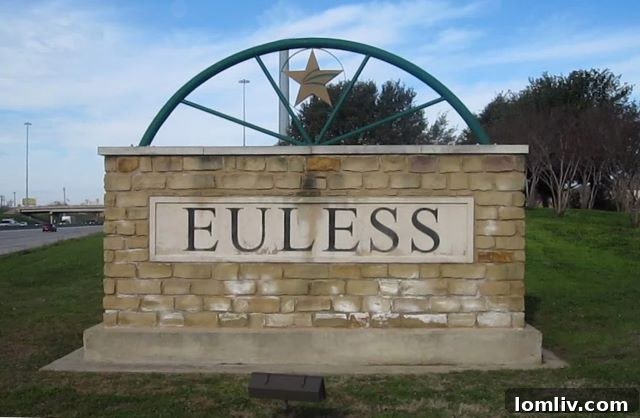
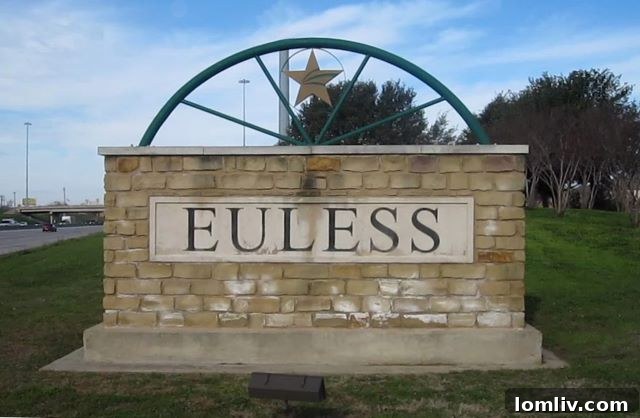
Euless, Texas: The Unexpected Gem Crowned America’s Top Relocation Destination by The New York Times
When Farhad Manjoo, a prominent opinion columnist for The New York Times, published his interactive quiz titled “Everyone’s Moving to Texas, Here’s Why,” the resulting top recommendation for the best place to move in the nation sent ripples of surprise through many communities. The unexpected winner? Euless, Texas. This revelation undoubtedly raised a few eyebrows, as Euless is not typically the first name that comes to mind when discussions turn to the country’s most celebrated locales.
While Euless may not consistently grace the typical “best-of” lists published by real estate and lifestyle websites—a distinction often reserved for its more widely recognized North Texas neighbors like Frisco and Plano—its unexpected placement at the top of a prestigious New York Times quiz highlights a deeper, more nuanced understanding of what truly makes a desirable community.
Unveiling Euless: A City of Hidden Charms and Strategic Advantages
Euless is, without a doubt, a remarkable city, brimming with its own unique character and significant advantages. It boasts a strong community spirit, perhaps best exemplified by its renowned Trinity High School, a powerhouse in Texas high school football, consistently producing state-contending teams. This athletic prowess reflects a deep sense of local pride and community involvement.
Strategically located, Euless benefits immensely from its proximity to one of the world’s busiest airports: Dallas-Fort Worth International Airport (DFW), with a significant portion of the airport’s southwest section jutting directly into the city limits. This geographical advantage makes Euless an ideal hub for business travelers, aviation industry professionals, and anyone seeking unparalleled connectivity.
Beyond its strategic location and athletic fame, Euless is also noteworthy for its vibrant cultural tapestry. It is home to one of the largest concentrations of Tongans outside of Tonga, contributing a rich layer of cultural diversity and unique traditions to the community. Furthermore, the city has a touch of celebrity, having been the childhood home of actress Janine Turner. For daily conveniences, residents appreciate well-established amenities, such as the prominent Target store on its west end, catering to various shopping needs.
The New York Times Quiz: A Personalized Approach to Relocation
The interactive quiz developed by Farhad Manjoo employed a sophisticated methodology, using 30 distinct metrics to provide personalized recommendations for potential movers. Unlike generic “best places” rankings, this quiz allowed individuals to input their personal priorities, yielding results tailored to their specific needs and desires. For Manjoo, when he entered what was important to him, Euless stood out with exemplary scores, earning a perfect 10 for racial diversity, a strong 9 for job opportunities, and an impressive 8 for climate risks.
Euless wasn’t alone in achieving high marks. Woodlawn, Ohio, and Edgecliff Village, a charming enclave within Fort Worth, also garnered a remarkable 90 percent score. The rest of the top-performing list was heavily dominated by other Dallas suburbs, underscoring the broader appeal of the North Texas region. Garland, Grand Prairie, Mesquite, DeSoto, and Cedar Hill each scored an impressive 87 percent, affirming the consistent quality of life found across these communities.
It’s important to note that the interactive nature of the quiz means that your personal experience with it might vary significantly. The beauty of this tool lies in its adaptability; by adjusting your preferences for factors like cost of living, political leanings, or specific amenities, the quiz can generate a unique snapshot of locales that best align with your individual lifestyle and aspirations.
Why North Texas Suburbs Are Becoming National Hotspots
Manjoo’s findings extended beyond Euless, highlighting a broader trend: the remarkable rise of the Dallas-Fort Worth suburbs. He articulated a compelling case for why these areas frequently appeared in the quiz results for many hypothetical life scenarios.
“For the many hypothetical life scenarios I ran through our quiz, the suburbs around Dallas — places like Plano, McKinney, Garland, Euless and Allen — came up a lot,” Manjoo wrote. “It’s clear why these are some of the fastest-growing areas in the country. They have relatively little crime and are teeming with jobs, housing, highly rated schools, good restaurants, clean air and racial and political diversity — all at a steep discount compared to the cost of living in America’s coastal metropolises.”
This comprehensive assessment points to several key factors that make North Texas suburbs incredibly attractive:
- Robust Job Market: The Dallas-Fort Worth Metroplex is an economic powerhouse, home to numerous Fortune 500 companies, a burgeoning tech sector, and diverse industries. This provides a steady stream of employment opportunities across various fields, attracting professionals and families alike.
- Affordable Housing: Compared to the exorbitant costs of living in major coastal cities, North Texas offers significantly more affordable housing options, allowing residents to achieve homeownership and a higher quality of life without breaking the bank.
- Exceptional Schools: The region boasts numerous highly-rated school districts, committed to providing excellent educational opportunities for children. This is a critical factor for families considering relocation.
- Low Crime Rates: Many of these suburban communities maintain commendably low crime rates, contributing to a sense of safety and peace of mind for residents.
- Vibrant Lifestyle and Amenities: From an array of diverse restaurants offering global cuisines to expansive shopping centers, parks, and cultural attractions, these suburbs provide a rich and fulfilling lifestyle.
- Clean Air and Green Spaces: Despite being part of a major metropolitan area, many North Texas suburbs emphasize green initiatives and maintain access to parks and natural spaces, contributing to better air quality and opportunities for outdoor recreation.
- Racial and Political Diversity: The region is characterized by a growing mix of cultures, backgrounds, and perspectives, fostering inclusive communities. This diversity, particularly highlighted by Euless’s perfect score, appeals to those seeking open and welcoming environments.
The “Secret Sauce” of North Texas Growth: Diversity and Vibrancy
J.H. Cullum Clark, director of the George W. Bush Institute-SMU Economic Growth Initiative, provided further valuable insights into the burgeoning success of North Texas. After taking the quiz himself, Clark shared his findings and observations in The Dallas Morning News, reinforcing the notion that modern urban success hinges on more than just economic metrics.
“It’s not enough for cities to be affordable. To thrive, they must be diverse, vibrant places to live and work — the secret sauce that’s helping many North Texas cities win,” Clark wrote. This statement encapsulates a crucial understanding: while affordability remains a primary driver for relocation, it is the combination of economic viability with rich cultural diversity and a vibrant social fabric that truly creates sustainable growth and desirability. These elements foster dynamic communities where people not only work but also build meaningful lives.
Beyond the Data: Manjoo’s On-the-Ground Exploration of Texas
Manjoo’s research wasn’t confined to data analysis alone. A California resident himself, he took a personal interest in understanding the appeal of Texas. To gain a firsthand perspective, he rented a pickup truck and embarked on a tour of the region, observing daily life and local nuances. His experience revealed an interesting paradox:
“Texas has barbecue and California has burritos, but the American urban landscape has grown stultifyingly homogeneous over the past few decades, and perhaps one reason so many Californians are comfortable moving to Texas is that, on the ground, in the drive-through line at Starbucks or the colossal parking lot at Target, daily life is more similar than it is different,” Manjoo wrote.
This observation highlights a modern reality: despite regional cultural differences, the underlying rhythm and conveniences of suburban life often share common threads across the United States. This familiarity contributes significantly to the ease with which individuals and families can transition to new environments like Texas, finding comfort in routines and amenities that feel universally accessible.
The Growing Allure of Texas as a Relocation Hub
The New York Times quiz and Manjoo’s subsequent analysis underscore a broader demographic trend: the increasing migration to Texas. This phenomenon is driven by a confluence of factors, including a lower cost of living, a robust and diverse job market, favorable tax policies, and a perceived higher quality of life. The state offers a compelling proposition for those looking to stretch their budgets further without sacrificing career opportunities or access to amenities.
Euless, with its unique blend of community, strategic location, diversity, and affordability, stands as a prime example of the kind of desirable community that is increasingly attracting attention. Its recognition by a prominent national publication serves as a testament to the evolving criteria people use when deciding where to plant roots.
While the Times’ presentation was initially released around Thanksgiving, the interactive quiz remains a fascinating “rabbit hole” to explore at any time. Utilizing its 30 metrics, it offers a personalized and insightful tool to discover locales that perfectly align with your priorities and preferences. We encourage you to try it and perhaps uncover your own unexpected ideal destination.