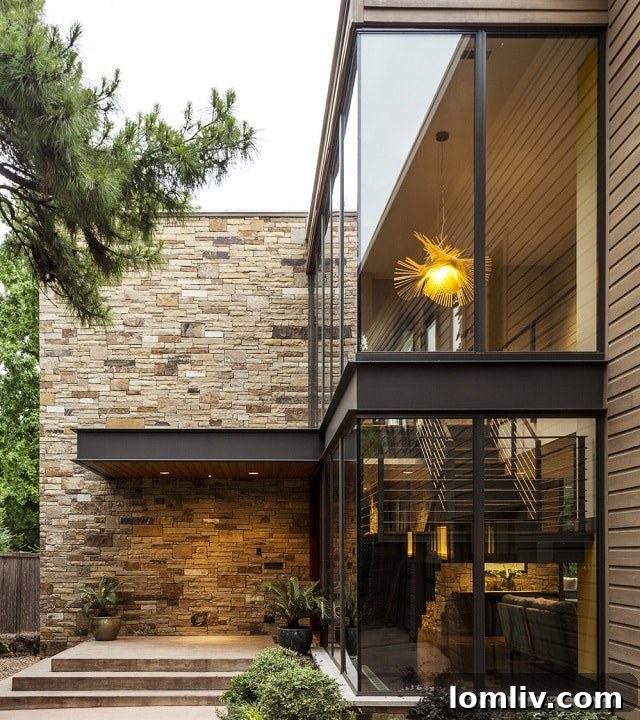
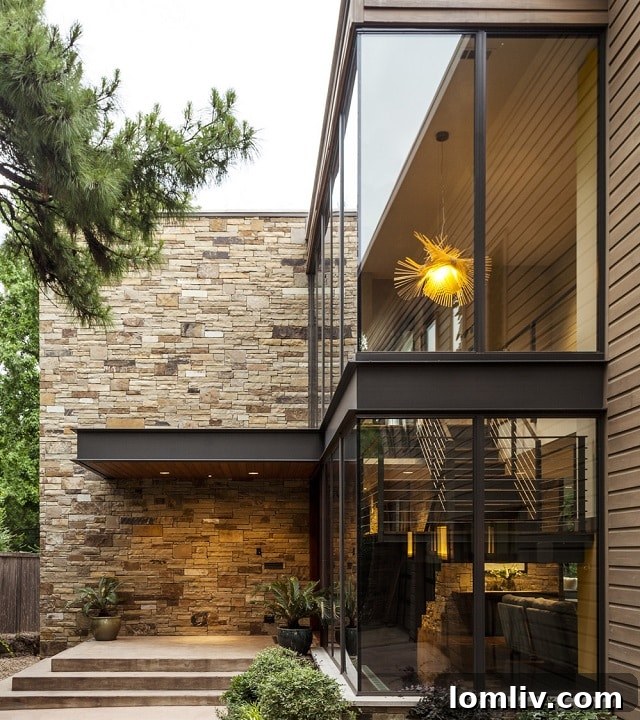
For many, the phrase “contemporary home” conjures images of stark, minimalist spaces – perhaps a gleaming white box with equally pristine interiors, echoing the iconic art-museum-like residences found in places like Preston Hollow. While this aesthetic undeniably holds its own allure, it often comes with a common stereotype: the contemporary home as cold, unwelcoming, and utterly devoid of comfort. However, this perception is a significant misconception in the world of modern architectural design.
Enrique Montenegro, a distinguished principal at SHM Architects, challenges this narrow definition. He asserts that contemporary architecture broadly encompasses anything that deviates from traditional styles, making it a vast and versatile category. Crucially, Montenegro emphasizes that a contemporary home is not inherently a “classic white box” and certainly doesn’t have to feel cold or impersonal. In fact, the true essence of modern design, when executed thoughtfully, lies in its capacity to create spaces that are both sophisticated and deeply inviting.

To delve deeper into how architects are transforming this perception and crafting modern homes that exude warmth and comfort, daltxrealestate.com sat down with Enrique Montenegro. His insights reveal a nuanced approach to contemporary design, prioritizing livability and personal connection.
Deconstructing Stereotypes: The Misunderstood Contemporary Home
Daltxrealestate: Let’s start with the common criticisms. What are the prevailing stereotypes people hold regarding contemporary-style homes, and how do these misconceptions arise?
Enrique Montenegro: It’s fascinating how diverse people’s interpretations of “contemporary” can be. A recurring term we hear is “clean lines,” often associated with contemporary homes where everything is meticulously straight, details are minimal, and the overall look is incredibly crisp. This perception, while not entirely inaccurate, sometimes leads to a design approach that feels overly rigid.
We’ve all experienced spaces that, despite their visual appeal, make you feel like you can’t truly relax. They might be impeccably furnished, but the arrangement or the nature of the pieces compels you to sit up straight, almost formally. When a space is furnished in a way that prioritizes aesthetics over comfort, or when wall finishes lack warmth and texture, it can indeed feel very cold and excessively formal. This is where the stereotype of the unapproachable modern home often takes root. Our goal is to break free from this limiting idea, proving that modern sophistication can coexist beautifully with genuine warmth and a sense of belonging.
Embracing Imperfection for Authentic Warmth: The Wabi-Sabi Philosophy
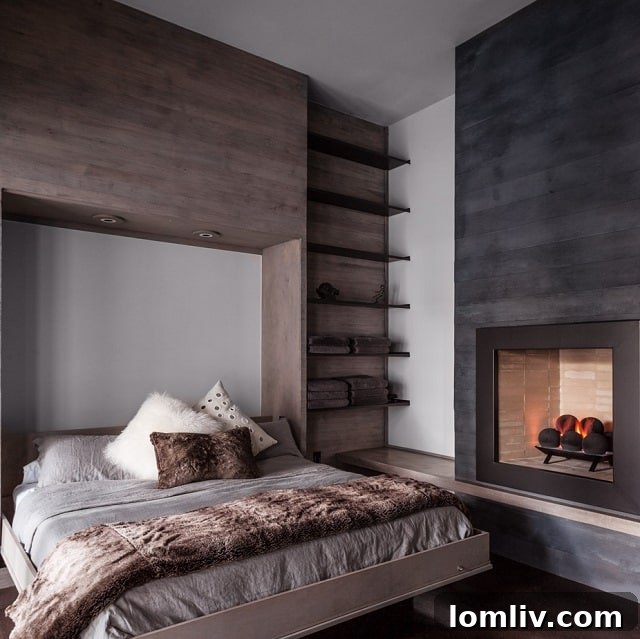
To counteract the potential for starkness, we often integrate a concept known as Wabi-Sabi, a Japanese aesthetic philosophy that finds beauty in imperfection, transience, and natural simplicity. Think of a piece of aged wood, weathered by time, revealing a rich patina and deep character. This isn’t just an aesthetic choice; it’s an acceptance of the natural processes that add warmth, layers of texture, and unique color variations that can only emerge from something that isn’t perfectly manufactured or pristine.
Introducing elements inspired by Wabi-Sabi into a contemporary space is transformative. It immediately softens the clean lines, adds a soulful dimension, and renders the aesthetic more palatable and genuinely approachable. These elements – whether an antique textile, a hand-thrown ceramic, or a carefully selected piece of natural stone with inherent flaws – ground the design and invite occupants to truly live in the space, rather than simply admire it from a distance.
Designing Beyond Preconceptions: A Client-Centric Approach
Daltxrealestate: Have you encountered clients who initially express a desire for a very contemporary home but seem somewhat close-minded about what contemporary design truly entails? Perhaps they envision strictly black and white palettes, resistant to warmer tones, softer textures, or natural browns?
Enrique Montenegro: This is a crucial challenge we tackle from the very beginning of any project. Our firm, SHM Architects, works diligently to prevent imposing any preconceived agenda too early in the design process, and we guide our clients to do the same. The cornerstone of our approach is an in-depth discussion about what their home truly signifies for their unique lifestyle. We invest significant time in asking a multitude of questions, believing this upfront effort is invaluable.
We probe into their daily routines and aspirations: “Do you entertain frequently, hosting large gatherings, or do you prefer to create a private sanctuary where you can unwind and retreat from the world?” “What does comfort mean to you?” “How do you envision spending your mornings, afternoons, and evenings within your new home?” By focusing intensely on our client’s lifestyle, we can identify and apply specific design strategies and architectural devices that will ensure the house functions seamlessly and perfectly for them. Only once we have a clear understanding of these fundamental aspects – the rhythm and flow of their lives – do we then transition to discussions about specific color schemes, material textures, and decorative elements. This ensures that the aesthetic choices are deeply rooted in functionality and personal well-being, rather than merely superficial preferences.
The Art of Material Composition in Contemporary Architecture
Daltxrealestate: Let’s discuss building materials. What is your philosophy regarding the use of materials in contemporary homes, particularly in fostering warmth?
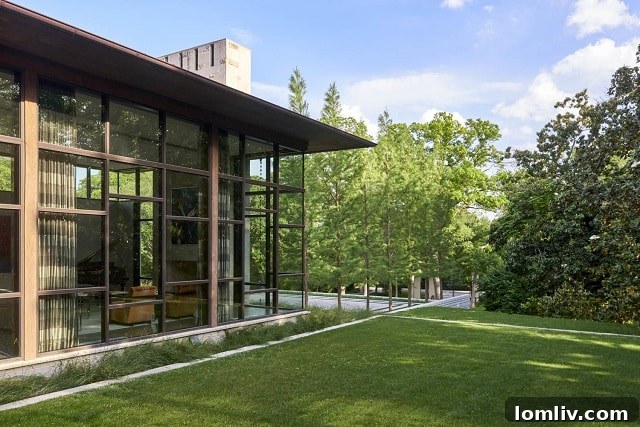
Enrique Montenegro: Our perspective on building materials transcends their individual properties; we focus on how they thoughtfully converge and interact within a space. Whether we’re incorporating steel, expansive glass, rich wood, or robust concrete, the emphasis is always on deliberate composition. Success in contemporary design isn’t achieved by merely selecting materials, but by understanding how each material contributes to the overall spatial vision – how it relates to its neighbors, how it defines volumes, and how it influences the flow of the entire structure.
If the approach to materials is simply two-dimensional, treating them as if they were just different shades of paint on a surface, the design will inevitably fall short. We must profoundly consider their interaction with each other, the way they articulate various volumes, their contribution to the layout, and how they guide movement through the home. Every material possesses inherent qualities – a historical weight or a feeling of lightness, a certain texture, or a reflective quality – that can be leveraged in both traditional and contemporary designs.
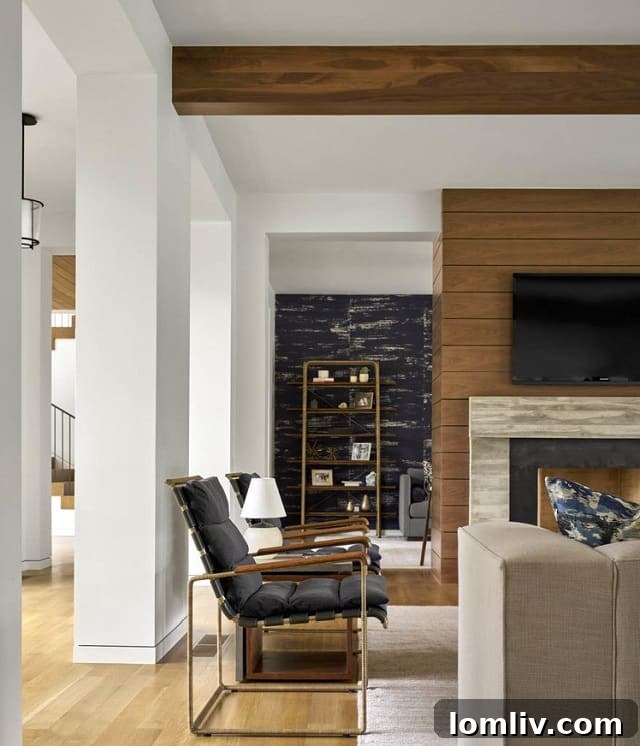
At SHM Architects, we employ a keen sensitivity to the “dialogue” each material selection is having with the space and with other materials. This allows us to subtly weave warmth throughout the home. For instance, the cool sleekness of concrete can be beautifully balanced by the organic grain of wood, or the transparency of glass can be complemented by the solid, grounding presence of stone. It’s about creating a harmonious interplay that engages the senses and adds layers of depth, making the space feel refined yet utterly comfortable.
Innovations in Materials: Blending Aesthetics with Performance
Daltxrealestate: Are there any emerging building materials on the horizon that are gaining traction or being utilized more frequently in contemporary design, particularly those that help bridge the gap between aesthetics and practical considerations?
Enrique Montenegro: Absolutely. We’re seeing some incredibly innovative materials emerging that defy immediate categorization, often appearing to be one thing while performing like another. Consider, for example, advanced aluminum panels that are meticulously finished to replicate the intricate grain and texture of natural wood. Or, softer, natural wood species that undergo specialized treatment processes to imbue them with the resilience and durability typically found only in tropical hardwoods.
These hybrid or modified natural materials offer compelling advantages, directly addressing many of the perceived drawbacks associated with conventional natural wood products. Issues like extensive maintenance requirements, the need for regular staining or painting, and susceptibility to environmental wear are significantly mitigated. While demanding less upkeep, these innovative materials retain the captivating beauty and authentic aesthetic appeal of their natural counterparts. They represent a harmonious fusion of natural charm and modern engineering, providing architects and homeowners with sustainable, high-performance options that contribute to both the visual warmth and long-term practicality of a contemporary home.
Interior Design: Softening Spaces and Crafting Ambiance
Daltxrealestate: It sounds like the timeless appeal of classic materials, even in modified forms, remains highly valued. What about interior design elements? Do you have specific tips for furnishing a contemporary home to effectively soften the space and enhance comfort?
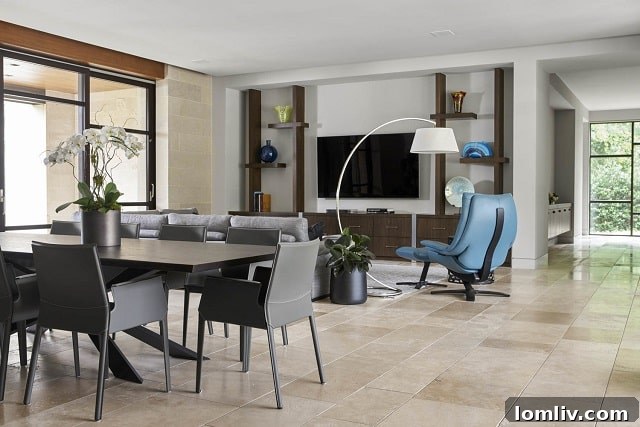
Enrique Montenegro: When it comes to interior design, a restrained approach often yields the most impactful and harmonious results. For color schemes, we consistently recommend maintaining a fairly cohesive and neutral palette throughout the home. This means consciously avoiding abrupt transitions from a vibrant blue room to a bold green room, and then to a dramatic purple room. A consistent neutral backdrop – think warm grays, soft beiges, muted earthy tones, or nuanced whites – serves as a calming foundation that elegantly ties diverse spaces together, which is especially critical in contemporary homes featuring open-concept floor plans, a design staple we frequently implement. This isn’t a groundbreaking concept, but its effectiveness in fostering visual continuity and a serene atmosphere remains undeniable.
The same principle of thoughtful restraint extends to decorative lighting. A truly exceptional lighting plan achieves maximum impact not through an abundance of fixtures, but through their careful selection, precise placement, and strategic timing. The advancements in LED technology over the past decade have been revolutionary. We now possess the capability to specify warm color temperatures across the entire home, creating an inviting glow reminiscent of incandescent bulbs. Furthermore, many modern LED systems can be dimmed to emit an even warmer, amber hue, beautifully simulating the nostalgic comfort of older lighting. This ability to manipulate light color and intensity is crucial for crafting specific moods and enhancing the perceived warmth of a contemporary interior.
Beyond color and light, we place immense importance on determining the perfect proportion of space relative to the furniture within it. We find immense satisfaction when clients or guests enter a room and instinctively remark, “This feels absolutely perfect.” This sensation is typically a direct result of meticulous planning: the room’s dimensions have been expertly designed to accommodate the furniture layout, ensuring that both scale and proportion are just right. This prevents a room from feeling either cavernous and sparse or cramped and overwhelming. We firmly believe that the interior of a contemporary house can, and should, feel every bit as warm, comfortable, and inviting as a traditional home. It all boils down to mastering these fundamental design principles – a passion we dedicate significant time and expertise to perfecting in every project.