The Enigmatic Buckner House: A Timeless East Dallas Landmark Awaits Restoration
East Dallas has long been renowned for its magnificent estates, each whispering tales of opulence, history, and architectural prowess. We often bestow evocative names upon these grand residences, and for good reason—they become an intrinsic part of the city’s narrative. Think of iconic properties like Mount Vernon on White Rock Lake, the sprawling DeGolyer Estate, or the once-glorious Belle Nora on Garland Road. Then there was Grandwick, a majestic structure tragically gutted by fire, leaving behind only echoes of its brief, dramatic life as the Dallas Scientology Center.
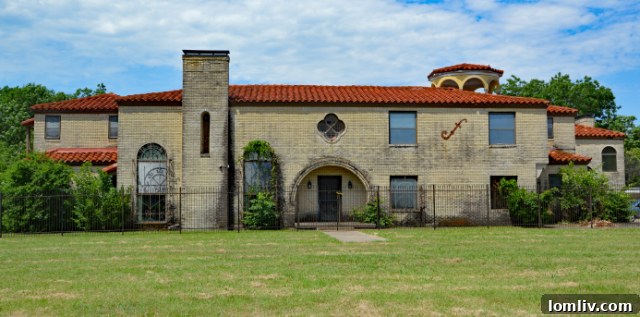
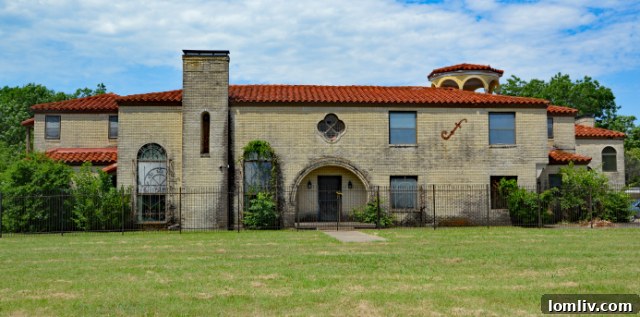
Yet, amidst these storied residences, none has captivated the local imagination quite like The Buckner House. This monumental Mediterranean-style mansion, prominently situated on the right side of North Buckner Boulevard as you journey towards I-30, has long been a source of fascination. For decades, it has stood as a silent sentinel of East Dallas history, and now, this extraordinary property is actively seeking a new steward to write its next chapter.
A Glimpse into the Roaring Twenties: The Birth of a Mediterranean Masterpiece
The Buckner House was meticulously constructed in 1925, a year that epitomized the vibrant spirit of the Jazz Age. This was the era when F. Scott Fitzgerald’s seminal work, The Great Gatsby, first graced bookshelves, painting a vivid picture of American prosperity, social upheaval, and extravagant lifestyles. Dallas, much like the rest of the nation, was experiencing an economic boom, and those with burgeoning fortunes and a keen sense of style sought to translate their success into their homes. It was a time for grand statements, for residences that were not merely shelters but showplaces designed to impress and entertain.
Mediterranean Revival architecture, characterized by its stucco exteriors, terracotta roofs, elaborate archways, and ornate detailing, was at the forefront of design trends during this period. It wasn’t just a style; it was a declaration of taste, wealth, and a connection to the romanticism of European coastal villas. For those who commissioned homes like The Buckner House, this architectural choice conveyed an air of sophisticated elegance and a cosmopolitan outlook. The enduring appeal of this style is undeniable; one only needs to consider legendary estates such as Villa Vizcaya and the Biltmore in Miami—architectural marvels that continue to stand as timeless testaments to the grandeur of the era, inspiring awe and admiration almost a century later. The Buckner House, with its commanding presence and distinctive Mediterranean flair, embodies this legacy of architectural excellence right here in East Dallas.
Architectural Grandeur and Unique Features of The Buckner House
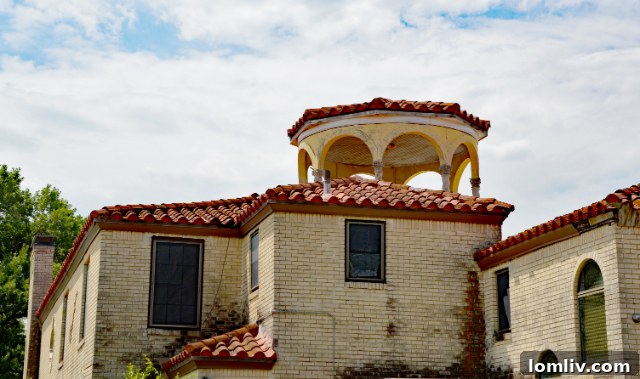
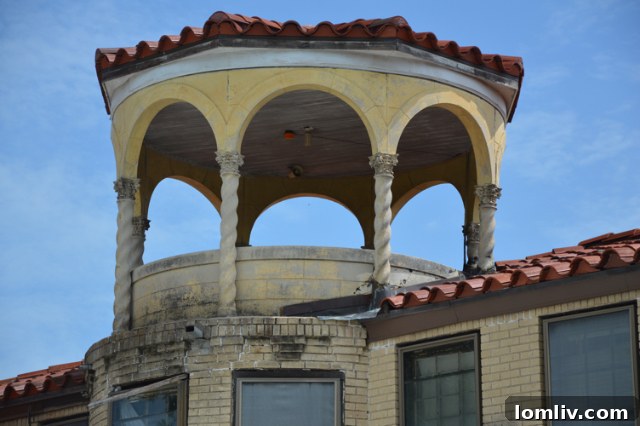
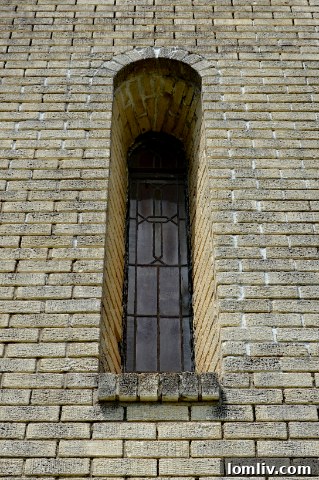
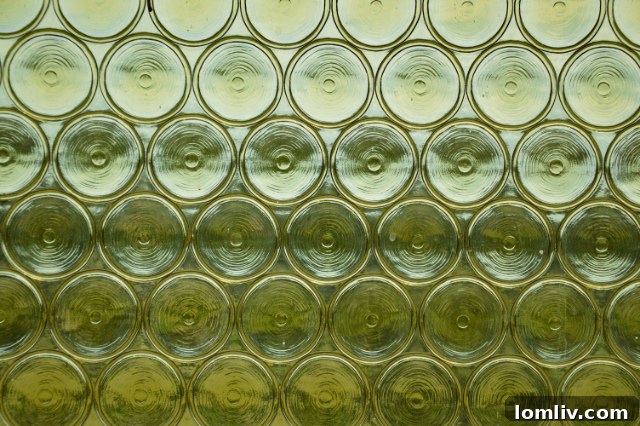
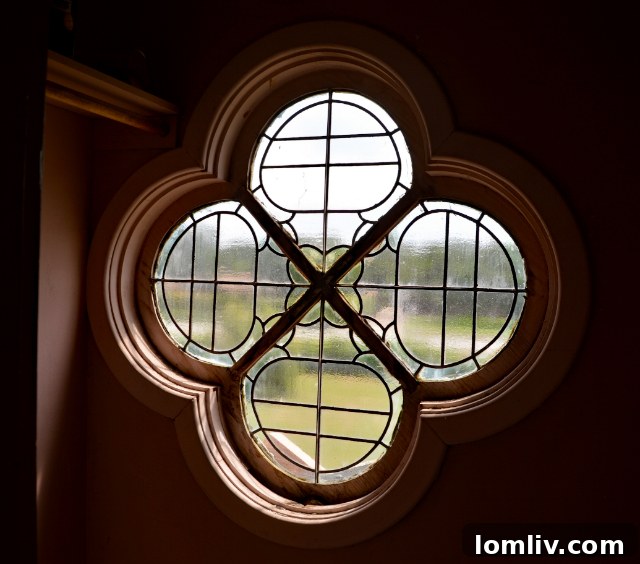
Our photographer, Mimi Perez, and I recently had the privilege of touring The Buckner House, an experience that confirmed its status as a true architectural treasure. Spanning a generous 5,733 square feet, the residence immediately impresses with its magnificent cupola—a feature I envision as the perfect retreat for enjoying a quiet evening with a glass of bubbly, soaking in the breathtaking views that stretch across the landscape. The craftsmanship evident throughout the home is exceptional, particularly in its windows. From intricate stained glass and distinctive bottle glass panels to a stunning quatrefoil window that majestically overlooks the front lawn, each window is a work of art, filtering light and adding character to every room.
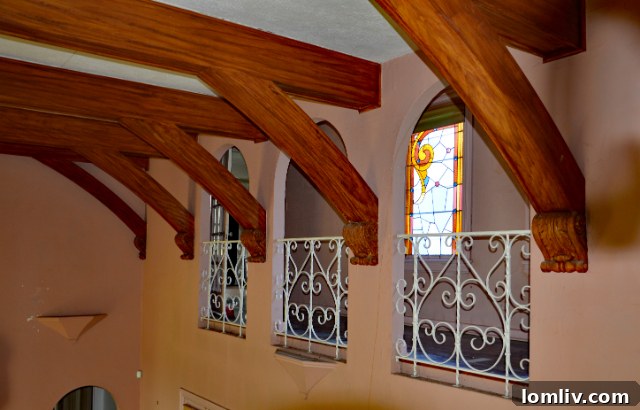
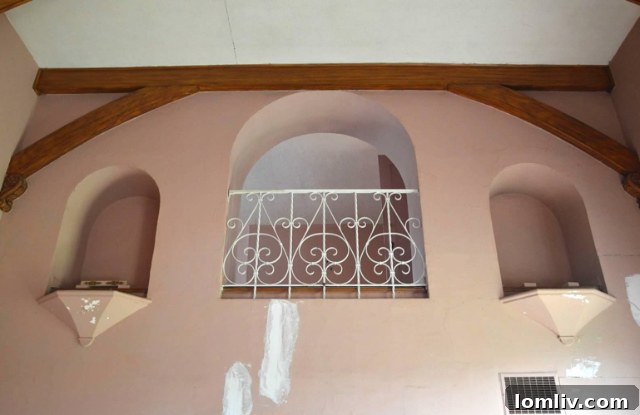
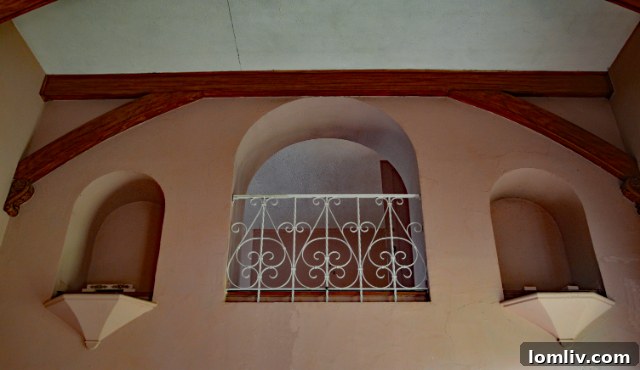
The grand salon serves as the heart of the home, boasting marvelous ceiling beams that lend a sense of history and grandeur. The elegant balcony railings on the second floor gracefully overlook the expansive space below, inviting one to imagine the lively scenes that once unfolded here. Close your eyes, and you can almost hear the faint strains of jazz music, picturing ladies in dazzling flapper dresses twirling across the floor, gentlemen in sharp tuxedos mingling, and perhaps a casual raccoon coat or two draped over the luxurious settees. This house was undoubtedly built for entertainment on a grand scale. The property even featured a sizable pool, though it has since been filled in. One can only imagine the summer soirées, the laughter, and perhaps even some daring skinny-dipping that contributed to the home’s legendary reputation as a vibrant social hub.
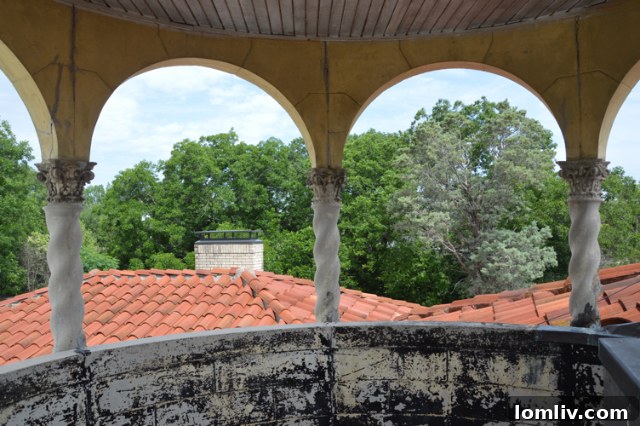
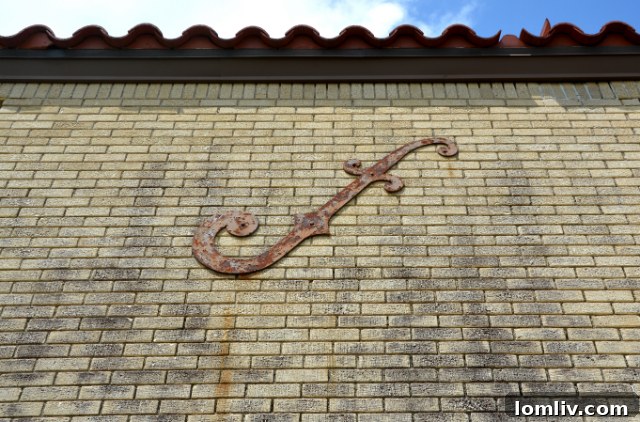
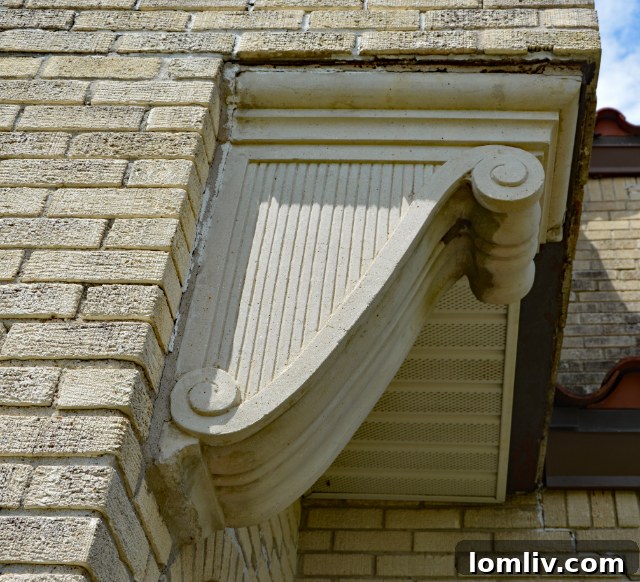
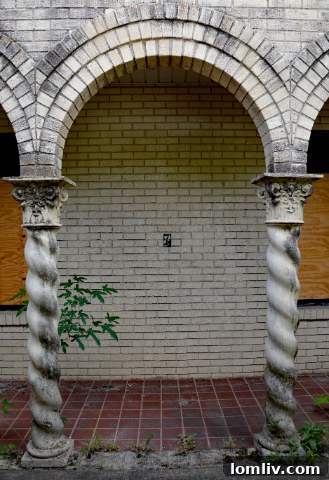
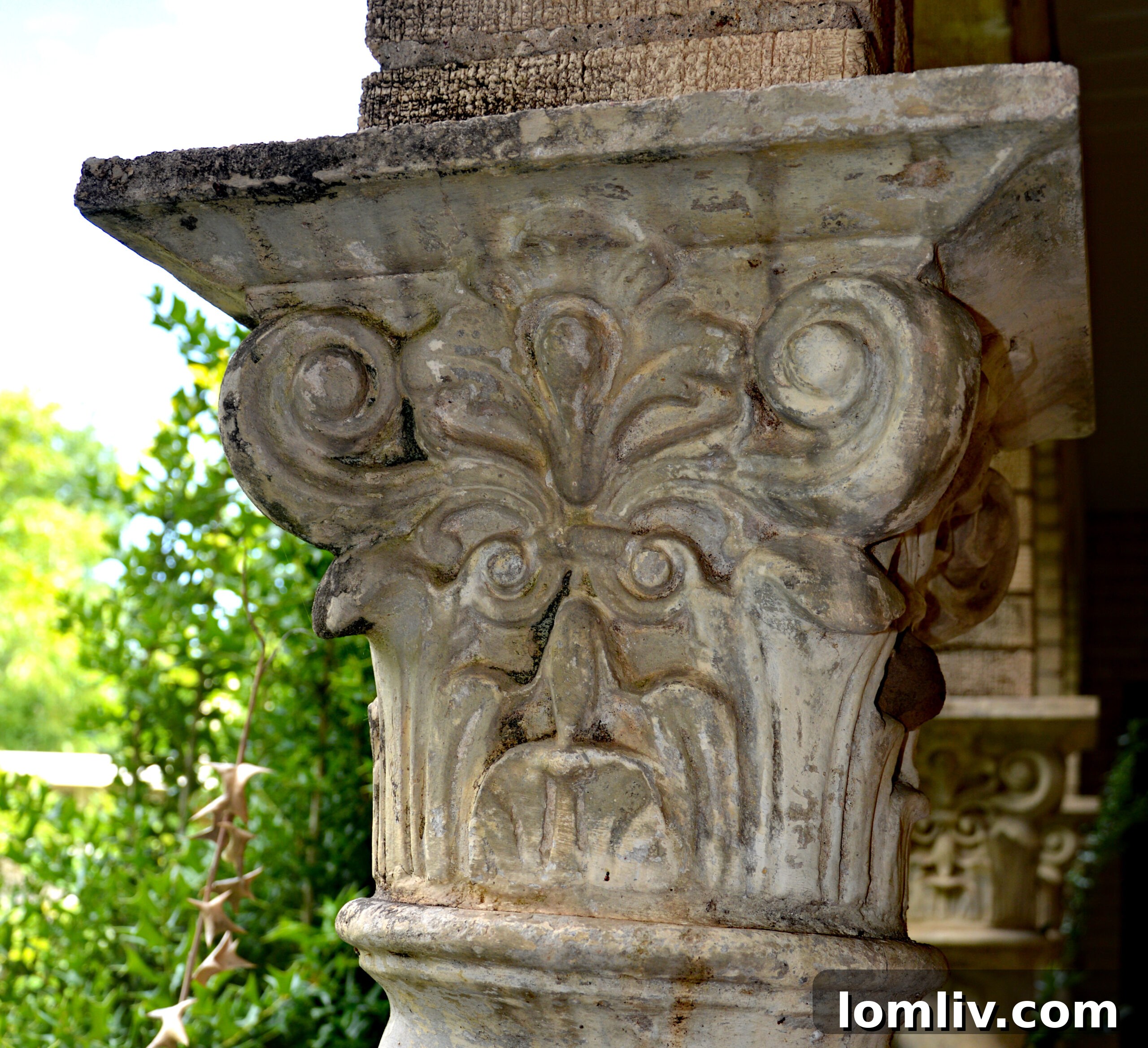
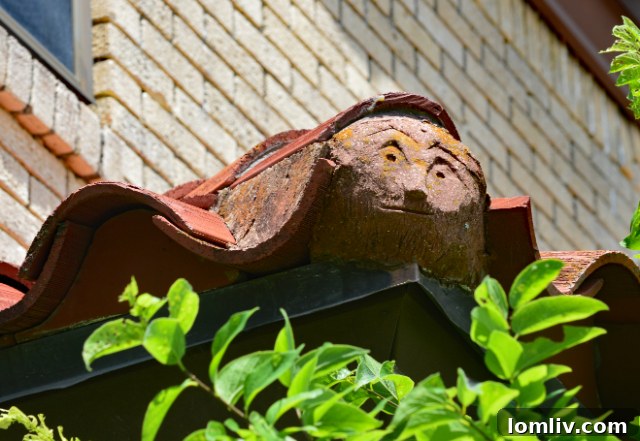
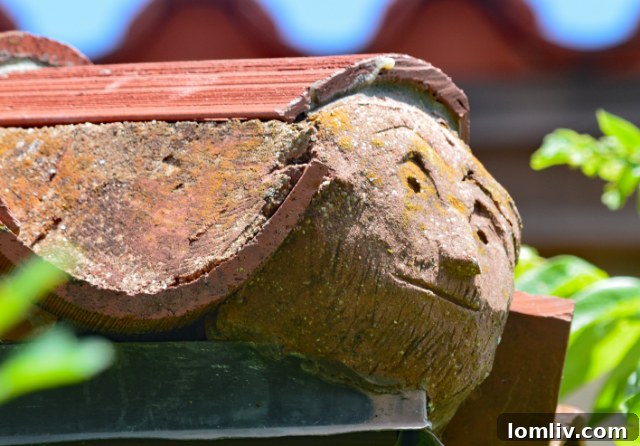
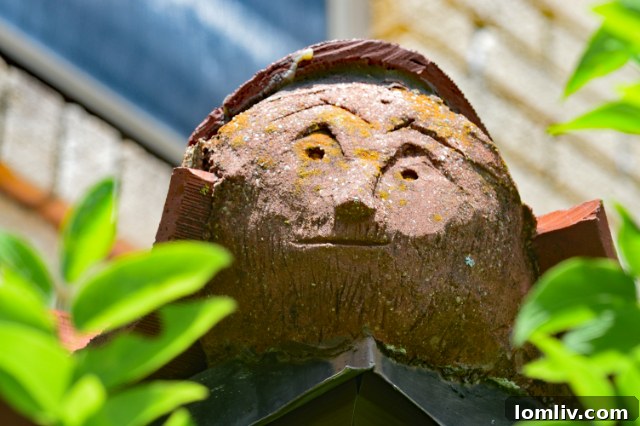
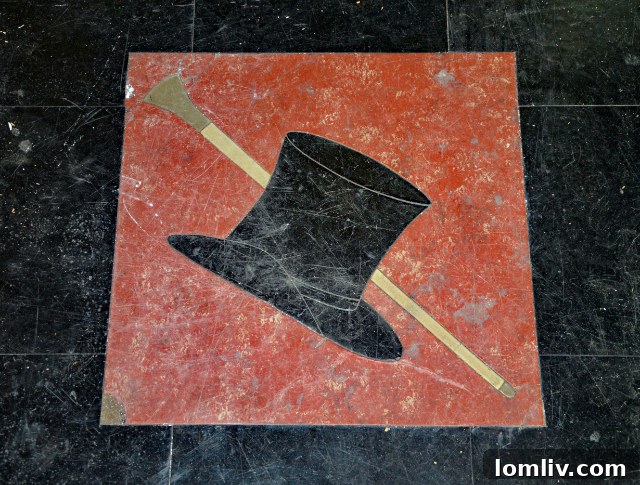
Adding to its unique charm, the exterior of The Buckner House reveals delightful surprises. Intricately carved faces adorn the stone columns, each with its own subtle expression, while another intriguing visage is perched high on a corner of the house, watching over the grounds. Even the former staff quarters exhibit an amusing detail, with a whimsical top-hat design embedded in the linoleum, a testament to the property’s playful side and attention to even the smallest design elements.
A House of Legends: Decades of Dazzling Events and Distinguished Guests
Through dedicated historical sleuthing, it became clear that The Buckner House was not just a home; it was the epicenter of social life in East Dallas for many decades. Its illustrious history began under the ownership of Lee C. Harrison, the president of the Prairie Oil & Gas Company of Dallas. Given that his daughter attended the prestigious Hockaday School, it’s safe to assume this mansion was the backdrop for countless school parties, sophisticated barbecues, elegant teas, and lavish balls. The echoes of teenage laughter and vibrant celebrations certainly permeated these halls, and one can easily surmise that the spirit of spontaneous, joyous gatherings—perhaps even more legendary skinny-dipping—continued throughout Harrison’s tenure.
The tradition of celebrity and cultural prominence continued when John Maxwell acquired The Buckner House in the early 1950s. Bruce McShan of McShan Florists, a respected local historian and community figure, shared fascinating insights. McShan revealed that Maxwell was a close friend of Tom Hughes, the much-revered producer and managing director of the Dallas Summer Musicals from 1962 to 1993. Hughes was instrumental in bringing a galaxy of stars to Dallas, including luminaries like Carol Burnett, Yul Brynner, Ginger Rogers, Katherine Hepburn, and the flamboyant Liberace.
According to McShan, “Some of the stars stayed at the house while working at the music hall.” This revelation paints an even more glamorous picture of The Buckner House. Imagine Hollywood’s elite, Broadway legends, and musical icons finding a discreet and luxurious sanctuary within its walls, far from the prying eyes of the press. This private arrangement offered a perfect escape for celebrities seeking respite during their engagements in Dallas, further cementing the mansion’s reputation as a dwelling steeped in history, mystique, and star power. Each room, each elegant corridor, holds silent witness to a bygone era of glamour and artistic brilliance, making The Buckner House a living museum of Dallas’s cultural past.
The Current Dilemma: A Historic Treasure in Need of Vision
It was with remarkably little fanfare that this profound piece of Dallas history quietly entered the real estate market a few months ago. The subdued listing might seem unusual for such a prominent property, but I suspect the reasons are twofold, each presenting a unique challenge and opportunity. Firstly, the estate sprawls across just over four acres, a substantial parcel of land in East Dallas. While this acreage offers immense potential, it also runs the risk of attracting buyers whose primary interest lies in redevelopment, a scenario that preservationists would understandably consider unsuitable for such a significant historic structure.

Secondly, and perhaps more critically, The Buckner House has stood vacant for approximately 15 years. This extended period of dormancy, while preserving its original character, inevitably means the house requires significant attention and comprehensive restoration. It needs more than just a renovation; it needs an infusion of love, expert care, and a vision that honors its past while preparing it for the future. This is where the educational aspect of historic preservation becomes paramount – the challenge lies in identifying and attracting a suitable buyer, someone who possesses not only the financial means but also a deep appreciation for architectural heritage and the commitment to undertake a thoughtful restoration. To gain deeper insight into this crucial aspect, I consulted with architect Norman Alston, the esteemed President of the Preservation Dallas Board.
The Imperative of Preservation: Insights from Norman Alston
Too often, people dismiss the possibility of restoring historic properties, claiming they lack the know-how or that the costs will be prohibitive and simply not worth the investment. However, if you’re not intimately involved in the restoration and preservation business, you might not be equipped to accurately gauge a property’s true restorability. It’s a common misconception that once a structure appears dilapidated, it’s beyond saving. Yet, almost invariably, with residential buildings that haven’t suffered severe fire damage, they are never too far gone to restore. Buildings possess an inherent resilience that people frequently underestimate. Their original construction often involved robust materials and craftsmanship that stand the test of time remarkably well.
One of the primary challenges I encounter with existing buildings that have been allowed to deteriorate is people’s inability to see beyond their current state. To truly appreciate a historic property, you must cultivate the vision to imagine it as it once was, to peel back the layers of neglect and envision its former glory. There’s a distinct and economically viable approach to bringing a historic building back to life, but it requires specific skills and specialized techniques. We must collectively learn to look at these structures and recognize their intrinsic value.
When you commit to restoring a historic property, what you ultimately create is something far greater than any new construction could offer. This is precisely why television shows about fixing up old houses resonate so deeply with audiences – they highlight the transformative power and unique character that only historic restoration can provide. The passage of time itself is not an indicator of a building’s salvageability. In Europe, preservation is a cultural norm; they salvage, they don’t tear down. Here, we sometimes struggle with making appropriate decisions about existing buildings. Consider the magnificent Baker Hotel in Mineral Wells, for example. It sat vacant and derelict for decades, a forlorn symbol of a forgotten era. Yet, it’s finally undergoing a grand restoration, poised to reclaim its former glory and once again transform Mineral Wells into a sought-after destination. It’s always easy to find someone who will tell you to tear down an old building or a house, but I truly believe we are finally witnessing a cultural awakening, a growing appreciation for the profound value and undeniable charm of the cool buildings from our past.
Norm Alston
The Buckner House: A Cornerstone of Dallas’s Evolving Landscape
Indeed, The Buckner House is not merely a cool building; it’s a profound artifact with an extraordinary history woven into the very fabric of East Dallas. When it was originally constructed in 1925, the area we now know as Casa Linda was a sparsely populated settlement known as Reinhardt. The entire locale was home to only about a hundred people, a stark contrast to the bustling community it is today. It wasn’t until 1945 that this expansive area was officially incorporated into the city of Dallas. Back then, this region was characterized by rolling hills, expansive views, and an untapped potential, offering a pristine canvas for those seeking to establish significant homes away from the urban core. The Buckner House, therefore, stands as a testament to the pioneering spirit of its original owners, who recognized this excellent location for what it was: an ideal setting for a grand estate that would stand the test of time and become a pivotal landmark in the evolving landscape of Dallas.
David Griffin’s Perspective: An Enduring Icon
The profound impact of The Buckner House is not lost on those with a discerning eye for real estate and history, a fact underscored by David Griffin, the esteemed founder of David Griffin & Company Realtors. Griffin recalls, “I’ve always noticed The Buckner House because it was unlike any other house in Dallas. Even as a six-year-old, I thought it was the coolest house.” This early impression highlights the mansion’s unique and captivating presence, a quality that transcends age and experience.
Griffin’s personal connection to the area runs deep; his father once owned the Shamrock Hotel at Buckner and Interstate 30. This meant the family regularly traversed Buckner Boulevard, passing by this memorable estate two or three times a week. This repeated exposure fostered an intimate familiarity with the house, embedding its image into his subconscious and reinforcing its iconic status. From his mature perspective, honed by decades in the luxury real estate market, Griffin eloquently compares the house’s enduring presence to a cinematic masterpiece. “This house has that same presence like that iconic shot in the film Giant, when Rock Hudson and Elizabeth Taylor arrive at Riata, because it is totally unlike any other house in Dallas,” he states. He further elaborates on its significance: “Our own Gatsbys built homes like this, and few of them have survived. When people build extraordinary things, they become a part of the fabric of who we were, where we’ve been, and the dreams of the people of that era.” Griffin’s words encapsulate the essence of The Buckner House—it’s not just a structure; it’s a living piece of Dallas’s history, a testament to the aspirations and achievements of a bygone era that continues to shape our cultural identity.
Investing in History: The Visionary Buyer for The Buckner House
As we delve into the profound historical and architectural significance of The Buckner House, it becomes unequivocally clear why the selection of its next owner is of paramount importance. This is not merely a transaction; it is an entrustment. The ideal buyer must be someone who deeply understands and reveres not only the rich history of Dallas itself but also the captivating saga woven into every stone and beam of this particular home. Beyond a mere appreciation for its past, a truly suitable steward will possess a keen awareness of the significant property tax incentives and other benefits that accompany the preservation of such a landmark estate. These incentives are designed to encourage and support the meticulous restoration and ongoing maintenance of historic properties, making the vision of a dedicated preservationist not just admirable, but also economically intelligent.
The opportunity to breathe new life into The Buckner House—to meticulously restore it to the grand, resplendent estate it once was—is a rare privilege. It calls for a visionary, someone with the resources, the passion, and the commitment to honor its legacy while ensuring its future. This iconic Mediterranean mansion is more than just a house; it’s a cornerstone of East Dallas’s architectural heritage, a canvas awaiting a new chapter, and a testament to the enduring power of preservation. The future of The Buckner House hinges on finding that exceptional individual who will embrace this honor and love it back into its deserved splendor.
Stephanie Connelly of the Brent King Group has The Buckner House at 1425 N. Buckner Blvd. offered for sale at $3.45 million.