The past year has undeniably left an indelible mark on our collective consciousness, redefining what we value and how we connect. For many, the profound impact of global events brought about a sense of loss—not just of routines and public gatherings, but a deeper, more intrinsic deprivation: the erosion of community bonds. The familiar rhythm of life, punctuated by shared experiences and spontaneous interactions, gave way to a world of social distancing and isolation. Concert halls fell silent, vibrant dining rooms stood empty, and even simple errands became exercises in navigation through queues and masked faces.
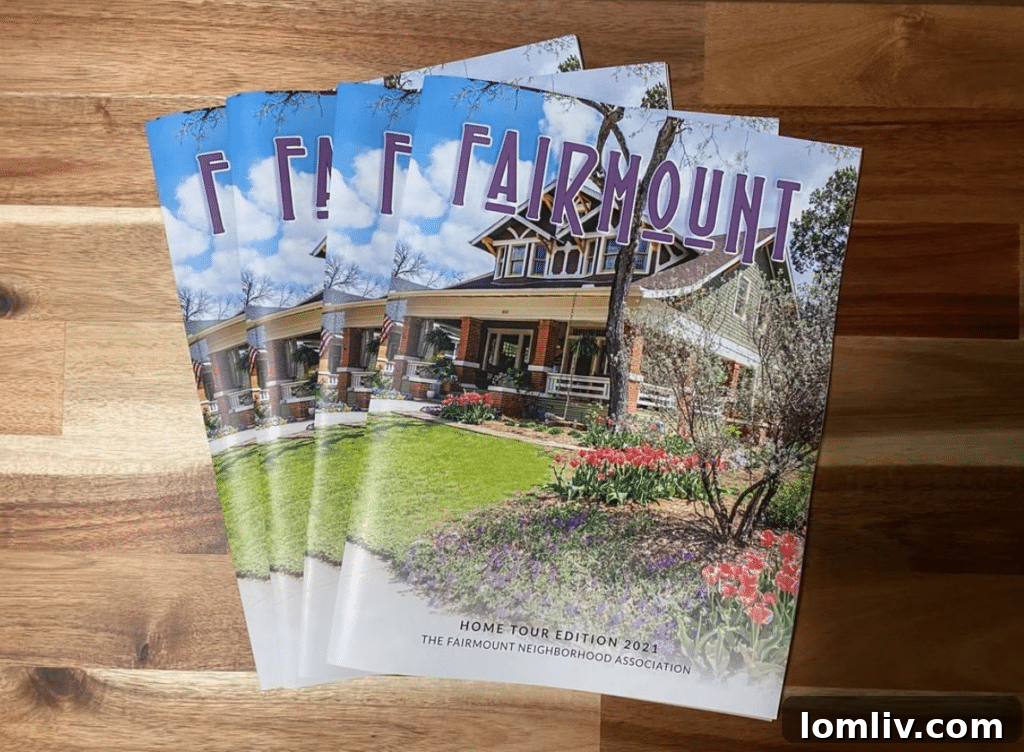
Yet, amidst these challenges, the enduring spirit of community has shone through, nowhere more brightly than in the storied streets of Fort Worth’s National Historic District of Fairmount. Renowned throughout the Dallas-Fort Worth area for its exceptionally strong neighborhood cohesion, Fairmount stands as a testament to the power of collective identity. The eagerly anticipated return of the Fairmount Home Tour is more than just an event; it’s a jubilant affirmation, a vibrant symbol of life’s gradual return to a cherished sense of normalcy and renewed communal spirit.
A Revitalized Tradition: The 39th Annual Fairmount Home Tour
While the world slowly inches back towards full normalcy, the Fairmount Home Tour committee has embraced innovation, adapting its beloved tradition to create an experience that is both safe and exceptionally memorable. This year marks a significant departure from tradition, with the 39th Annual Home Tour shifting from its usual Mother’s Day weekend slot to Father’s Day weekend. This change, born out of necessity, highlights the resilience and flexibility of the Fairmount community, demonstrating their unwavering commitment to sharing their unique heritage.
In a creative response to contemporary considerations, this year’s tour reimagines the classic home showcase as an immersive “porch and patio tour.” While visitors might forgo the traditional interior critique of housekeeping and decor, they are instead invited to revel in the meticulously crafted outdoor spaces that grace these historic residences. This format offers a unique perspective, allowing guests to appreciate the architectural grandeur and charming details of Fairmount’s homes from a fresh, engaging vantage point. The committee’s ingenuity ensures that this year’s event remains a special and deeply rewarding experience for all who attend.
Beyond simply opening up porches, the organizers have truly gone the extra mile to infuse the tour with an unparalleled sense of charm and historical depth. A record sixteen houses will be featured, strategically arranged in easy-to-walk clusters to enhance visitor convenience and encourage leisurely exploration of the neighborhood’s tree-lined streets. What truly sets this year’s Fairmount Home Tour apart is its innovative “living history” element. Furnished porches will transform into intimate stages, where talented actors will breathe life into the past, impersonating some of the most memorable and influential original owners of these very homes. This immersive storytelling approach promises to captivate audiences, offering a captivating glimpse into the lives and legacies intertwined with Fairmount’s rich architectural fabric.
Echoes of the Past: Notable Residents and Their Enduring Legacies
“This year’s tour will focus as much on noteworthy past owners as the houses,” confirms David Westy, whose own elegant College Avenue home is proudly featured on the tour. This emphasis on human stories truly elevates the Fairmount Home Tour beyond a mere architectural display, transforming it into a vibrant narrative of local history and societal progress.
Clota Terrell Boykin: A Champion for Women’s Rights and Community Well-being
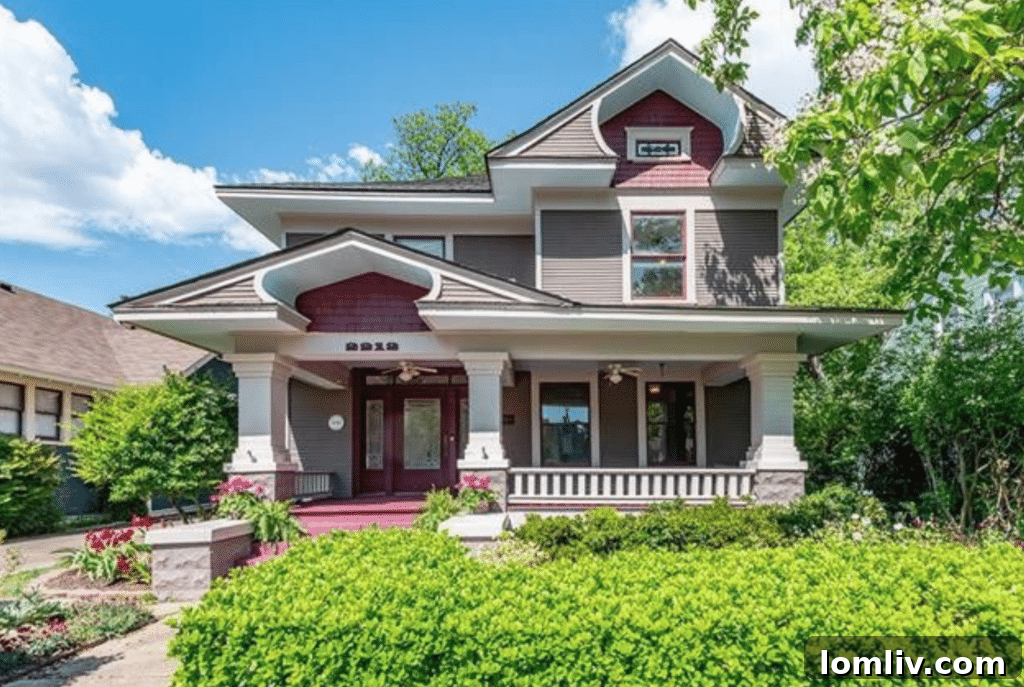
Among the distinguished residents brought to life is Clota Terrell Boykin, who once resided in the magnificent home at 2212 College Avenue, built in 1909. Boykin was not merely a resident; she was a trailblazer, a prominent figure in the women’s suffrage movement in Texas and a tireless advocate for social change. Her impressive resume includes serving as president of the Fort Worth Equal Suffrage Club, where she passionately campaigned for women’s right to vote. Following this pivotal victory, her commitment to civic engagement continued as she led the League of Women Voters, an organization dedicated to empowering informed and active participation in government. Her influence extended into the political sphere, marking a significant milestone when she became the first woman delegate ever elected to the Texas Democratic Convention. Her legacy, however, is not confined to politics alone. In a profound act of community service, Boykin, alongside other visionary women leaders, established the Fort Worth Baby Hospital in 1918—an institution that would eventually evolve into the renowned Cook’s Children’s Hospital, continuing to serve generations of children and families.
Ernest “Soapy” Gilliam: From Soap King to Beloved Neighbor
Another colorful personality whose story will be vividly retold on the porch of his former home is Ernest (Soapy) Gilliam. The founder of Gilliam Soap Works, Gilliam built a significant fortune through his entrepreneurial endeavors. His story offers a compelling contrast to contemporary notions of success. In an era where 10,000-square-foot mansions are increasingly common, it’s insightful to consider that many of Fort Worth’s most influential “movers and shakers,” like Gilliam, were content to choose the charming, human-scaled bungalows of Fairmount as their homes during the neighborhood’s heyday. This preference speaks volumes about Fairmount’s intrinsic appeal: a blend of architectural beauty, a strong sense of community, and a quality of life that transcended mere ostentation. These homes, often built with meticulous craftsmanship, offered comfort, character, and a connection to a thriving, close-knit urban village.
As David Westy eloquently states, “It’s the people that make the difference in Fairmount.” This sentiment is woven into the very fabric of the neighborhood’s history, showcasing a community built on shared values, mutual respect, and a profound appreciation for its unique heritage. Fairmount has always been more than just a collection of houses; it’s a living, breathing testament to the power of community.
Fairmount’s Green Havens: Gardens of Creativity and Resilience
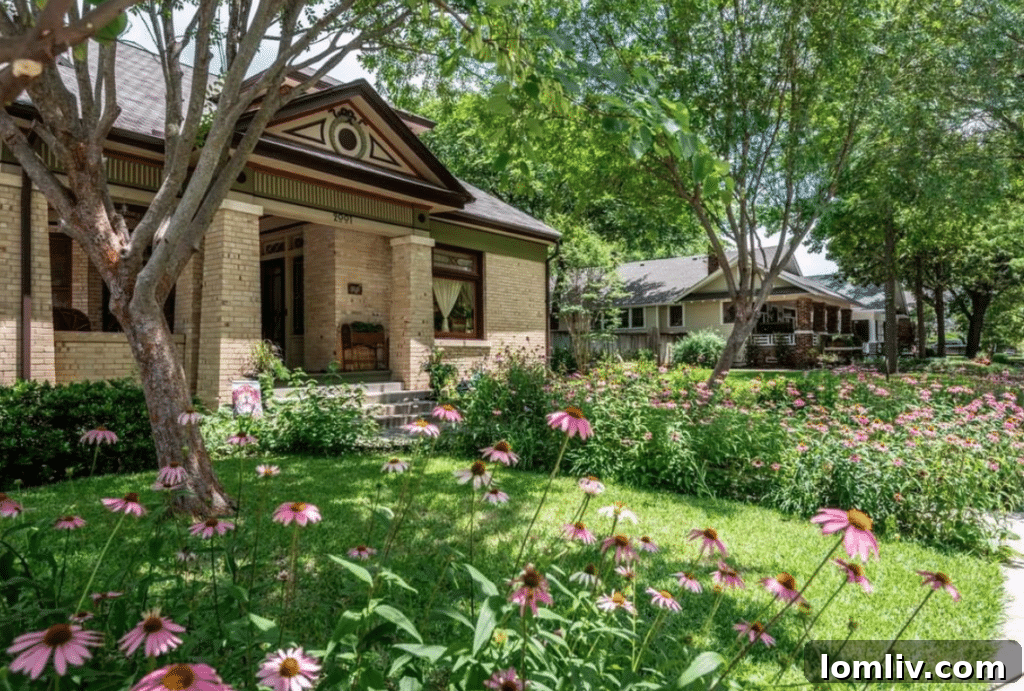
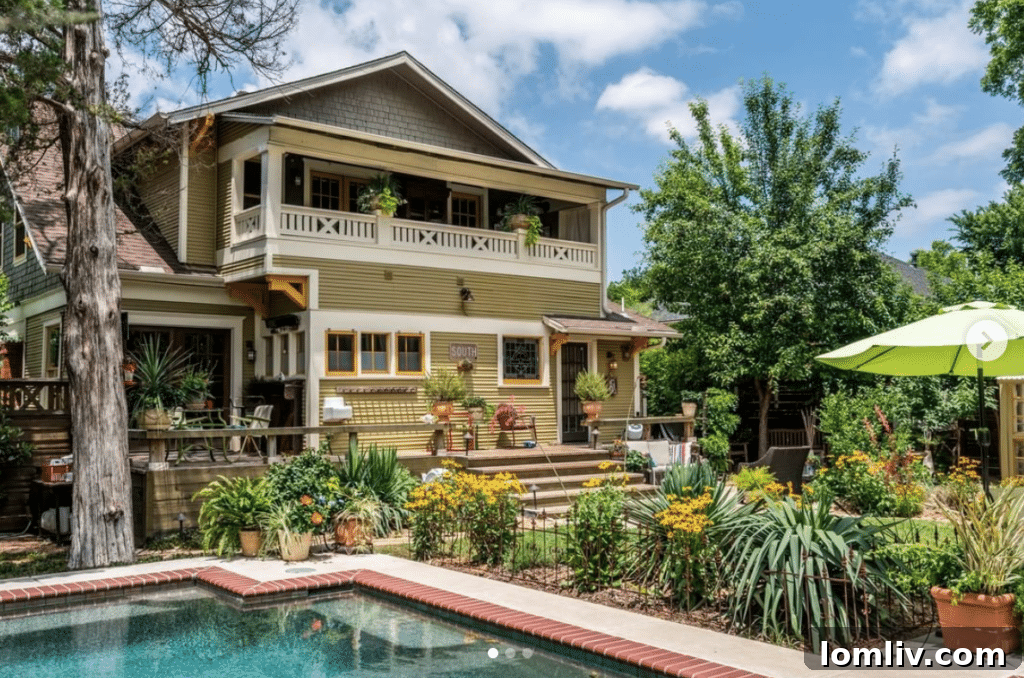
Beyond the historic structures themselves, the Fairmount Home Tour also shines a spotlight on the verdant sanctuaries that complement these architectural treasures: the neighborhood’s enchanting gardens. These outdoor spaces are not just decorative; they are extensions of the homes, reflecting the creativity and personal philosophies of their owners. One particularly noteworthy example is the “South Adams oasis” meticulously crafted by homeowner Todd Edson. His story is one of innovation born from adversity and a deep reverence for nature.
Edson originally owned two adjacent houses on South Adams. Four years ago, an unfortunate incident occurred when a truck struck one of them, dislodging it from its foundation. Faced with a daunting challenge, Edson made a bold and inspiring decision: instead of rebuilding conventionally, he chose to dismantle the damaged house. Demonstrating remarkable foresight and a commitment to sustainability, he repurposed a significant portion of the salvaged materials—wood, bricks, and other elements—to construct an elegant fence and a charming pergola, thereby transforming his enlarged garden space into a truly unique and sustainable haven. This act of creative reuse not only minimized waste but also imbued his garden with a narrative of resilience and transformation.
“I throw a bunch of seeds and see what happens. I let nature take over and let plants grow where they want to grow,” Edson explains, his gardening philosophy echoing the naturalistic approach championed by the famous English gardener and writer Vita Sackville-West. This philosophy embraces the wild beauty of plants, allowing them to flourish organically, creating a dynamic and evolving landscape that feels both cultivated and wonderfully untamed. Edson’s garden, with its thoughtful design and sustainable practices, perfectly encapsulates the ingenuity and community-minded spirit that defines Fairmount. It serves as an inspiring example of how challenges can be transformed into opportunities for beauty and environmental stewardship.
The Enduring Legacy of Southside Preservation Hall: A Community Anchor
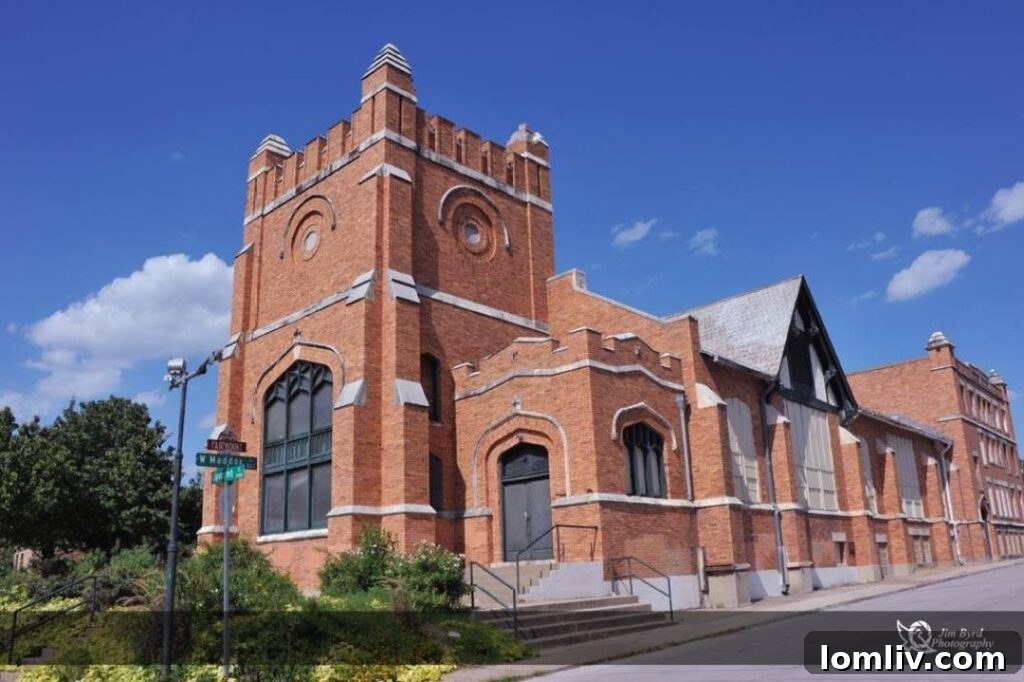
While the tour predominantly focuses on external views, one remarkable interior space open to the public is the magnificent Southside Preservation Hall. This historic edifice, often described as having “more lives than a cat,” stands as a powerful symbol of Fairmount’s dedication to historical preservation and community revitalization. Its journey began in 1910 as a humble Methodist church, gradually evolving and expanding until 1954, serving as a spiritual cornerstone for decades. In 1972, it embarked on a new chapter when it was acquired by the Panther Boy’s Club, continuing its role as a vital community gathering place, particularly for the youth.
The resilience of this structure, and indeed the spirit of Fairmount, was truly tested in 1995 when the building faced the threat of demolition. In a remarkable display of civic activism, the Fairmount community rallied together, forming the Southside Preservation Association. Their collective efforts successfully prevented its destruction, ensuring that this architectural gem would continue to serve the neighborhood. Today, thanks to extensive preservation and revitalization efforts, the rejuvenated Southside Preservation Hall thrives as a popular and picturesque wedding venue, its historic charm providing a unique backdrop for countless celebrations. Beyond its role in private events, prior to the recent global health crisis, the hall was a beloved host for vibrant “First Friday Swing Dances,” drawing a lively, diverse crowd and fostering intergenerational connections through the joy of music and dance. This multi-faceted use perfectly embodies the hall’s enduring spirit as a dynamic community hub, connecting past, present, and future within the heart of Fairmount.
Experience the Spirit of Fairmount: Join the Home Tour Festivities
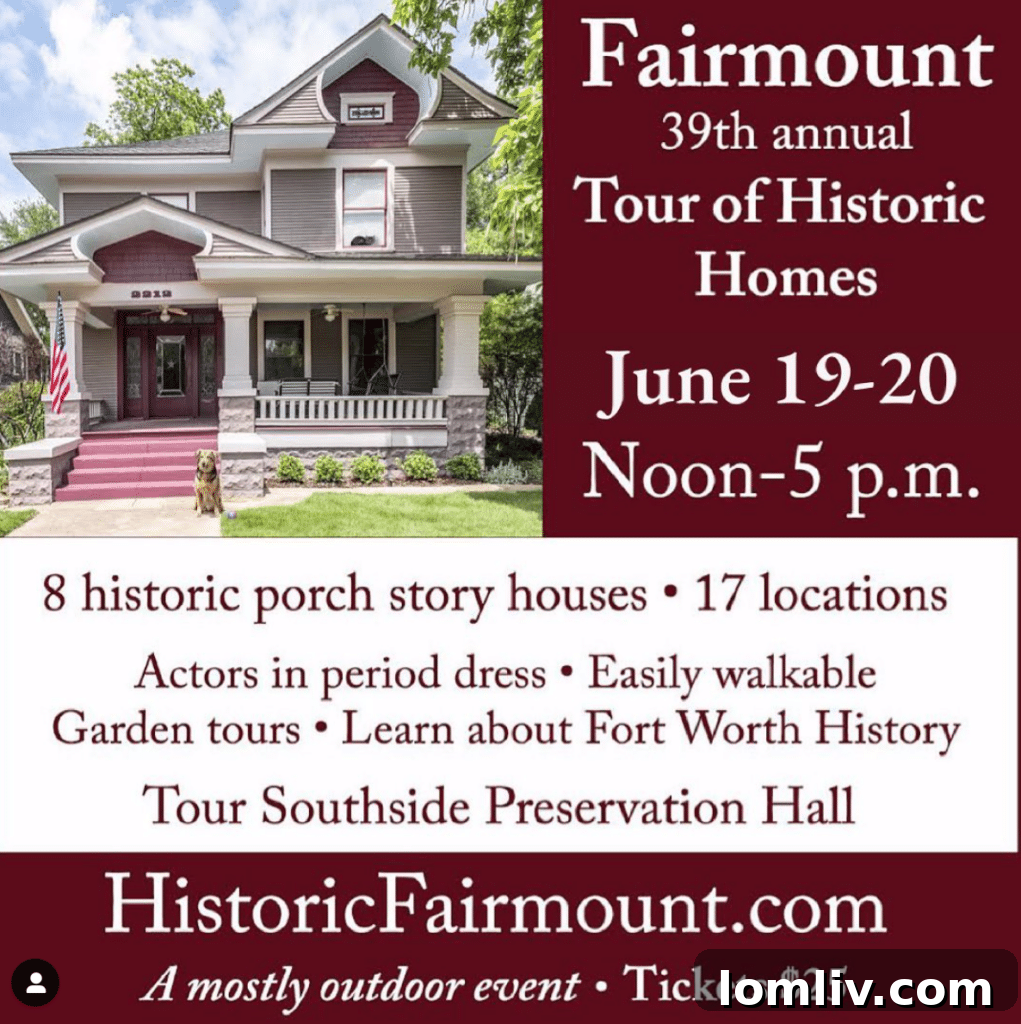
The 39th Annual Fairmount Home Tour promises to be an exceptional celebration of history, architecture, and the vibrant community spirit that defines this iconic Fort Worth neighborhood. This year’s event offers a unique opportunity to immerse oneself in living history, explore innovative gardens, and witness the enduring charm of Fairmount’s beloved homes. It’s an invitation to reconnect with the rich tapestry of local heritage and support the ongoing efforts of historic preservation.
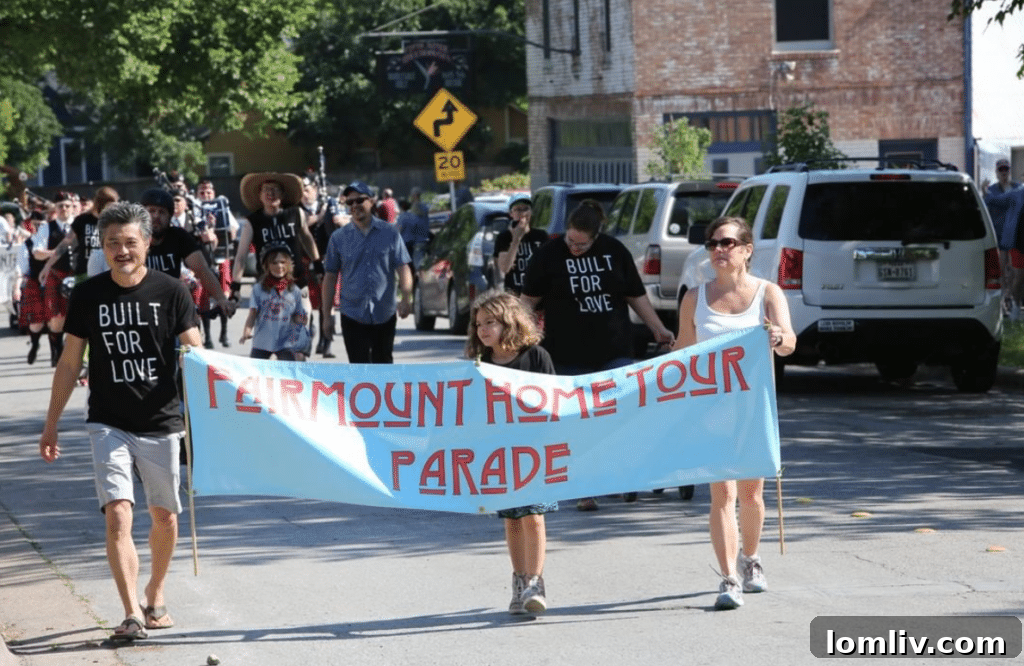
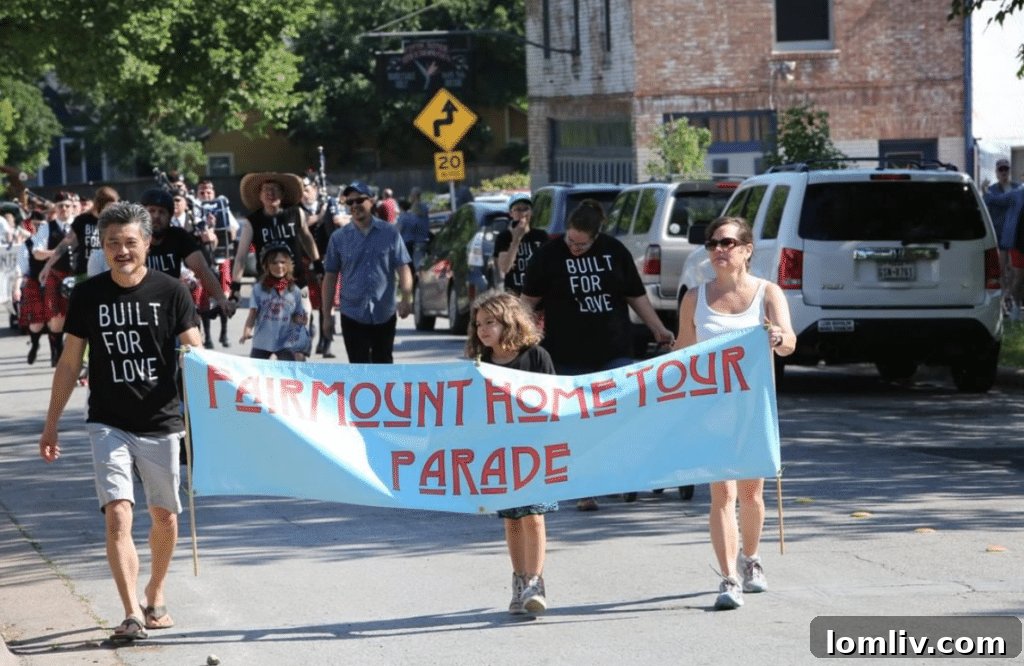
Festivities for this much-anticipated event are set to begin on Saturday, June 19th, commencing at 10 a.m. with a lively and engaging parade—a delightful spectacle that sets the tone for a day of discovery and community camaraderie. The official home tours will run from noon to 5 p.m., providing ample time for visitors to explore the sixteen featured homes and their captivating stories. This Father’s Day weekend, make plans to experience the unique charm and historical depth of Fairmount. Whether you’re a history buff, an architecture enthusiast, a gardening aficionado, or simply someone looking to enjoy a vibrant community event, the Fairmount Home Tour offers an unforgettable experience. Come and witness firsthand how this remarkable neighborhood continues to thrive, adapting traditions while honoring its profound past.
A special acknowledgment and heartfelt thanks are extended to the multi-talented Stacey Luecker for providing the stunning photography and generous support that helped bring this piece to life. Her artistry beautifully captures the essence of Fairmount and its captivating stories.