By David Preziosi
Executive Director, Preservation Dallas
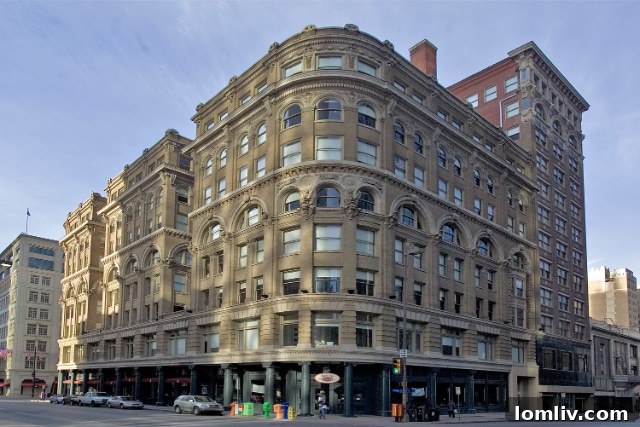
For Dallas to effectively safeguard its invaluable architectural heritage and the places that tell its unique story for future generations, a systematic and comprehensive approach is essential. This crucial endeavor begins with the meticulous identification of historically significant buildings, pinpointing their exact locations, and delving into their profound importance to the city’s growth and history. Such a process is meticulously undertaken through a Historic Resources Survey, a vital tool that methodically documents and maps these treasured historic structures.
Over several decades, various surveys have been conducted across different neighborhoods of Dallas, each contributing to our understanding of its evolving urban landscape. For nearly two years, an extensive new survey has been actively underway, specifically focusing on the vibrant cores of Downtown Dallas and the culturally rich district of Deep Ellum. The primary objective of this current effort is to update and expand upon previous assessments, accurately identifying buildings that now meet the criteria for historic designation. According to established guidelines, a building must typically be at least 50 years old to qualify as historic and must retain a significant degree of its original integrity, meaning its primary design features and character-defining elements remain largely intact. This means that many buildings constructed in the 1970s are now entering the realm of historic significance, highlighting the ongoing need for updated documentation.
Unlocking the Value of Dallas’ Built History Through Surveys
A contemporary and thorough Historic Resources Survey serves as an indispensable roadmap, guiding property owners and developers towards the substantial local, state, and federal incentives available for the rehabilitation and adaptive reuse of historic properties. To access these valuable programs, buildings must not only possess historic merit but also typically be listed on the prestigious National Register of Historic Places.
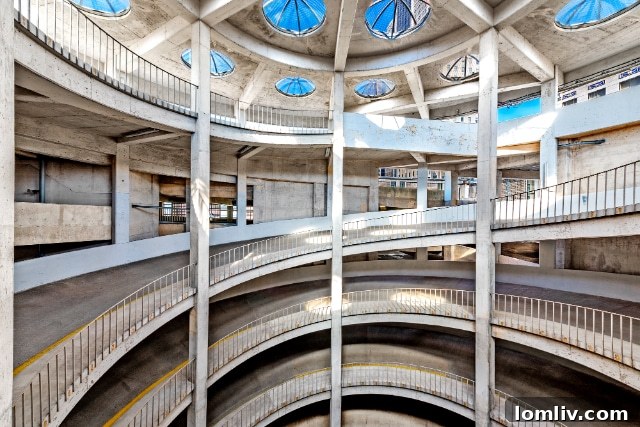
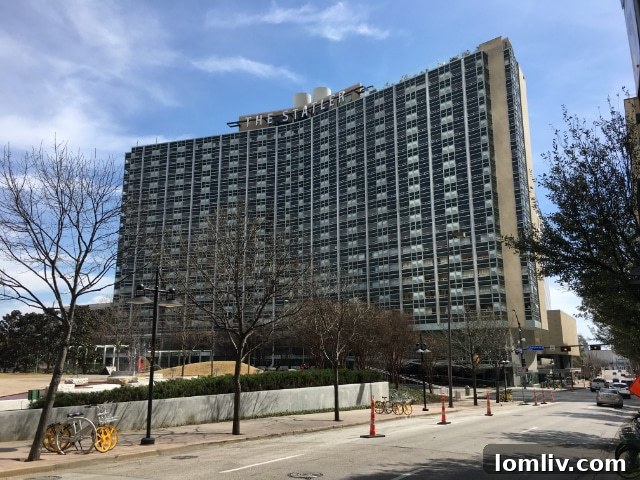
Dallas has consistently demonstrated its commitment to preservation, leading the entire state in the successful utilization of historic preservation incentives. Since the turn of the millennium in 2000, over $1.5 billion has been strategically invested in historic rehabilitation projects across the city. These transformative initiatives have breathed new life into countless vacant or underutilized buildings, converting them into vibrant assets. Notable success stories include the spectacular revitalization of The Statler, the majestic Old Dallas High School, the significant Knights of Pythias Temple (now The Pittman), the elegant Lone Star Gas Lofts, the robust Dallas Power and Light Building, and the monumental First National Bank (now known as The National, representing the largest preservation tax credit project undertaken in Texas to date). These examples are just a few among many that underscore the profound impact of preservation.
The economic benefits of these projects are undeniable. Each rehabilitated building is now contributing significantly to the city’s tax base, boasting dramatically higher assessed values. More importantly, these revived structures are generating new employment opportunities, attracting residents and businesses, and funneling substantial additional tax revenue back into the city’s coffers. None of these remarkable achievements would have been possible without the initial, crucial step of identifying these structures as historic, deeming them worthy of preservation, and subsequently listing them on the National Register of Historic Places to unlock the essential financial incentives.
From Loss to Legacy: Catalyzing Action for Dallas’ Heritage
It is a stark irony that the genesis of the current, proactive historic resources survey stems from a series of unfortunate and unexpected demolitions that occurred in Downtown Dallas in 2014. These tragic events unfolded during a Sunday Cowboy’s game, catching many off guard. The sight of wrecking balls tearing through century-old buildings, some already proudly listed on the National Register of Historic Places, ignited widespread anger and frustration within the community. The absence of any public notice regarding these demolitions, coupled with a complete lack of discussion about potential alternatives, underscored a critical gap in the city’s preservation protocols. The wanton destruction of irreplaceable elements of Downtown Dallas’ historic fabric was a wake-up call.
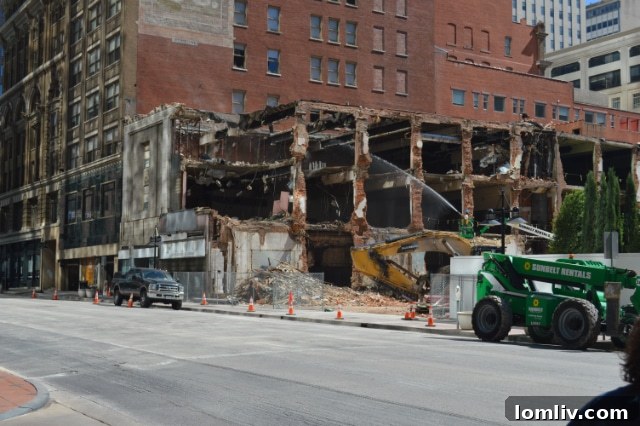
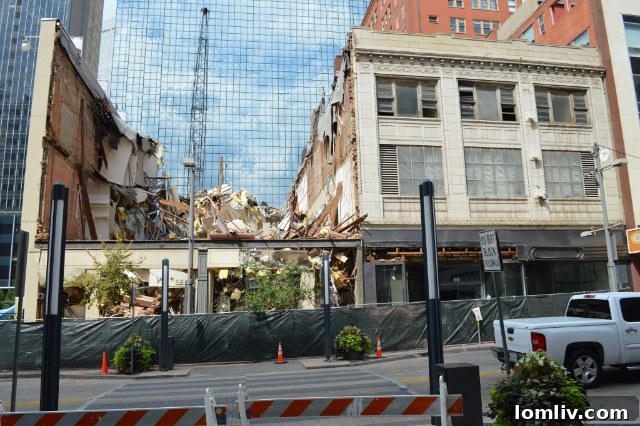
In direct response to this profound loss, the City of Dallas swiftly moved to establish a Downtown Dallas Historic Preservation Task Force. This esteemed body was charged with a vital mission: to diligently study and propose effective strategies for enhancing the protection of historic buildings across the city. Over several months, the task force engaged in extensive deliberations, culminating in the presentation of nine comprehensive recommendations. Among these, a groundbreaking proposal was the establishment of a demolition delay process for historic properties. This crucial measure, designed to provide a window for alternatives and public input before demolition, was officially adopted in 2015 for Downtown Dallas and a significant portion of Oak Cliff. Its success led to its expansion in 2018, encompassing additional areas of Old East Dallas and a larger section of Oak Cliff, marking a pivotal shift towards proactive preservation.
A New Era of Preservation: The State-of-the-Art Historic Resources Survey
Another paramount recommendation from the Task Force was the urgent need to “conduct a new, state-of-the-art survey of Greater Downtown as a base layer for direction, to establish preservation priorities, and to provide a tool for existing and future planning.” This recommendation recognized that the city’s approach to preservation needed to evolve beyond individual structures.
The Task Force’s report eloquently emphasized the expanded vision for this new survey:
“An updated survey is needed, one which takes a broad view of our city’s urban context beyond buildings, to identify remnants of disappearing urban fabric, thematic structures that define an area’s character, and prominent built features of the city. The use of new technology provides opportunities to capture the larger street fabric so that the benefits of preservation can reach a larger segment of the community, contribute to public health and welfare, and allow the city to act in a proactive rather than reactive way.”
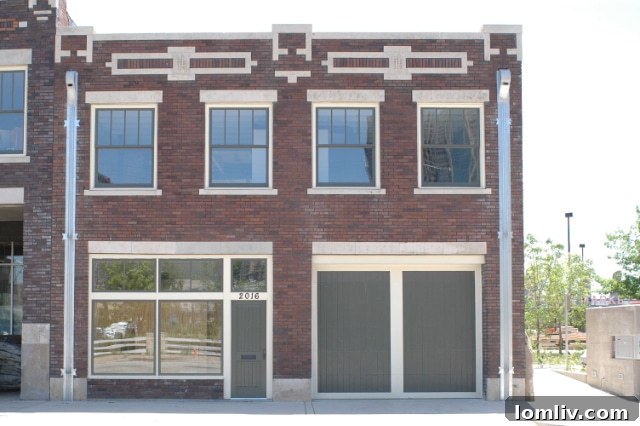
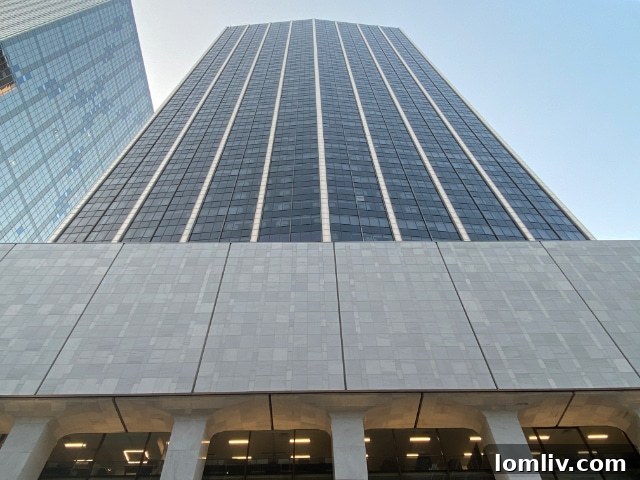
The last comprehensive survey of Downtown Dallas, completed in 2003, had become woefully outdated, primarily due to the “50-year rule” for historic consideration. This rule meant that many more buildings in Downtown Dallas had now crossed the threshold into historic status since 2003, particularly the numerous exquisite Midcentury-era buildings constructed during the bustling 1950s and 1960s. These architectural gems, once considered modern, are now cherished examples of Dallas’s recent past, deserving of recognition and protection.
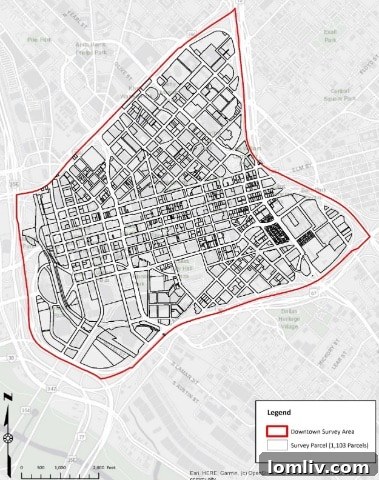
Nearly five years after the city formally adopted the Task Force recommendations, a significant milestone was reached in June 2020. The Dallas City Council enthusiastically approved an allocation of $100,000 to initiate a new, critical Historic Resources Survey for Downtown Dallas. Preservation Dallas played an instrumental role in bolstering this effort, successfully raising an additional $95,000 from key partners, including Downtown Dallas, Inc., the Summerlee Foundation, the Hoblitzelle Foundation, and the National Trust for Historic Preservation. This collective fundraising demonstrated a strong, unified commitment to the project, effectively matching the city’s initial investment.
Following a rigorous Request for Proposal (RFP) process, the highly respected Austin-based consulting firm, HHM & Associates, was selected to undertake this monumental survey. HHM is no stranger to the intricate urban fabric of Dallas, having completed numerous significant surveys over the years for various districts within the city, as well as across the wider state of Texas. Their expertise and deep understanding of Texas’s architectural heritage made them the ideal partner for this crucial endeavor.
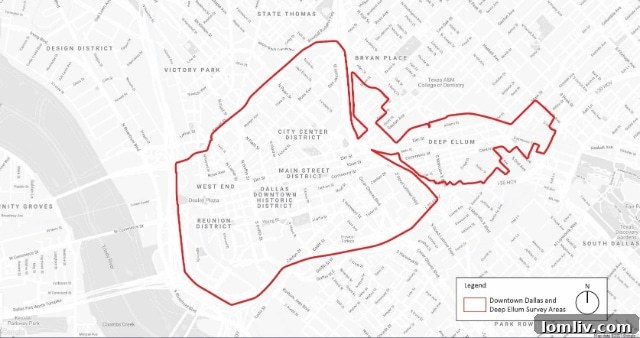
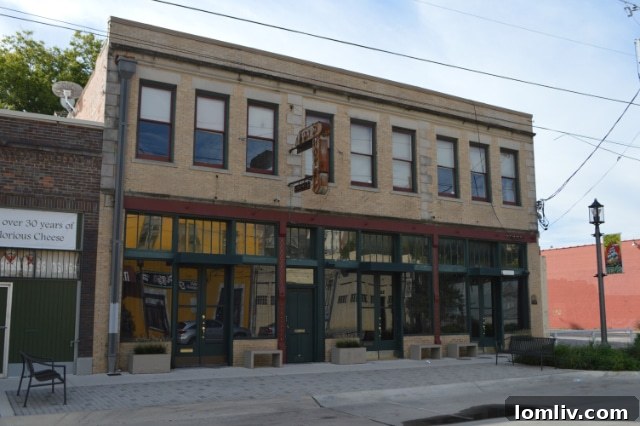
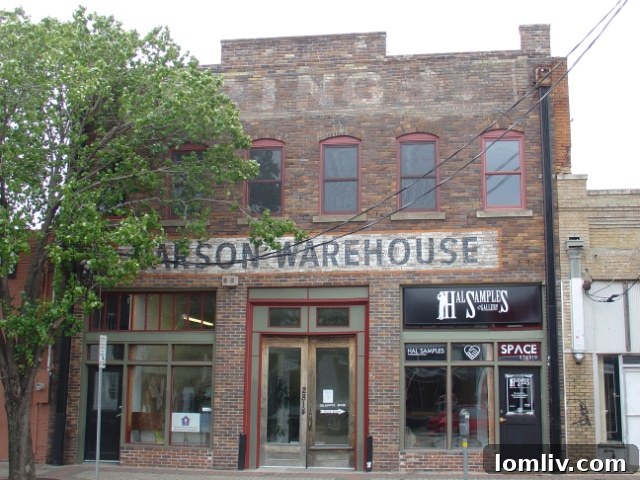
The intensive fieldwork phase of the survey commenced in the fall of 2020. HHM’s dedicated consultants meticulously traversed every street in Downtown Dallas, systematically photographing buildings, meticulously documenting their current condition, assessing their historic integrity, and identifying other crucial elements such as distinctive streetscapes, public parks, plazas, and significant public art installations. All this invaluable information was then carefully digitized and integrated into a robust database, forming a comprehensive digital archive of Dallas’s built environment.
During the process of finalizing the total number of resources to be surveyed in the field, the consultants made an exciting discovery: there were fewer buildings to survey within the initial scope than originally anticipated. This efficiency allowed for a remarkable expansion of the survey’s reach to include the historically rich district of Deep Ellum, which was not part of the initial scope of work. This news was met with immense enthusiasm by the City of Dallas, Preservation Dallas, and the Deep Ellum Foundation alike. Deep Ellum, with its vibrant history rooted in music, commerce, and culture, boasts an incredible array of important historic buildings that urgently required surveying and updating from any previous, less comprehensive assessments. The fieldwork in Deep Ellum was successfully completed in early 2021, marking a significant achievement in capturing the essence of this unique neighborhood.
As an integral component of this expansive project, HHM also undertook extensive research and authorship of a series of 22 citywide thematic historic context statements. These critical documents are designed to guide future evaluation efforts and facilitate the informed designation of historic resources across Dallas. These themes span a broad spectrum of Dallas’s development, ranging from the profound influence of Railroads, the transformative impact of Urban Planning and Renewal, and the pivotal role of Banking and Finance, to the enduring legacy of the Civil Rights Movement. Each context statement provides in-depth information specific to its topic, elucidating how these themes relate to Dallas’s historic resources and its overall development. They are further enriched with supplementary figures, tables, and maps, providing a comprehensive visual and textual narrative to support the discussion on each vital topic.
Your Voice Matters: Be a Part of Saving Dallas History
Both the comprehensive Historic Resources Survey Report and the accompanying Historic Context Statement drafts have been successfully completed by the consultants and are now made readily available for public review and commentary. This public engagement phase is vital, ensuring that the final documents reflect community input and historical accuracy. To facilitate this, Preservation Dallas and the Office of Historic Preservation will co-host a virtual public meeting on Feb. 15 at 6 p.m. This online event offers a unique opportunity for members of the public to provide valuable feedback, ask pertinent questions, and engage directly with the drafts of both the Historic Survey Report and the Historic Context Statements for Dallas.
The draft survey and statements are conveniently accessible for your review by clicking on the links provided below:
Volume I – Dallas Downtown and Deep Ellum Survey Report
Volume II – Dallas Historic Context StatementsFor those who prefer to submit their comments electronically, a dedicated Google Survey form has been created for your convenience and can be accessed via the link below:
Survey Report and Context Statements Comment Form
It is imperative that all comments be submitted by midnight on Feb. 15 to ensure their inclusion and consideration in the final draft of these crucial reports.
To join the Zoom virtual meeting and participate in the discussion, please use the following link:
Zoom Meeting Link
Meeting ID: 876 1700 9517
Passcode: 824502Alternatively, you may dial in via phone using the number 1-346-248-7799 and enter the provided meeting ID and passcode.
We at Preservation Dallas are incredibly enthusiastic about the near completion of this critical Historic Resources Survey of Downtown Dallas and Deep Ellum. Once all public comments have been thoughtfully collected and integrated, they will be meticulously incorporated into the final drafts of the survey report and context statements. These finalized documents will then proceed through a comprehensive review process, being presented to the Landmark Commission and City Plan Commission in May, followed by a final review and approval by the City Council in June. As a testament to the city’s commitment to transparency and accessibility, the City of Dallas will ensure that the final results and all detailed information on the surveyed buildings are made publicly accessible through its robust GIS database. This will empower anyone interested to easily access and search through this invaluable repository of Dallas’s historic assets.
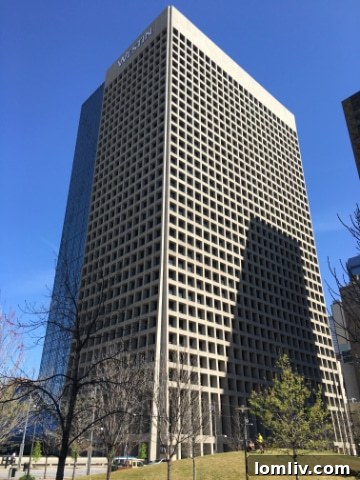
This monumental project is poised to become an extraordinary and enduring tool for the City of Dallas and for all individuals and organizations dedicated to preserving its unique historic places. It will play a pivotal role in acknowledging and celebrating these places not merely as old buildings, but as a vital, living part of Dallas’s identity, contributing profoundly to its status as a vibrant, diverse, and economically dynamic metropolis. This incredible resource will enable us to gain a deeper, more nuanced understanding of where these irreplaceable places are situated, providing a fundamental base layer for defining future preservation goals, helping to establish clear preservation priorities, and serving as an indispensable tool for existing and future urban planning initiatives. Ultimately, this comprehensive survey is a proactive step forward, designed to help us collectively protect and cherish the historic places that truly make Dallas exceptional and unlike any other city.