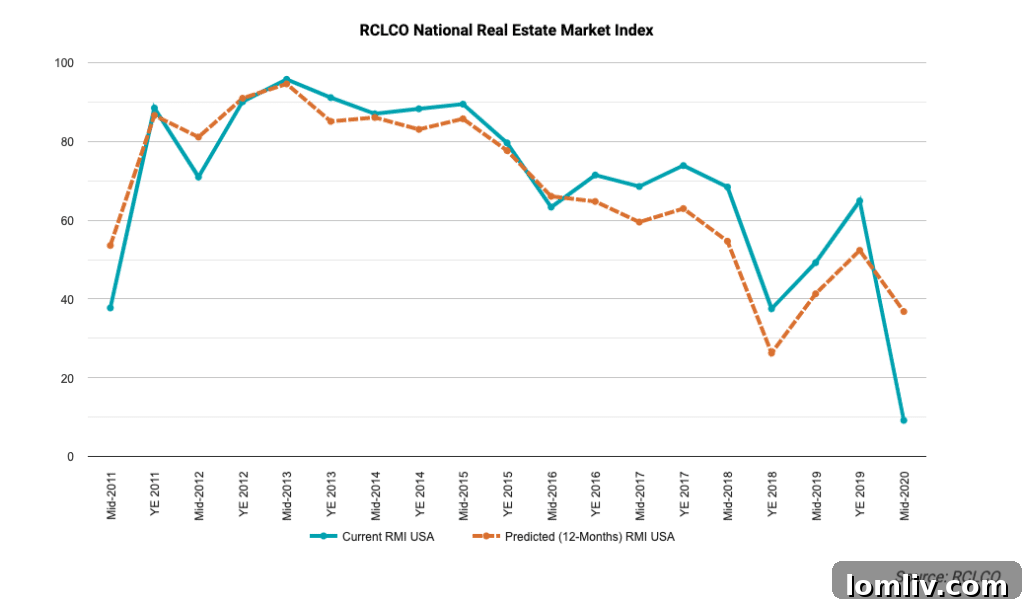
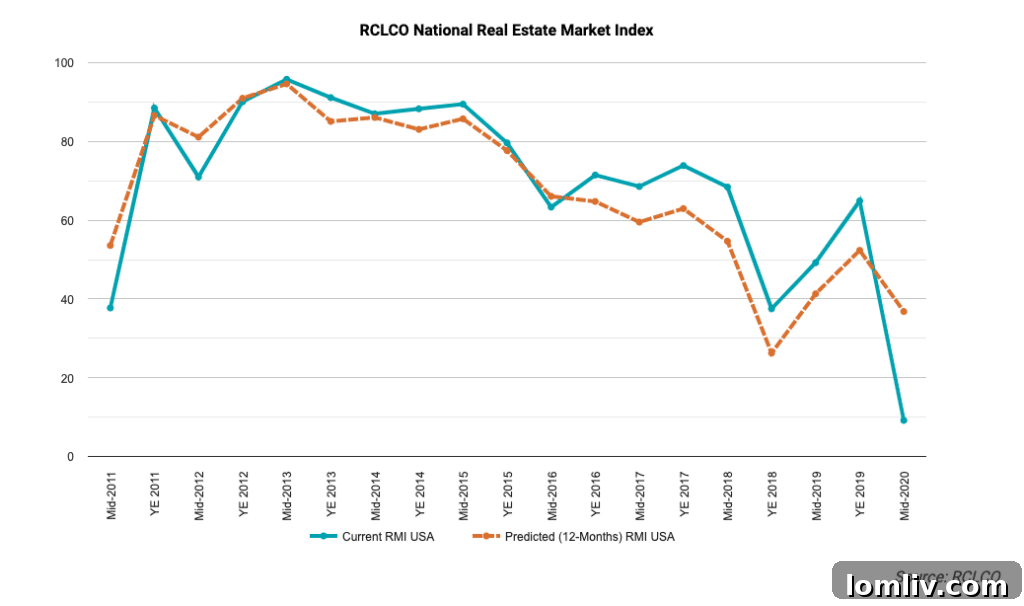
The year 2020 presented unprecedented challenges across global economies, and the real estate sector was certainly no exception. With widespread uncertainty impacting consumer behavior and business operations, many anticipated a prolonged downturn. However, encouraging insights from industry leaders suggest a more resilient market than initially feared, with several key sectors poised for a significant rebound.
According to a comprehensive mid-year sentiment survey conducted by RCLCO, a prominent real estate advisory firm, a substantial majority of seasoned real estate professionals express optimism regarding the recovery trajectory. Their findings indicate a collective belief that some of the most economically vital segments of the real estate industry are already beginning to emerge from their lows and are set for an upswing in the latter half of 2020 and into the following year. This perspective offers a much-needed beacon of hope amidst the lingering effects of the global health crisis, highlighting the adaptability and underlying strength of the housing and commercial property markets.
The survey specifically targeted experienced leaders within the real estate community, seeking to gauge their outlook for business prospects over the subsequent six to twelve months. The objective was to ascertain whether these industry veterans projected a period of growth and stabilization or if they foresaw a more drastic scenario necessitating divestment and a retreat from active market participation. The results paint a picture of cautious optimism, underscoring strategic adjustments and evolving opportunities rather than widespread retreat.
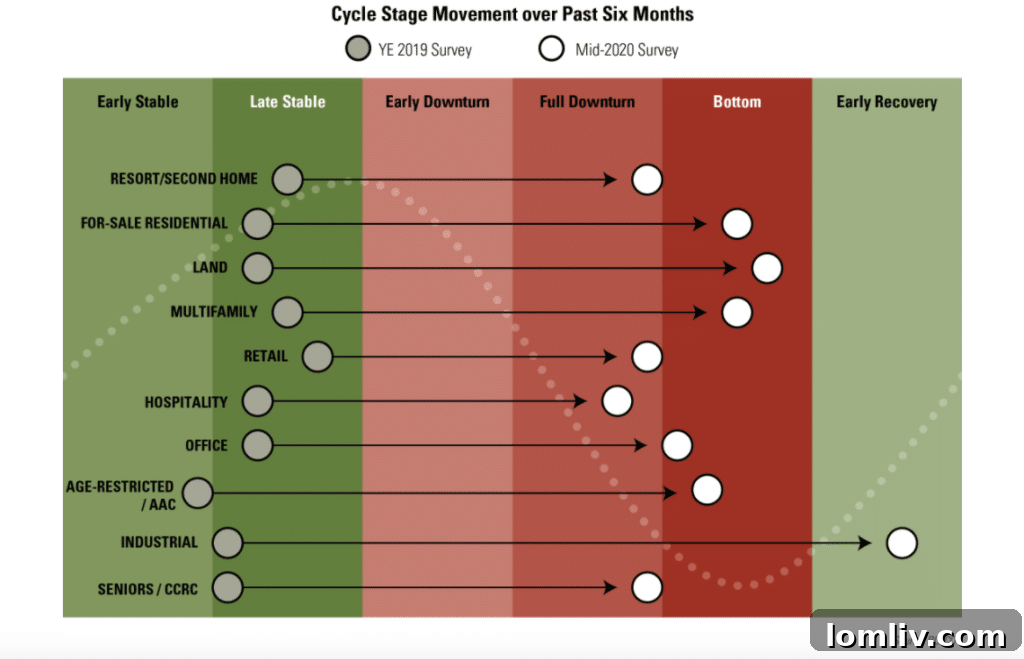
An overarching theme from the RCLCO survey reveals that numerous sectors within the dynamic real estate landscape have already navigated their nadir and are now on a path to recovery. A significant portion of respondents anticipates a robust market rebound within the forthcoming year. This positive sentiment is particularly pronounced among homebuilders, residential developers, and those involved in master-planned communities. The residential market, in particular, has demonstrated surprising resilience, driven by shifting consumer needs and historically low interest rates.
Furthermore, the industrial real estate sector experienced an unexpected boost, largely due to the profound acceleration of e-commerce and evolving supply chain logistics brought on by the pandemic. As more consumers transitioned to online shopping, the demand for warehousing, distribution centers, and last-mile delivery facilities surged, solidifying the industrial segment as a top performer. This demand has been further amplified by the increased need for medical supplies and logistical support for essential services, underscoring the critical role of efficient infrastructure. While other sectors grappled with closures and reduced activity, industrial properties became indispensable.
For a detailed analysis of these trends, including insightful graphs and comprehensive data visualizations from the survey, interested parties can explore the full report. Understanding these nuanced shifts is crucial for investors, developers, and real estate professionals aiming to navigate the post-pandemic market effectively.
You can see all of the interesting graphs and data here.
Remote Work’s Profound Impact on Renter Demands and Housing Trends
The widespread adoption of remote work, a direct consequence of the 2020 global health crisis, has fundamentally reshaped the priorities and preferences of renters. For many individuals who suddenly transitioned from traditional office environments to working from home, the experience necessitated a significant adjustment and a reevaluation of their living spaces. This seismic shift has translated into a distinct evolution in renter demands, particularly concerning the features and amenities sought in rental properties.
Renters, whether they were laid off, furloughed, or simply mandated to work remotely, are now actively seeking accommodations that better support their new, home-centric lifestyles. This often means a desire for more spacious units, dedicated office areas or flexible spaces that can be converted into workstations, and enhanced internet connectivity. Beyond the interior, access to private outdoor spaces, such as balconies or patios, or community amenities like green areas, has also grown in importance. Furthermore, the economic uncertainties have led many to prioritize more affordable housing options, prompting a re-evaluation of location-based premiums.
A comprehensive study by Apartment Guide highlights several key trends emerging from this new rental landscape. The report indicates a surge in virtual engagement, with renters increasingly relying on online platforms for everything from property applications and virtual tours to participating in community events like online wine tastings and virtual fitness classes. This digital transformation streamlines the rental process and expands geographical possibilities for prospective tenants. Crucially, the study also notes a growing preference for areas offering more competitive rental prices. With the tether to a physical office significantly loosened for many, location is becoming less of a defining factor, allowing renters to explore more cost-effective regions or suburban environments that offer greater space and value.
This trend toward affordability is projected to intensify as unemployment rates continue to impact household incomes, leading more individuals to opt for renting over homeownership. The long-term implications suggest sustained demand for affordable rental housing across various markets. Interestingly, this shift also creates unique opportunities within the high-end rental segment. Property owners and landlords of luxury rental units may find themselves needing to offer more attractive deals, incentives, or even price adjustments to maintain occupancy rates. As tenants become more discerning and financially prudent, the luxury rental market could become more competitive, potentially offering excellent value for those seeking premium accommodations without the commitment of ownership.
Read more about the study here.
Frisco, Texas: A Promising Hub for First-Time Homebuyers
The landscape for first-time homebuyers has been dynamic, to say the least. In the fourth quarter of 2019, an impressive 39 percent of all real estate purchases were attributed to first-time buyers, reflecting a vibrant entry-level market. The question naturally arises whether this momentum could be sustained through the inventory challenges and economic shifts of 2020. Despite these hurdles, a compelling trend has emerged: a growing migration towards suburban areas, often driven by a quest for affordability, space, and a community-oriented lifestyle.
Among the numerous cities experiencing this suburban surge, Frisco, Texas, has distinguished itself as a standout location for those embarking on their homeownership journey. In a detailed analysis by WalletHub, which evaluates cities based on factors crucial for first-time buyers, Frisco secured the highest ranking among Texas cities. This recognition underscores Frisco’s appeal, which includes a robust job market, excellent schools, and a high quality of life, making it an attractive destination for new homeowners looking to establish roots.
While Frisco’s 24th position on the national list might not place it at the very top, it signifies a strong performance when measured against a comprehensive set of metrics. It’s worth noting that WalletHub’s methodology can sometimes yield unexpected frontrunners; for instance, Henderson, Nevada, topped the overall list. Each ranking system has its unique criteria, and what makes a city ideal for a first-time buyer can vary significantly based on individual priorities, whether it’s economic opportunity, community amenities, or simply cost of living.
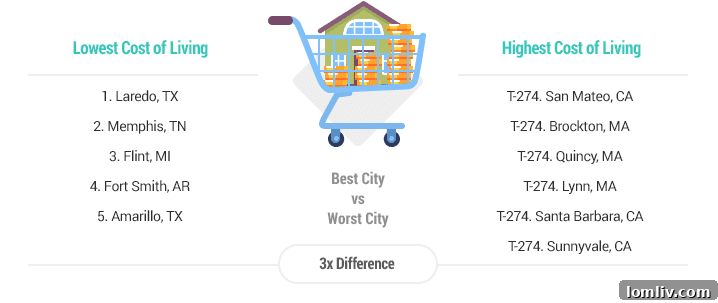
Intriguingly, when WalletHub’s comparison charts specifically focused on the cost of living—a critical factor for budget-conscious first-time buyers—other Texas cities shone brightly. Laredo, for example, claimed the top spot nationally for affordability, demonstrating exceptional value for money. Following closely, Amarillo secured an impressive fifth position in the same category. These results highlight the diverse economic landscapes within Texas, offering a spectrum of options for buyers with varying financial considerations. From the rapidly growing, amenity-rich suburbs like Frisco to highly affordable urban centers like Laredo and Amarillo, the Lone Star State presents a broad appeal for those looking to purchase their first home.
You can see the full ranking here.
MetroTex Enforces Clear Cooperation Rule to Uphold Market Transparency
The real estate industry is continually evolving, and professional standards are vital for maintaining trust and fair practice. A significant development in this regard was the National Association of Realtors’ (NAR) enactment of the Clear Cooperation Rule, which came into effect last year. This policy, designed to enhance market transparency and ensure equitable access to property listings, has understandably prompted adjustments among some real estate brokers. However, the MetroTex Association of Realtors is now actively enforcing this rule, issuing warnings to brokerages that continue to advertise off-market listings, commonly known as “pocket listings.”
The Clear Cooperation Rule, which became effective in May, mandates that within one business day of public marketing of a residential property, the listing must be entered into the Multiple Listing Service (MLS). This ensures that all active listings are broadly accessible to all participating agents and their clients, fostering a more open and competitive market. The rule aims to prevent situations where properties are marketed exclusively to a select group of buyers, potentially disadvantaging others and obscuring the true market value of homes.
Since its implementation, MetroTex has been diligent in its enforcement efforts. Cathy Faulkner, the MLS director at MetroTex, recently informed the Dallas Business Journal that the association had issued 40 warnings to brokerages for non-compliance. This proactive approach underscores MetroTex’s commitment to upholding the integrity of the market and ensuring a level playing field for all its members and their clients.
MetroTex will continue its warning period until the end of the year. This initial phase is intended to provide brokerages with ample opportunity to understand and adapt to the new regulations without immediate financial penalties. However, starting from January 1st of the following year, the enforcement will transition from warnings to a structured system of fines for continued violations, reflecting a more stringent compliance policy.
The financial penalties are designed to be progressive, encouraging prompt adherence to the rule. The first recorded infraction will incur a fine of $1,000. Subsequent violations will see significantly higher penalties, with a second fine set at $3,500 and a third fine escalating to $5,000. These escalating fines underscore the seriousness with which MetroTex views compliance with the Clear Cooperation Rule, aiming to ensure market fairness and transparency for all participants.
For those who might need a comprehensive review of the Clear Cooperation Rule and its implications, detailed information can be found in previous reports. Understanding this rule is paramount for all brokers and agents to avoid penalties and contribute to a transparent, efficient real estate market.
Need a refresher on the rule? Check out this report Daltxrealestate.com posted in November of 2019.