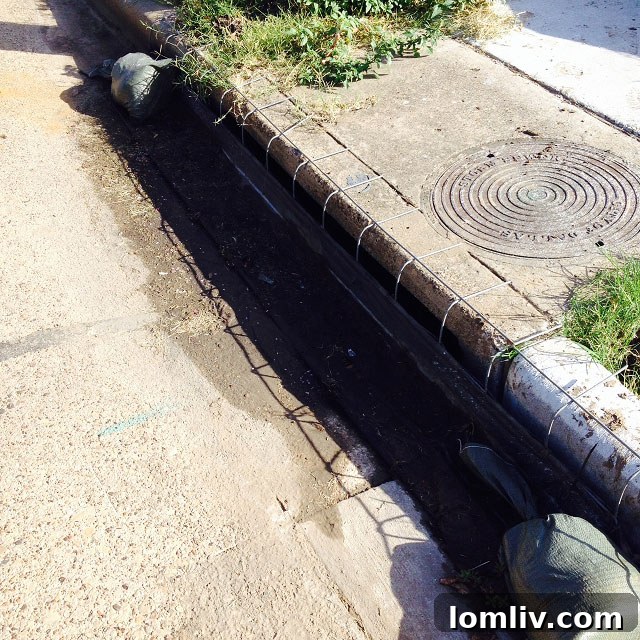
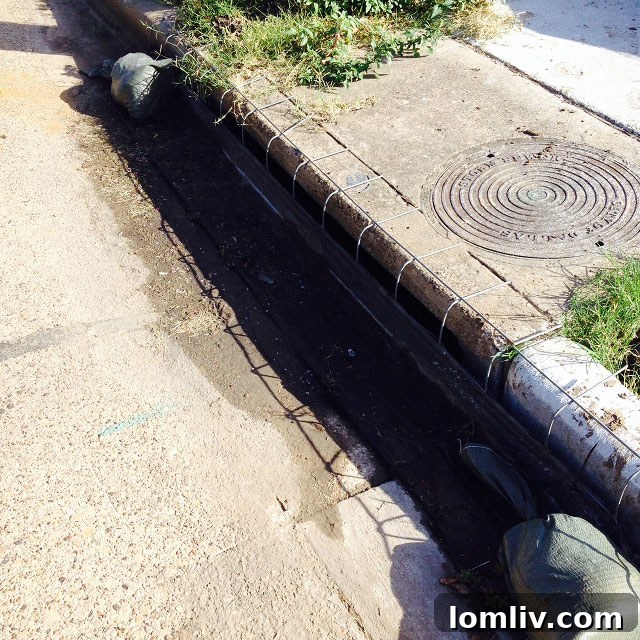
The ongoing transformation of urban landscapes through new construction projects brings with it both opportunities and responsibilities. While developers aim to enhance communities with modern housing and infrastructure, the process itself must be managed with utmost care to minimize disruption and protect the environment. A recent situation involving D.R. Horton’s Exall Townhomes development in the vibrant Bryan Place neighborhood of Dallas brought these responsibilities into sharp focus, sparking a community conversation about site cleanliness and corporate accountability.
Our previous report highlighted concerns regarding what appeared to be a significant lapse in corporate responsibility at the Bryan Place site. Prompted by observations from local residents and supported by compelling photographic evidence, we brought attention to issues such as neglected storm drains, overgrown areas, and general site disarray. These conditions not only detracted from the neighborhood’s aesthetics but also raised potential environmental concerns. This earlier report emphasized the crucial need for developers to maintain stringent standards throughout the construction phase, ensuring that their projects align with community well-being and environmental stewardship.
Addressing Environmental Concerns at Exall Townhomes, Bryan Place
The Exall Townhomes project by D.R. Horton, a prominent national homebuilder, is a significant undertaking in the heart of Bryan Place, Dallas. As with any large-scale development, residents keenly observe its progress, and their input is invaluable. Our initial spotlight on this project was ignited by the diligent observations of a local resident, whose daily routines provided a candid look at the construction site’s condition. The images we previously published served as irrefutable proof, illustrating the severity of the issues at hand.
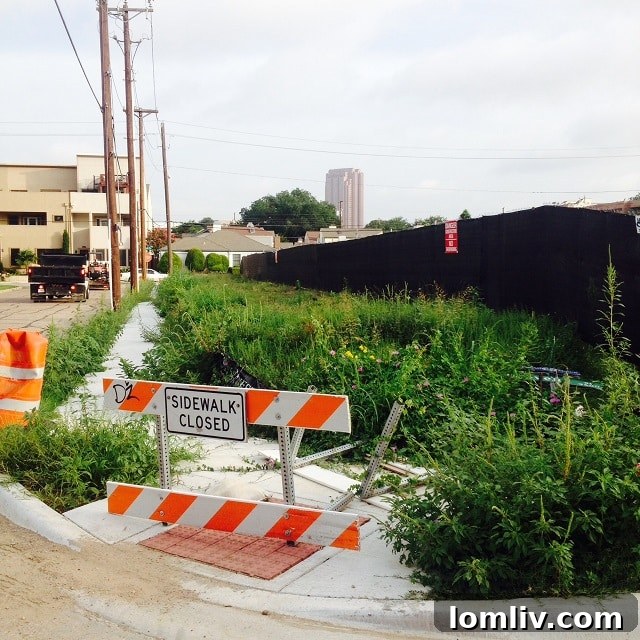
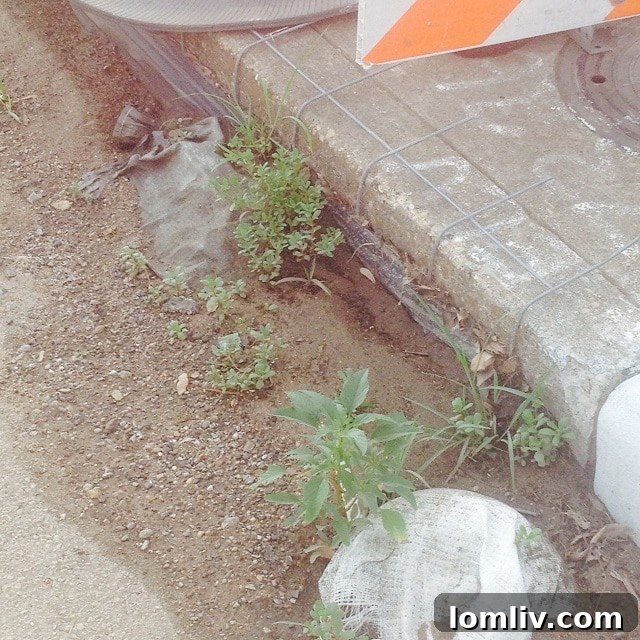
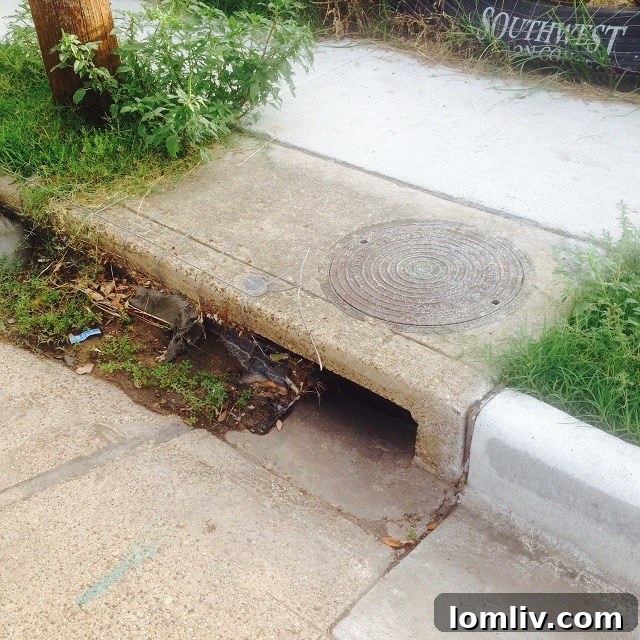
At the core of the community’s apprehension was the detrimental state of the construction site, particularly its direct impact on the vital stormwater drainage systems. These systems are indispensable for managing rainwater runoff, preventing flooding, and maintaining the ecological balance of urban areas. Disturbingly, the storm drains at the Exall Townhomes site were found to be heavily obstructed with various forms of construction waste. This obstruction not only compromised the drains’ operational efficiency but also posed a significant environmental hazard, allowing sediment and debris to potentially contaminate public waterways. Such practices are unequivocally contrary to the principles of responsible construction management and environmental protection.
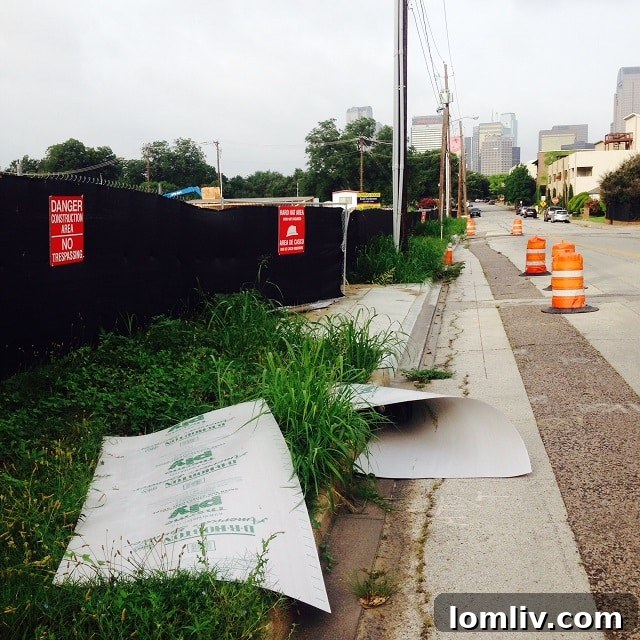
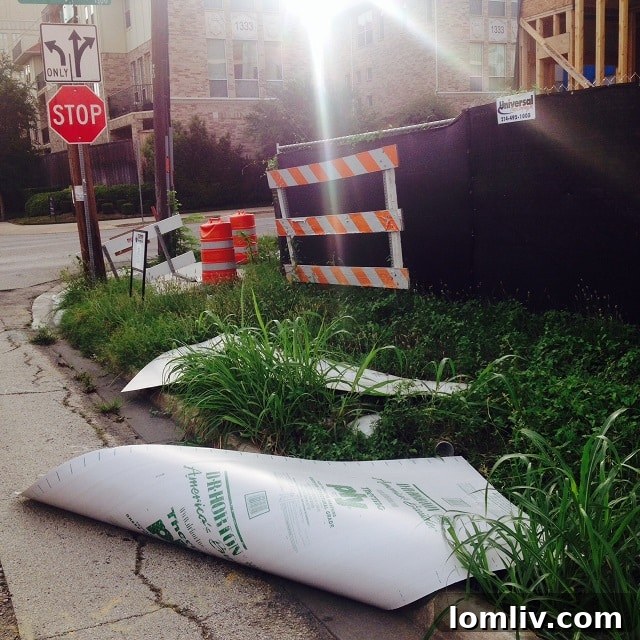
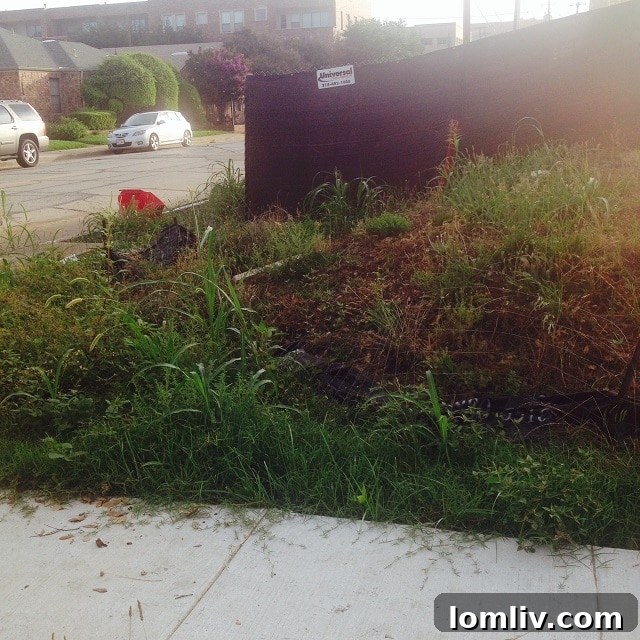
The following series of photographs provides a visual chronicle of the neglected conditions observed at the D.R. Horton Exall Townhomes development. These images, captured by a vigilant resident, served as the primary evidence, underscoring the urgency and necessity for corrective measures. They clearly depict storm drains clogged with an unsightly mix of soil, plastic fragments, and other discarded construction materials, all of which presented a clear and present danger of polluting the local ecosystem. This stark visual documentation was pivotal in catalyzing our initial report and amplifying the community’s unified call for accountability and immediate action.
The Power of Community Advocacy and the Role of SWPPP
The collective voice of a community holds immense power, especially when it comes to influencing the practices of large development corporations. The spark for our detailed investigation came from a reader’s heartfelt communication, which encapsulated the profound frustration experienced by residents witnessing the ongoing degradation of their cherished neighborhood. This firsthand testimony provided not just factual details but also a crucial human element, underscoring the real-world impact of lax site management.
“I pass by this eyesore of a development daily on my morning jog. I’m sure that the end result will be a nice addition to the neighborhood, once it’s completed but in the meantime, it looks like a dump. The grass is overgrown, the silt fence is definitely non-compliant, thus allowing runoff of dirt and debris into the stormwater drains, and as of this morning, the moisture barrier siding has now made it’s way into the street. Oddly enough, the project completion date on the SWPPP shows June 2018, Lord…please tell me that we don’t have to put up with this for the next four years!?”
This powerful quote illuminated a spectrum of issues: from the sheer unattractiveness of an “eyesore” construction site to severe environmental breaches, such as a non-compliant silt fence facilitating the unchecked flow of sediment and debris into critical stormwater drains. Furthermore, it highlighted immediate public safety concerns, with construction materials like moisture barrier siding encroaching upon public thoroughfares. The mention of the project’s Stormwater Pollution Prevention Plan (SWPPP) completion date of June 2018 introduced an additional layer of anxiety, suggesting a potential for prolonged environmental and visual blight if swift and decisive corrective measures were not implemented. This reader’s articulate perspective was pivotal, transforming mere observations into a compelling narrative of collective community concern and demand for immediate action.
Understanding the SWPPP is critical here. A Stormwater Pollution Prevention Plan (SWPPP) is a federally mandated document under the Clean Water Act, designed to identify and mitigate potential sources of stormwater pollution at construction sites. It details specific Best Management Practices (BMPs) – such as the proper installation and maintenance of silt fences, sediment basins, and diligent site housekeeping – to prevent pollutants from entering stormwater discharges. For a leading homebuilder like D.R. Horton, adherence to SWPPP is not merely a legal obligation but a testament to their corporate social responsibility. Failure to comply can lead to severe environmental consequences, including contamination of water bodies, harm to aquatic ecosystems, and erosion of public trust. Responsible development demands minimizing environmental footprint throughout every stage of construction, ensuring new projects enhance, rather than degrade, the existing environment.
Positive Changes: A Cleaner Bryan Place Construction Site
It is often said that transparency fosters accountability, and in this specific instance, our blog post, amplified by community feedback and empirical visual evidence, played a significant role in illuminating the prevailing situation. The deliberate act of documenting and subsequently disseminating these observations appears to have generated substantial momentum, prompting a noticeable response from D.R. Horton. We are genuinely pleased to report that the Bryan Place development site now presents a considerably improved appearance compared to its state during our initial report.
This positive transformation stands as a powerful testament to the efficacy of public awareness and the critical importance of fostering open, constructive dialogue between large-scale developers and the communities they are engaged with. While we have not received explicit details regarding the specific actions undertaken by D.R. Horton, the observable improvements across the site strongly indicate a concerted and significant effort to rectify the issues that were previously highlighted. The storm drains, which were once visibly obstructed and overflowing with debris, now appear to be substantially cleared, and there is an overall sense of order and cleanliness that was conspicuously absent before. This encouraging shift clearly demonstrates that well-articulated feedback, when delivered through accessible platforms, possesses the inherent capacity to instigate necessary operational changes and reinforce adherence to superior practices in construction site management.
However, this welcome improvement also serves as an important reminder that maintaining a pristine and compliant construction site is not a singular event but an ongoing, unwavering commitment that must persist throughout the entire duration of the project. As the Exall Townhomes development in Bryan Place continues its trajectory towards completion, the fundamental responsibility to uphold these stringent standards remains paramount. A clean and orderly construction site transcends mere aesthetics; it is intrinsically linked to fundamental environmental protection, assures public safety for local residents, and unequivocally demonstrates a developer’s profound respect for the existing community members and their quality of life.
The Broader Vision: Fostering Sustainable Urban Development in Dallas
The experience with the Exall Townhomes project in Bryan Place offers valuable insights that extend far beyond simple site cleanup. It underscores the profound significance of embracing sustainable urban development practices and the indispensable role of active community engagement. In dynamic and rapidly expanding cities like Dallas, new construction is an inevitable aspect of growth. Nevertheless, the methodology and diligence with which these projects are executed directly influence the quality of life for current residents and the enduring ecological health of the broader urban environment.
Sustainable development encompasses more than just the selection of environmentally friendly building materials; it requires responsible site management, proactive waste reduction strategies, rigorous stormwater pollution prevention protocols, and transparent, consistent communication with the affected community. Developers who proactively engage with residents, swiftly address emerging concerns, and demonstrate an authentic commitment to environmental stewardship not only construct superior homes but also cultivate stronger, more trusting relationships within the neighborhoods they are actively reshaping. This forward-thinking, proactive approach effectively minimizes potential disruptions, averts environmental degradation, and ultimately enhances the inherent value and overall desirability of the entire area.
For residents, this experience serves as a powerful reminder of the importance of active participation and vigilant observation. The acts of observing, meticulously documenting, and respectfully communicating concerns to developers or local regulatory authorities can be remarkably effective. Community blogs, local news outlets, and neighborhood forums serve as crucial platforms for sharing vital information and galvanizing collective action, unequivocally demonstrating that even a single voice, when adequately amplified, possesses the profound capacity to catalyze meaningful and lasting change.
Conclusion: Sustained Vigilance for a Thriving Bryan Place
The progression from a disarrayed, non-compliant construction site to one that is notably cleaner and more responsibly managed at D.R. Horton’s Exall Townhomes in Bryan Place represents a significant and commendable step forward. This positive shift unequivocally illustrates that constructive criticism, coupled with vigilant community oversight, can indeed prompt substantial and necessary improvements. We sincerely commend D.R. Horton for taking decisive action to address the concerns that were raised, recognizing that such efforts are fundamental to fostering a healthier environment and ensuring a more harmonious living experience for the entire Bryan Place community.
However, the imperative for sustained responsibility remains unwavering. As construction activities continue, the steadfast commitment to maintaining an impeccably clean site, ensuring absolute adherence to all SWPPP regulations, and minimizing any disturbances to the surrounding neighborhood must be held paramount. We pledge to continue our advocacy for transparent, environmentally conscious development practices. We reiterate our plea: Keep it clean, D.R. Horton, keep it clean… pretty please. Our communities rightfully deserve nothing less than developers who consistently prioritize environmental integrity and the holistic well-being of the neighborhood, thereby transforming urban spaces into valuable assets that benefit everyone for many years to come.