The Perilous Disconnect: Why Politicians Must Understand Real Estate Prices
The urban landscape is a dynamic tapestry woven from economic opportunity, cultural vibrancy, and, fundamentally, real estate. From the towering skyscrapers of Manhattan to the sprawling suburbs of Dallas, the cost of housing dictates everything from individual quality of life to a city’s growth trajectory. Yet, a startling disconnect often exists between the everyday realities of the housing market and the perceptions of those elected to govern our cities. This gap in understanding poses a significant threat to sound urban planning and equitable policy-making, as recently highlighted by a revealing gaffe in the New York City mayoral race.
For anyone deeply entrenched in the real estate world or even casually observing urban economics, the price of a median home is not merely a statistic; it’s a barometer of a city’s health, accessibility, and future. So, when prominent political figures demonstrate a profound ignorance of basic housing costs in the very cities they aspire to lead, it signals a deeper, more troubling issue. This isn’t just about an embarrassing misstep; it’s about the competence and empathy required to address one of the most pressing challenges facing modern metropolitan areas: housing affordability.
NYC Mayoral Candidates’ Shocking Misjudgment of Brooklyn Home Prices
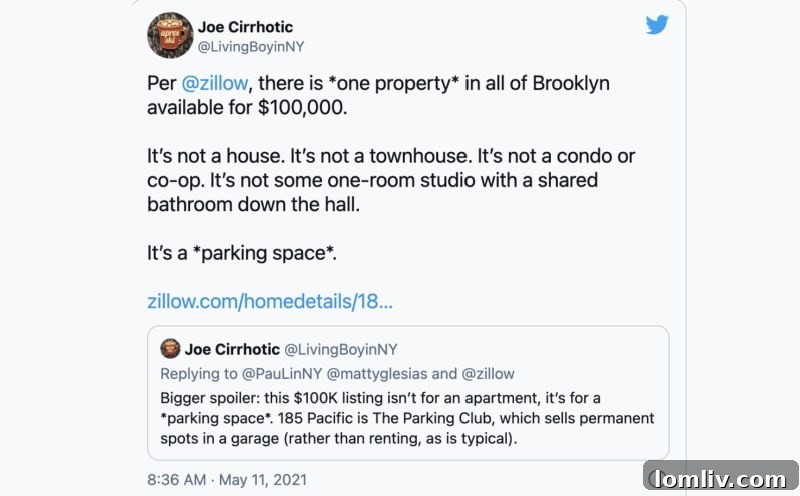
The recent New York City mayoral campaign offered a stark illustration of this political blind spot. During interviews with the New York Times, several leading candidates were asked a seemingly straightforward question: What is the median home price in Brooklyn? The answers, as reported by Bloomberg, were nothing short of astonishing and, for many, deeply concerning.
Former Obama Housing Commissioner Shaun Donovan: $100,000
Former Citibank Executive Ray McGuire: $80,000 to $90,000
Former Presidential Candidate Andrew Yang: $900,000
Former City Sanitation Chief Kathryn Garcia: $800,000
Lawyer & Civil Rights Activist Maya Wiley: $1.8 million
The Actual Median Home Price in Brooklyn: Approximately $900,000
The responses from Donovan and McGuire, in particular, were not just inaccurate; they were wildly detached from reality. To suggest that a median home in Brooklyn could be acquired for under $100,000 reveals an almost unfathomable lack of awareness, especially from a former housing commissioner. This isn’t a minor oversight; it points to a fundamental misunderstanding of the economic forces shaping one of the nation’s most vibrant and expensive housing markets.
Historical Context: How Far Back Do You Have to Go?
Real estate expert Jonathan Miller, a respected voice in the industry, quickly contextualized these figures, highlighting just how outdated the lower estimates truly were. Miller pointed out that it has been nearly four decades since the median sales price in Brooklyn was anywhere near $100,000. To put it in perspective:
Miller’s extensive data tracks Brooklyn’s median prices, showing them at $299,130 in 2003. For Manhattan, New York’s priciest borough, median prices were $240,000 as far back as 1989. At that time, Brooklyn’s prices typically hovered around a third less than Manhattan’s. This historical perspective suggests that the last time Brooklyn’s median home price was in the $100,000 range was in the early 1980s.
This historical data underscores the sheer magnitude of the disconnect. For candidates to be operating with a perception of the market that is forty years out of date raises serious questions about their ability to craft effective housing policies, address affordability crises, or even understand the daily struggles of their constituents. How can one legislate effectively for a city whose basic economic realities remain a mystery?
Real Estate: The Unspoken Currency of Local Politics in Dallas
While the Brooklyn incident made national headlines, the issue of political understanding of real estate is profoundly local and resonates deeply in cities across the country, including Dallas. My recent, albeit short-lived, foray into the race for the District 11 Dallas City Council seat solidified my long-held belief that politics and real estate are inextricably linked – two sides of the same coin, constantly influencing each other.
In Dallas, real estate isn’t just an industry; it’s the city’s economic lifeblood. Often referred to as “our oil,” the sector drives development, generates tax revenue, and shapes the very identity of the city. Consequently, real estate wields immense influence in local political campaigns. City Council candidates in Dallas frequently seek the endorsement of key real estate-related special interest groups, not only for the significant PAC funding they provide (often around $2,500 per endorsement) but, crucially, for their ability to mobilize votes.
These Political Action Committees (PACs) play a pivotal role in shaping local elections. They host candidate forums, scrutinize contenders, and ultimately endorse candidates whom they believe will champion their specific interests. The primary real estate PACs in Dallas include:
- The Dallas Apartment Association: Their core interest lies in promoting policies that encourage more apartment development, addressing the growing demand for rental housing.
- TREC The Real Estate Council: This powerful group advocates for commercial real estate interests, influencing everything from zoning laws to infrastructure projects that impact office spaces, retail centers, and industrial developments.
- MetroTex Association of Realtors: Representing residential real estate professionals, including many readers and myself, this association focuses on policies affecting homeownership, property values, and the broader residential market.
The collective power of these groups is undeniable. Their endorsements can significantly sway public opinion and voter turnout, making their support indispensable for aspiring council members. Given this landscape, it’s reasonable to expect that candidates vying for seats in Dallas City Hall would possess a fundamental understanding of the city’s housing market, particularly the median home price in their respective districts, not just the sprawling North Texas Metroplex.
The Dangers of Political Ignorance in Housing Policy
The stark difference between perception and reality, whether in Brooklyn or Dallas, is more than a simple gaffe; it has profound implications for urban governance. When politicians operate with outdated or inaccurate data regarding housing costs, their policy decisions risk being fundamentally flawed, leading to a cascade of negative consequences:
- Ineffective Affordability Initiatives: If leaders believe homes are significantly cheaper than they are, they might underestimate the scale of the affordability crisis. This could lead to the implementation of inadequate or misdirected housing programs that fail to address the true needs of low- and middle-income residents.
- Misguided Development Strategies: Ignorance of market prices can lead to inappropriate zoning decisions, approval of developments that don’t meet market demand, or a failure to incentivize truly affordable housing options. Developers, who often have a clearer understanding of market values, can exploit this information asymmetry.
- Erosion of Public Trust: When constituents see their elected officials demonstrating such a basic lack of knowledge about issues directly affecting their daily lives (like housing costs), it erodes trust in government. This can lead to voter apathy and a sense that politicians are out of touch with the very people they serve.
- Exacerbated Inequality: Housing costs are a primary driver of economic inequality. If politicians don’t grasp the true financial burden on residents, they might overlook or exacerbate existing disparities, failing to enact policies that promote equitable access to housing and opportunities.
- Poor Resource Allocation: City budgets are finite. A misunderstanding of housing market dynamics can lead to the misallocation of resources, directing funds away from critical housing support services or infrastructure projects that could genuinely improve housing accessibility and affordability.
Effective urban planning and responsive governance hinge on data-driven decision-making. This requires leaders who not only understand the broad economic trends but also possess a granular knowledge of the specific housing markets within their districts and cities. Without this fundamental understanding, policy remains theoretical, disconnected from the lived experiences of the citizenry.
A Call for Informed Leadership: Beyond the Campaign Trail
The question of the median home price in a specific district is not a trick question or an academic exercise. It’s a fundamental indicator of a candidate’s grasp of their community’s economic health and their residents’ financial realities. It speaks to their readiness to tackle complex issues like gentrification, homelessness, and the ever-present challenge of creating sustainable, inclusive urban environments.
As cities like Dallas continue to experience rapid growth and evolving demographics, the need for informed leadership in real estate and urban development becomes ever more critical. We need politicians who understand that real estate is not just about buildings and transactions; it’s about homes, livelihoods, and the fabric of our communities. They must be equipped with accurate, up-to-date information to make decisions that truly serve the public good.
So, to candidates in upcoming run-off elections, whether in Dallas or elsewhere: Be prepared to answer. What is the median price for a home in your district? This question isn’t just about trivia; it’s about accountability, understanding, and the future of our cities. Let’s hope that, unlike some of their NYC counterparts, local leaders are deeply connected to the economic pulse of the communities they wish to represent. Their ability to lead effectively depends on it.