Unveiling the Ideal American Neighborhood: A Deep Dive into Resident Desires
Understanding what makes a neighborhood truly desirable is crucial for urban planners, real estate developers, and anyone seeking their perfect home. Recent findings from a comprehensive survey conducted by Improvenet shed light on the evolving preferences of over 2,000 Americans, revealing a clear picture of what constitutes the “dream neighborhood” in today’s dynamic landscape. Far from a monolithic vision, the survey highlights a blend of practical necessities, lifestyle aspirations, and a surprising consensus on the value of tranquility.
The Quest for Tranquility: Quiet Reigns Supreme
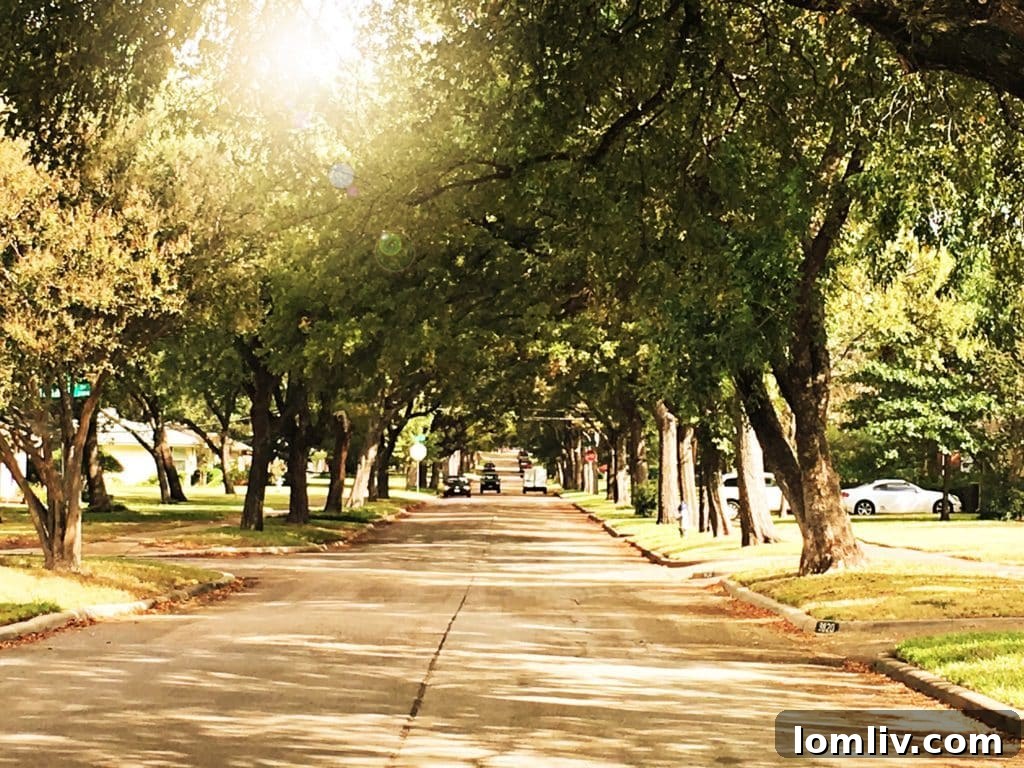
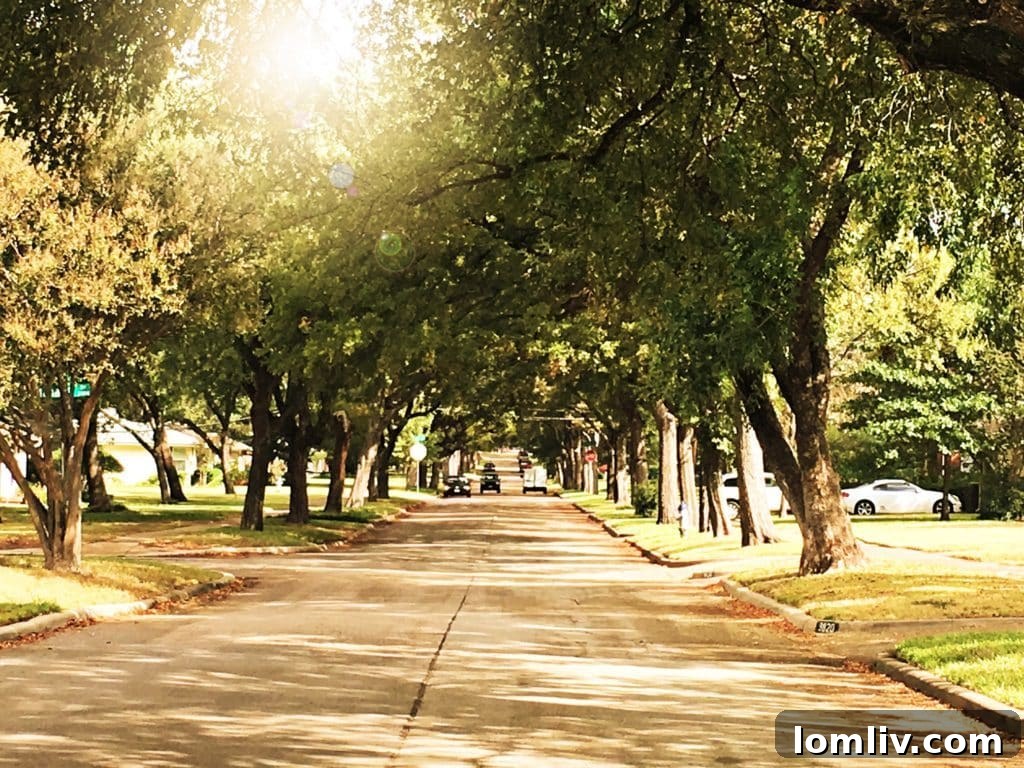
One of the most striking revelations from the Improvenet survey is the overwhelming preference for quiet surroundings. Regardless of whether respondents envisioned themselves in a bustling city or a sprawling suburb, a significant majority indicated that their ideal neighborhood would be a peaceful haven. This emphasis on quietude suggests a collective yearning for an escape from the constant noise and demands of modern life, pointing towards a desire for environments that foster relaxation, mental well-being, and a stronger sense of community away from urban cacophony.
This finding resonates particularly strongly in an era marked by increased stress levels and a growing appreciation for personal space. A quiet neighborhood often implies less traffic, fewer disturbances, and a more serene atmosphere, which can significantly enhance the quality of life for residents. It suggests that while access to amenities is important, the foundational desire for a calm and peaceful living environment remains paramount for many Americans.
Essential Amenities: More Than Just a Place to Live
Beyond the overarching desire for peace, the survey meticulously detailed the practical elements that residents consider non-negotiable for their ideal locale. When asked about the top five requirements in a dream neighborhood, respondents pointed to a blend of convenience and community-enriching features. These critical elements include access to grocery stores, ample parking, good public schools, diverse dining options, and the presence of a farmers’ market. This list underscores a desire for self-sufficiency and a lifestyle that balances daily necessities with opportunities for social engagement and healthy living.
The Convenience Factor: Groceries and Parking
The prominence of grocery stores and parking on the list of must-haves highlights the practical realities of daily life for most Americans. Easy access to grocery stores means less travel time and the ability to maintain a healthy diet, contributing directly to residents’ overall well-being and convenience. Similarly, adequate parking, especially in areas with increasing density, is a fundamental requirement that significantly impacts daily routines, from commuting to running errands. The frustration of inadequate parking can quickly detract from an otherwise appealing neighborhood, making its availability a key determinant of resident satisfaction.
Nurturing Minds: The Importance of Good Public Schools
For many families, and even individuals without children, the quality of public schools is a cornerstone of an ideal neighborhood. Good schools are not just a benefit for students; they are a strong indicator of a community’s investment in its future, often correlating with higher property values, a stable local economy, and a more engaged citizenry. The presence of well-regarded educational institutions signals a commitment to quality of life that extends beyond individual households, attracting residents who prioritize strong community foundations and opportunities for growth.
Culinary Delights and Local Flavors: Dining and Farmers’ Markets
The inclusion of diverse dining options and a farmers’ market on the wish list speaks to a desire for vibrant community life and access to quality, fresh produce. Dining options contribute to the social fabric of a neighborhood, offering spaces for gatherings, celebrations, and diverse culinary experiences. A farmers’ market, on the other hand, provides fresh, local produce, supporting sustainable living and fostering a direct connection between residents and their food sources. It also serves as a community hub, promoting local businesses and creating a sense of shared identity and tradition.
The Commute Conundrum: Balancing Work and Home Life
The daily commute remains a significant factor in shaping perceptions of an ideal neighborhood. The survey clearly demonstrated that proximity to work is an essential consideration for working adults. The data revealed that respondents consider 14 minutes to be the ideal commute time, with 28 minutes marking the absolute maximum tolerable duration before a neighborhood loses its “dreamy” status. This finding underscores the profound impact of commute times on work-life balance, personal well-being, and overall satisfaction with a living environment.
A short commute translates to more personal time, reduced stress, lower transportation costs, and a smaller carbon footprint. In contrast, long commutes are often associated with increased fatigue, higher stress levels, and less time for family, hobbies, and community engagement. As remote work becomes more prevalent, the definition of an “ideal commute” might evolve, but for a substantial portion of the workforce, the desire for a quick and easy journey to work remains a top priority, influencing their housing choices and neighborhood preferences.
Geographic Preferences: Where Do Americans Aspire to Live?
When it comes to the specific type of location, the survey revealed diverse but distinct preferences, all orbiting around the central theme of quiet living. Thirty-three percent of respondents articulated a desire for a quiet suburb near a city, balancing the peace of suburban life with convenient access to urban amenities. A significant 25 percent expressed a preference for living in a quiet part of a big city itself, indicating a desire for urban vibrancy without the overwhelming noise and activity.
Suburban Serenity vs. Urban Vibrancy
In contrast, 24 percent of Americans favored a bustling suburb near a city, suggesting a segment of the population that thrives on activity and community engagement within a suburban context, while still valuing proximity to a major urban center. Further out, 10 percent preferred more remote living, indicating a desire for greater space and solitude. Only 8 percent expressed a wish to live in the very middle of a big city, highlighting that while urban cores offer unparalleled amenities, their intensity may not appeal to the majority seeking their dream environment.
These preferences paint a nuanced picture: while a quiet environment is universally appealing, the precise geographic manifestation of that peace varies. Some prefer the structured calm of a suburb, others the hidden oases within city limits, and a smaller but still significant group embraces the energy of bustling suburbs. This segmentation is vital for real estate markets and urban planning, indicating that diverse housing solutions are needed to meet the varied aspirations of the population.
The Reality Gap: Living the Dream
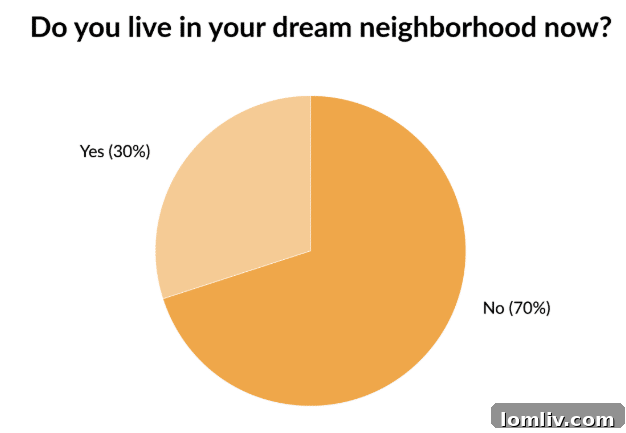
Despite these clear aspirations, the survey also exposed a considerable “reality gap” between dream and lived experience. While 25 percent of respondents reported living within 10 miles of their ideal neighborhood, and more than 50 percent believed their dream neighborhood was in a nearby town, a sobering statistic emerged: only 30 percent of Americans actually live in their dream neighborhood. This disparity highlights challenges such as affordability, availability, and the compromises individuals often make in their housing choices. It suggests a significant latent demand for communities that better align with these expressed preferences, creating opportunities for future development and community improvement initiatives.
Cultivating Community: The Drive to Improve Our Surroundings
Perhaps one of the most encouraging findings of the Improvenet survey concerns community engagement. The researchers posed a crucial question to all participants, regardless of age, income, or current living situation: “Do you make an effort to improve your current neighborhood?” The response revealed a strong sense of civic responsibility, with 59 percent of respondents affirming that they do indeed make an effort, compared to 41 percent who do not. This demonstrates a significant desire among a majority of Americans to actively contribute to the betterment of their immediate surroundings, even if they aren’t yet living in their “dream” location.
Local Support: Shopping and Volunteering
Those who reported making an effort to improve their neighborhood engaged in a variety of activities. The most popular method was shopping at locally owned businesses, cited by 49 percent of engaged respondents. This act directly supports the local economy, fosters unique community character, and often leads to higher quality goods and services. Cleaning up trash was another significant action, undertaken by 47 percent, reflecting a commitment to maintaining a clean and aesthetically pleasing environment for everyone. Beyond individual actions, 20 percent volunteered to help organize or participate in community events, showcasing a desire for collective engagement and the strengthening of social bonds.
Active Citizenship: Addressing Issues and Engaging with Officials
More direct forms of civic action also featured prominently. Twenty-three percent of active residents reported crime, contributing to public safety and order. Furthermore, 14 percent communicated with local officials about issues in their neighborhood. This willingness to engage with local governance indicates a proactive approach to addressing systemic problems and advocating for positive change, demonstrating a mature understanding of how local government can impact daily life.
These actions collectively highlight a vibrant undercurrent of community pride and a proactive spirit among a majority of Americans. They suggest that people are not just passively wishing for better neighborhoods; many are actively working to create them, one local purchase, one clean-up effort, and one conversation with an official at a time.
Implications for Urban Planners and Developers
The insights gleaned from this Improvenet survey offer invaluable guidance for those involved in shaping our built environments. For urban planners, the emphasis on quiet, convenience, and quality public services should inform zoning regulations, infrastructure development, and the creation of green spaces. Mixed-use developments that integrate residential areas with essential amenities like grocery stores and local dining could cater to the convenience factor, while careful traffic management and noise abatement strategies can address the desire for tranquility.
Developers should consider these preferences when designing new communities or renovating existing ones. Prioritizing pedestrian-friendly layouts, incorporating community hubs like farmers’ markets, and ensuring adequate parking are not just desirable features but increasingly essential components for attracting residents. Furthermore, supporting local schools and fostering community engagement initiatives can enhance a development’s appeal beyond its physical structures, creating truly desirable places to live.
Conclusion: Building Better Communities for Tomorrow
The Improvenet survey offers a compelling snapshot of the American dream neighborhood – a place that is fundamentally quiet, conveniently located near essential amenities, boasts good public schools, and offers a manageable commute. While many Americans are still striving to reach this ideal, the strong inclination towards community improvement, through local shopping, volunteering, and civic engagement, paints an optimistic picture of active residents dedicated to enhancing their surroundings. By understanding and responding to these core desires, we can collectively work towards building more livable, sustainable, and truly dreamy neighborhoods for all Americans.
For a more detailed look at the survey results and methodologies, interested readers can consult the original study directly.
To see more of the survey, click here.