Elevating Construction Site Aesthetics: Highland Park’s Innovative Portable Toilet Screen Mandate
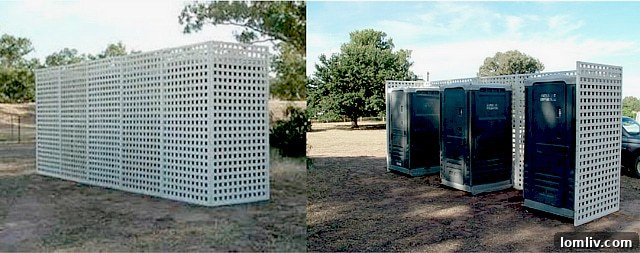
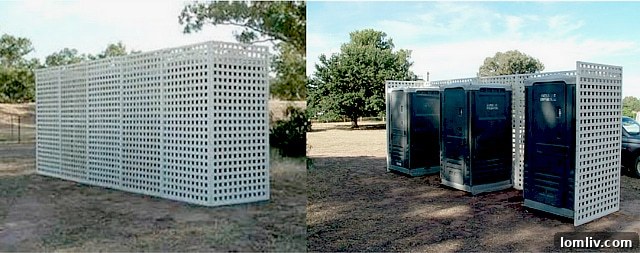
In a bold move to enhance community aesthetics, Highland Park has introduced a pioneering requirement: all portable toilets at residential construction sites must now be screened from public view. This forward-thinking regulation, designed to beautify neighborhoods and address resident concerns, has sparked an unexpected wave of creativity within the Dallas construction and architecture community. Rather than merely complying, two prominent local firms, Sardone Construction and HPD Architecture, have launched an imaginative contest, transforming a municipal mandate into an opportunity for design innovation and a touch of humor.
This initiative goes beyond simple compliance; it challenges the industry to rethink the mundane and embrace a higher standard of site presentation. Highland Park, known for its elegant residential areas and meticulous urban planning, is setting a new precedent for how construction operations integrate into upscale communities, proving that even the most functional elements can be approached with an eye for design.
The Genesis of a Novel Requirement: Why Highland Park Demands Better
For years, portable toilets have been a ubiquitous, if often unwelcome, sight on construction sites. Their stark, utilitarian appearance frequently clashes with the carefully manicured landscapes and architectural beauty of residential neighborhoods. In a community like Highland Park, where property values are high and residents expect a certain level of aesthetic integrity, the visual impact of unscreened portable toilets became an increasingly pressing concern. Neighbors often found them unsightly, disruptive to the visual harmony of their streets, and a general nuisance.
The Highland Park Building Inspection Department, acting on these community sentiments, recognized the need for a change. Their new regulation isn’t just about hiding an eyesore; it’s about demonstrating respect for the community’s visual standards and enhancing the overall living experience for its residents. “Our department is requesting the very best quality of screening that you can provide,” read the official communication to contractors, underscoring the town’s commitment to excellence and its expectation that builders would rise to the occasion. This wasn’t a call for minimal effort but an invitation to innovate, to integrate construction necessities more thoughtfully into the urban fabric.
Stephan Sardone, owner of Sardone Construction, articulated the common frustration vividly: “A typical construction area looks like a missile testing site and in the middle is a bright blue or bright orange porta potty that looks bad.” This sentiment perfectly captures the jarring contrast between a well-maintained neighborhood and the often-gritty reality of a construction zone. The town’s “No. 1 and No. 2 concerns” (pun intended) were unequivocally about the unsightliness to the public and the disturbance to neighbors, signaling a clear demand for solutions that transcended mere functionality.
Introducing the “2015 Sitting Pretty Porta Potty Screen Contest”: A Call for Creativity
Sardone Construction and HPD Architecture, recognizing the spirit of the Highland Park mandate, didn’t just see a new rule; they saw an opportunity. On Monday, they officially launched the “2015 Sitting Pretty Porta Potty Screen Contest.” This unique competition invites architects, designers, builders, and even enthusiastic amateurs to transform the humble portable toilet screen into a statement of style and ingenuity.
The challenge put forth by the organizers is clear and engaging:
We are challenging you – our readers, friends, and colleagues – to design a porta potty screen of your own. Something with a bit of flare! Maybe a little splash! A screen that says, “When ya gotta go, you might as well do it in style!”
This lighthearted yet serious call to action perfectly encapsulates the spirit of the contest. It’s about more than just hiding something; it’s about making a positive contribution to the visual landscape, even for temporary structures. Larry Paschall, architect and founding member of HPD Architecture, expressed his initial reaction to Highland Park’s examples: “When I got the email from Highland Park, they included a couple of pictures, examples [of screened portable toilets], and all I could think was, ‘We can do better than that!’ Those plywood boxes aren’t necessarily going to look any better than the portable toilets. Why not see what people can come up with?” Paschall’s vision was to move beyond the utilitarian, generic solutions and tap into the vast well of design talent available.
The Vision Behind the Venture: Beyond Basic Compliance
The “Sitting Pretty” contest isn’t merely a response to a regulation; it’s a testament to the belief that design can elevate every aspect of our built environment. The founders envisioned screens that would blend seamlessly with their surroundings, perhaps reflecting the architectural style of the homes being built, or even standing out as artistic installations themselves. Imagine a screen crafted from elegant lattice work, adorned with climbing plants, or featuring intricate patterns that complement the neighborhood’s aesthetic – a far cry from a simple plywood box.
This initiative actively encourages participants to think outside the box (pun again intended), experimenting with various materials, forms, and functionalities. Could a screen also incorporate seating, planter boxes, or even subtle lighting? The possibilities are endless, fostering a collaborative environment where practical needs meet creative aspirations. It’s an opportunity for participants to showcase their ingenuity, contribute to a unique community effort, and potentially influence future construction practices.
Contest Details and the Road to Innovation
The “2015 Sitting Pretty Porta Potty Screen Contest” is open to a wide array of participants, from seasoned architects and interior designers to budding students and DIY enthusiasts. The goal is to gather a diverse range of ideas, ensuring that the winning design is not only visually appealing but also practical and replicable.
The contest runs through June 29, providing ample time for thoughtful design and meticulous planning. Participants are encouraged to consider factors such as durability, ease of construction, cost-effectiveness, and how well the screen integrates into a residential construction environment. The guidelines, available on the HPD Architecture blog, provide specific parameters to help guide designers, ensuring submissions are both creative and feasible.
The stakes are high, and the rewards are enticing. The winning entry will not only receive a plaque and a $100 gift card, but more importantly, Sardone Construction will undertake the exciting task of building the winning design. This tangible outcome means the winning concept will transition from a drawing board idea to a real-world installation, proudly displayed and setting a new standard for portable toilet screening in Highland Park. Second place will be awarded a $75 gift card, and third place, a $50 gift card, acknowledging the effort and creativity of multiple participants.
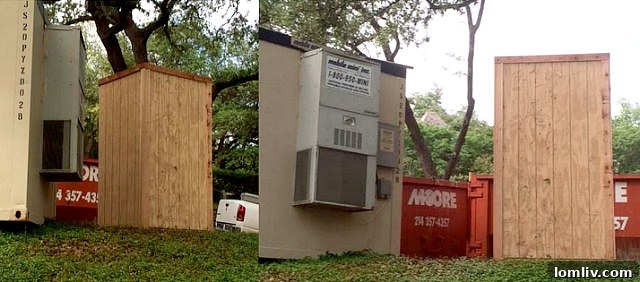
“We’ll take the winner’s entry, build it, and show it off,” Sardone confirmed, emphasizing the practical application of the contest. “We’re opening up this contest to everybody and we’ve had a lot of good feedback.” This community-wide engagement ensures a variety of perspectives and pushes the boundaries of conventional construction aesthetics.
For those eager to participate or learn more about the specific requirements, the comprehensive contest rules, design parameters, and submission guidelines can be found by visiting the 2015 Sitting Pretty Porta Potty Screen Contest + Guidelines. This resource is invaluable for anyone looking to contribute to this unique architectural challenge.
Beyond Portable Toilets: A Paradigm Shift in Construction Site Management
While the “Sitting Pretty” contest focuses on a seemingly small detail – the screening of portable toilets – its implications are far-reaching. This initiative represents a broader shift in how communities and contractors view construction sites. It underscores the growing importance of construction site aesthetics and their impact on public perception and community relations. It’s no longer enough for a construction site to be safe and efficient; it must also strive to be a good neighbor, minimizing visual intrusion and maintaining a respectable presence.
This contest could serve as a model for other municipalities grappling with similar issues. By fostering collaboration between local governments, construction firms, and the design community, it demonstrates how creative problem-solving can lead to innovative solutions that benefit everyone. It encourages industry professionals to consider the full lifecycle of a project, from groundbreaking to completion, with an unwavering commitment to quality and community integration. This proactive approach not only resolves immediate aesthetic concerns but also builds trust and goodwill between contractors and the communities they serve.
The ultimate goal is to elevate the standard for temporary structures on construction sites, transforming them from eyesores into thoughtfully integrated elements that reflect a community’s values. As the contest progresses and winning designs emerge, we anticipate sharing these innovative solutions, showcasing how Highland Park, Sardone Construction, and HPD Architecture are collectively setting a new benchmark for construction site decorum and design excellence.
We’ll be sure to stay on top of this contest and share the winners’ designs with you! Keep an eye out for updates on the groundbreaking results that are sure to emerge from this wonderfully unique challenge.
* Assistance with terrible puns in this blog post provided by Richard Nolen