Unraveling the Preston Center Paradox: Why Dallas’s Prime Real Estate Underperforms
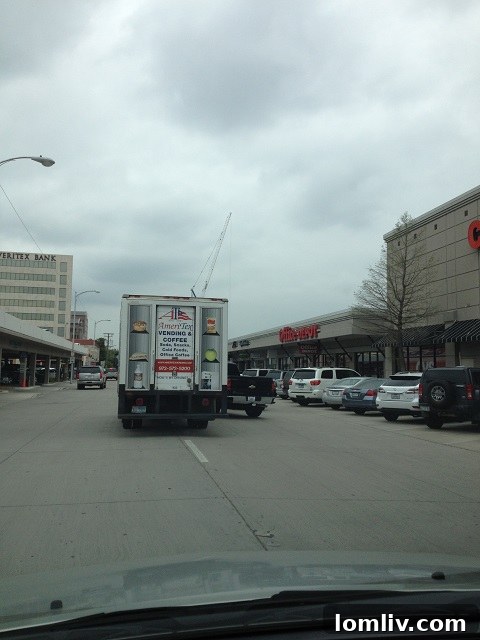
Preston Center in Dallas stands as a peculiar enigma in the world of urban development. For many residents and observers, particularly those familiar with its affluent surroundings, the area presents a striking paradox. How can a commercial hub, strategically positioned between two of the wealthiest neighborhoods in the United States, remain such a chaotic, aesthetically challenged, and seemingly underdeveloped mess? This question echoes through the minds of countless Dallasites navigating its stucco-clad buildings, one-way streets, and what many consider to be one of the nation’s most visually unappealing parking garages. We’re specifically focusing on the west side of Preston Center, where the contrast between its potential and its current reality is most stark.
When considering Dallas’s aspirations for luxury retail and sophisticated urban planning, Preston Center often falls short. Instead of a vibrant, upscale shopping district reminiscent of Highland Park Village or the charming, meticulously planned Coral Gables Miracle Mile in Florida, Preston Center’s west side is more notoriously associated with skateboarders utilizing the ramps of its aged Foley’s parking garage. George Merrick, the visionary behind Coral Gables, famously boasted that every business was just two blocks away from residents, creating an integrated, pedestrian-friendly experience. Coral Gables’ Miracle Mile thrives with beautiful designer stores, unique boutiques, gourmet food markets, and handcrafted specialty shops. Preston Center, despite its unparalleled location, has yet to capture even a fraction of this curated appeal.
The Root Cause: Fragmented Ownership and Historic Covenants
The Dallas Observer’s Eric Nicholson provided an insightful examination into the perplexing stagnation of Preston Center’s development. His reporting skillfully elucidates the historical and logistical challenges that have plagued the area for decades, primarily centering on its complex, multi-owner structure. The sheer number of individual property owners, each with their own interests and visions, makes achieving consensus on any significant development initiative an almost insurmountable task. This fragmentation inevitably leads to inertia, effectively stalling any meaningful progress or large-scale revitalization efforts.
Beyond the fragmented ownership, Nicholson’s investigation uncovered a peculiar but crucial quirk of real estate history that fundamentally underpins Preston Center’s predicament. Dating back to 1955, during the initial parceling of land to various entities (such as the Lobellos), a specific covenant was embedded in the property deeds. These deeds stipulated that the central land, now occupied by the notorious Preston Center parking garage – affectionately dubbed “Skateboard Central” – would be perpetually reserved for parking purposes and nothing else. This original agreement, while seemingly straightforward at the time, has become a major roadblock to modern urban development. The subsequent settlement between the property owners and the City of Dallas further solidified this arrangement, making it clear that while this covenant *could* be waived, it would require a unanimous agreement from all property owners. This legal requirement for unanimity has proven to be an almost impossible hurdle to overcome, ensuring that the status quo, characterized by an aging parking structure and a lack of cohesive development, persists indefinitely.
The implications of this 1955 covenant are profound. It means that even if a visionary developer or the city itself proposed a transformative mixed-use project – perhaps featuring luxury retail, upscale dining, residential units, and modern parking solutions – it would be dead on arrival without the consent of every single deed holder. This historical agreement has effectively handcuffed Preston Center, preventing it from evolving to meet the contemporary needs and desires of its surrounding affluent community.
“Back in 1955, it seems, back when the land was being parceled out to the Lobellos et al, the buyers were promised in their deeds that the land at the center of Preston Center would forever be used for parking and only parking. The settlement the property owners ultimately signed with the city makes clear that they can waive this covenant so long as they come to a unanimous agreement, but that hasn’t — and might never — happen.”
Glimmers of Change and Lingering Hurdles
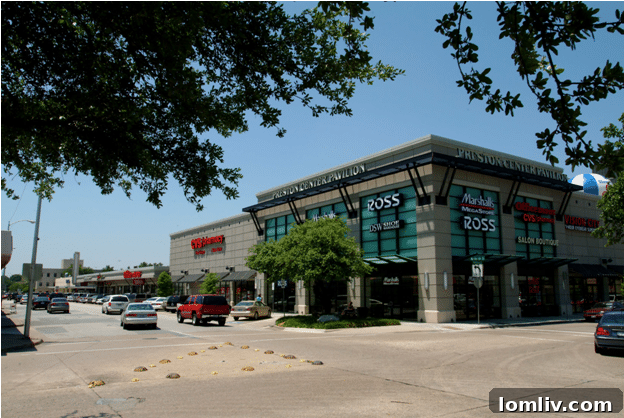
Despite the entrenched challenges, there are always whispers of potential change and ongoing efforts to inject new life into Preston Center. One notable rumor circulating is the impending arrival of a new grocery store, slated to occupy a portion of the second floor of the old Foley’s building. While not yet officially confirmed, speculation suggests it will be an upscale brand, potentially a higher-end iteration of Tom Thumb. Such an addition would undoubtedly be a welcome development for the area, providing a much-needed amenity and potentially increasing foot traffic and vibrancy. For years, the presence of discount meccas like the shoe store and Marshalls in such a prime location has been a real estate head-scratcher for many, failing to align with the luxury profile of the surrounding neighborhoods. An upscale grocery store could signal a shift towards a more curated retail experience, enhancing convenience and drawing in discerning consumers who currently seek these amenities elsewhere.
The saga of the Preston Center parking garage extends beyond its historical covenant. Former City Councilman Mitchell Rasansky famously expended significant resources in an attempt to sue the parking garage owners, hoping the City of Dallas could assume full control. While the City does technically own the parking garage, the labyrinthine legal framework allows property owners access easement parking rights, benefiting each and every surrounding owner. Rasansky’s vision was for the City to sell the garage to a private developer, potentially generating several million dollars and paving the way for a comprehensive redevelopment. However, this vision clashed directly with the existing legal framework. Some property owners have expressed that they *could* reach a consensus to re-develop the garage, suggesting that the will might exist, but the pathway to unanimous agreement remains elusive. Perhaps the full story of this complex legal and developmental challenge, including the precise financial implications and the various redevelopment scenarios, will surface in greater detail in future reports.
The frustration among residents regarding Preston Center’s underperformance is palpable. When affluent individuals like Laura Miller, whose magnificent 8500-square-foot Julio Quinones-designed mansion sits on a sprawling 2.08-acre estate in nearby Dentwood, desire local amenities, they envision a sophisticated shopping experience. They yearn for a scaled-down Rodeo Drive or a charming district akin to Coral Gables, where elegance and convenience coalesce. Instead, the current reality of Preston Center often presents them with aging structures from the 1950s that show signs of disrepair and an overabundance of discount stores, creating a stark contrast to their opulent residential surroundings. This disparity highlights the urgent need for a cohesive vision and transformative development to bring Preston Center in line with the expectations of its wealthy clientele.
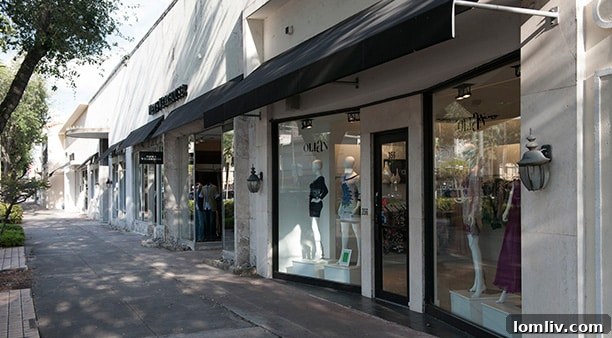
Instead of the vibrant, curated retail experience found in leading luxury districts, Preston Center remains largely characterized by its older, “leaking relics” from the 1950s and an overwhelming presence of discount retailers. This architectural and commercial landscape stands in sharp contradiction to the aspirations of a city segment that seeks refined shopping, dining, and leisure options within their immediate vicinity.
Mark Cuban’s Preston Hollow Holdings: A Future Uncertainty
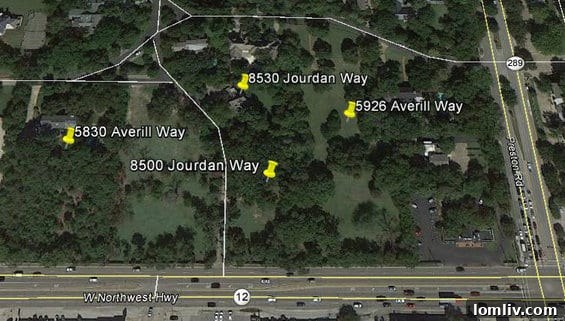
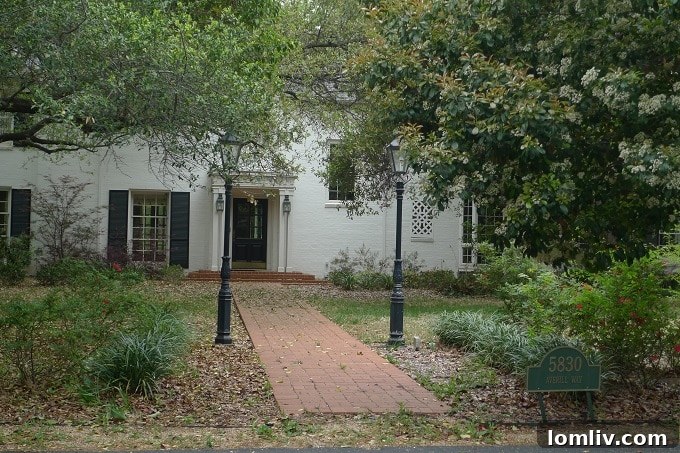
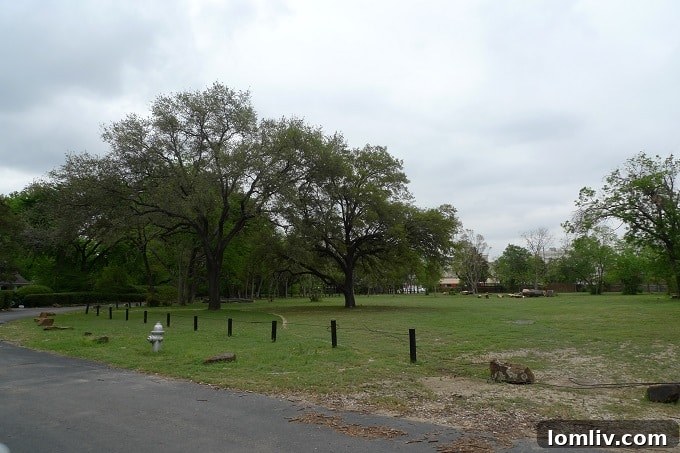
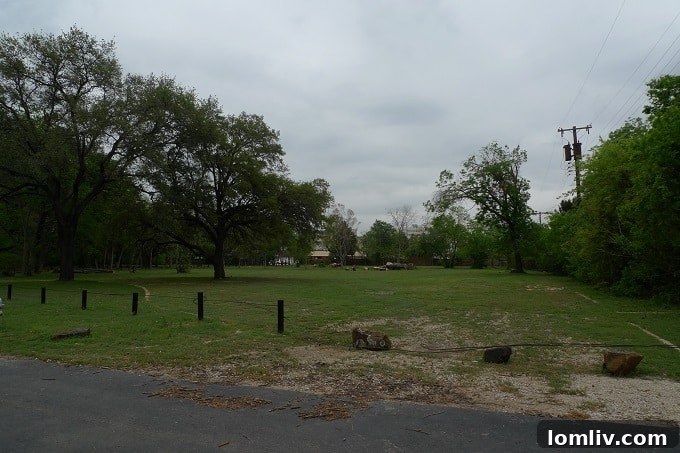
Adding another layer of intrigue to the Dallas real estate landscape are the ongoing discussions and “scuttlebutt” surrounding Mark Cuban’s extensive land holdings in Preston Hollow. Cuban has strategically acquired several lots over the years, including two each on Averill Way and Jourdan Way – the latter being a street whose name charmingly winds its way right up to Northwest Highway. His acquisitions date back as far as 1988, with the most recent purchase occurring in 2012, indicating a long-term interest in the area. While one of these lots currently hosts a single house, the sheer scale of his combined properties has raised significant concerns among local residents.
Neighbors are understandably apprehensive, even “petrified,” by the prospect that Cuban, known for his entrepreneurial vision and ambitious projects, might entertain the idea of developing this residential area into a chic shopping strip, echoing the upscale commercial vibrancy of a place like Coral Gables. The fear stems from the potential disruption to the quiet, residential character of Preston Hollow, a neighborhood highly valued for its tranquility and mature tree-lined streets. This concern is further amplified by the proximity of Ebby’s Little White House, a historical and iconic property that once symbolized the quaint, village-like essence of Preston Hollow, reminiscent of the 1500 Marilla Street equivalent in its local significance.
However, a major mitigating factor in this scenario is the current zoning classification: the area is definitively zoned residential. Any move towards commercial development would necessitate a complex and often contentious rezoning process, which would undoubtedly face strong opposition from the established community. When pressed on his intentions last February, Cuban offered a characteristically pragmatic, yet non-committal, response to Eric Nicholson: “Nothing definitive. I get and listen to offers all the time but I’m in no rush to do anything.” This statement, while not ruling out future possibilities, suggests that immediate commercial development is not a pressing priority for him. From a pragmatic standpoint, and perhaps one that aligns more harmoniously with the existing neighborhood fabric, an alternative approach might be more favorable. Instead of pushing for commercial zoning, Cuban could strategically develop a few magnificent mega-mansions on these lots, nestled behind elegant gates and adorned with exquisite landscaping. Such a development would not only align with the luxurious residential character of Preston Hollow but also cater to the demand for high-end homes in one of Dallas’s most coveted zip codes.
Conclusion: A Call for Vision and Collaboration in Dallas Urban Development
The story of Preston Center is a compelling case study in urban development, highlighting the profound impact of historical covenants and fragmented ownership on modern city planning. It underscores the challenges of revitalizing an area with immense potential, yet burdened by legacy issues and a lack of cohesive vision. While there are hopeful signs, such as the potential for new, upscale retail, the path to transforming Preston Center into a vibrant, luxury-oriented destination — one that truly complements its affluent surroundings and offers the refined shopping and dining experiences its residents desire — remains fraught with legal and logistical complexities. The collective will of property owners, alongside forward-thinking urban planning strategies, will be essential in unlocking this prime Dallas real estate’s full potential.
Meanwhile, the discussions surrounding Mark Cuban’s Preston Hollow holdings serve as a reminder of the delicate balance between development opportunities and the preservation of neighborhood character. The future of both Preston Center and its neighboring residential areas will depend on careful consideration, transparent dialogue, and decisions that align with long-term community benefits and sustainable urban growth. Only through such concerted efforts can Dallas ensure that its most valuable districts evolve into spaces that truly reflect the city’s aspiration for excellence.