The McKinney Pool Party Incident: A Jarring Image of Police Force and Racial Tensions in a Suburban Paradise
The summer of 2015 brought a shocking incident to the forefront of national headlines, shattering the quiet facade of McKinney, Texas, and igniting a fierce debate about police conduct, racial bias, and the perceptions of safety in suburban communities. What began as a seemingly innocent pool party hosted by teenagers quickly escalated into a confrontational scene involving local police, culminating in a jarring video that went viral and forced America to reckon with uncomfortable truths.
The core of the story, encapsulated by a widely circulated headline from the New York Times, painted a stark picture: “Jarring Image of Police’s Use of Force at Texas Pool Party.” This event, far from being an isolated incident, became another potent symbol in a series of highly publicized encounters between law enforcement and minority communities across the United States. The images of a police officer aggressively restraining a teenage girl and drawing his weapon on unarmed youths at a community pool sent shockwaves through the nation and beyond, profoundly impacting discussions on police brutality and racial justice.
The Origins of the Incident: A Suburban Gathering Goes Awry
The now-infamous pool party was organized by 20-year-old Tatiana and her family, residents of Craig Ranch, an affluent and diverse master-planned community in McKinney. Initially intended as a modest cookout for friends, the gathering quickly grew in size. According to various accounts, word spread through social media, leading to a much larger attendance than anticipated, with some estimates suggesting as many as 130 young people, many of whom were teenagers, converged on the community pool. This unexpected influx of guests, combined with the private nature of the facility, laid the groundwork for potential conflict.
The initial friction, however, reportedly stemmed not just from the party’s size but from an alleged confrontation between Tatiana and a white woman. Tatiana recounted the incident in a video posted to YouTube shortly after the event, claiming that her family and friends were hosting a cookout when a woman began insulting them. This exchange escalated when a 14-year-old family friend responded to the taunts. Tatiana further alleged that a white woman told her, “You need to go back to where you’re from” and to “go back to your Section 8 home.” When Tatiana questioned this statement, she claims another white woman struck her in the face, leading to both women reportedly attacking her. These allegations highlight a racial undertone to the initial dispute, contributing to the heightened tensions.
Meanwhile, the party itself was indeed becoming unruly. Residents and security personnel noted that many attendees, after being turned away from the main entrance by a security guard, began scaling the pool’s fence to gain entry. This unauthorized access and the sheer volume of teenagers ultimately prompted the security guard to call the police, setting the stage for the dramatic and widely publicized events that followed. The situation was ripe for misinterpretation and escalation, particularly given the large number of young people and the perceived disruption to the community’s peace.
The Viral Video and Officer Casebolt’s Controversial Actions
When McKinney Police arrived at the scene, the situation quickly spiraled out of control. The most disturbing moments were captured on video by a bystander and rapidly spread across social media platforms, drawing millions of views and widespread condemnation. The footage prominently featured Officer David Eric Casebolt, who was seen yelling at teenagers, throwing a 15-year-old girl named Dajerria Becton to the ground, and pinning her face into the grass. Even more alarming, Casebolt was observed pulling his gun and briefly brandishing it at several unarmed teenagers who were attempting to intervene or observe the unfolding chaos.
The sheer force and aggression displayed by Officer Casebolt in a situation involving mostly unarmed teenagers, many in swimwear, shocked viewers. The contrast between the suburban setting of a community pool and the intense police response was stark. Benét Embry, a local resident and host of an Internet-radio talk show, witnessed parts of the incident. While expressing concern, he offered a nuanced perspective: “As an African-American male, of course I had a concern seeing a 14-year-old African-American female in a swimsuit on the ground. Of course I had concerns when I saw the officer pulling a gun. That’s when I started thanking God that nobody got hurt. But I don’t believe that the officer was coming out to pick on black kids.” Embry’s statement highlighted the immediate visual impact of the incident while also touching on the complexities of interpreting police intent versus the observed outcome of their actions.
The visual evidence provided by the video was indisputable: an officer acting with significant aggression, seemingly disproportionate to the situation. This footage became a critical piece of evidence in the subsequent public and legal discourse, fueling calls for accountability and sparking a broader conversation about police training, de-escalation tactics, and the potential for racial bias in law enforcement interactions.
McKinney’s Lost Innocence and the National Spotlight
Prior to this incident, McKinney was widely regarded as a desirable, peaceful suburban haven. Often praised for its high quality of life, excellent schools, and strong employment corridor, it was the kind of place many families sought out to escape the very types of social unrest and conflict depicted in the viral video. Yet, overnight, this leafy suburban paradise became the national poster child for police brutality and racial tensions, joining a growing list of communities grappling with similar issues such as Ferguson, Missouri, and Baltimore, Maryland.
The suburban backdrop of the incident amplified its impact, making the images particularly powerful and disturbing. It challenged the prevailing narrative that such aggressive police encounters were confined to crime-ridden urban areas or economically distressed neighborhoods. The sight of a police officer pointing a gun at teenagers in bathing suits and violently restraining a young black girl in a manicured community underscored the uncomfortable reality that issues of race and policing transcend geographical and socioeconomic boundaries. It transformed the McKinney pool party into the latest flashpoint in the ongoing national conversation about relations between law enforcement and minority populations, proving that no community is immune to these deeply rooted societal challenges.
This incident forced residents and observers alike to confront the gap between the idyllic image McKinney projected and the realities of racial and social tensions that can exist beneath the surface of any community. It highlighted the fragility of perceived peace and the ease with which it can be shattered by a single, widely documented event.
The Aftermath: Investigation and Public Outcry
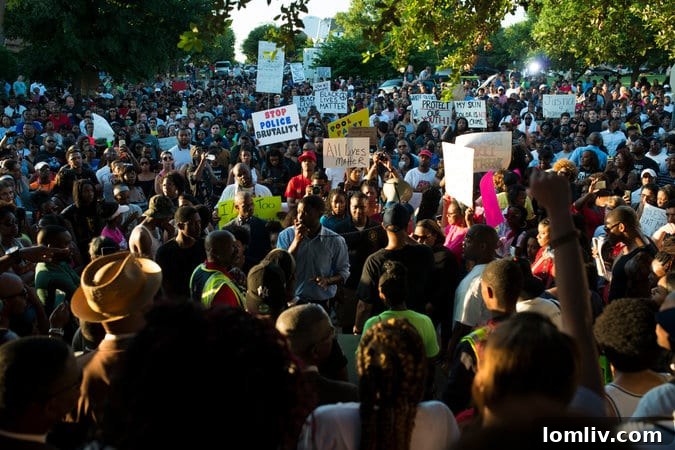
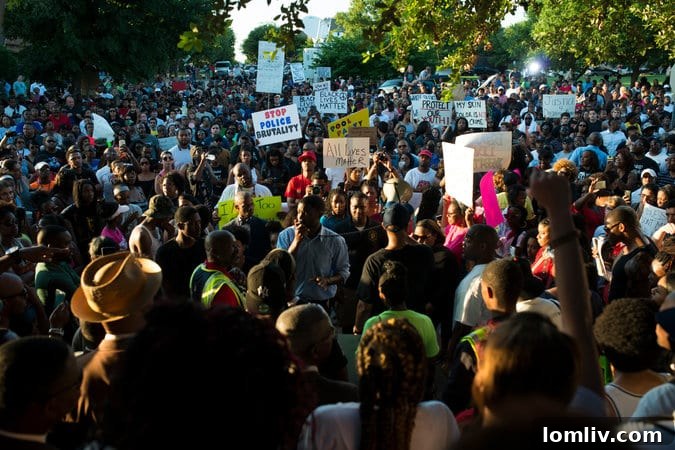
The immediate fallout from the incident was immense. Officer David Eric Casebolt was swiftly placed on administrative leave and, shortly thereafter, resigned from the McKinney Police Department. An investigation was launched into his conduct, fueled by intense public pressure and widespread media attention. Protests erupted in McKinney, with community members and activists demanding accountability and justice for the teenagers involved. The incident sparked a vigorous debate about police training, de-escalation tactics, and the implicit biases that can influence law enforcement actions. The officer was eventually charged with misdemeanor assault but was later acquitted, a decision that further fueled public frustration and skepticism about the justice system.
The local community found itself divided, with some residents defending the police’s right to control a large, potentially unruly gathering, while others condemned Casebolt’s excessive force and called for systemic changes. This division revealed underlying racial tensions within Craig Ranch and McKinney as a whole, forcing a critical examination of how different segments of the community experienced and perceived law enforcement. Public forums and town halls were organized, demonstrating a desperate need for dialogue but often highlighting the deep chasm in understanding and empathy among residents.
The incident also led to a renewed focus on the role of homeowners’ associations and their security protocols, particularly in diverse communities. Questions arose about whether the initial call to police was an overreaction or if it stemmed from underlying prejudices within the community itself. This introspection became a difficult but necessary step for McKinney as it tried to heal and move forward.
A Global Reflection on American Policing
The McKinney pool party video didn’t just reverberate across the United States; it captured global attention. International news outlets broadcast the footage, contributing to an evolving — and often negative — perception of American law enforcement worldwide. The image of American police, once seen by some as symbols of order and justice, began to shift towards one of fear and intimidation for others. As the original article noted, a young woman from Bogota, Colombia, who had seen the video on TV, expressed this sentiment succinctly: “American police terrify me. I am so afraid of them.”
This stark observation highlights the broader implications of such incidents. They not only erode trust within American communities but also impact the nation’s standing and image on the international stage. Each viral video of police misconduct contributes to a narrative that questions the principles of justice and civil liberties in a country that often champions them globally. Whether Officer Casebolt’s actions were an isolated lapse in judgment or indicative of deeper systemic issues, the incident undeniably added another “nail in the coffin” for the public image of American police in the eyes of many worldwide, solidifying concerns about racial profiling and excessive force.
The global lens through which these events are viewed adds another layer of complexity to America’s self-perception and its role as a beacon of democracy. The McKinney incident served as a stark reminder that domestic issues have international repercussions, shaping perceptions and influencing diplomatic relations.
Lessons and Legacy: The Path Forward for McKinney and Beyond
The McKinney pool party incident served as a potent, if painful, teachable moment. It underscored the critical need for comprehensive police reform, including enhanced training in de-escalation techniques, cultural sensitivity, and implicit bias recognition. It highlighted the power of citizen journalism and social media in holding authorities accountable and shaping public discourse. More fundamentally, it brought to light the ongoing struggle for racial equity and justice, even in communities that outwardly appear to have overcome such divisions. The incident forced many to acknowledge that systemic issues often lie beneath the surface, regardless of a community’s demographic makeup or economic status.
Years later, the memory of the McKinney incident continues to resonate. It remains a powerful case study in how quickly a seemingly minor event can escalate into a national crisis, exposing deep-seated societal issues. For McKinney, it represented a loss of innocence, a moment when its perceived tranquility was disrupted by the harsh realities of racial tension and police overreach. For the nation, it reinforced the urgent necessity of fostering better relationships between law enforcement and the communities they serve, ensuring that peace and safety are truly equitable for all residents, regardless of their background.
The incident continues to prompt questions about how communities can proactively address underlying tensions, prevent such escalations, and rebuild trust when it is broken. It reminds us that the pursuit of justice and equality is an ongoing journey, requiring constant vigilance, open dialogue, and a commitment to understanding and addressing the experiences of all citizens. The McKinney pool party incident stands as a vivid reminder that the quest for a truly just and equitable society is a continuous endeavor, demanding collective effort and unwavering dedication.