 In the ever-evolving world of real estate, certain listings possess an uncanny ability to transcend typical property showcases, catapulting from local MLS databases into the viral stratosphere of the internet. This phenomenon is something we’ve frequently observed, often under the banner of our “Wednesday WTF” series, where the unusual, the unexpected, and the downright bizarre converge. However, rarely has a listing arrived with such impeccable timing and fervent viral traction as the now-infamous “50 Shades of Real Estate,” which captivated audiences just in time for Valentine’s Day. It wasn’t merely a unique home; it was a conversation starter, a digital sensation that brought the typically discreet world of property sales into the full glare of public scrutiny.

Over the years, our inboxes have been flooded with a fascinating array of peculiar listings: from homes featuring surprisingly scantily clad individuals in their marketing photos to properties overflowing with an almost unbelievable number of statues, and even a casual snapshot of someone sipping from a Pringles can. Yet, this particular listing truly managed to galvanize the internet, stirring up an almost unprecedented level of discussion and intrigue. The sheer volume of emails, tips, and social media mentions was staggering, compelling us to dedicate an entirely new digital folder just to manage the influx. There’s no denying the immediate and overwhelming response, creating a sense of being metaphorically bound by the sheer volume of engagement. This engagement, while entertaining, also prompts a deeper dive into the implications of such viral phenomena in the real estate market.
The subject of all this attention was a truly stunning property located at 1612 Norristown Rd in Maple Glen, Pennsylvania. Far from being an eccentric niche property on the surface, this residence presents itself as a beautifully updated and meticulously maintained Colonial-style home. With five spacious bedrooms and three well-appointed bathrooms spread across more than 5,000 square feet, it offers an abundance of living space. Its classic architectural charm, combined with modern updates, positions it as an undeniably ideal family home, perfect for those seeking comfort, elegance, and ample room to grow in a desirable Pennsylvania community. Yet, beneath this seemingly conventional facade lay a secret that would soon captivate, and at times shock, the online world.
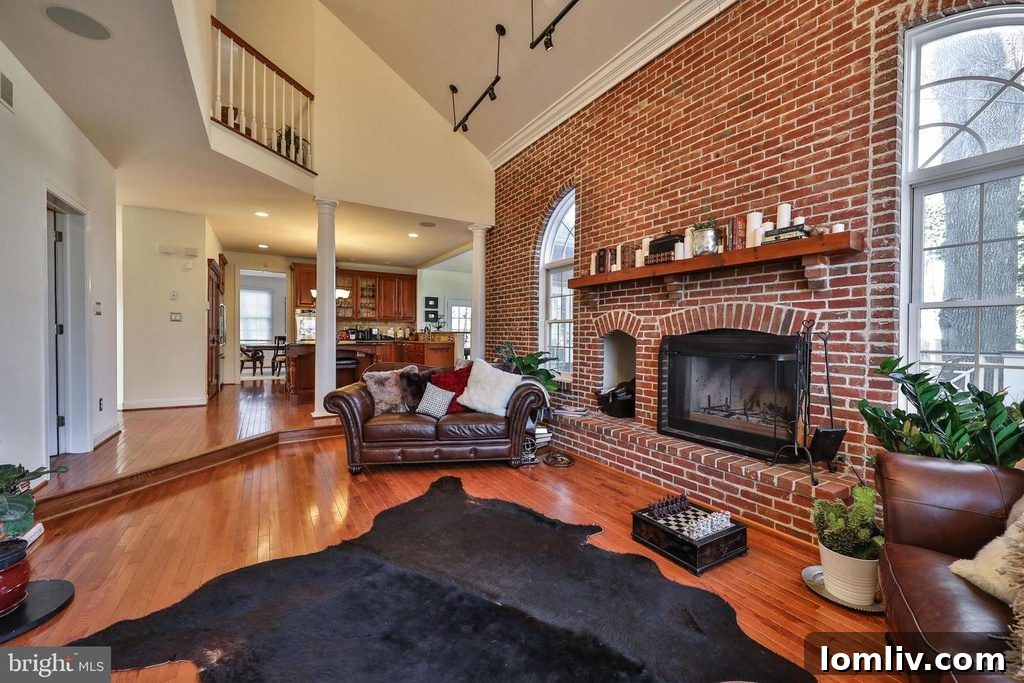
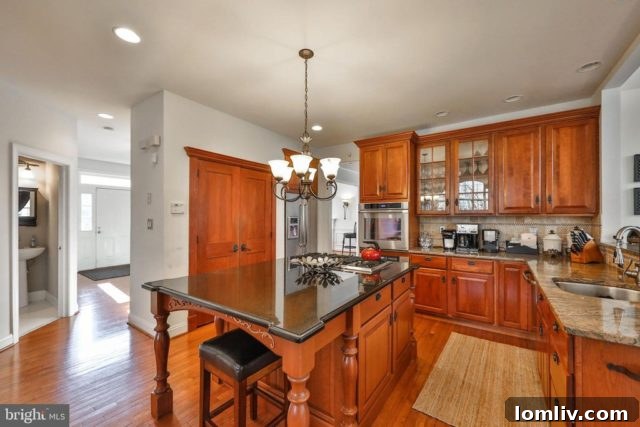
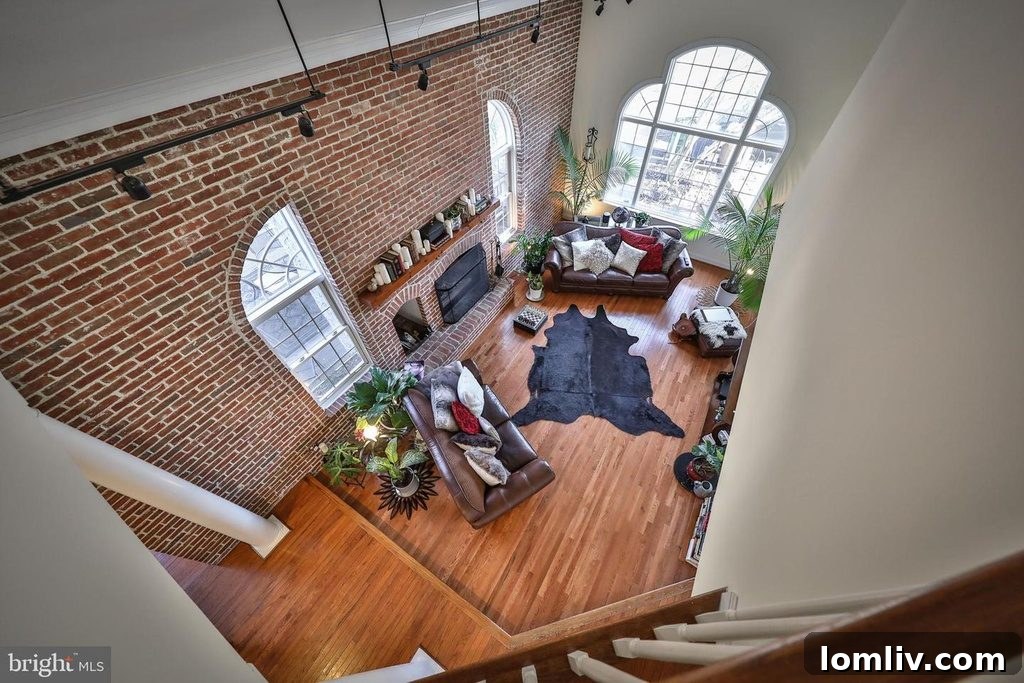
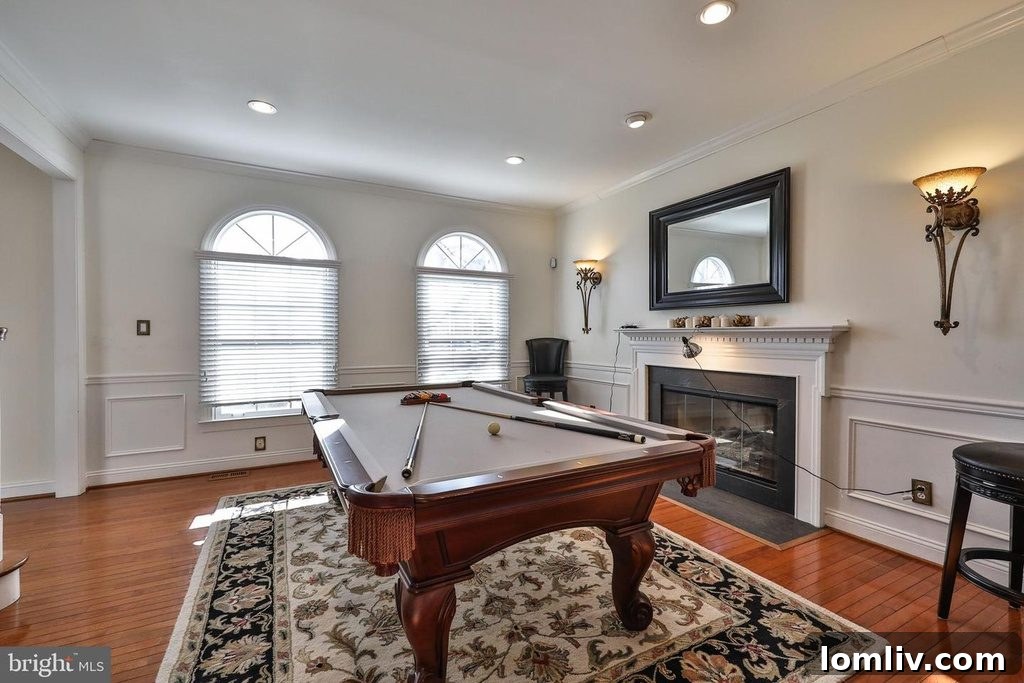
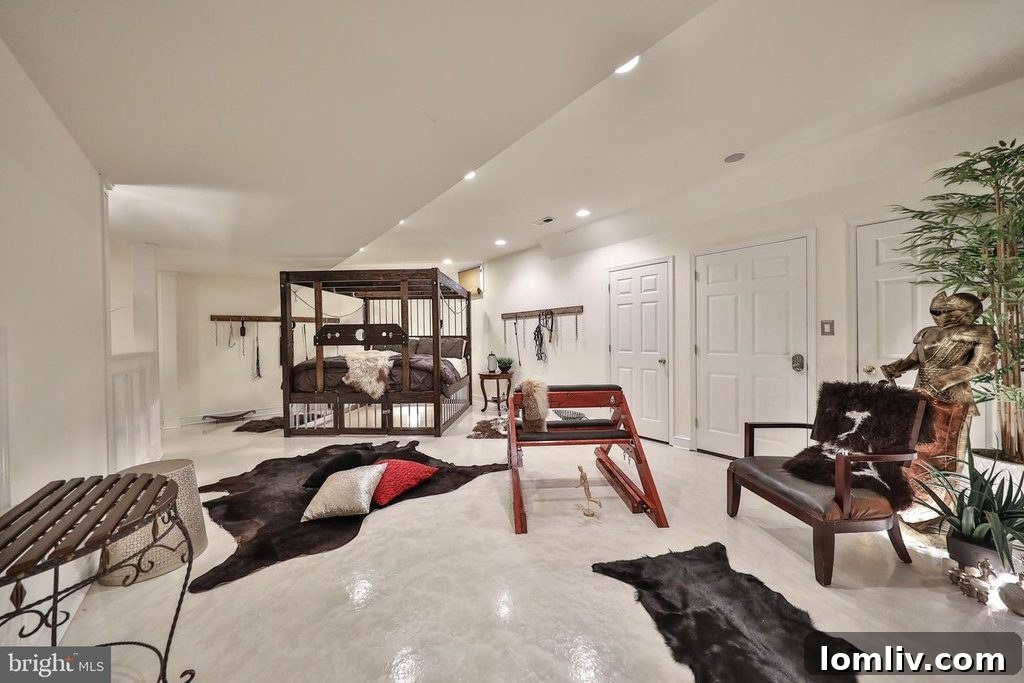
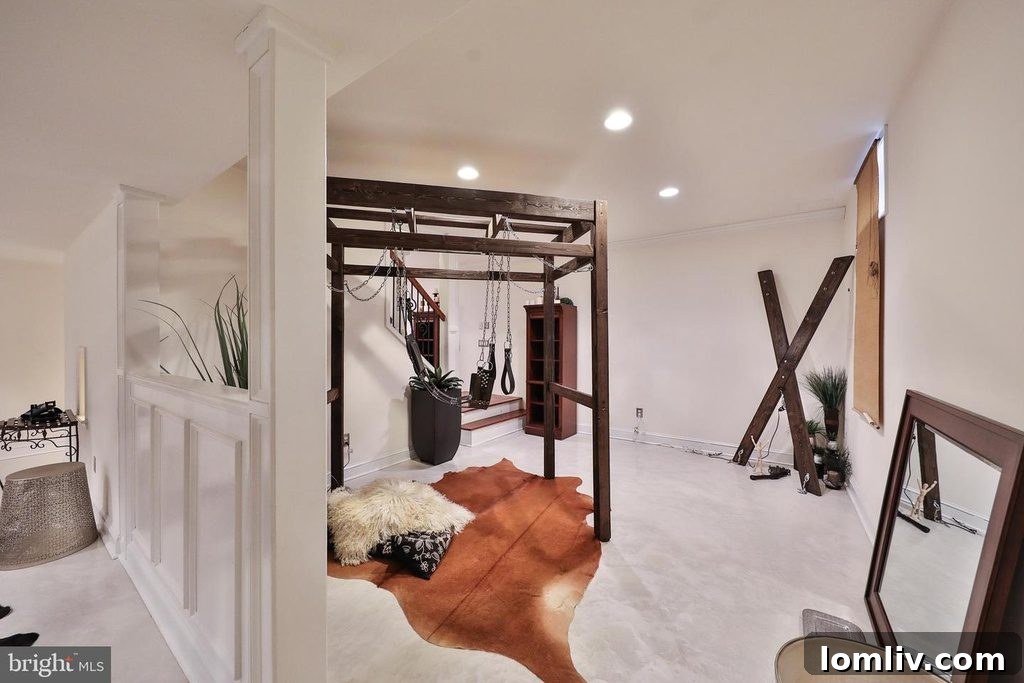
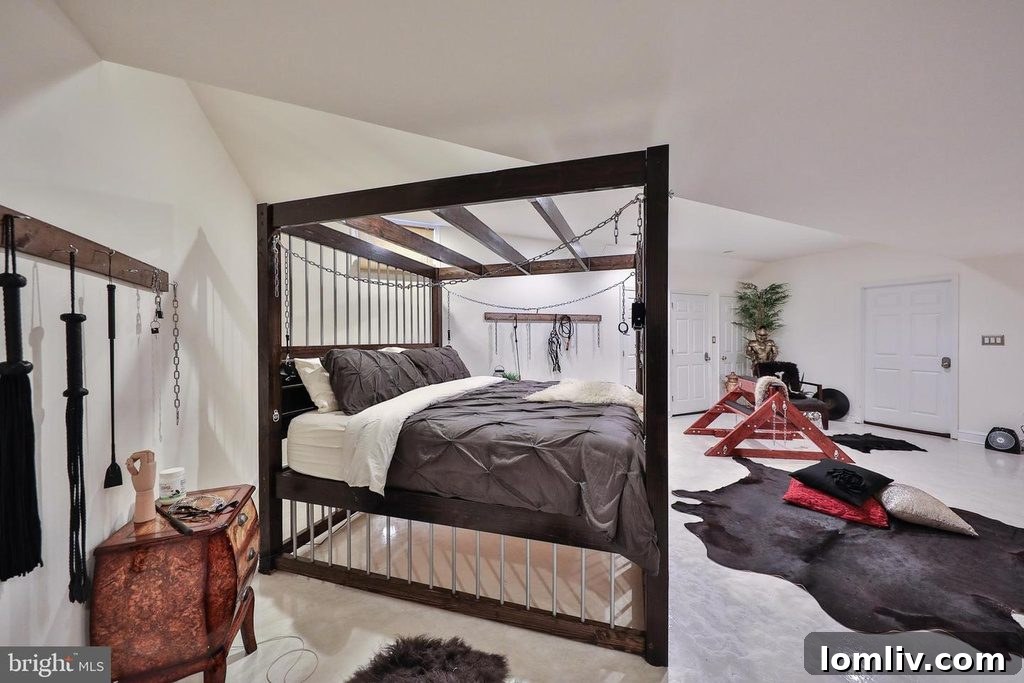
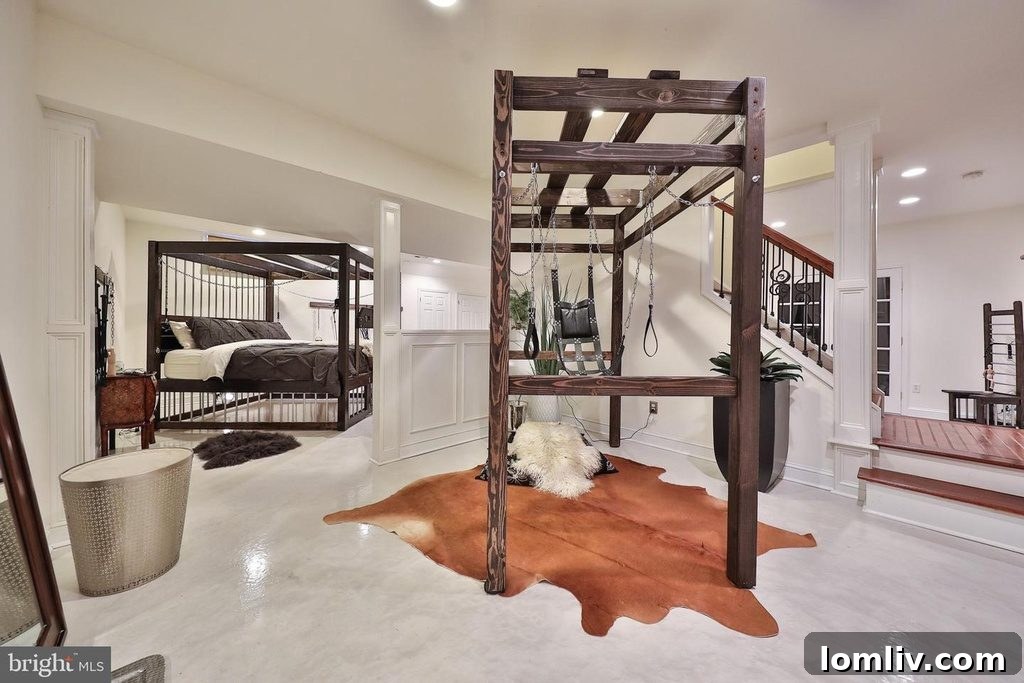
The startling revelation, and the reason for its widespread notoriety, was the presence of what the internet quickly dubbed a “sex dungeon” or, as the more euphemistic description put it, a “private adult sexual oasis.” While we maintain an open-minded stance regarding consensual adult activities, this particular feature raises profound questions within the realm of real estate marketing and professional ethics. It forces us to confront the boundaries of disclosure, the impact of sensationalism, and the true efficacy of viral attention in facilitating a successful home sale. Is generating buzz truly synonymous with attracting qualified buyers? Or does it merely invite curiosity seekers, ultimately complicating the sales process?
 This incident compels us to revisit a critical question: Does going viral ultimately lead to a home sale? Our past experiences with similarly unconventional listings provide a compelling, albeit discouraging, answer. Consider the listing in Conroe, Texas, which featured half-naked individuals in its photos; despite widespread media attention, that property remains on the market. Similarly, the “Lionsgate Estate,” renowned for its overwhelming collection of statues, also continues to seek a buyer. These examples suggest a significant disconnect between online notoriety and concrete sales. While such listings undeniably generate immense traffic and attract a legion of “looky-loos,” this increased visibility rarely translates into serious offers from genuinely interested and qualified buyers. For a Realtor, this presents a significant dilemma: how does one balance the need for exposure with the objective of a timely and profitable sale?
The Realtor representing the Maple Glen property offered her rationale in an interview, stating, “I felt that I had to put the pictures in the way it was so someone would not walk in and be surprised. [A buyer] may like it or they may decide to take it out. It’s only furniture.” This perspective highlights a common ethical tightrope walked by real estate professionals: the imperative for full disclosure versus the desire to present a property in its most appealing light. While the intent to prevent surprises is understandable, the choice to publish such provocative images publicly sparked a fierce debate about the most appropriate methods of disclosure, especially when dealing with highly personal or niche features. Moreover, the argument that “it’s only furniture” somewhat minimizes the psychological impact and immediate impression such features can create, potentially overshadowing the property’s inherent value and family-friendly attributes.
The aftermath of the listing’s virality extended beyond mere online chatter. It reportedly disturbed neighbors, many of whom were previously unaware of not only the existence of such a private space next door but also its alleged use as an Airbnb rental. This raises important questions about community impact, privacy, and the implications of short-term rental operations in residential areas. Furthermore, reports suggest that the sellers themselves were keen on including these photos in the listing, perhaps aiming to appeal to a very specific market segment or to highlight the property’s unique income-generating potential as a specialty Airbnb. Their charming explanation of how they conceived the idea of creating such a distinctive rental space further complicates the narrative, revealing a deliberate choice rather than an accidental oversight. However, despite the initial buzz and the sellers’ intentions, the “offending photos” were eventually pulled from the public listing, underscoring the pressure and controversy generated by their exposure.

The removal of the photos, though perhaps a necessary step to de-escalate the situation, prompts a deeper inquiry into best practices for Realtors. Given that the agent was only permitting showings to qualified buyers accompanied by a Realtor, couldn’t a more discreet method of disclosure have been employed? For instance, a note within the Multiple Listing Service (MLS), accessible only to fellow agents, could have effectively alerted potential buyers’ representatives to the home’s “special characteristics.” This approach would have ensured necessary transparency without publicly broadcasting highly personal or potentially off-putting features to the broader internet. It allows for a targeted discussion with serious clients, enabling the Realtor to explain the situation and gauge genuine interest, rather than subjecting the property, and its owners, to widespread public scrutiny and judgment.

This entire scenario serves as a powerful case study for Realtors everywhere. It compels us to consider: What are the ethical lines in real estate photography and marketing? Would you, as an agent, have chosen to post such photos publicly, or would you have opted for a more private disclosure method? Furthermore, from the perspective of a potential buyer, how would features like a Saint Andrew’s Cross or a closet brimming with floggers impact your perception of an otherwise beautiful and spacious home? Would these elements instantly turn you away, or would you view them merely as “furniture” that can be easily removed, allowing you to appreciate the underlying value of the property? These are not simple questions, and the answers often reveal the complex interplay of personal taste, professional judgment, and market realities in the dynamic world of real estate.
To provide full context and allow for informed discussion, we have included the now-deleted photos below. After all, when a listing becomes this talked about, it’s imperative to have access to the imagery that sparked the conversation. These images are presented for analytical purposes, offering a rare glimpse into the controversial elements that propelled this Maple Glen Colonial into an unforgettable chapter of viral real estate history. They serve as a visual testament to the challenges and opportunities that arise when unique personal expressions intersect with the mainstream market, challenging conventional notions of home staging and property presentation.