Unveiling “Why We Don’t”: Dallas’s Ongoing Struggle with Historic Preservation
In the heart of Texas, a puzzling question persists: Why does a city as vibrant and historically rich as Dallas struggle so profoundly with historic preservation? Why do magnificent historic homes, once symbols of architectural grandeur and community heritage, frequently meet the wrecking ball? Why doesn’t Dallas, a city proud of its rapid development and cultural offerings, consistently value and protect its tangible past? These are not merely rhetorical questions but urgent inquiries that dedicated preservationists Ron Siebler and Mark Birnbaum aim to explore and answer in their compelling upcoming documentary, Why We Don’t: The Never-Ending Loss of Our Structural Heritage.
This film promises to delve deep into the multifaceted challenges hindering historic preservation efforts across Dallas, examining the economic, sociological, and awareness-related factors that contribute to the ongoing loss of irreplaceable architectural treasures. Through candid interviews and poignant case studies, Siebler and Birnbaum seek to ignite a crucial conversation about the intrinsic value of our built environment and the long-term consequences of its disappearance.
Meet the Visionaries: Ron Siebler and Mark Birnbaum
At the forefront of this vital documentary project is Ron Siebler, a name synonymous with residential remodeling and historic preservation in Dallas. As the president of Siebler, Inc., Ron has dedicated his career to restoring and protecting architectural integrity, earning widespread recognition for his meticulous craftsmanship and unwavering commitment. His expertise is not merely theoretical; it’s proven through a string of prestigious accolades.
Siebler has twice been honored with the ASID Dallas Design Community Designers’ Choice Award for Contractor/Remodeler, a testament to his exceptional skill and design sensibility. In 2016, Preservation Dallas bestowed upon him the esteemed Craftsman of the Year Award, acknowledging his significant contributions to preserving the city’s built heritage. Further solidifying his reputation, his work received the prestigious Gail Thoma Patterson Award in May 2019. Since 2014, Siebler has accumulated nine Achievement Awards from Preservation Dallas and a special recognition award from Preservation Texas, underscoring his consistent excellence and tireless efforts in the field.
Many in Dallas may also recognize Siebler’s name from his instrumental involvement with the Dallas Holocaust and Human Rights Museum. He played a crucial role in the preservation and meticulous recreation of a historic railroad boxcar, an artifact used by the German Army during World War II. This challenging project demonstrated his profound ability to handle sensitive historical artifacts with the utmost care and respect, a skill that perfectly aligns with the mission of architectural preservation. Given his extensive and impressive credentials in historic preservation, it was only natural that the Park Cities Historic and Preservation Society sought out Siebler’s expertise and passion for this crucial project.
Siebler firmly believes that public education is the bedrock of successful preservation work. He understands that to truly foster a culture of preservation, the public must grasp its importance. The most effective way to achieve this, he contends, is through compelling storytelling. It was this conviction that led him to reach out to acclaimed filmmaker Mark Birnbaum. Birnbaum, known for his ability to craft engaging narratives, had recently completed a year-long documentary chronicling the venerable Hall of State in Fair Park, showcasing his talent for bringing historical subjects to life on screen.
“Ron actually put me on a new path as a documentary filmmaker,” Birnbaum shared, reflecting on their collaboration. “About five years ago, he asked me to come to Dallas Heritage Village to shoot a video while he was restoring the church. I was hooked. Documenting preservation efforts is important to me because there is something about the combination of history, art, and science that I find fascinating. It’s at the heart of preservation. It yields an interesting story, and I’m a storyteller.” This mutual passion for narrative and heritage forms the powerful core of their partnership, promising a documentary that is both informative and emotionally resonant.
The Uncomfortable Truth: Why Dallas Loses Its Heritage
While the public often hears about the triumphant success stories in historic preservation—buildings saved from demolition, structures meticulously restored to their former glory—Siebler and Birnbaum aim to explore the less comfortable, yet equally critical, “flip side” of this narrative. Their documentary seeks to expose the underlying reasons why, despite growing awareness, so many significant properties are still lost.
“With the interviews that will be coming, we will have a wide variety of experiences and opinions on why buildings are allowed to be destroyed,” Birnbaum explained, highlighting the diversity of perspectives they plan to include. He draws a stark contrast with other urban centers: “Other places have pretty good rules about preservation and why it’s essential. We don’t. Do people know about the history, and do they care?” This question of public awareness and civic engagement is central to the film’s inquiry, probing whether a lack of understanding contributes to indifference.
Siebler elaborates on the core issues: “We don’t save these properties because of a lack of awareness of the skill it took to make them, a lack of appreciation for a historic house. It’s a piece of art.” He stresses the need to shift public perception, to view historic structures not merely as old buildings but as irreplaceable works of art, embedded with cultural and historical significance. “We want to help people understand historic preservation. We want to make a film about why people do not preserve. It’s economical and sociological.”
The challenges are not always straightforward. Siebler points out the paradoxes within current preservation efforts: “We create historic districts, but then we create standards that people cannot reach, like in Tenth Street.” This highlights a critical flaw where well-intentioned regulations can inadvertently become impediments, making preservation financially or logistically impossible for property owners. Ultimately, he asserts, “There are impediments to successful preservation, and then it’s down to simple economics. Two things are always an impediment: perspective, and economics. Preservation has to work economically.” For preservation to truly succeed on a large scale, it must be both understood and economically viable.
The Carey/Hill Estate: A Case Study in Loss and Innovative Legacy
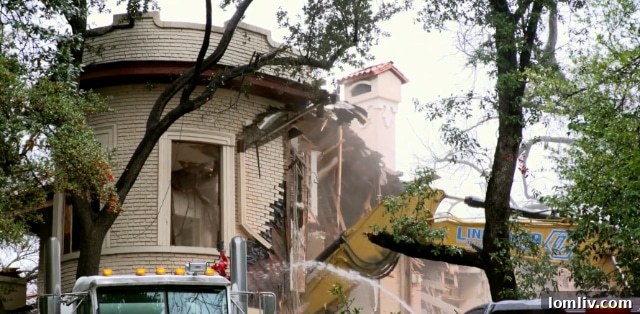
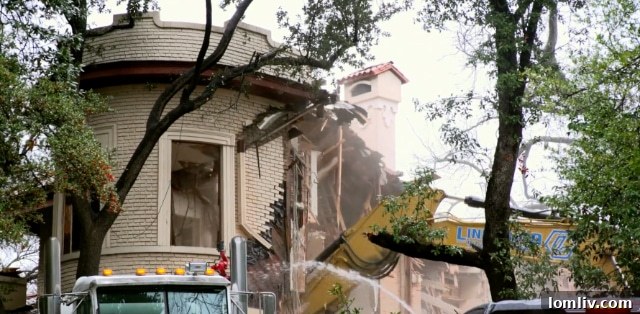
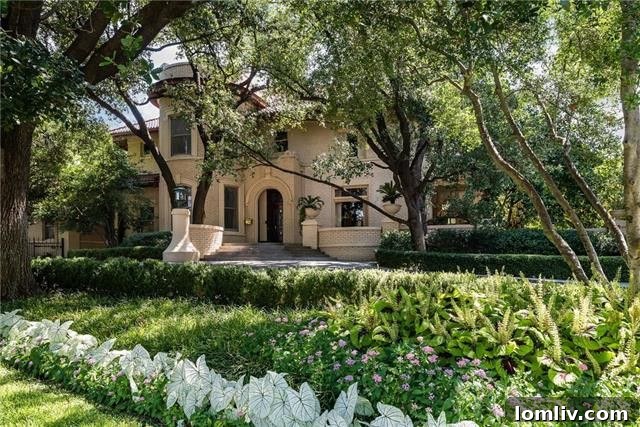
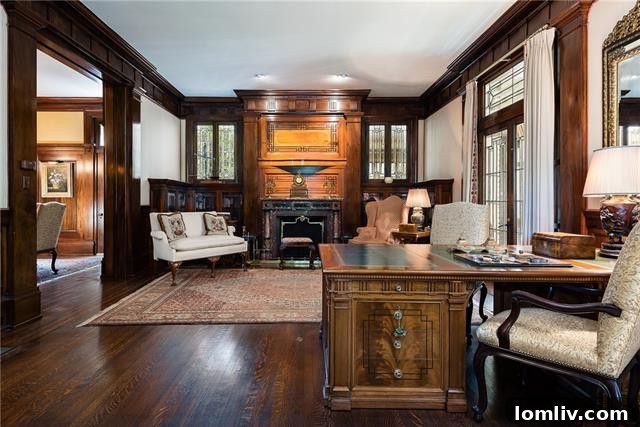
The poignant heart of this documentary is the story of the Carey estate, widely recognized by many as the esteemed Hill estate. This magnificent property, a true Dallas landmark, garnered significant attention and profound sadness when it was ultimately demolished. Many, including the authors of this piece, shed tears over its demise. However, Siebler is quick to highlight a crucial point: despite the tragic loss of this historic home, a remarkable success story emerged from its ashes.
“The Hill family made an enormous effort to sell the house for a year,” Siebler revealed. This statement forces a sobering reflection: Why, in an entire year, did no prospective buyer step forward to preserve such an important piece of Dallas history? How long can an owner reasonably be expected to wait, bearing the costs and uncertainties, for that elusive “perfect buyer” who is both willing and able to undertake the complex task of historic preservation? These questions serve as powerful food for thought, underscoring the severe economic and practical challenges inherent in saving private historic properties.
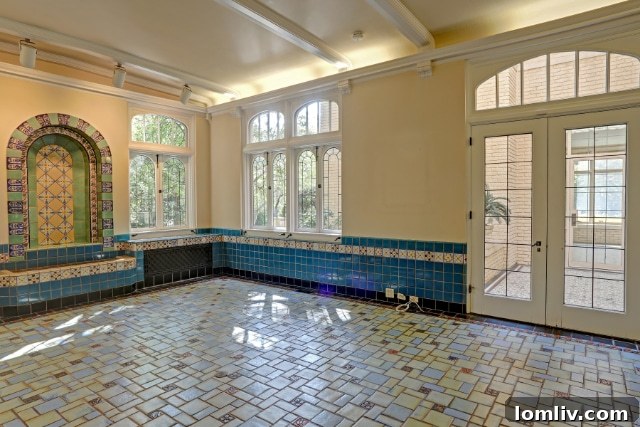
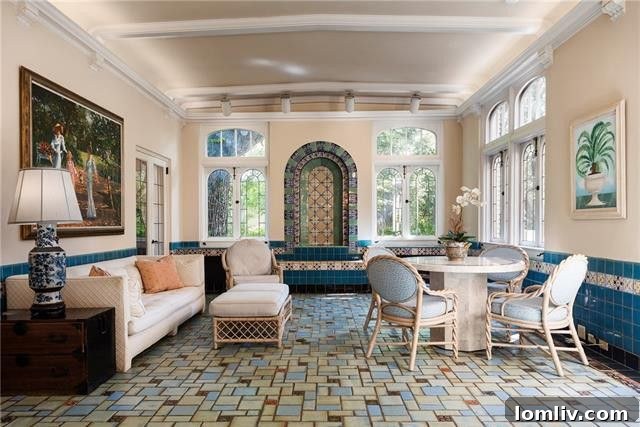
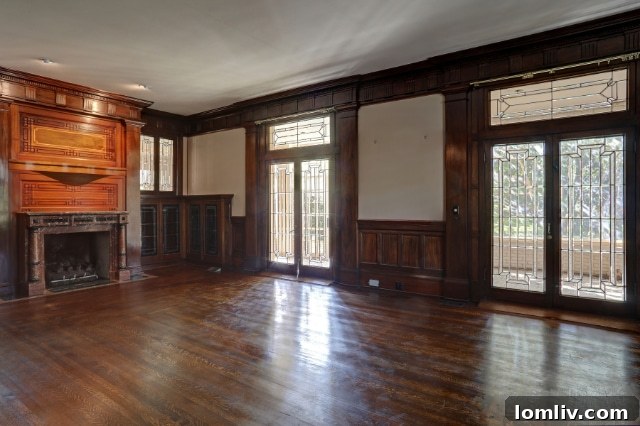
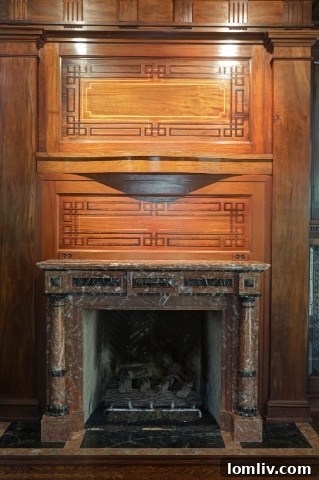
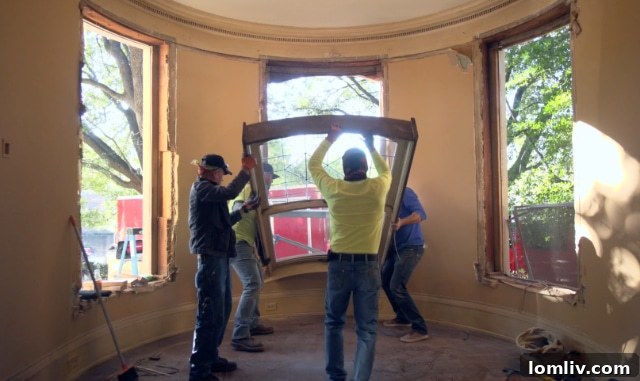
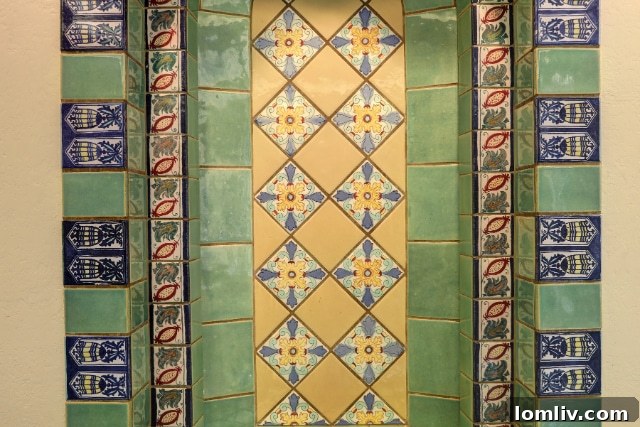
When the Hill family eventually sold the property and learned that the new owners would not maintain the estate intact, they took what they considered the next best course of action. They proactively reached out to the Park Cities Historic and Preservation Society. This swift action initiated a chain of events aimed at salvaging what could be saved. The Society, in turn, contacted filmmaker Mark Birnbaum and photographer Fred Hight, commissioning them to thoroughly document the home before its final dismantling. Crucially, they also encouraged the careful harvesting of the home’s most significant architectural elements. This process, often likened to “organ donation” for buildings, ensures that many parts of this once-grand house—from intricate millwork to antique fixtures—will find new life, enhancing other homes and buildings that may have lost similar essential features over time. It’s a pragmatic approach to preserving a legacy when outright preservation is no longer possible.
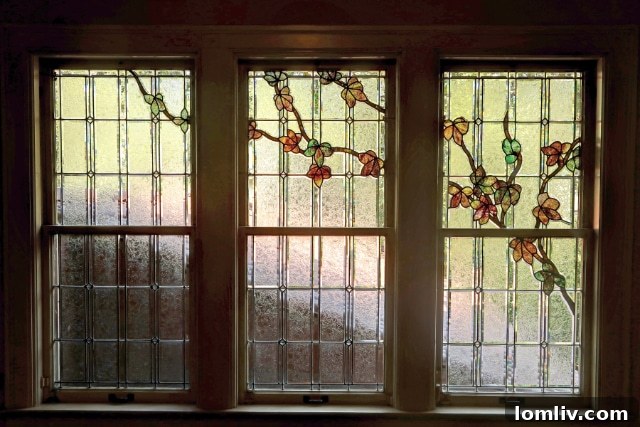
Birnbaum was granted unique access to film both the careful removal of these structural elements and the ultimate demolition of the home. The trailer for Why We Don’t is intentionally dramatic, a necessary choice to capture public attention and underscore the urgency of the message. This raw, emotional portrayal is designed to compel viewers to engage with the educational process, making them aware of the gravity of what is being lost, and motivating them to support efforts to save what remains of our architectural heritage.
“We had two goals with the Hill estate,” Siebler stated, outlining the dual purpose of their salvage mission. “The first was to preserve the architectural elements, and the second was to document the house’s existence.” He emphasized that this documentation goes beyond merely chronicling a single loss. “We will use the film to take on a much broader storyline. Education is critical — understanding why it is important to preserve as well as the practical side. Preservation is practical, starting from the carbon footprint to the longevity of protecting the materials.” This highlights the often-overlooked environmental and economic benefits of preservation.
“I hope this can be a model to follow in the future when a house may not be able to be saved,” Siebler concluded, offering a glimmer of hope that even in loss, a new standard for responsible deconstruction and architectural salvage can be established, turning tragedy into a valuable lesson for future generations.
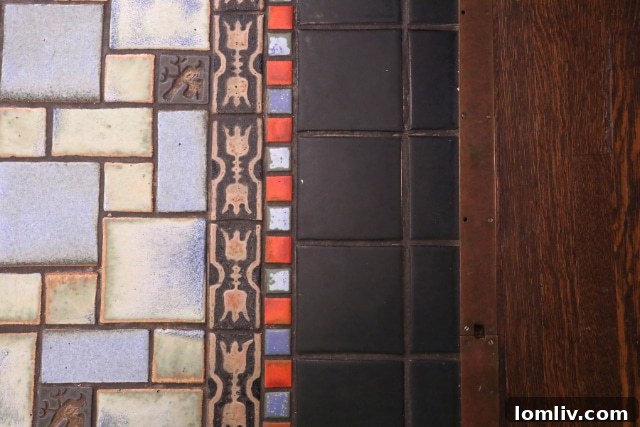
The painstaking process of harvesting materials from the Carey/Hill estate, undertaken by Phoenix 1, spanned approximately three weeks. During this period, a vast array of historical elements were meticulously salvaged, ranging from original wood floors, intricate tiles, and exquisite marble to antique windows, decorative trim, and even entire room panels. One particularly notable example was the dining room’s inlaid mahogany panels, which are destined for a new life, repurposed by artist Nancy Rebal in her home in Corsicana. Dale Sellers, the discerning owner of Phoenix 1, recognized the inherent value of these components and acquired all the windows and doors, planning to integrate them into future projects, ensuring their continued use and appreciation.
The proceeds generated from the sale of these salvaged materials will serve a critical purpose: funding a Historic Structures Report. This report is an invaluable document, functioning as a comprehensive record of the home’s past, detailing its historical significance, architectural features, and condition. It’s not merely a historical record but a fundamental building block that paves the way for future successful preservation endeavors, offering insights and lessons learned from a structure that, though lost, continues to contribute to the understanding of Dallas’s architectural legacy.
Changing Hearts and Minds: The Path Forward
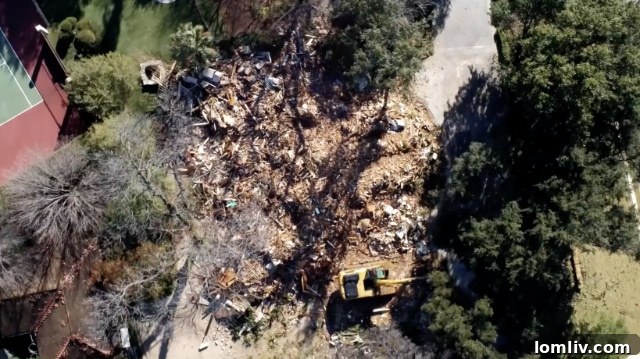
“It’s hearts and minds we have to change,” Siebler emphasized, distilling the immense challenge of historic preservation into a fundamental human equation. He argues that while ordinances and regulations have their place, they are often insufficient on their own. True, lasting preservation hinges on a deeper societal shift. “We do that through education. We can write ordinances all day long, but when we make people aware of these works of art and their intrinsic value, that is when preservation will be successful.”
The documentary Why We Don’t: The Never-Ending Loss of Our Structural Heritage, through its honest portrayal of triumphs, failures, and innovative solutions like architectural salvage, seeks to be that catalyst for change. It’s an urgent call to action, urging Dallas residents and policymakers alike to look beyond immediate development pressures and recognize the profound, enduring value of their shared architectural legacy. By fostering a greater understanding and appreciation for these irreplaceable structures, Siebler and Birnbaum hope to inspire a future where Dallas actively champions its past, preserving its unique character for generations to come.
Watch the Trailer for “Why We Don’t”
Discover the compelling narrative and urgent message behind this important documentary. Watch the trailer for Why We Don’t: The Never-Ending Loss of Our Structural Heritage below: