By Willis Winters
Special Contributor
On November 8, Dallas residents are presented with a truly unique, once-in-a-lifetime opportunity to shape the future of one of our city’s most cherished and iconic landmarks: Fair Park. Voters will consider approving up to $300 million in critically needed enhancements for this historic treasure, ensuring its vitality and relevance for generations to come. This proposed investment is not just about preserving old buildings; it’s about revitalizing a cornerstone of Dallas’s identity, an engine for cultural enrichment, and a significant contributor to the local economy.
Crucially, this substantial funding will be generated through a proposed 2 percent increase in the hotel/motel tax. This means the financial burden will fall squarely on visitors who choose to stay overnight in Dallas hotels, making it a visitor-funded initiative. For Dallas residents, this translates to absolutely no increase in either property or sales tax. This innovative funding model ensures that the necessary improvements for Fair Park can proceed without impacting the wallets of local taxpayers, making it a win-win for the city and its residents.
The foresight behind this funding mechanism is impressive. The increase in the hotel/motel tax is projected to generate approximately $1.5 billion over the next three decades. This significant sum is earmarked for two vital projects: the expansion of the downtown Dallas convention center, a crucial development for the city’s economic future, and, equally important, the much-needed improvements at Fair Park. This dual approach underscores a strategic vision for Dallas, enhancing both its business infrastructure and its cultural heritage.
The legal framework for this funding was established through groundbreaking legislation originally passed in 1997, which Dallas successfully utilized to finance the construction of the American Airlines Center. Last year, under the expert guidance and recommendations of State Rep. Rafael Anchia and State Sen. Royce West, and with the collective efforts of a bipartisan group of lawmakers, this pivotal bill was thoughtfully amended. A key exclusion that previously restricted the use of these funds for public parks was removed, paving the way for Fair Park to finally access the capital it desperately needs. This legislative triumph represents a deep understanding of Fair Park’s enduring value to the community.
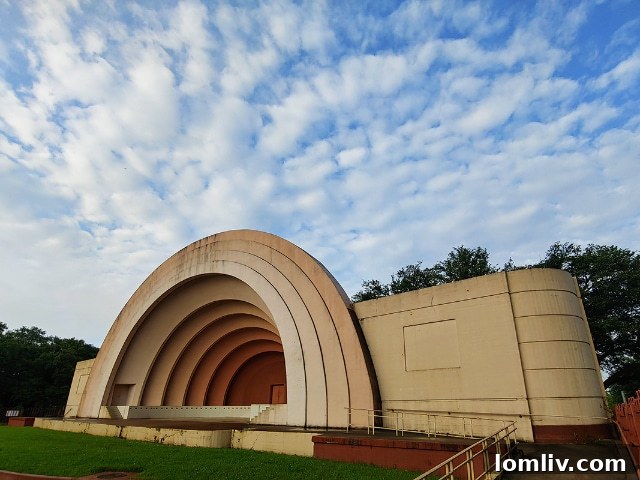
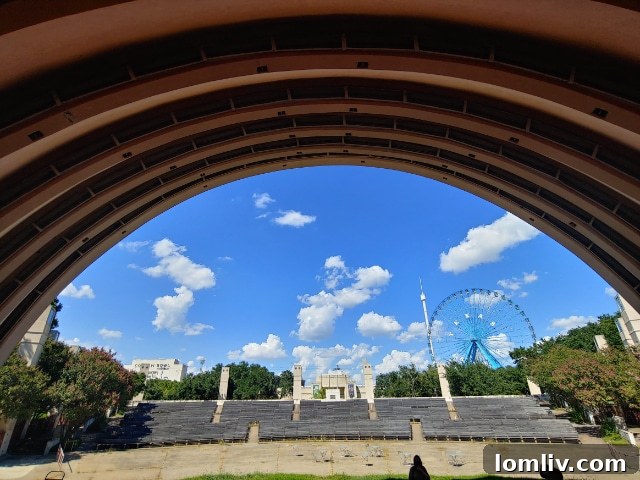
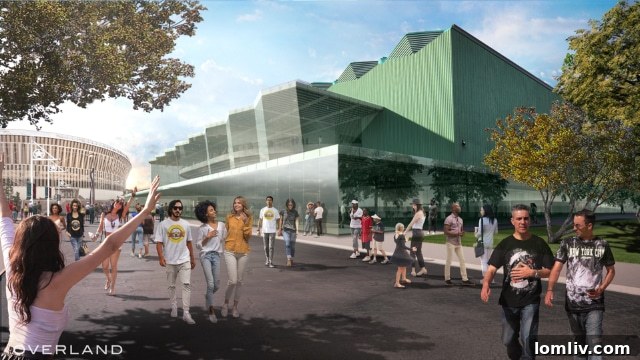
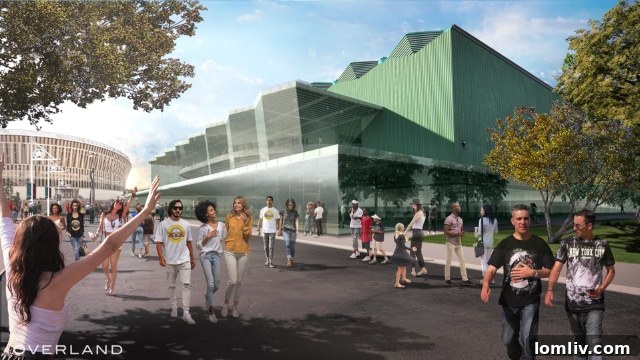
In a landmark decision in April, the Dallas City Council voted to strategically allocate 20 percent of the Convention Center’s funded budget – approximately $300 million – directly towards upgrading and enhancing six critical visitor attractions within Fair Park. These specific venues, meticulously approved by the Park Board, include the venerable Cotton Bowl, the historically significant Centennial and Automobile buildings, the majestic Coliseum, the acoustically superb Music Hall, and the iconic Band Shell. These essential upgrades will meticulously address critical infrastructure needs that have accumulated over decades, from foundational repairs to modernized utilities. More importantly, these enhancements will dramatically increase their usability and allow for a higher level of visitor amenities and comfort, meeting the contemporary expectations of both Dallas residents and the millions of visitors who flock to Fair Park each year. Imagine the enhanced experiences at the State Fair, concerts, and sporting events, all within beautifully restored and functionally superior venues.
Fair Park: A Cornerstone of Dallas History and Culture
For an astounding 136 years, Fair Park has not merely existed but has profoundly shaped the civic, cultural, and economic landscape of Dallas. Since its inception in 1886, the annual State Fair of Texas, hosted at this very site, has been instrumental in establishing Dallas as the preeminent center of agriculture and commerce in the entire region. Beyond its economic prowess, Fair Park has served as a vibrant canvas for some of our nation’s most seminal cultural events and has welcomed an extraordinary roster of political and popular figures, leaving an indelible mark on its storied grounds. From the commanding presence of FDR and the regal visit of Queen Elizabeth II, to the impassioned speeches of Martin Luther King Jr., and the electrifying performances of music legends like Elvis Presley and B.B. King, Fair Park has truly been a witness to history.
Its historical significance extends deeply into the city’s cultural fabric, having been the long-time home of institutions that define Dallas’s artistic heritage, including the Dallas Museum of Art, the Dallas Opera, and the Dallas Symphony Orchestra. Fair Park also holds a special place in the hearts of sports fans, having been the inaugural home of the legendary Dallas Cowboys and even hosting a prestigious Formula One international Grand Prix race, showcasing its versatility as a world-class venue. Furthermore, the city’s very first museums dedicated to history, science, and horticulture, along with its first public aquarium, all found their beginnings within the sprawling grounds of Fair Park. This remarkable breadth of history, culture, and entertainment has ensured that Fair Park has carved out a distinct and irreplaceable niche in the hearts and minds of almost everyone who proudly calls Dallas their home. It is truly challenging, if not impossible, to imagine the character and vibrancy of Dallas without the profound and pervasive influence of Fair Park.
The Enduring Legacy of the Texas Centennial Exposition
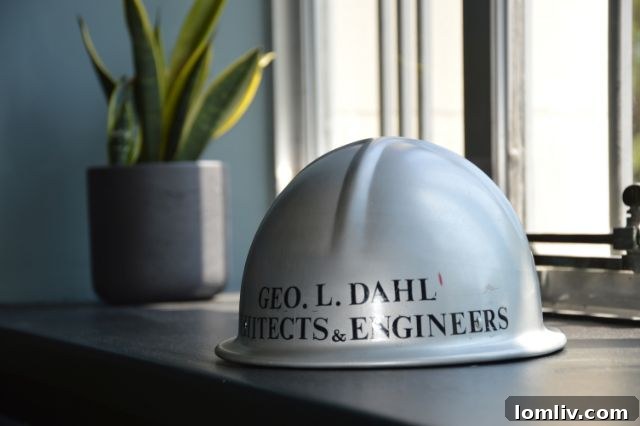
A pivotal moment in Fair Park’s history arrived in 1936 when it underwent a breathtaking transformation into a glittering exposition to commemorate the 100th anniversary of Texas independence. This monumental undertaking saw legendary Dallas architect George Dahl commissioned to spearhead the creation of the gleaming monumental style of architecture that, to this day, defines Fair Park. Dahl’s visionary design transformed the former fairgrounds into what is universally acknowledged as the most extraordinary and important collection of Art Deco architecture and monumental public art in the world. This unparalleled assembly of structures and artworks is not merely a local attraction; it is a global architectural marvel, drawing admirers from across the globe and serving as a testament to Dallas’s rich cultural heritage and its commitment to artistic excellence.
Today, 35 magnificent buildings and structures from that iconic Texas Centennial Exposition still stand proudly at Fair Park. However, time, as it does, marches on. In a mere 14 years, these very buildings, constructed with such grand vision for the centennial celebration, will themselves reach their 100th birthday – and, regrettably, they are undeniably showing their age. Over the 86 years that have elapsed since the exposition, the unparalleled collection of buildings, structures, and public art at Fair Park has progressively deteriorated. This natural degradation has reached a critical juncture, demanding serious and immediate intervention to preserve these irreplaceable treasures for future generations.
The task of comprehensive restoration and ongoing maintenance is undeniably daunting. Despite the best and most earnest efforts of the City of Dallas to dedicate funds for the stabilization and restoration of these precious historic buildings, the city faces a myriad of other pressing capital priorities. This challenging reality means that Dallas has, unfortunately, been unable to allocate sufficient funding through its bond programs to adequately address the immense and ever-growing needs inventory of Fair Park. The sheer scale of necessary repairs and upgrades far outstrips the resources typically available through conventional municipal funding streams, highlighting the urgency of finding a dedicated and sustainable solution.
A Vision for the Future: Securing Fair Park’s Legacy
Fortunately, we now stand at the precipice of a definitive solution to these longstanding and pervasive funding woes. This innovative funding mechanism, supported by Proposition A, promises to be a game-changer, ensuring that Fair Park will not only be meticulously restored to its former glory but also significantly enhanced, evolving into a viable and highly desirable destination venue for decades to come. This crucial investment will guarantee Fair Park’s readiness to play a prominent role in major upcoming events, including hosting segments of the prestigious World Cup soccer in 2026 and serving as a magnificent centerpiece for the Texas Bicentennial Exposition in 2036. These events represent incredible opportunities for global exposure and economic benefit for Dallas, and a revitalized Fair Park will be at the heart of it all.
The passage of Proposition A is more than just a vote for renovations; it is a vote for preserving history, fostering culture, boosting the economy, and investing in the very soul of Dallas. It’s an affirmation of Fair Park’s irreplaceable role in our city’s past, present, and future. By leveraging visitor-generated funds, we ensure that this monumental undertaking benefits everyone without placing an additional burden on local taxpayers. This is our chance to act decisively, to secure the legacy of Art Deco masterpieces, to upgrade iconic sporting venues, and to re-establish Fair Park as a dynamic, year-round hub of activity and enjoyment for all. Let us seize this unique moment and ensure that Fair Park continues to inspire, educate, and entertain for generations yet unborn.
On November 8, let your voice be heard. Vote “Yes” for Proposition A, and cast your vote in resounding support of our beloved Fair Park.