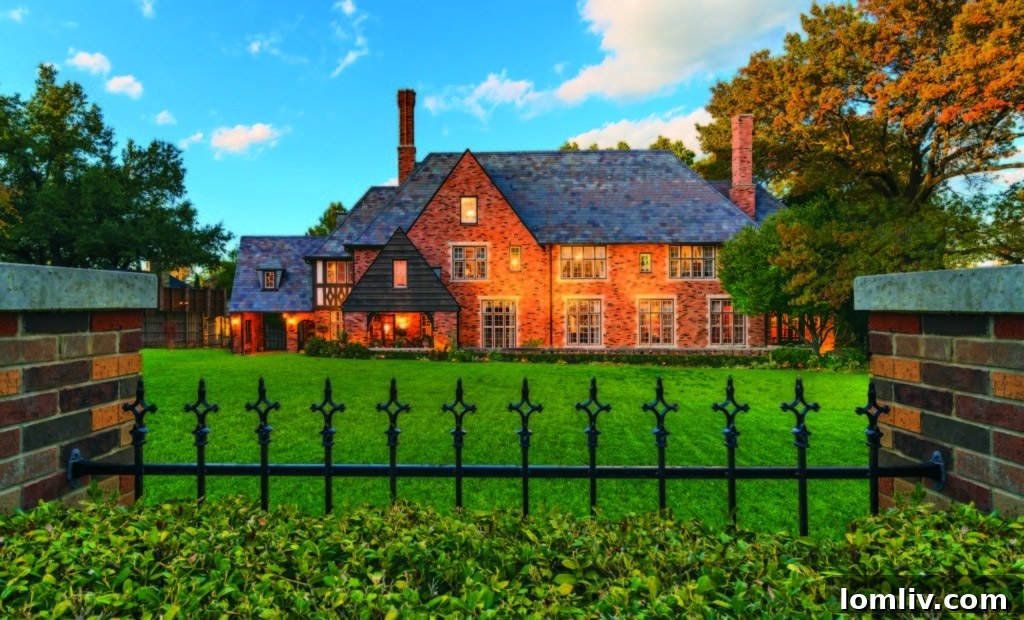
Experience Unrivaled Grandeur: A Historic Tudor Manor House in Lakewood, Dallas
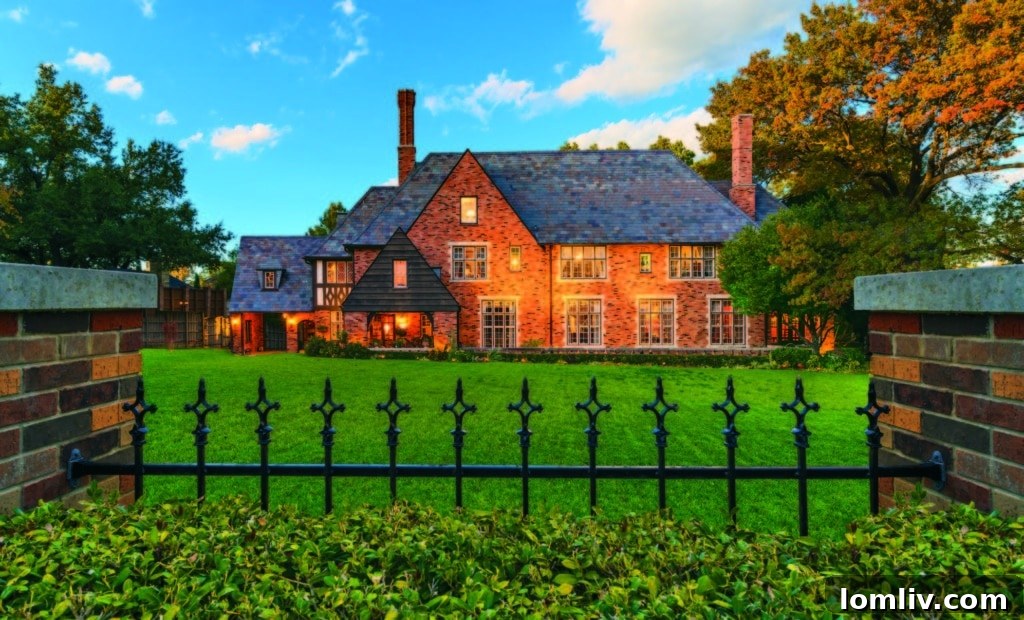
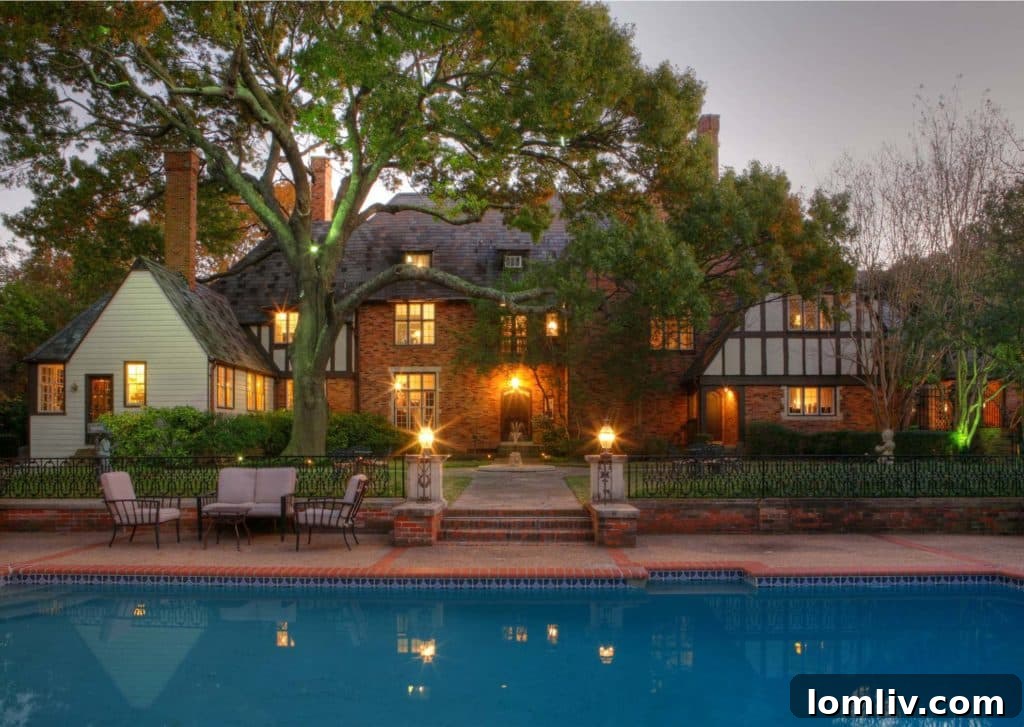
Discover a truly exceptional opportunity to own a piece of Dallas history – a magnificent Tudor manor house nestled in the prestigious Lakewood neighborhood. Often described as a “once-in-a-lifetime” home, this architectural masterpiece, built in 1926, has only changed hands three times in nearly a century, a testament to its enduring appeal and unparalleled legacy. Now, this cherished estate is available for sale, offering a rare chance for a discerning buyer to become its next steward. This property is not merely a house; it’s a living work of art, and unequivocally one of the most beloved and historically significant residences in Dallas.
Dallas is renowned for its stunning array of residential architecture, graced by the visionary designs of many notable architects. Yet, even among such an impressive collection, certain properties stand out, transcending the ordinary to achieve an iconic status. This particular Tudor manor house is undoubtedly one of them, boasting an unmatched pedigree that positions it in a league of its own. It represents the pinnacle of early 20th-century luxury and craftsmanship, perfectly integrated into the vibrant fabric of one of Dallas’s most sought-after communities.
Sir Alfred Bossom: The Visionary Architect Behind Dallas’s Enduring Landmarks
The genesis of this spectacular Lakewood estate traces back to the celebrated English architect, Sir Alfred Bossom. Commissioned by Arthur Kramer, the influential president of A. Harris and Company – one of downtown Dallas’s great department stores, now a cherished historical footnote – this home was designed to be a private sanctuary amidst the burgeoning city. In the 1920s, Lakewood was perceived as the picturesque countryside, a tranquil escape that attracted Dallas’s most prominent figures, including luminaries like Stanley Marcus, who sought to establish their grand residences in this idyllic setting.
From British Shores to American Skyscrapers: Bossom’s Journey to Architectural Acclaim
Sir Alfred Bossom’s journey to becoming one of America’s most influential architects is a story of ambition, innovation, and adaptation. Hailing from England, Bossom arrived in the United States in 1904, initially contributing his talents to Carnegie Steel in Pennsylvania. His professional path soon took a delightful turn when he fell in love with the daughter of a New York banker, leading him to settle in the bustling metropolis to raise his family. It was in New York that Bossom truly made his mark, gaining widespread acclaim for his pioneering efficiency and revolutionary techniques in skyscraper construction. His ability to blend aesthetic grandeur with structural integrity and cost-effectiveness set him apart, establishing him as a sought-after expert in an era defined by rapid urban development.
The Green Legacy: Crafting a Gilded Age Mansion for America’s Richest Son
Bossom’s burgeoning reputation in commercial architecture soon garnered the attention of an exclusive circle of residential clients who demanded nothing but the best. Among them was Edward “Ned” Green, the son of the infamous Hetty Green, affectionately (or perhaps notoriously) known as the “Witch of Wall Street.” Hetty Green earned her moniker through her extraordinary prowess as an investor, accumulating an immense fortune that, upon her death in 1916, made her the richest woman in the world. Ned and his sister inherited this colossal wealth, estimated at a staggering $75 million, an unimaginable sum in that era.
With his newfound inheritance, Ned Green embarked on a mission to build his dream home, selecting Bossom to bring his vision to life. The result was Round Hill, a monumental 200-room mansion constructed in 1921 in Dartmouth, Massachusetts. The cost, $1.5 million, might seem modest by today’s luxury real estate standards, but in the 1920s, it represented an astonishing expenditure for a private residence. Yet, for Ned, it was but a mere fraction, a “drop in the bucket,” compared to the vast inheritance he received from his formidable mother, reflecting the opulent lifestyles of America’s Gilded Age elite.
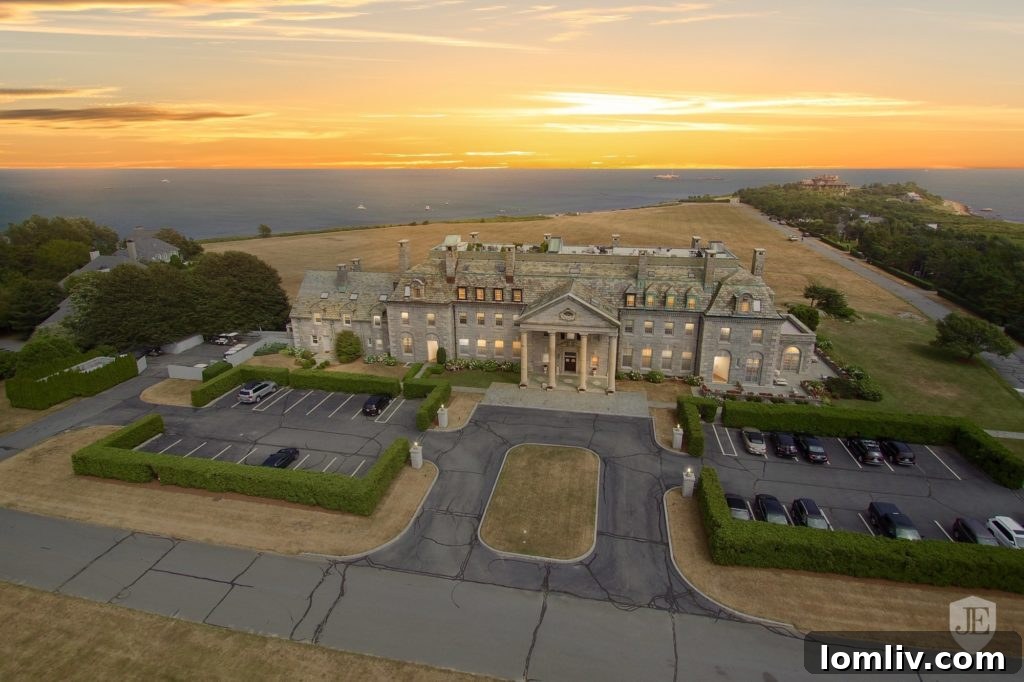
Today, the magnificent Round Hill estate stands remarkably intact, having been thoughtfully repurposed into a private, gated condominium community. This innovative approach offers a compelling model for preserving grand historical properties, allowing their architectural splendor to be enjoyed by multiple residents while adapting them for modern living. Imagine the glamour of a stately drive up to a historic manor, complemented by the efficiency and low-maintenance convenience of a contemporary home. This successful adaptive reuse of Round Hill underscores Bossom’s enduring architectural quality. However, our focus now returns to the captivating story of Bossom’s influence in Lakewood, Dallas!
Bossom’s Enduring Legacy: Shaping Dallas’s Urban and Residential Landscape
It wasn’t long before the influential figures of Dallas recognized Bossom’s extraordinary talent, leading to a series of significant commissions that profoundly shaped the city’s skyline. His work in Dallas began with the construction of the American Exchange National Bank in 1918, a project that solidified his reputation in the burgeoning Texas city. This was followed by the iconic Magnolia Building, a celebrated high-rise that became a defining feature of the Dallas cityscape. Bossom also designed the elegant Maple Terrace apartments, an early example of luxury multi-family living, and contributed a notable addition to the historic Adolphus Hotel. These projects collectively showcased his versatility and ability to craft buildings that were both architecturally distinguished and functionally excellent, earning him the trust and admiration of Dallas’s business elite.
The Kramer Commission: Blending Commercial Strength with Residential Elegance
As a prominent business leader, Arthur Kramer was intimately familiar with Sir Alfred Bossom’s impressive portfolio and innovative approach to construction. He recognized Bossom as the unparalleled choice to design his family’s private residence on the sprawling 1.2 lush acres he had acquired in the then-countryside of Lakewood. Kramer sought not just a home, but a legacy, a structure that would embody permanence and sophisticated grandeur.
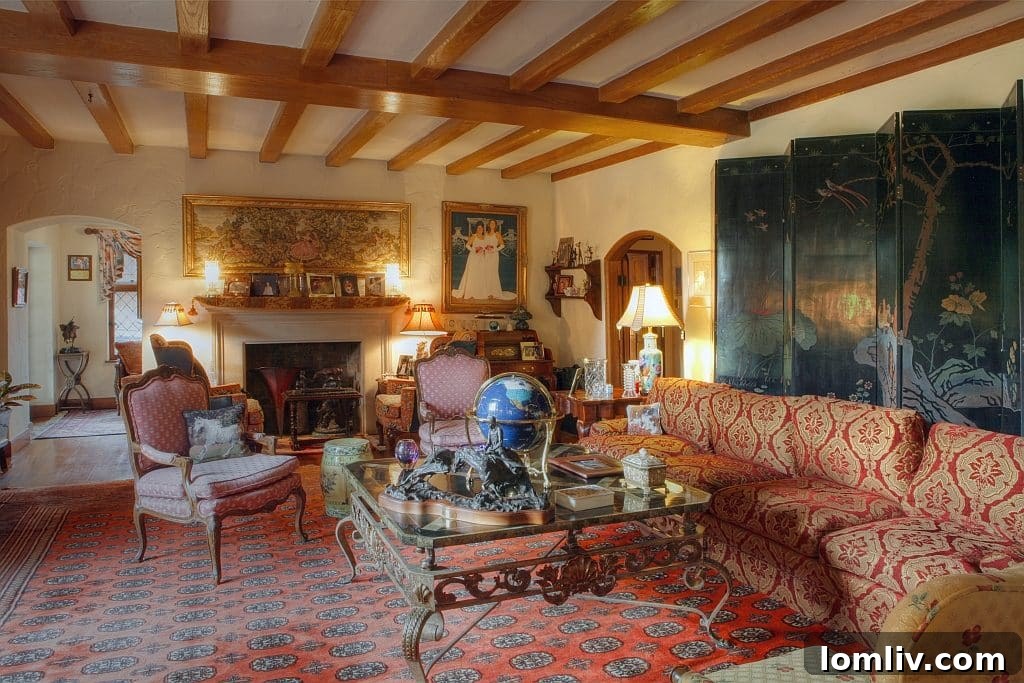
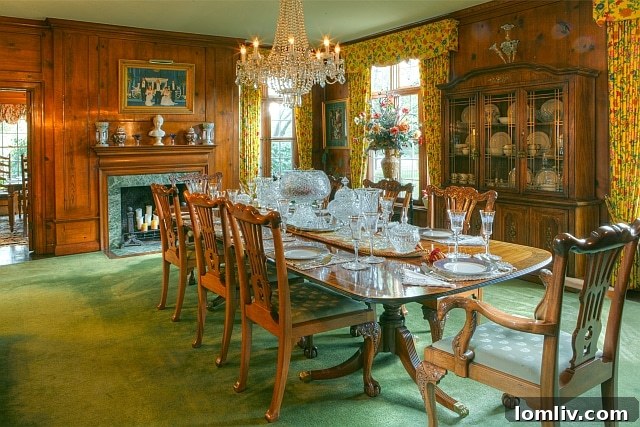
What truly sets this 9,200-square-foot Tudor manor house apart is Bossom’s unconventional yet brilliant application of commercial construction methods to a residential project. Known primarily for his work on skyscrapers and large commercial edifices, Bossom utilized robust techniques, including steel framing, for the structure of this home. This choice was highly unusual for residential construction in the 1920s, and indeed, would be prohibitively costly for most home builds today. The incorporation of steel framing speaks volumes about the original owner’s vision for unparalleled durability and the architect’s commitment to creating a residence of exceptional structural integrity, designed to stand the test of time for generations.
Inside the Architectural Marvel: A Home Designed for Grand Living
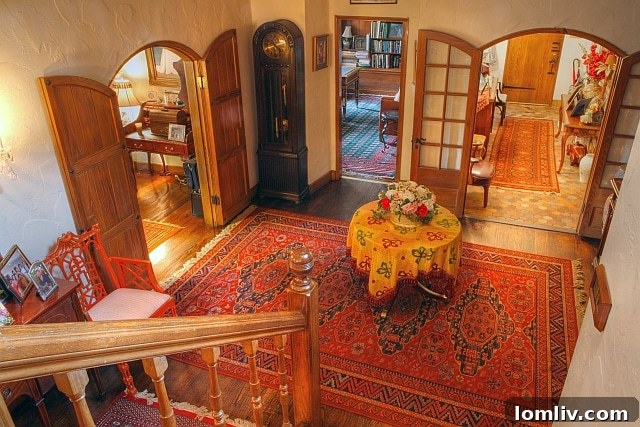
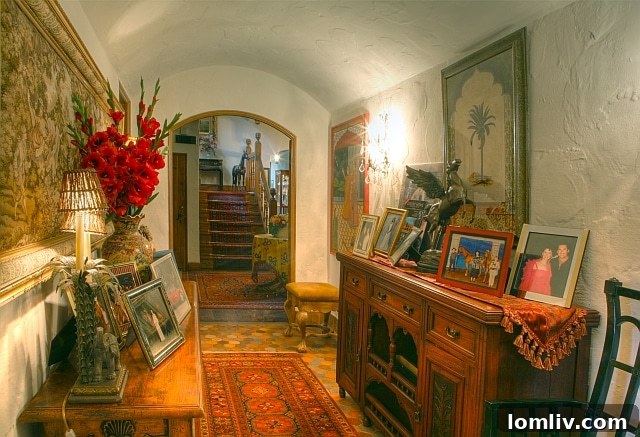
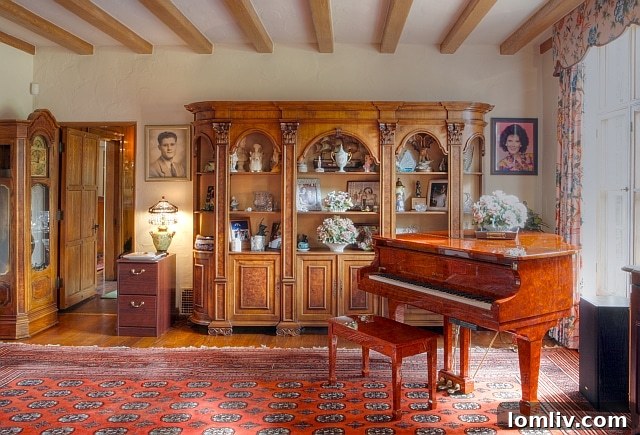
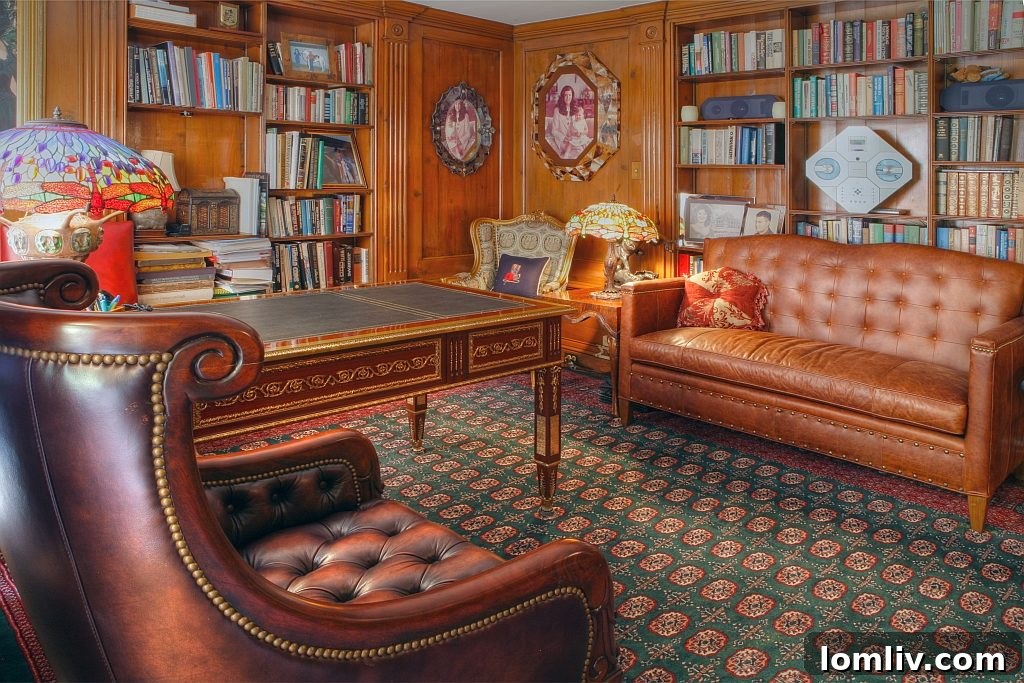
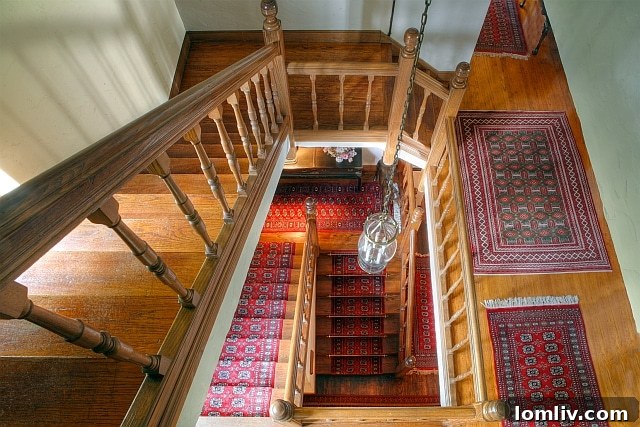
“This house is not just spacious; it’s ingeniously designed across five distinct levels, featuring a full basement with an exquisite wine cellar and a functional attic,” explains listing agent Marilyn Hoffman, a specialist in luxury and historic properties. The sheer scale of the residence is impressive, encompassing 22 generously proportioned rooms that offer both grand entertaining spaces and intimate family areas. Among its many attributes are eight luxurious bedrooms, eight full bathrooms, and two convenient powder baths, ensuring ample accommodation for family and guests alike. Perhaps one of the most remarkable features, highlighting the thoughtful design for sophisticated living, is the astounding presence of 35 closets – a true rarity that speaks to the home’s dedication to convenience and storage for a large household.
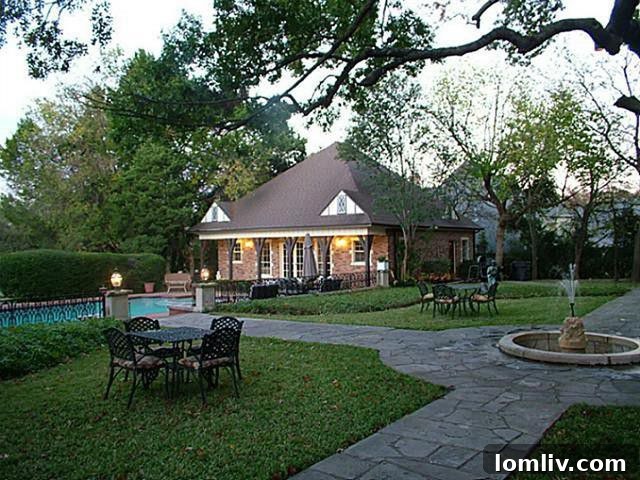
Beyond the impressive interiors, the property boasts equally stunning exterior amenities. The meticulously maintained grounds span over an acre, featuring mature landscaping, verdant lawns, and secluded nooks that provide a private oasis in the heart of Lakewood. A sparkling pool offers a perfect retreat for relaxation and entertainment during Dallas’s warm seasons. Adding to the estate’s versatility and luxury is a charming two-bedroom, two-bathroom guest house, complete with a full kitchen. This separate dwelling provides ideal space for extended family, live-in staff, or a private office, enhancing the functionality and allure of this extraordinary estate.
The Allure of Lakewood: Historic Charm Meets Modern Convenience
For families seeking an exceptional educational environment within a vibrant community, this historic estate offers an unparalleled advantage. Strategically situated between the esteemed Lakehill Preparatory School and the highly-regarded Lakewood Elementary, it provides convenient access to top-tier educational institutions. Lakewood itself is not just a neighborhood; it’s a lifestyle. Known for its tree-lined streets, proximity to White Rock Lake, and a thriving local culture, it offers a blend of historic charm and modern amenities that few areas can rival. This prime location enhances the appeal of this already extraordinary property, making it an ideal setting for those who appreciate community, convenience, and a rich historical context.
A Timeless Investment: Preserving Architectural Heritage at 6835 Westlake
We are incredibly fortunate in Dallas to witness the careful preservation and meticulous maintenance of architectural treasures like this Tudor manor house at 6835 Westlake. These homes are more than just structures; they are custodians of history, embodying the craftsmanship, vision, and aspirations of a bygone era. In an age of mass-produced housing, the unique character, robust construction, and bespoke details of this home truly set it apart. They simply don’t build them like this anymore, making each preserved property an increasingly valuable asset, both culturally and economically.
Marilyn Hoffman has this architectural jewel listed for $3.99 million, presenting an incredible opportunity to acquire a landmark property. Furthermore, the owners’ willingness to finance offers an added layer of flexibility for prospective buyers, underscoring their desire to find the right steward for this historic Dallas treasure. This is a chance not just to purchase a home, but to invest in a legacy, to become part of a story that began nearly a century ago, and to enjoy the unparalleled beauty and prestige that only a Sir Alfred Bossom masterpiece can offer.
Karen Eubank is the owner of Eubank Staging and Design. She has been an award-winning professional home stager and writer for over 25 years. Karen teaches the popular Staging to Sell class and is the creator of the online course, The Beginners Guide to Buying Wholesale. Her love of dogs, international travel, champagne, historic homes, and preservation knows no bounds. Her father was a spy, so she keeps secrets very well! Find Karen at www.eubankstaging.com