

Navigating Modern Life: Practical Solutions for a Better Community and Personal Comfort
For those who follow my musings, it’s a well-established fact that my perspective often borders on the impeccable. Therefore, the annual tradition of drafting New Year’s resolutions for myself always feels a bit like scraping the bottom of an already pristine barrel. Last year’s most pressing self-improvement goal, for instance, was the profound directive to “Clip toenails before a hole appears in your socks.” This year, however, I’ve decided to chart a new course. Rather than introspective self-improvement, I’ve compiled a list of actionable items—things the world, and perhaps some of you, can embrace to collectively enhance daily living and, consequently, make my life just a little bit smoother.
The Peril of Outdated Gas Lamps: A Methane Menace
Have you ever been enjoying a stroll when a distinct, unsettling scent of natural gas suddenly assaults your senses? You instinctively scan your surroundings, trying to pinpoint the source, and then you see it: a beautifully ornate gas porch lantern, its flame extinguished by a gust of wind, relentlessly spewing raw methane into the atmosphere. This isn’t just a minor annoyance; it’s a significant environmental oversight. I vividly recall years of passing an old restaurant, where several unlit lamps perpetually belched gas. My attempts to report this to the city, the gas company, and even the establishment itself, all met with frustrating inaction. One can only imagine the cumulative impact such widespread neglect has had on our global climate.
Natural gas, primarily composed of methane, is an extraordinarily potent greenhouse gas. Over its initial 100 years in the atmosphere, methane traps approximately 34 times more heat than carbon dioxide. More alarmingly, within the critical first 20 years of its release, methane’s heat-trapping capacity is a staggering 86 times that of CO2. While burning gas lanterns do contribute to greenhouse gas accumulation, the impact is dramatically amplified when those flames are extinguished and the gas is released unburned. This uncontrolled venting represents a serious environmental hazard that is often overlooked. The solution is straightforward and cost-effective: every gas lamp owner should retrofit their fixtures with a safety shut-off valve incorporating a thermocouple. This device intelligently detects when the flame is out and immediately cuts off the gas supply, offering a simple yet profoundly effective fix to a problem that literally pollutes our neighborhoods, turning picturesque lanterns into silent environmental aggressors.
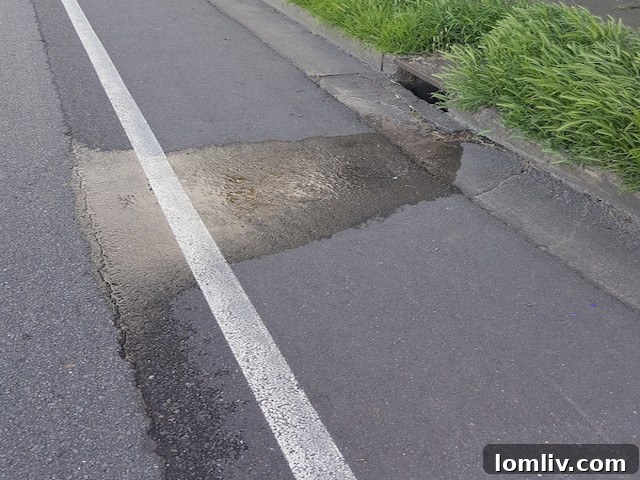
Safeguarding Our Most Precious Resource: The Urgency of Reporting Water Leaks
As an avid walker, my daily treks unveil a continuous, disheartening spectacle: countless instances of leaking water, often cascading down streets or forming unsightly ponds on manicured lawns. It’s an almost guaranteed sight on every single walk I take. These leaks, whether originating from municipal infrastructure or private property, share a common, critical flaw: they represent an egregious waste of a vital resource. Have the lessons of our most recent droughts faded so quickly from collective memory?
When you encounter a leak, please don’t hesitate to contact your local authorities. In a sprawling city like Dallas, dialing 311 is the direct line to action. For residents of the Park Cities, a quick call to their respective city or town hall is essential. Even on weekends, these reports are taken seriously. It takes mere moments to provide the location of a leak, and your effort can prevent gallons upon gallons of precious water from being squandered. It frankly baffles me why law enforcement officers, who are constantly patrolling our streets, aren’t more actively encouraged to report such leaks; they are uniquely positioned to spot these issues frequently. My personal catalyst for reporting leaks stemmed from repeatedly walking past a persistently wet sidewalk for over a year, assuming someone else would eventually address it. When I finally made the call, it led to the closure and excavation of a traffic lane for more than a week, revealing and repairing what was likely a nascent sinkhole. Unlike many bureaucratic processes, water leak reports are typically prioritized. Your call truly won’t go down the drain; even on weekends, municipal crews are often dispatched the same day to address the problem, offering a rare and satisfying sense of being an active part of the solution in your community.

The Uncomfortable Truth About Modern Men’s Fashion: Beyond Slim-Fit
I successfully navigated the treacherous era of skinny jeans by simply refusing to partake; the aspiration of withered legs was never on my sartorial radar. However, it seems designers, emboldened by their ability to convince men to don what essentially felt like girdle-pants, decided to explore new frontiers of discomfort. Now, a pervasive trend has seized the men’s shirt market: all the most appealing designs, luxurious fabrics, and sophisticated patterns are exclusively available in “slim fit.” I acknowledge that this lament might elicit little sympathy from women, who have endured centuries of restrictive and often uncomfortable fashion. Nevertheless, it represents a genuine frustration for a significant segment of the male population.
The only viable recourse for those who don’t conform to the slim-fit ideal is to purchase shirts several sizes larger. This introduces a new set of problems: while the body of the shirt might now offer adequate room, the collar remains disproportionately large. The result is an appearance reminiscent of an understudy in an Elizabethan play, with a collar seemingly designed for a neck of epic proportions, dwarfing the wearer. This restrictive approach to men’s fashion, which prioritizes a single body type, limits choice and fosters unnecessary discomfort. Is it too much to ask for well-designed, high-quality shirts that accommodate a broader range of body shapes without making us look like we’re preparing for a period drama? It’s time for fashion houses to recognize that there’s enough anguish in the world; wardrobe woes shouldn’t add to it. Let’s bring back options for comfortable, stylish shirts that fit real men, not just runway models.

The Shrinking Problem: Why Pre-Shrunk Cotton is a Must
A direct corollary to the frustrating proliferation of slim-fit shirts is the alarming trend of clothing manufacturers neglecting to pre-shrink their fabrics, especially cotton. I distinctly recall a time in my youth when the label “pre-shrunk” was a welcome sight, a reassuring guarantee that if a garment fit perfectly in the store, it would retain that fit faithfully after its inaugural wash. This simple assurance has seemingly vanished from the modern textile landscape.
It appears that many contemporary clothing designers have conveniently forgotten this fundamental aspect of fabric treatment. One might logically assume that expensive clothing, with its often generous profit margins, would afford manufacturers the luxury of thoroughly pre-washing and shrinking their materials. Yet, the opposite is frequently true; premium garments can sometimes be the worst offenders. It almost feels like a deliberate strategy: compel consumers to purchase the “correct” size, only for it to shrink after the first wash, prompting a return to the store to buy a second item two sizes larger. Is this why our pets are increasingly seen donning human attire? Perhaps their owners’ once-fitting clothes shrank just enough to perfectly accommodate the family dog. And to pre-empt any misguided suggestions, let me clarify: cotton, despite its shrinking tendencies, is emphatically not a dry-clean-only fabric. Its care instructions are straightforward, making the omission of pre-shrinking all the more inexplicable and inconvenient for consumers who simply want their clothes to maintain their size and shape.
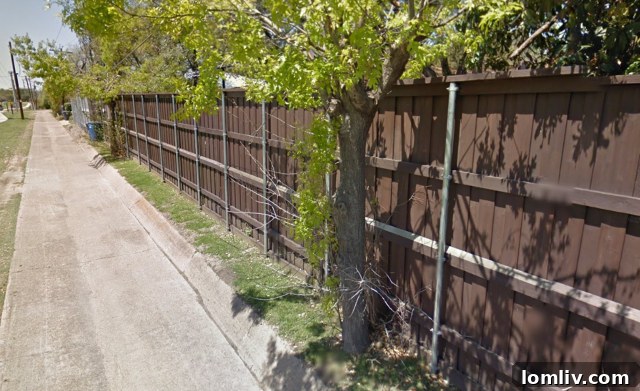
Reimagining Green Spaces: Fences, Trails, and Community Connection
Walking the Northaven Trail often feels less like an invigorating outdoor experience and more akin to traversing a cattle chute en route to an uncomfortable destination. The initial challenge is the scarcity of natural shade, a consequence of overlying power lines that, while understandable, detracts from the trail’s comfort under the scorching sun. However, the truly perplexing anomaly is the impenetrable wall of eight-foot fences that unilaterally barricade homes from the trail on either side.
Those of us from regions like the Northeast, for example, instinctively understand that a well-maintained trail, a sprawling forest preserve, or a vibrant urban park represents a significant amenity. We eagerly pay a premium for properties that offer extended, unobstructed views and direct access to such green spaces, recognizing their inherent value to quality of life. This perspective, however, seems less prevalent in Dallas. While I acknowledge that the utility access areas predating the trail’s development might not have been aesthetically pleasing, a striking number of the fences lining the Northaven Trail are newly constructed. I would confidently wager that fewer than five homes along the entire stretch feature a transparent or low-profile fence, allowing their backyards to embrace the long-range vistas of the trail. One particular open yard stands out as a beacon of sensible design: a complete entertainment oasis featuring a sparkling pool and a fully equipped outdoor kitchen. The homeowners not only enjoy magnificent views without the burden of mowing but also offer a delightful, if perhaps illusory, comfort to weary, sweat-soaked walkers, who can conjure an oasis mirage as they trudge past. In such a scenario, where private comfort blends seamlessly with public enjoyment, everyone truly wins, fostering a stronger connection between residents and their community’s green infrastructure.
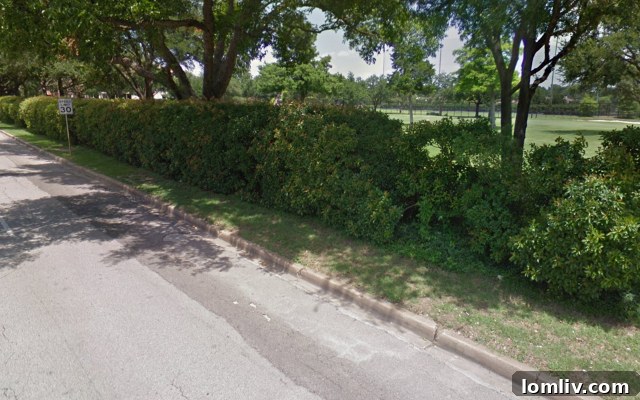
Paving the Way for Pedestrians: The Critical Need for Sidewalks
My extensive walking habits (a recurring theme, I admit) consistently expose me to one of the most glaring deficiencies in urban planning: a shocking lack of sidewalks. This absence is particularly egregious on major thoroughfares, especially when traversing commercial properties such as the Dallas Country Club or Highland Park Village, which, by all logical standards, should be pioneers in pedestrian infrastructure. It becomes even more frustrating when one is forced to navigate through overgrown, litter-strewn grass past a sprawling McMansion under construction, with no discernible plans to install a sidewalk.
Much like the perennial household tasks—from picking up discarded undergarments to remembering to put the toilet seat down—few individuals volunteer for responsibilities that aren’t explicitly mandated. Therefore, I propose a clear directive to our City Council: in upcoming legislative sessions, why not implement a mandatory requirement for sidewalks on all new construction projects or for building permits exceeding a certain value, say, $50,000? To further enhance environmental responsibility, this mandate could be coupled with a requirement for porous materials, allowing for better stormwater management and reduced urban runoff. This initiative seems like a genuine “no-brainer,” perfectly aligned with contemporary urban planning principles focused on walkability, safety, and sustainable development. Prioritizing pedestrian access not only improves public safety by separating foot traffic from vehicular traffic but also fosters a more vibrant, connected community, encouraging active lifestyles and reducing reliance on automobiles for short distances. It’s an investment in public health, environmental stewardship, and a more accessible urban fabric for everyone.
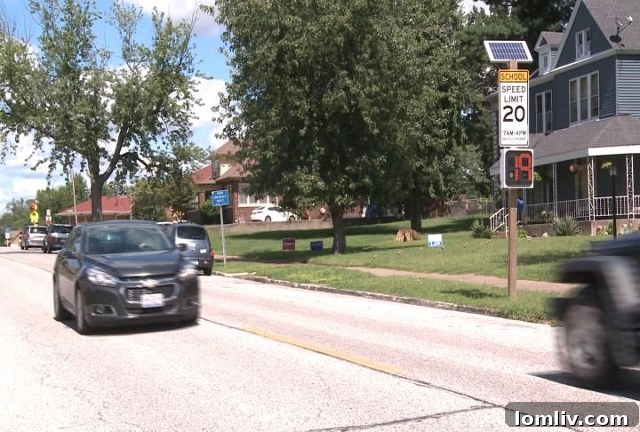
Re-evaluating School Speed Zones: Safety vs. Convenience
School speed zones were initially conceived with the noble intention of safeguarding young children as they frolicked to and from school, minimizing the risk of accidents. However, the realities of modern life have significantly altered the landscape of childhood commutes. Let’s be honest: how many children genuinely walk to school these days, especially in sprawling suburban environments? What began as a vital safety measure has, in many instances, evolved into what feels more like an omnipresent speed trap, inconveniencing motorists without achieving its original purpose.
I issue a challenge to anyone: count the number of times you encounter a single child within sight while meticulously inching along at 20 miles per hour through a designated school zone during active hours. My unscientific, yet extensively observed, answer is that you’ve probably had more frequent sightings of Bigfoot. The efficacy of these zones, in their current implementation, warrants serious reconsideration. While child safety remains paramount, perhaps we need to explore more targeted solutions, such as dynamic speed limits that activate only when children are demonstrably present, or enhanced pedestrian infrastructure near schools, rather than blanket restrictions that often serve little practical purpose in the absence of actual foot traffic. Realigning these policies with current commuting patterns could free up valuable enforcement resources and alleviate unnecessary frustration for drivers, without compromising the fundamental goal of protecting our youth.
Redefining Shared Spaces: Common Courtesy on Our Sidewalks
Finally, ladies, this observation is directed respectfully at you. It’s a recurring scenario: two men walking abreast approach two women also walking side-by-side on a sidewalk. In almost every instance, it is the men who are expected to break formation, single-file, or even step onto the grass or into the street to allow passage. Women, it seems, often barely register the approaching pedestrians and seldom reciprocate by adopting a single-file formation themselves.
While I understand the enduring, albeit somewhat outdated, concept of chivalry, a more equitable approach to shared public spaces would benefit everyone. If both men and women consistently exercised a modicum of spatial awareness and adjusted their formations in such situations, no one would be forced to navigate the dirt or risk stepping into traffic. This lack of awareness extends beyond gender dynamics, encompassing other common sidewalk nuisances: individuals with extraordinarily long dog leashes that become trip hazards, parents wielding “semi-trailer” sized strollers that dominate the entire pathway, or cyclists who opt for the sidewalk despite the presence of a perfectly adequate, dedicated bicycle lane. Shared spaces demand shared responsibility and a fundamental level of consideration for fellow pedestrians, ensuring a safe and pleasant experience for all.

Streamlining Air Travel: The Case for Responsible Carry-On Practices
“We call that checked baggage,” is a phrase I often find myself mentally (and occasionally audibly) imparting to fellow travelers attempting to forcibly cram an oversized, elephantine bag into an overhead bin on an airplane. The message is simple and universally applicable: if you cannot comfortably lift your luggage, if it clearly exceeds the dimensions for carry-on, or if you require an exorbitant amount of effort to maneuver it, then the appropriate course of action is to check it. If the associated baggage fee is a prohibitive deterrent to your travels, perhaps reconsider your travel plans or opt for airlines known for more generous baggage policies, such as Southwest.
Therefore, as we navigate the complexities of modern air travel, I implore you: please cease bruising my shoulders as you grapple and drag umpteen pounds of miscellaneous junk down an already cramped 18-inch aisle to your distant row 42 seat. Your struggle impacts everyone around you, delaying boarding, creating unnecessary congestion, and posing a genuine safety hazard. Check your oversized bags. And as a final, yet crucial, addendum to this plea for common courtesy: kindly disengage from your phone conversation while attempting to perform this strenuous, aisle-blocking maneuver. A moment of focused attention can significantly improve the boarding experience for all passengers, fostering a more efficient and less stressful start to everyone’s journey.
Ban Sport Utility Strollers
While the initial image caption might seem like a humorous aside, the reality of “sport utility strollers” warrants a serious discussion in the context of shared public spaces and urban etiquette. These colossal contraptions, often resembling miniature SUVs, dominate sidewalks, supermarket aisles, and pedestrian pathways, making navigation a logistical nightmare for everyone else. Designed for rugged terrain and multiple children, their sheer size makes them disproportionately wide and long, creating significant bottlenecks in crowded areas. When parents with these behemoths fail to consider the space they occupy, they effectively create impenetrable barriers, forcing other pedestrians into the street or against walls, disrupting the natural flow of foot traffic.
The spirit of community living requires a balance between personal convenience and public consideration. While every parent deserves functional gear, the current trend towards oversized strollers often prioritizes extreme utility over the collective ease of movement in public. Alternatives exist: more compact, foldable strollers are available for urban environments, or perhaps a more conscious choice to use these larger models only in truly appropriate settings, like wide park trails, rather than bustling city sidewalks. It’s a call for a return to pedestrian-friendly proportions, where personal mobility aids, however useful, do not inadvertently become obstacles for the wider community seeking to share the same limited public space.
And so, dear readers and fellow inhabitants of this shared world, if we could collectively focus on these practical adjustments and considerations, my year would undoubtedly be a whole lot easier, and I suspect, so would yours.

Remember: My primary focus revolves around high-rises, HOAs, and the intricate world of renovation. However, I also harbor a deep appreciation for the delicate balance between modern and historical architecture, particularly when viewed through the lens of the YIMBY movement. Should you be interested in hosting a Candysdirt.com Staff Meeting event, please consider me your ideal contact. My writing has been consistently recognized by the National Association of Real Estate Editors, earning two Bronze awards (2016, 2017) and two Silver awards (2016, 2017) in 2016 and 2017 respectively. If you have a compelling story to share, or perhaps an unconventional marriage proposal to make, feel free to reach out via email: [email protected].