A significant development in the fight against public corruption in Dallas emerged recently, as former Dallas City Council member Carolyn Davis officially pleaded guilty to charges of accepting bribes from a prominent local real estate developer. This admission, announced by the U.S. Attorney’s office, casts a stark light on the persistent challenges of integrity within local government.
In a related and equally impactful revelation, Ruel Hamilton, the founder and CEO of AmeriSouth Realty Group, has been indicted on two counts of bribery. These indictments, alongside the details of Davis’s plea, were made public on Friday, marking a pivotal moment in an ongoing federal investigation into illicit dealings and influence peddling within Dallas’s political landscape.
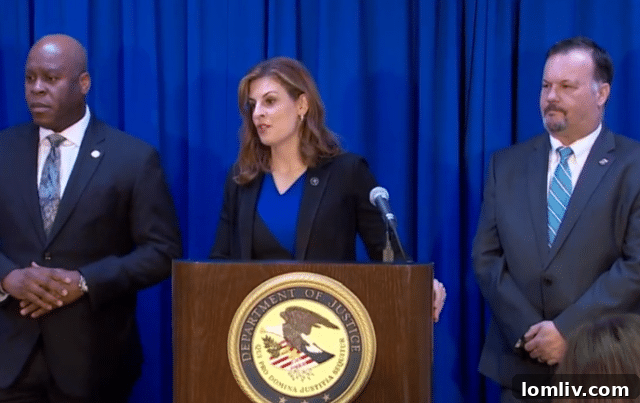
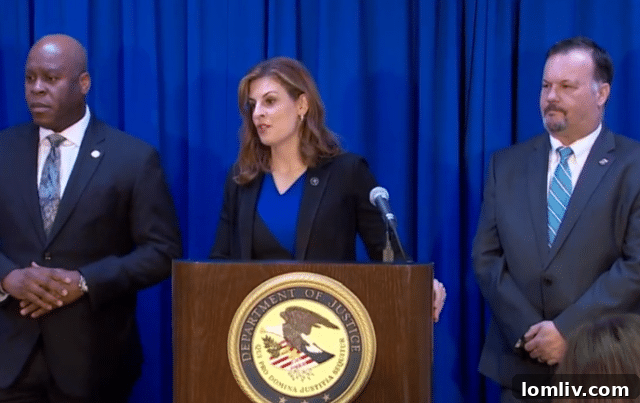
U.S. Attorney Erin Nealy Cox addressed reporters on Friday, underscoring her office’s unwavering commitment to tackling public corruption. She stated unequivocally that her team has “relentlessly” pursued such cases over the preceding 14 months. With a firm resolve, she added, “And today, the reckoning continues,” signaling that the investigations are far from over and that accountability remains a top priority.
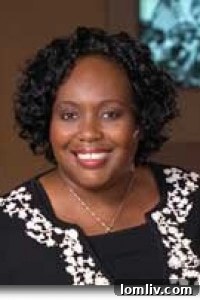
Former Dallas City Council Member Carolyn Davis Admits Guilt in Bribery Scheme
Carolyn Davis, who once held the influential position of Housing Committee chair on the Dallas City Council, has admitted to taking bribes during her tenure. According to her plea agreement, the illicit transactions occurred between November 2013 and June 2015. Davis confessed to receiving $40,000 from a developer in exchange for her assistance in advancing an affordable housing project. This confession highlights a critical breach of public trust, where personal gain was prioritized over ethical governance and the welfare of the community.
While the official charges against Davis meticulously detail the bribery scheme, they refer to Ruel Hamilton as “Person A.” Despite this anonymous designation in Davis’s documents, Hamilton faces direct charges with two counts of bribery concerning local government programs that receive federal benefits. Davis’s specific charge is conspiracy to commit bribery concerning programs using federal funds, illustrating the gravity of exploiting public office for private enrichment.
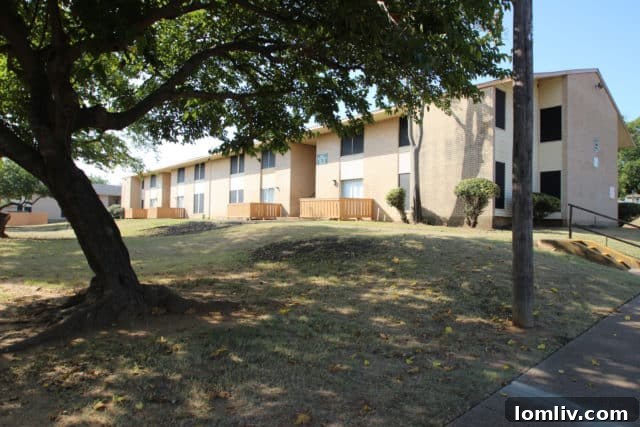
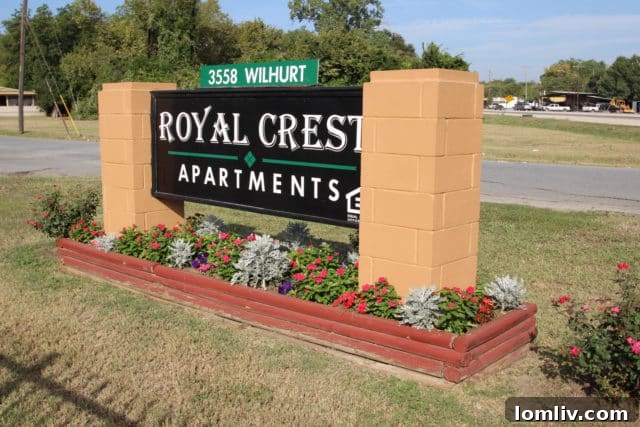
The Department of Justice (DOJ) press release provided further clarity on the nature of Davis’s corrupt activities. It detailed that in return for the $40,000 payment – and the tantalizing offer of a lucrative consulting contract to be executed once her term on the City Council concluded – Council Member Davis admitted to actively lobbying and voting in favor of a crucial $2.5 million development loan. This loan was earmarked to fund the Royal Crest housing project, a significant affordable housing initiative. Furthermore, she also supported a City of Dallas resolution that backed 9 percent tax credits for Royal Crest, giving it an unfair advantage over other competing projects. This systematic manipulation of public resources for personal gain stands as a stark reminder of the corrupting influence of money in politics.
AmeriSouth Realty Group, led by Hamilton, proudly features 14 projects across six Texas cities on its website, including the Royal Crest development that sits at the heart of this scandal. The company’s portfolio underscores Hamilton’s substantial footprint in the Texas real estate market, making the allegations against him particularly unsettling given his established influence.
Developer Ruel Hamilton Indicted: Tracing the Flow of Illegal Payments
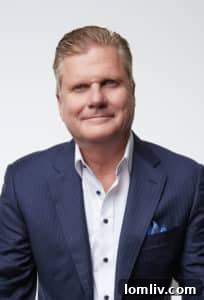
The charging document lays bare the specifics of Hamilton’s alleged payments to Davis. It states that Hamilton is accused of funneling a total of $40,000 to Davis and promising her a job once her term on the council ended. This arrangement not only outlines a direct quid pro quo but also paints a picture of premeditated corruption designed to secure official favors.
The method of payment, as detailed in the press statement, reveals an attempt to obscure the illegal transactions. Approximately $11,000 – roughly a quarter of Council Member Davis’s bribe money – was reportedly paid in cash. These cash payments often occurred almost immediately after Hamilton withdrew the funds from his bank account, suggesting an effort to maintain a low profile for these illicit transfers. The remaining 75 percent of the bribe money was allegedly laundered through a not-for-profit intermediary, a tactic often employed to conceal the true source and destination of funds.
Further details from the documents explain this elaborate scheme: Hamilton would write checks to an individual identified as “Person B” or to “Person B’s nonprofit.” These checks would then be handed to Davis, who would subsequently deliver them to Person B for cashing. Following this, Person B would cash the checks and return the majority of the money to Davis. The identity of Person B remains undisclosed at this time, adding another layer of intrigue to the complex web of corruption.
The charging document also alleges a second count of bribery involving Hamilton, accusing him of paying $7,000 to a separate “Council Person A.” This individual is not named in the indictment, and at Friday’s press conference, U.S. Attorney Nealy Cox declined to confirm their identity. She did, however, state that Council Person A was no longer serving on the city council, adhering to DOJ policy of not naming individuals who are not formally indicted in connection with a specific case. Both Council Person A and Davis have not served on the council since August 2018, according to Nealy Cox.
The Royal Crest Project and Broader Corruption in Dallas
The Royal Crest affordable housing project, central to Davis’s bribery scheme, is located within Council District 4. This district was formerly represented by Council Member Dwaine Caraway, who resigned in July following his own guilty plea to corruption charges related to the Dallas County Schools federal corruption case. Davis herself was term-limited in 2016, marking the end of her official involvement in Dallas politics.
During the press conference, Nealy Cox further elaborated on the second alleged bribery incident involving Hamilton. She stated that Hamilton sought Council Person A’s influence to encourage an unnamed referendum with Mayor Mike Rawlings and to facilitate a second housing project. In exchange for these favors, Hamilton reportedly paid Council Person A $7,000, money that Council Person A claimed was needed to settle personal obligations. This alleged transaction underscores a pattern of developers attempting to buy political favors for various projects.
Nealy Cox highlighted the timeline of the alleged corruption, noting, “What the conduct in the indictment and the information papers allege is a course of conduct beginning in 2013 continuing through 2015 for Ms. Davis, and through 2018 for Mr. Hamilton.” This extended timeframe illustrates a deeply entrenched pattern of misconduct, suggesting that these were not isolated incidents but part of a systemic problem. The investigation, she clarified, strategically focused on both the bribe payer and the bribe recipient, a common approach in many public corruption cases in Dallas.
“I think our strategy and the strategy of this district historically has been to investigate both the payer of the bribe and the recipient of the bribe,” Nealy Cox reiterated. Emphasizing a comprehensive approach, she quoted Special Agent in Charge Jackson, stating, “we’re looking at everyone in this ecosystem because you’ve got payers of a bribe, you’ve got recipients of a bribe, you’ve got facilitators of a bribe, and everyone is going to get looked at because none of this happens without all of them.” She concluded with a firm promise: “So we’re going to look at all of them. We’re gonna go after all of them and hopefully we’re gonna change it for the better.”
Sending a Strong Message: The Commitment to Ending Corruption
“I hope this case, and others that we have brought, sends a very specific message across the district — the U.S. Attorney’s office will continue to be vigilant about rooting out public corruption,” Nealy Cox asserted. “And we’ll dig as deep as we have to, to uncover the schemes.” This statement serves as a powerful deterrent, indicating that federal authorities are prepared to pursue every lead to ensure justice and uphold the integrity of public service.
Eric Jackson, Special Agent in Charge of the FBI Dallas field office, echoed this sentiment, emphasizing the profound impact of such corruption on the community. “The citizens of Dallas deserve better,” he declared. His message was clear and directed at all involved parties: “If you’re a public official, do your job. If you’re someone who is thinking of using your wealth and your financial influence to exploit them, think again. If you’re someone who is facilitating these relationships, we’re going to look at you also.” These remarks highlight a multifaceted approach to combating corruption, targeting not just the bribe-takers and payers, but also those who enable such illicit transactions.
Ruel Hamilton’s Political Influence and Legal Consequences
Ruel Hamilton’s history of involvement in local politics spans many years, during which he frequently made donations to city council candidates. His political influence recently garnered significant attention when donations made in the names of his grandchildren to various council members totaled thousands of dollars, raising questions about campaign finance ethics. In response to this scrutiny, mayoral candidate Scott Griggs notably returned those donations made to his campaign, taking a stand against potential impropriety.
Carolyn Davis now faces severe legal repercussions for her actions, including a potential sentence of up to five years in federal prison and a substantial fine of $250,000. These penalties underscore the seriousness with which federal authorities view public corruption and serve as a warning to other officials who might consider abusing their positions of power. The ongoing investigation and the actions taken by the U.S. Attorney’s office and the FBI demonstrate a clear resolve to restore transparency and accountability to Dallas’s government and protect the public trust.
Davis Plea by Bethany Erickson on Scribd
Ruel Hamilton Indictment by Bethany Erickson on Scribd