Dallas’s Urban Development Crossroads: Unpacking the Sam’s Club Controversy and Highland House Debate
Dallas, a city known for its dynamic growth and ambitious projects, is currently at a critical juncture regarding its urban development strategy. Local residents, city planners, and developers are locked in spirited debates over key proposals that will undoubtedly shape the city’s character for decades to come. This article delves into two such contentious projects: the Highland House development in Preston Center and, more prominently, the controversial Sam’s Club proposal slated for the East Village. These cases highlight the complex interplay between economic interests, community aspirations, and the imperative for transparent, forward-thinking urban planning.
The Highland House Development: A Vision for Preston Center’s Future
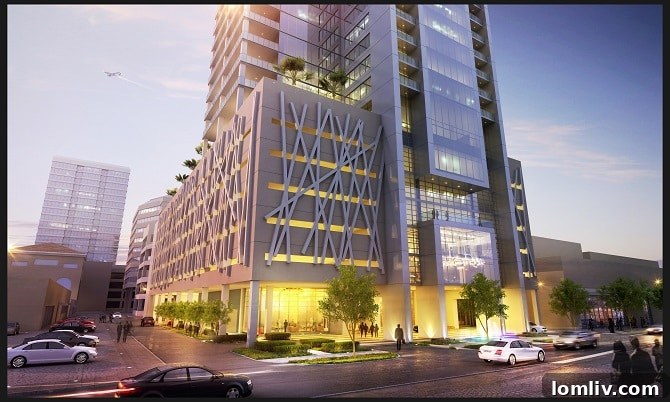
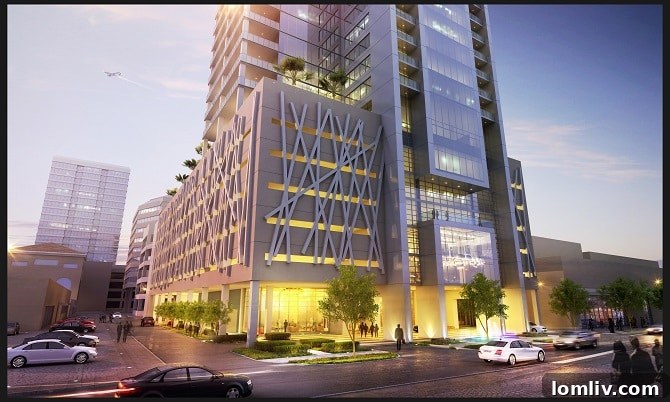
Among the significant projects under discussion at Dallas City Hall is Luke Crosland’s Highland House development in Preston Center. This proposal has generated considerable debate, drawing strong opposition from influential figures such as Laura Miller. While the specific grounds for her vehement opposition remain a point of public conjecture, many, including this author, perceive the Highland House project as a potentially valuable addition to Preston Center and a net positive for the City of Dallas.
Developments of this nature often aim to revitalize established areas, injecting new energy and modern amenities. They can attract new residents, bolster local businesses, and contribute to a more dynamic urban fabric. However, such projects frequently encounter resistance concerning increased population density, potential strain on existing infrastructure, traffic congestion, and the preservation of the neighborhood’s existing aesthetic and character. The Highland House debate underscores the delicate balance required to foster meaningful urban growth while addressing legitimate community concerns and ensuring that development serves the broader public interest.
The Sam’s Club East Village Controversy: A Clash of Visions
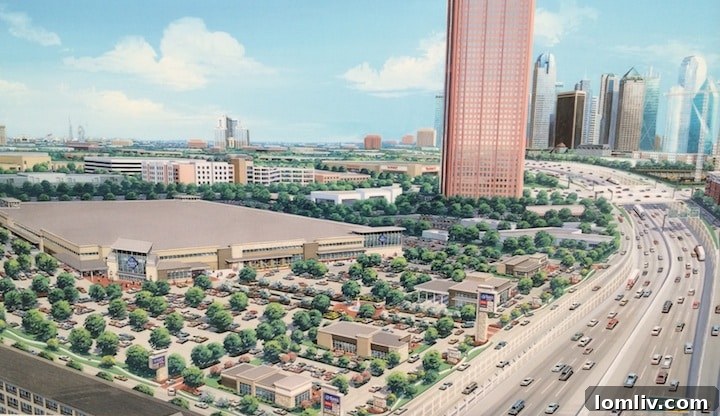
The most heated debate currently gripping Dallas revolves around the proposed Sam’s Club development by the Trammell Crow Company (TCC), planned for the bustling intersection of Central Expressway and Carroll Avenue, within the burgeoning East Village area. This project has become a flashpoint for community anger, primarily fueled by allegations of misleading communications and a perceived deviation from the area’s original “East Village” development vision.
From Walkable Utopia to Big Box Reality: The Shifting Narrative
At the heart of the controversy is a fundamental disagreement over the appropriate land use for this pivotal urban site. For years, residents and city planners envisioned a vibrant, mixed-use “East Village” concept for the area – a pedestrian-friendly environment featuring integrated retail and multi-family residential units, all within a short walk of DART public transportation. This vision championed urban connectivity, diverse offerings, and sustainable growth, aligning with modern urban planning trends that prioritize live-work-play communities over car-dependent retail destinations.
However, the current proposal from TCC presents a markedly different reality: a development anchored by a “one-of-a-kind Sam’s Club,” accompanied by three restaurants and a new fuel station. This significant departure from the initially anticipated mixed-use model has left many residents feeling betrayed and questioning the transparency of the entire zoning and approval process that transpired a year prior.
Allegations of Misdirection and Community Outcry
The Trammell Crow Company is planning to build a new development between Haskell Avenue and Carroll Avenue on the east side of Central Expressway anchored by a one-of-a-kind Sam’s Club and featuring three restaurants and a new fuel station. This will create some much-needed excitement for a high-traffic, visible area that has been underutilized for years.
Based on this information, and what you have heard about the plan for the development at Haskell and Central, do you support or oppose the plan?
The disconnect between the community’s expectations and the current plan has ignited a firestorm of public opposition. Residents vehemently argue that the original zoning approval was secured under false pretenses, implying that a “big box” retail anchor was not explicitly communicated. During a heated community meeting, KC Bills, a representative for Trammell Crow, shed some light on the shift, stating, “We did think it would be grocery-anchored. We did think we could get a grocery here. And then maybe have a few junior anchors. That’s not how the leasing worked out, and that’s not who was interested.” While this explains the developer’s commercial challenges, it does little to assuage the community’s frustration over the fundamental alteration of the project’s nature.
Further compounding the issue are claims of procedural irregularities. Opponents point to discrepancies in the notification letters sent to residents, asserting that crucial language regarding a “mega store” or “big box” format was omitted. City rules reportedly mandate explicit disclosure of such significant land uses, and this technicality could potentially invalidate the prior zoning decision, forcing the entire project back to the drawing board for a fresh rezoning process. Such a development would represent a significant victory for community activists and underscore the importance of strict adherence to planning regulations.
The Political Dimension: Accountability and “Amnesia” at City Hall
The controversy has also shone a critical light on the conduct and recollection of Dallas city officials. Councilwoman Pauline Medrano initially expressed little memory of the developer proposing a Sam’s Wholesale Club for the site. However, through persistent investigative reporting by Rudy Bush of the Dallas Morning News, a more detailed account emerged. It was revealed that TCC had not only presented site plans to Medrano but also provided her with a tour of a similar Sam’s Club and the actual development site. Medrano subsequently recalled the tour, but maintained that discussions were primarily focused on architectural details like the stone work, not the underlying “big box” retail concept. She insisted that such a defining characteristic would have certainly captured her attention and would have been memorable. This “selective amnesia” on the part of city leadership has further eroded public trust and raised serious questions about transparency in the planning process.
From the author’s perspective, such lapses in memory or clarity regarding major land use decisions by city officials are deeply troubling and unacceptable. These decisions carry immense weight, directly influencing property values, traffic patterns, and the overall quality of life for thousands of residents. Critics argue that decisions made on incomplete information or through opaque processes not only undermine public confidence but also expose the city to potential legal challenges and foster a perception of unaccountable governance. The author firmly believes that greater accountability is needed for these “terrible land use decisions.”
Expert Opinion: J.L. Forke on Land Use and Urban Planning
Experienced Dallas real estate professionals, such as J.L. Forke of Dave Perry-Miller’s Intown office, have voiced their concerns, emphasizing the broader implications of the Sam’s Club project. Forke, leveraging his extensive knowledge of Uptown property markets, highlights the scarcity of developable land in that highly sought-after area. He posits that the natural and most logical direction for future urban expansion should involve thoughtful, mixed-use developments extending across Central Expressway into areas like the East Village.
“I would prefer to see mixed-use, retail with apartments within walking distance to DART matching the ‘East Village’ concept that was sold to the planning commission,” states J.L. Forke, advocating for a vision that prioritizes pedestrian connectivity and vibrant public spaces. He passionately expresses his desire for “a walkable urban neighborhood,” citing the negative consequences of unchecked development in other major cities like Los Angeles, which has resulted in chronic “traffic nightmare[s].” Forke’s insights resonate with a growing chorus of voices within both the real estate community and the broader public who champion urban planning that emphasizes livability, sustainability, and integrated community spaces over large, auto-centric retail formats that often contribute to sprawl and traffic woes.
Developer’s Response: Public Relations Efforts and Opinion Surveys
In the face of mounting public opposition and intense media scrutiny, CBRE Trammell Crow, through its public relations firm Allyn Media, launched a comprehensive and urgent PR campaign. This strategic response included holding neighborhood meetings, distributing direct mail notices, and, most notably, commissioning a telephone survey to gauge local sentiment towards the project.
The Survey Results: Framing Public Opinion
Allyn Media released findings that purportedly demonstrated “overwhelming public support” for the East Village Sam’s Club development. According to their press release, 72% of respondents expressed support for the plan after being presented with an overview of the project. The survey, conducted via telephone between June 13-17, 2014, included 350 registered voters identified as “potential users of the project,” with a stated margin of error of 4%. Key findings highlighted by TCC and Allyn Media included:
- Custom Design and Pedestrian Focus: 82% of respondents indicated they were more likely to support the project because the Sam’s Club would be “custom-designed to fit the look and feel of surrounding neighborhoods, and to be more pedestrian friendly.” This detail aimed to counter perceptions of a generic, sprawling big-box store.
- Economic Contribution: 81% were more inclined to support the development due to its promise of generating new tax revenues and creating jobs for the city, critically, without requiring any public funding or incentives. This point directly addresses concerns about taxpayer burden.
- Area Revitalization: 76% agreed that the project would enhance the area by replacing an “old, asbestos-filled, abandoned building,” framing the development as a positive improvement over existing blight.
- Broader Urban Benefit: 71% concurred that a new Sam’s Club in the heart of Dallas, within two miles of downtown, would offer significant benefits to the city and its surrounding residents and businesses, emphasizing its convenience and accessibility.
While these survey results are presented as evidence of broad community acceptance, the specific phrasing of the questions and the positive framing of the project overview (describing it as “one-of-a-kind” and an source of “much-needed excitement”) could raise questions about potential survey bias. Such wording might inadvertently steer respondents towards a favorable view, potentially overshadowing deeper community preferences for alternative, mixed-use developments that were initially envisioned for the East Village.
The Road Ahead: Reconsidering Dallas’s Urban Planning Future
City Plan Commissioner Bobby Abtahi’s call for a truly transparent public discussion marks a crucial turning point, contrasting sharply with the perceived lack of openness from the previous year. This ongoing debate forces Dallas to critically re-evaluate its zoning procedures, notification requirements, and, fundamentally, its overarching vision for sustainable urban growth.
The legal challenge surrounding the omission of “mega store” language in resident notification letters holds significant weight. Should this technicality be upheld, it could indeed necessitate a full rezoning process, providing a rare opportunity to revisit the core land use decision for this vital urban parcel. Such an outcome would not only represent a substantial victory for community activists advocating for transparent processes but also send a clear, unequivocal message to developers: due process, accurate disclosure, and transparent communication are non-negotiable prerequisites for development in Dallas.
The author strongly contends that the City of Dallas must act decisively and swiftly. This involves holding individuals accountable for past decisions and implementing more robust, clearer planning procedures. Approving a large “big box” store in an area perfectly suited for a vibrant, mixed-use development represents a significant missed opportunity – a long-term detriment to urban vitality, property values, and the city’s evolving identity. Furthermore, inconsistent and opaque decision-making processes risk alienating developers who may then opt to invest in cities offering more stable and predictable planning environments, such as Fort Worth, Plano, or Houston, thereby depriving Dallas of beneficial future development.
Ultimately, the Sam’s Club controversy and the broader Highland House debate underscore an urgent need for Dallas to embrace transparent, community-centric urban planning. The city’s future depends on development decisions that authentically reflect the long-term aspirations of its residents for walkable, vibrant, and sustainably grown neighborhoods, rather than succumbing to short-term commercial interests or flawed, opaque communication. This is a moment for Dallas to define what kind of urban future it truly wants to build.